
Explore NGC 6883, a small star cluster in Cygnus, and discover its connection to a sprawling stellar neighborhood. Includes sketch under suburban skies.
Category Archives: Top Object
Stars Fell Like Snow: Witnesses to the 1833 Leonid Meteor Storm
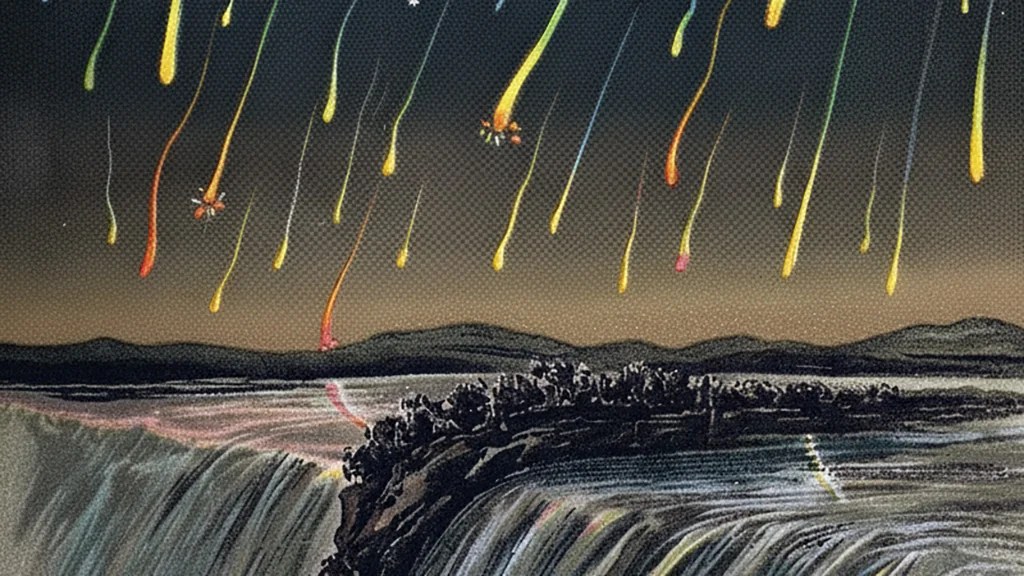
The 1833 Leonid meteor storm stunned America. Read the harrowing eyewitness accounts of the night the stars fell like snow and the sky caught fire.
VV Cephei: The Colossal Supergiant of Cepheus
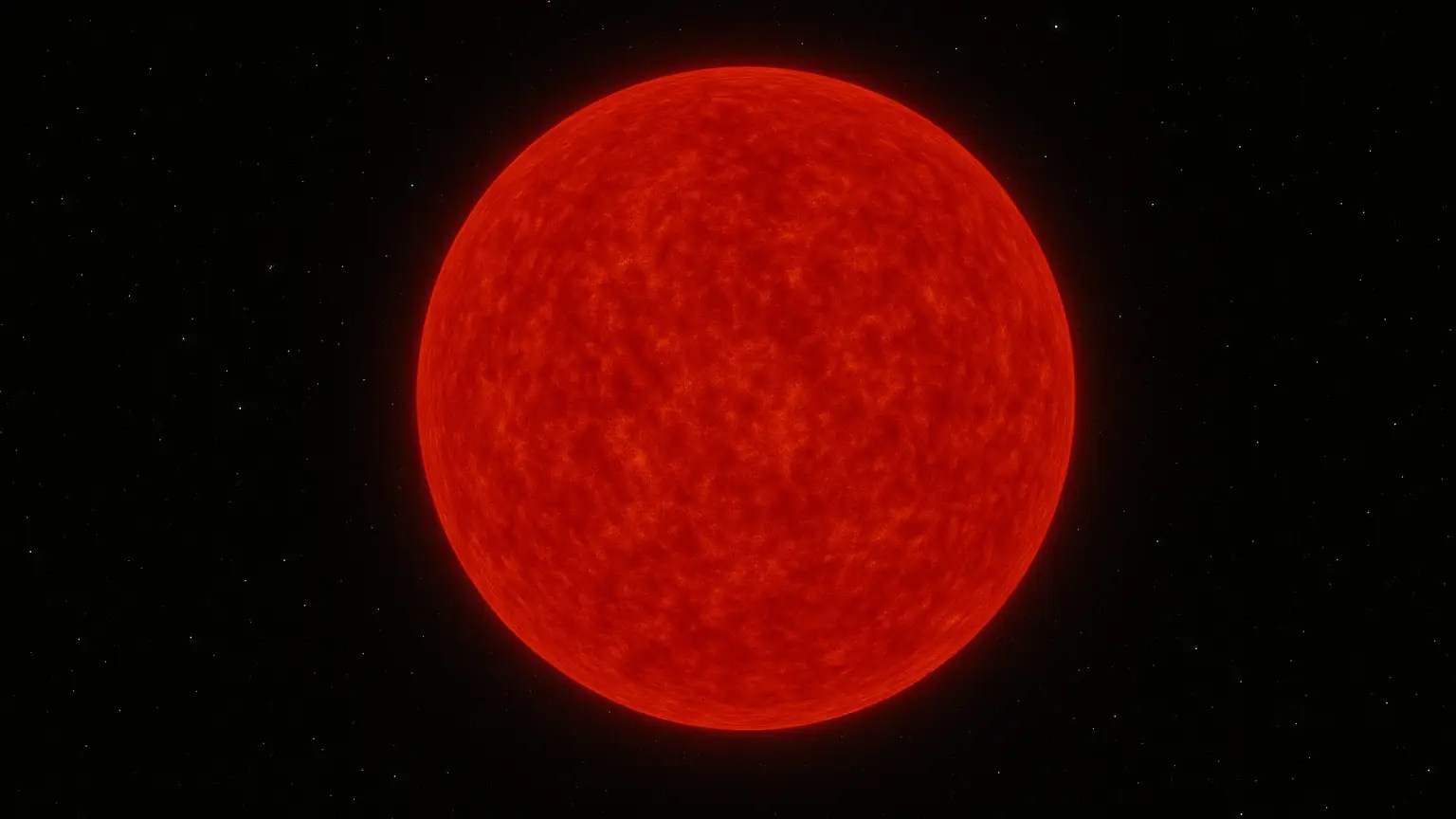
Explore VV Cephei, a massive red / orange supergiant in Cepheus. Find viewing tips, photos, and sketches for this rare and fascinating star.
Struve 331: A Binary of White and Blue-Green in Perseus
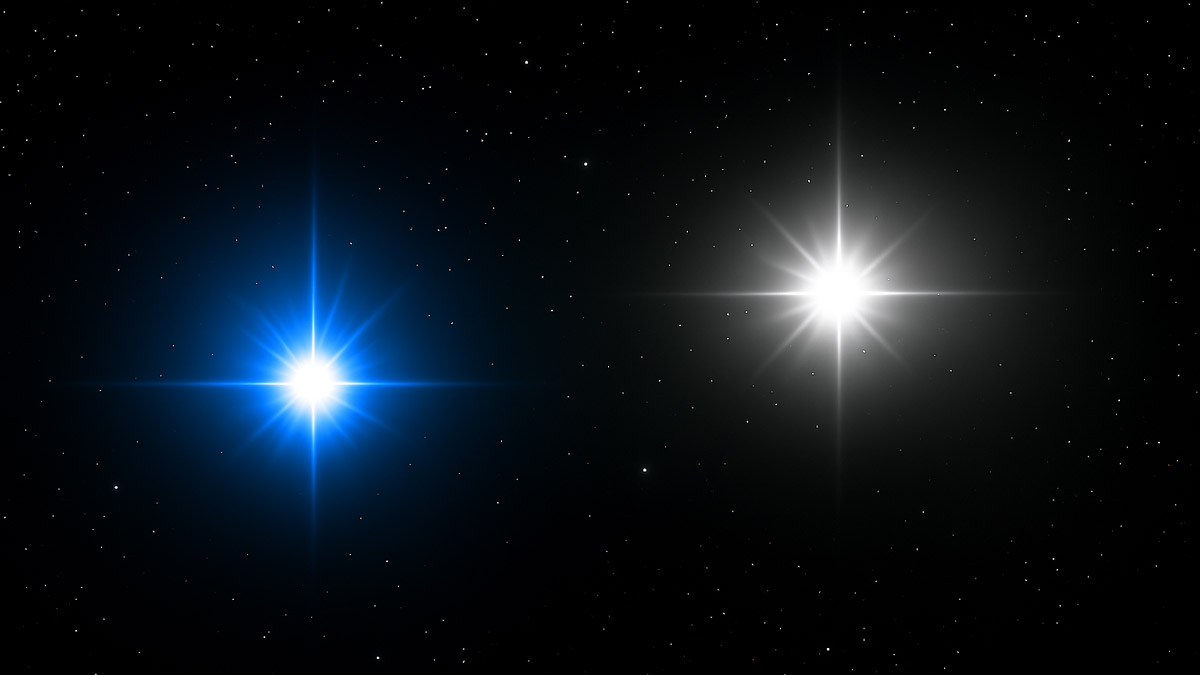
Struve 331 (HD 18537) is an optical double star in the constellation Perseus, bet viewed in Autumn. The pair of stars feature a bright white primary and a secondary fainter star that’s blue. Backyard astronomers should be able to split the double easily with most scopes to find that the bright white contrasted against the blue star makes for a pretty enchanting pair.
This double is also known as STF 331 and SAO 23763.
Messier 52 (NGC 7654): A Small Scorpion in Cassiopeia
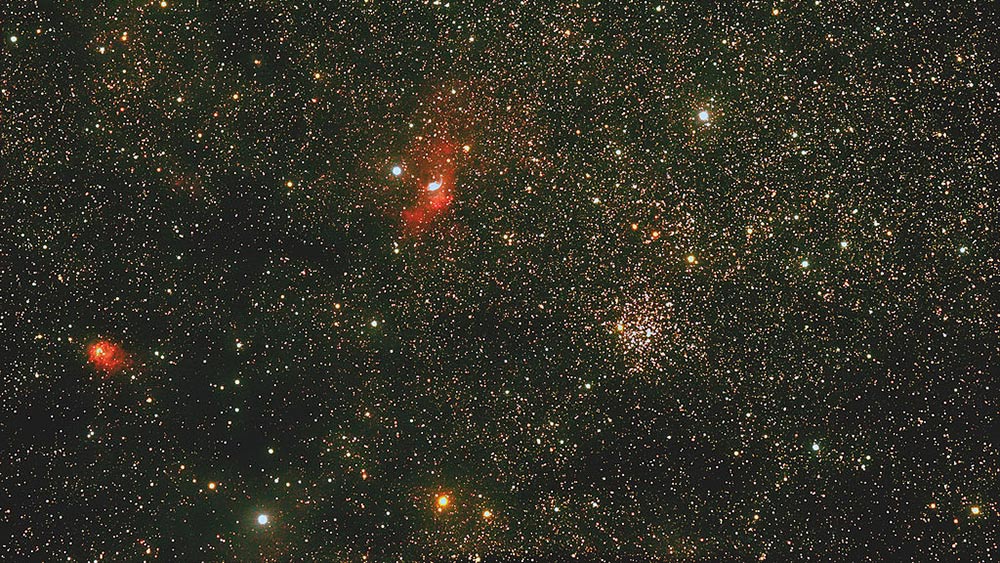
M52 is a condensed cluster of mostly faint stars sitting in the Milky Way sea of stars. This makes the object tougher to find.
NGC 457: The Owl Cluster in Cassiopeia

An owl hides out in Cassiopeia, so on autumn and winter nights, turn your scope toward the constellation and look for cluster and its two bright stars that make up the eyes.
Iota Cassiopeiae: An Unforgettable Triple
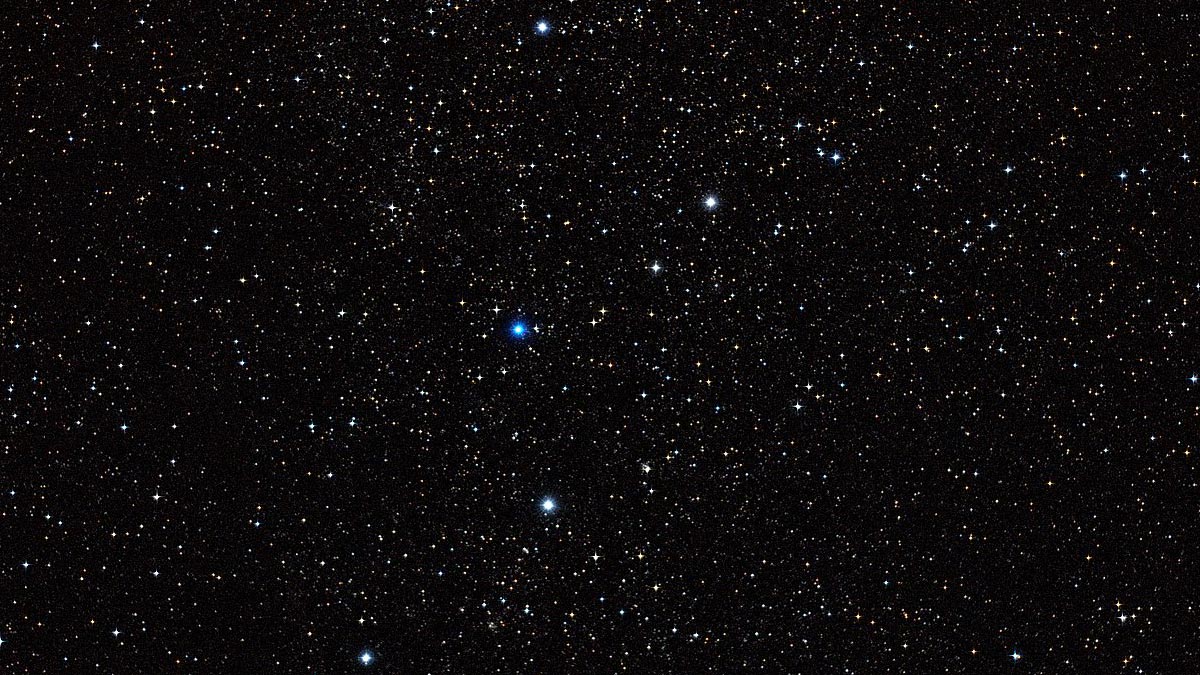
Discover Iota Cassiopeiae, a triple star system hidden in Cassiopeia’s “W.” Through a telescope, it reveals a stunning trio of diamond-like stars.
NGC 7006: The Ancient Lantern at the Rim of the Galaxy

NGC 7006, an elusive globular cluster located 135,000 light-years away in the constellation Delphinus, offers a unique challenge for amateur astronomers. Its faint visual magnitude of 10.6 makes it hard to detect, revealing a compact cluster over time through powerful telescopes. Observing it connects viewers with distant cosmic history. Also known as Caldwell 42.
 The Garden Astronomer