I’m often asked to name my favorite night sky observations, so I’ve provided them below, divided into several categories:
- Favorite objects for their beauty
- Objects of scientific or historical interest
- Observations of personal significance to me
- Favorite double stars
Favorite objects for their beauty
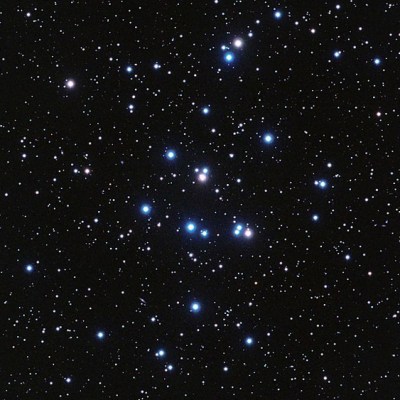
Messier 44 (NGC 2632): A Swarm of Bees in Cancer
From Ptolemy describing M44 as a “nebulous mass in the breast of cancer” to Chinese astronomers calling it a “cloud of pollen,” the Beehive has held the attention of skywatchers over the ages. Also known Messier 44, Praesepe, and NGC 2632.

NGC 869 and 884: The Famous Sparkling Double Cluster
NGC 869 along with NGC 884 create a breathtaking cluster of stars floating in the constellation of Perseus. Like diamonds sparkling in a dark room, the Double Cluster lights up the autumn sky as it spreads itself as wide as new full moons.
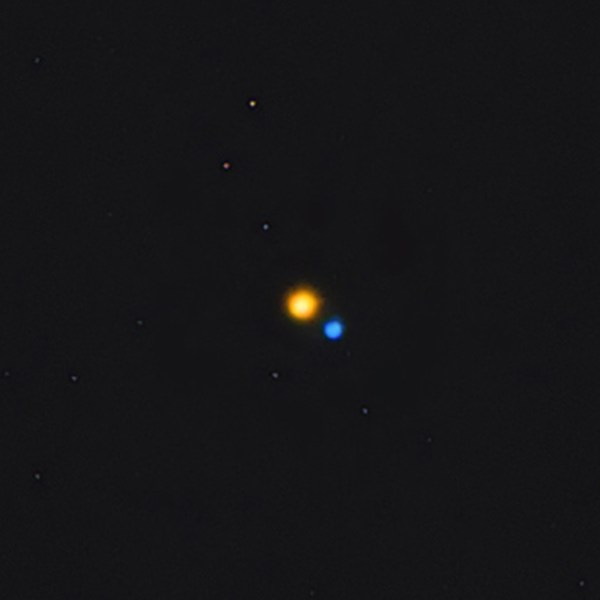
Albireo: A Stunning Double Star of Indigo and Gold
Albireo is a celestial gem—a stunning double star due to the sharp contrast between its indigo and gold color.
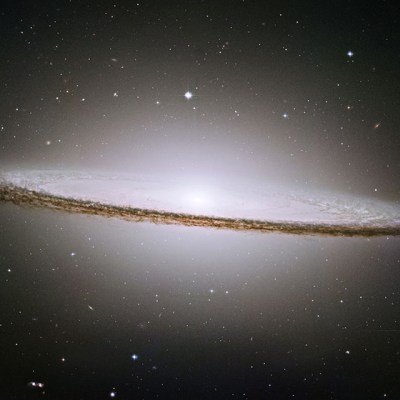
Messier 104 (NGC 4594): The Stunning Sombrero Galaxy
We view this stunning galaxy almost edge-on. In this lair of light lives a supermassive black hole.
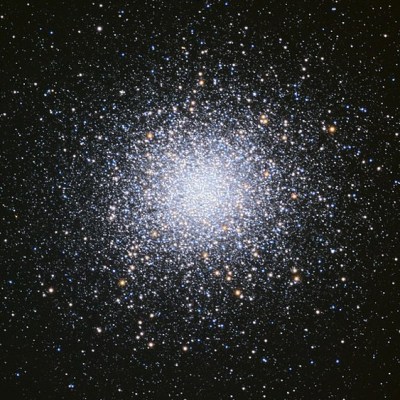
Messier 13 (NGC 6205): A Brilliant Globular Cluster in Hercules
Messier 13 made history in 1974 when astronomers broadcast a message toward this awesome globular cluster, hoping that exterrestrial ears might hear the signal.
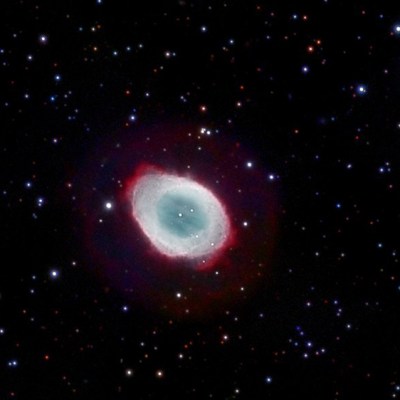
Messier 57 (NGC 6720): The Ring Nebula
Messier 57, the Ring Nebula in Lyra, is a bright planetary nebula of gas and dust surrounding a dying star—perfect for backyard observing.
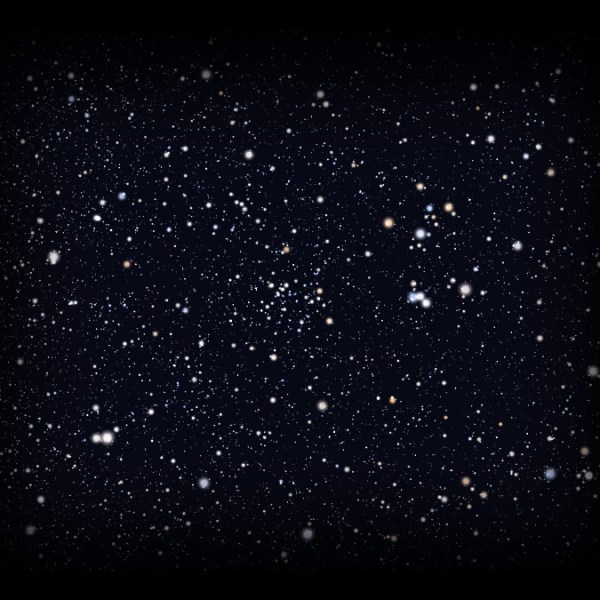
NGC 6811: A Smoke Ring of Stars in the Constellation Cygnus
The star cluster NGC 6811 in Cygnus has a unique dark center that some people call “The Hole in the Cluster,” making this a great target for backyard astronomers.
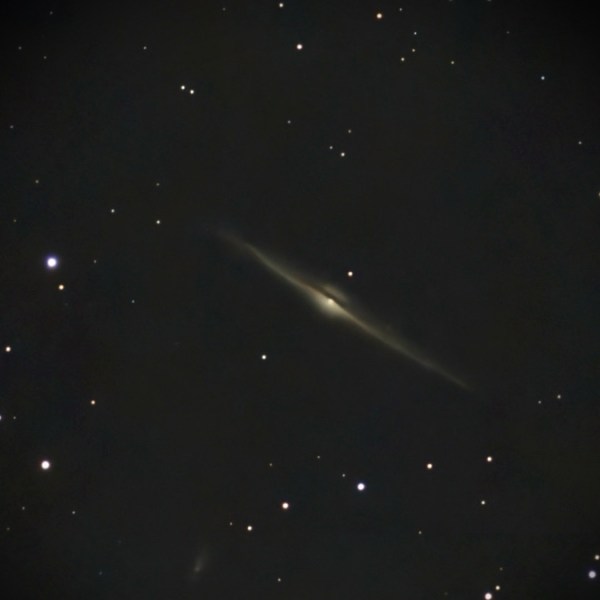
NGC 4565: The Needle Galaxy
The post discusses the Needle Galaxy (NGC 4565) located in the Coma Berenices constellation, notable for its thin, edge-on spiral structure. It features a sketch of the galaxy as it appears through a telescope along with a photo from a Seestar S50. Also known as Caldwell 38 (C38). The article also mentions and shows NGC…
Objects of scientific or personal interest
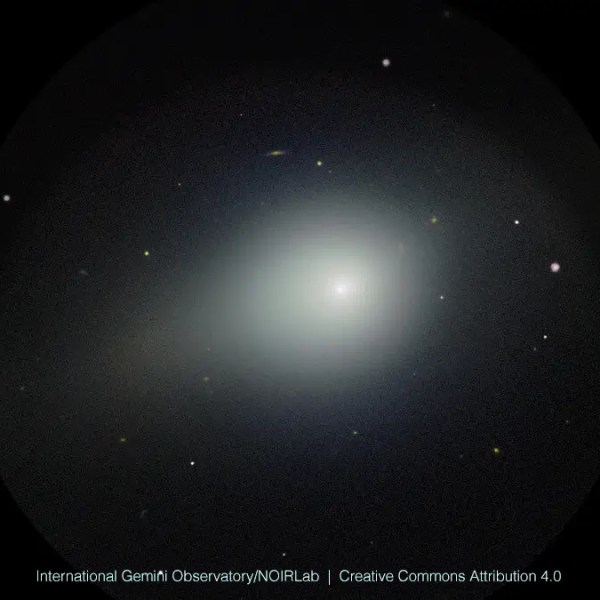
Comet 3I/ATLAS: Chasing an Interstellar Visitor at Christmas
Explore Comet 3I/ATLAS, a rare interstellar visitor, its discovery, scientific debate, and a quiet personal observation at year’s end.

Stars Fell Like Snow: Witnesses to the 1833 Leonid Meteor Storm
The 1833 Leonid meteor storm stunned America. Read the harrowing eyewitness accounts of the night the stars fell like snow…

Viewing Comet C/2025 A6 Lemmon in Autumn Skies
Comet C/2025 A6 (Lemmon) brightens in the sky as 2025’s top comet. A rare long-period visitor visible in fall nights…
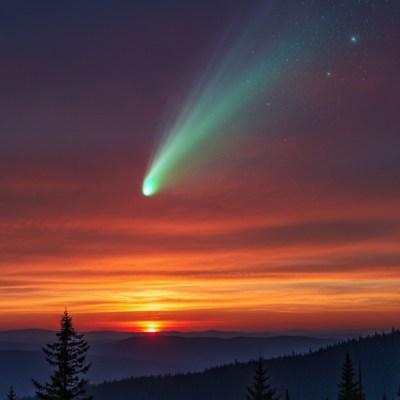
Viewing Comet C/2025 R2 SWAN in October Skies
Discover Comet SWAN (C/2025 R2), its rare discovery by SOHO’s SWAN instrument, and its close approach to Earth in October…
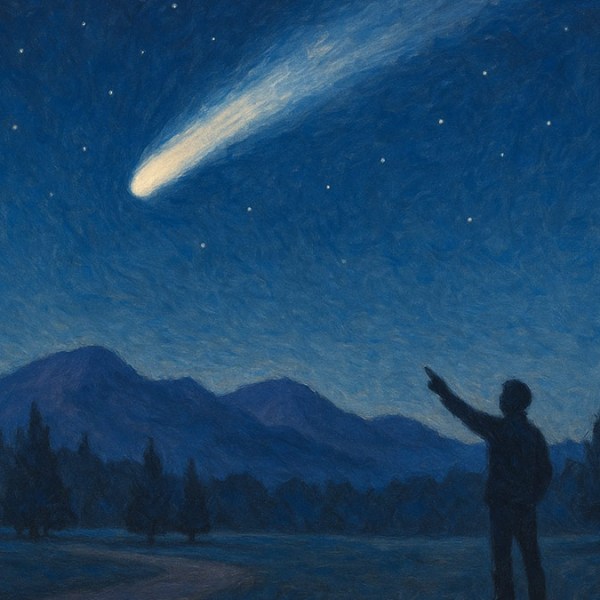
From Park Bench to Stardust: Spotting Comet Hale‑Bopp in 1997
Relive the magic of Comet Hale-Bopp. A personal reflection on a lifetime of observing, from a 1997 park bench to…
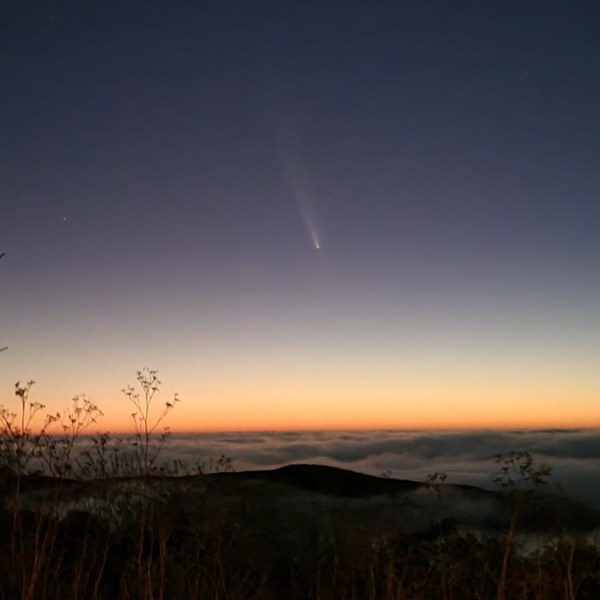
Comet Tsuchinshan-ATLAS Graces Autumn Skies
This comet, first discovered by astronomers from the Tsuchinshan Observatory in China and the ATLAS survey in Hawaii, promised to…

Messier 101: The Pinwheel Galaxy and Brilliant Supernova SN 2023ixf
On May 19, 2023, a bright supernova appeared in one of the Pinwheel’s spiral arms. A week after, I captured…
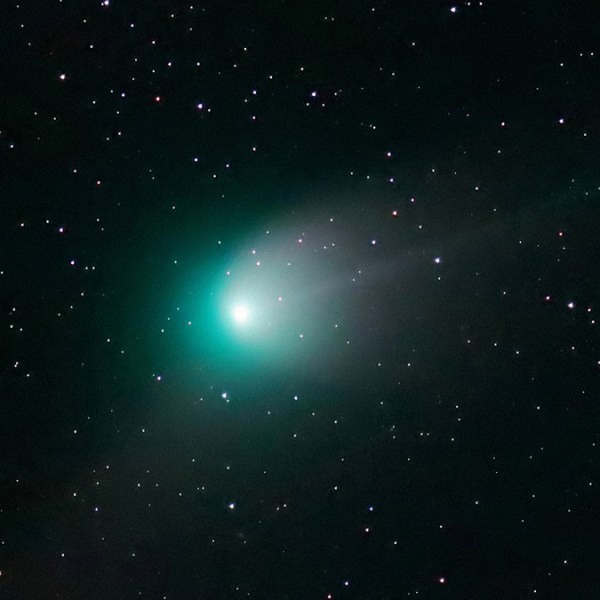
The Green Comet of 2023 (C/2022 E3 ZTF)
Just when I thought it would be many years for another bright comet to appear after 2020’s Neowise, Comet ZTF…
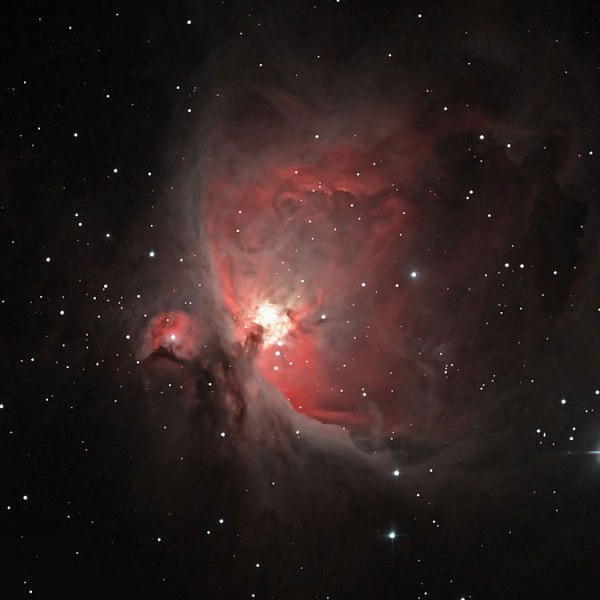
Iota Orionis: A Runaway Star in Orion’s Sword
This multiple star is not only one of the hottest in the Orion constellation but a “runaway” star. This was…
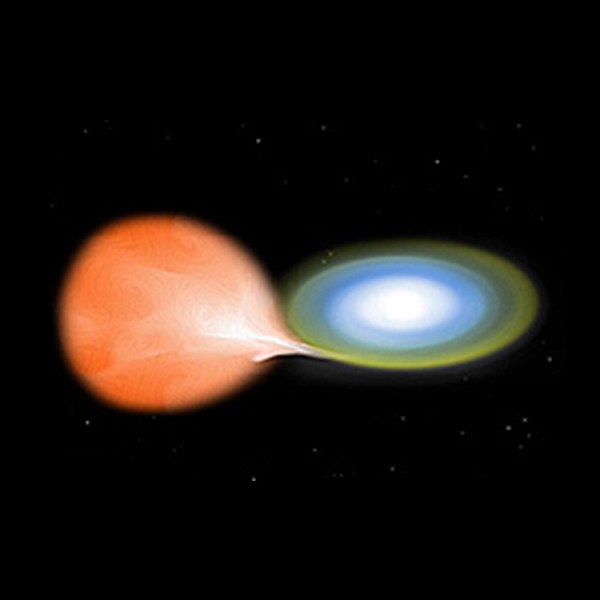
RS Ophiuchi: Star Erupts in the Summer Sky
Recurrent novae are rare. Luckily, we have RS Ophiuchi erupting every 20 years or so to remind us how special…
Observations of personal significance to me
On fulfilling my astronomical “bucket list” items
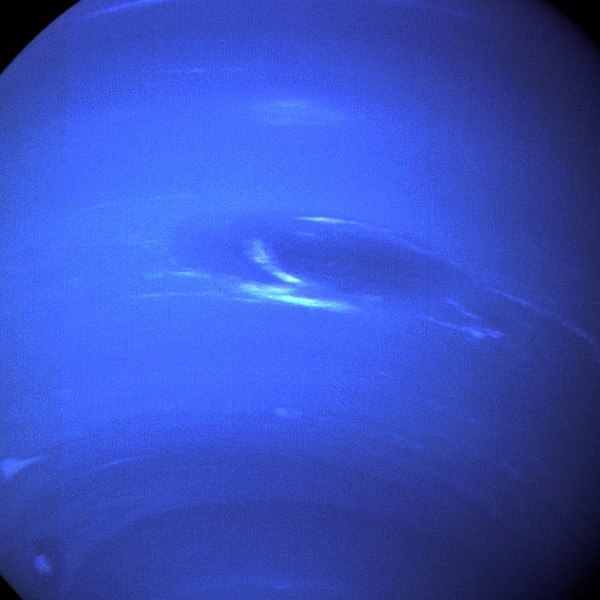
Finding Neptune: Viewing My Favorite Planet for the First Time
The fuzzy sapphire floating on the firmament was finally mine.
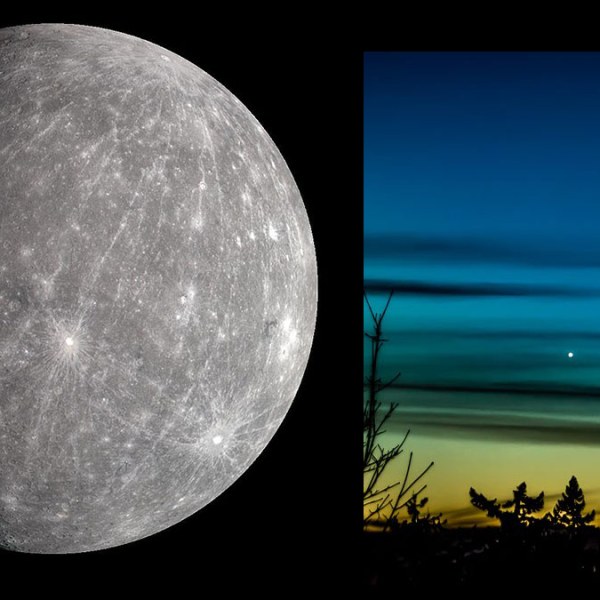
Mercury: On Finding the Elusive Planet
An amateur astronomer shares how he finally found the elusive…

Uranus: On Seeing the Planet for the First Time
There it was—Uranus—no longer a point of light but a…
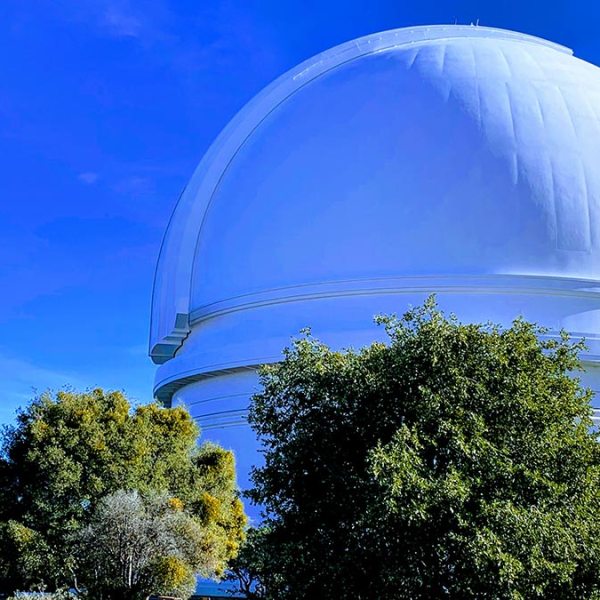
Palomar Observatory
Learn about the Palomar Observatory and the Hale Telescope. Article…
On living through a pandemic
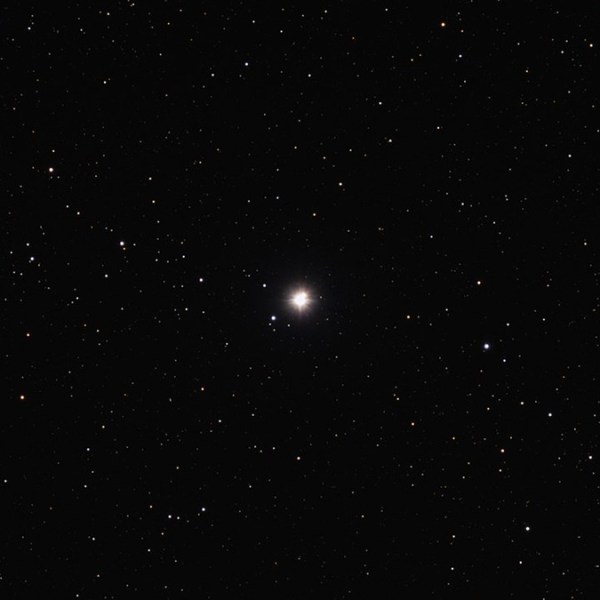
Eta Cassiopeiae (Achird): A Colorful Double Star in Cassiopeia
Eta Cassiopeiae, also known as Achird, is a double-star system…
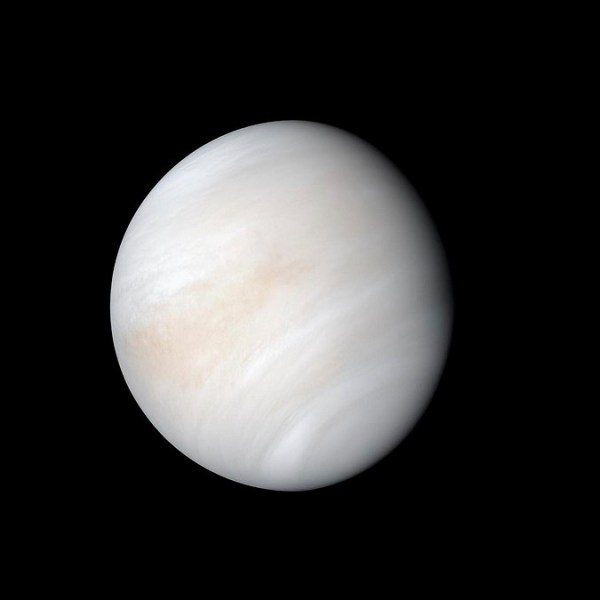
Venus: The Bringer of Light
Venus, the morning and evening star, dazzles with bright reflection…
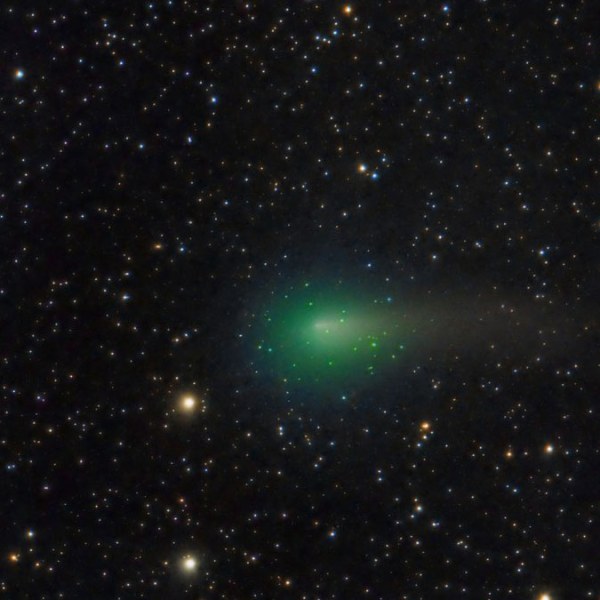
Comet C/2019 Y4 (ATLAS)
Provides overview of Comet Atlas.
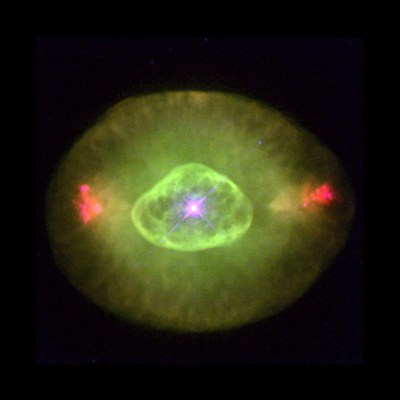
NGC 6826: A Blinking Planetary Nebula in Cygnus
As one stares at the central star, or uses averted…
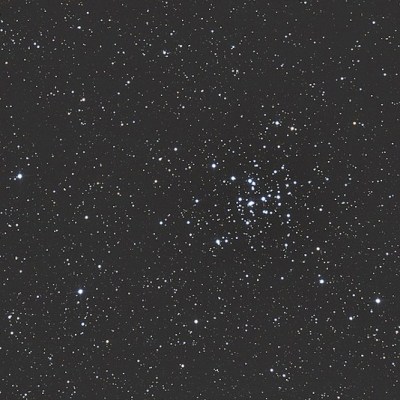
Messier 36 (NGC 1960): A Pinwheel of Stars
Messier 36, nicknamed the Pinwheel Cluster, is an open cluster…
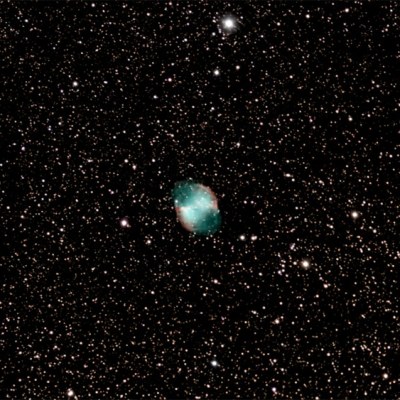
Messier 27 (NGC 6853): The Dumbbell Planetary Nebula in Vulpecula
Messier 27 (NGC 6853) is a planetary nebula in the…
Through the Skylight
A backyard astronomer is reminded of the old adage “keep…
On family

Messier 51: The Great Whirlpool
Few galaxies are a breathtaking as the majestic Whirlpool Galaxy…
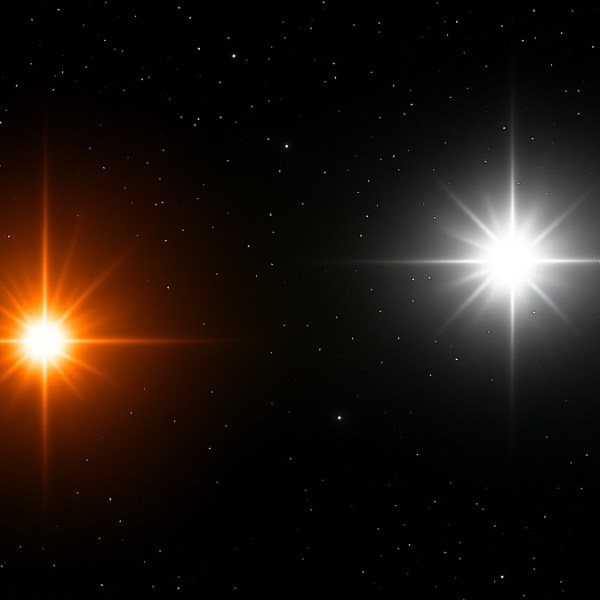
Struve 1835: A Double Star of Brilliant White and Deep Yellow in Boötes
Struve 1835 is an attractive double star in the northern…
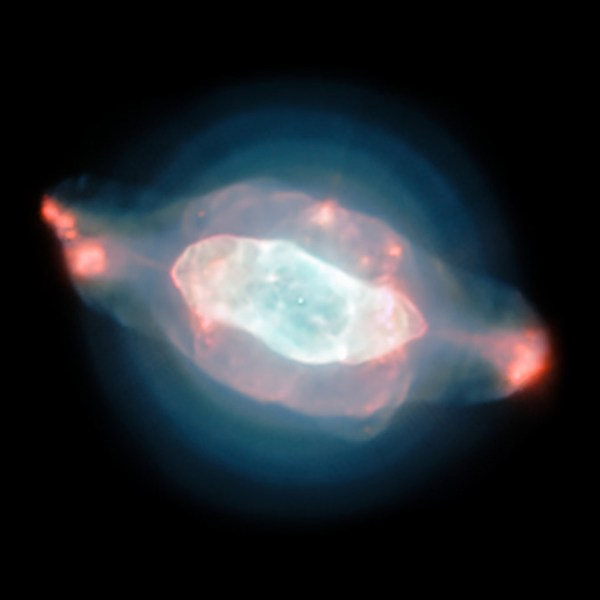
NGC 7009: The Saturn Nebula
The Saturn Nebula, also known as Caldwell 55, is a…
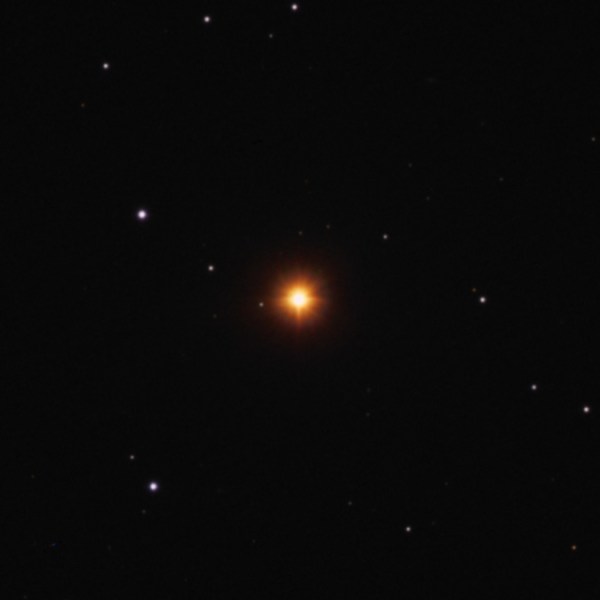
La Superba: One of the Reddest Stars in the Sky
One night, La Superba appeared randomly on my astronomy app…
Favorite Double Star
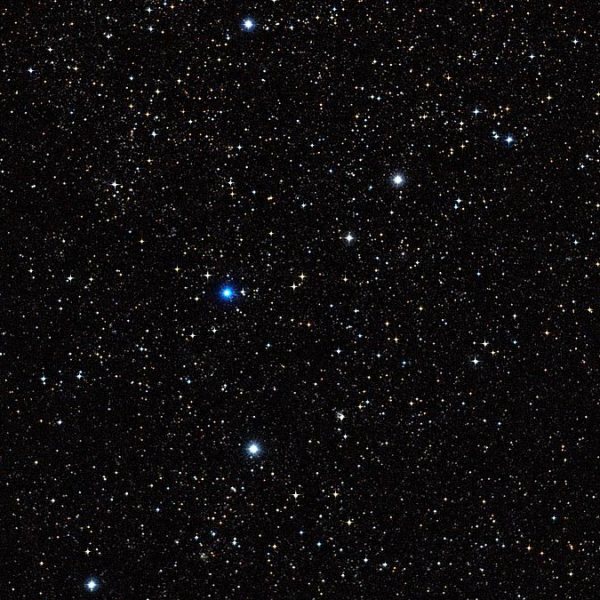
Iota Cassiopeiae: An Unforgettable Triple
Discover Iota Cassiopeiae, a triple star system hidden in Cassiopeia’s “W.” Through a telescope, it reveals a stunning trio of diamond-like stars.
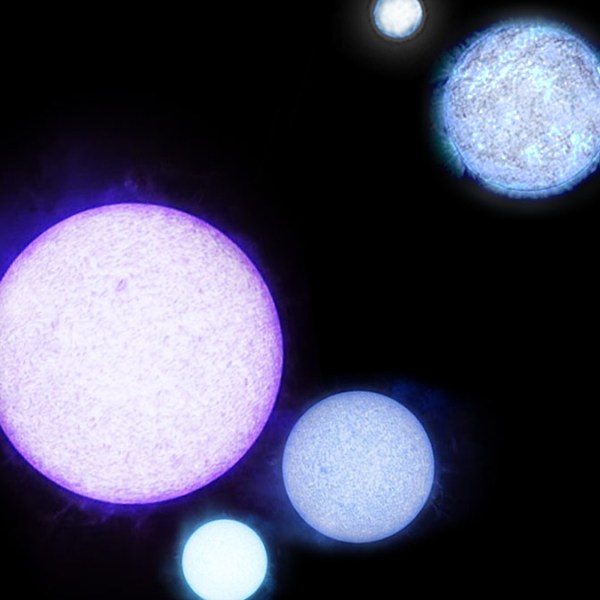
Struve 2470 and 2474: Lyra’s Other Entrancing Double Double
During summertime and autumn, Struve 2470 and 2474 make for an entrancing sight in the night sky. These two double-star systems are located close to each other and appear parallel due to their orientation. These four stars can appear in the eyepiece together, making for a beautiful harmony in the cosmos. Also known as SAO…
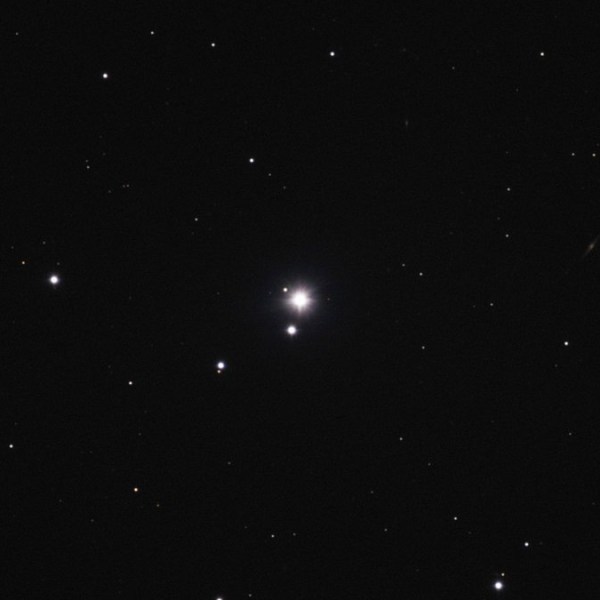
12 Comae Berenices: A Bright Double Star Greets You in Coma Berenices
12 Comae Berenices is a pretty double star in the northern constellation of Coma Berenices. At a magnitude around +4.8, backyard astronomers can enjoy this bright binary on spring nights.
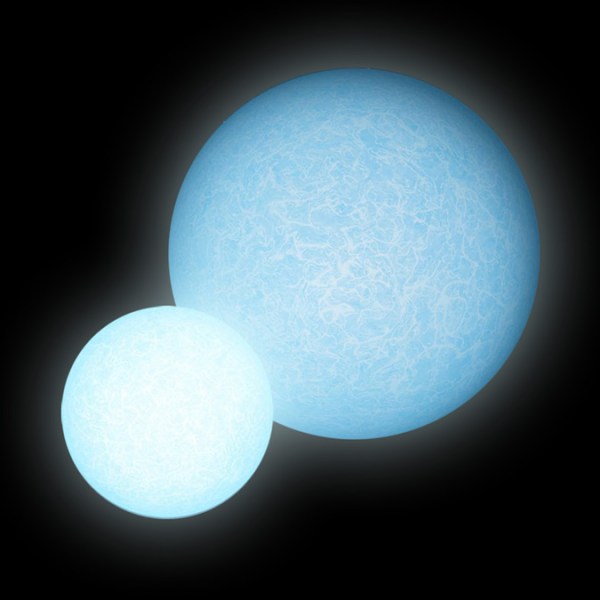
Chi Tauri: A Double with Deep Purple Secondary
Chi Tauri is a pretty white-dark blue double star in the winter constellation Taurus. The secondary component, a yellow G2 class, actually looks purple!
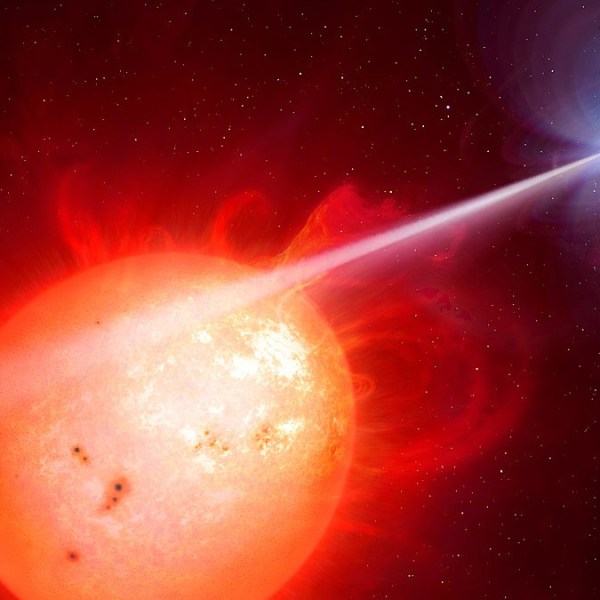
Izar (Epsilon Boötis): A Bit of Science Fiction and Loveliness
The binary star named Izar, also known as Epsilon Boötis, is located in the constellation Boötes and is best viewed in late spring. It takes a decent telescope and clear skies to split this double, but the effort pays off!
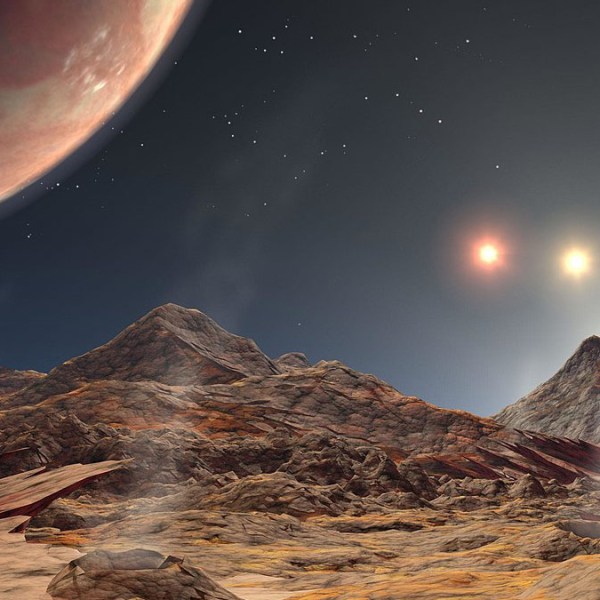
Beta Monocerotis: A Delightful Triple Star
Explore Beta Monocerotis, a rare triple star in Monoceros. View three pale blue stars through a telescope for a stunning winter constellation target.
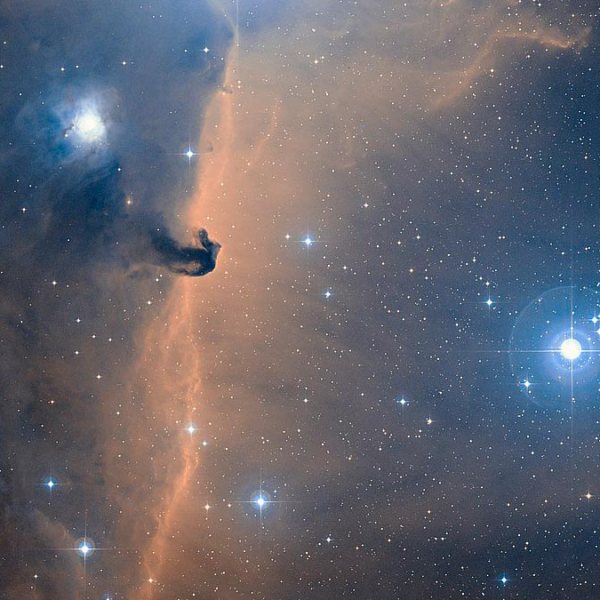
Sigma Orionis: An Attractive Quartet of Stars in Orion
Some consider Sigma Orionis one of the best multiple star systems to view. It makes its home just underneath the belt of Orion near the famous Horsehead Nebula.
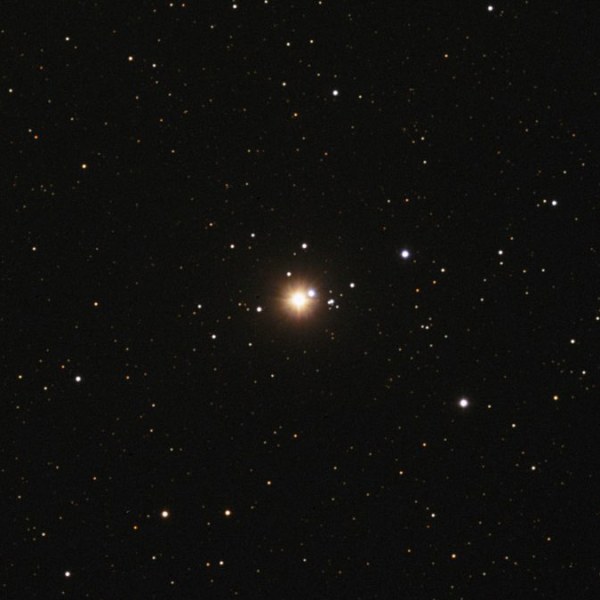
Miram (Eta Persei): A Gold and Sapphire Binary on Winter Nights
Miram is a night sky gem and one of the prettiest binary stars in our galaxy. Make your way to the constellation Perseus on a winter night to enjoy the pair.
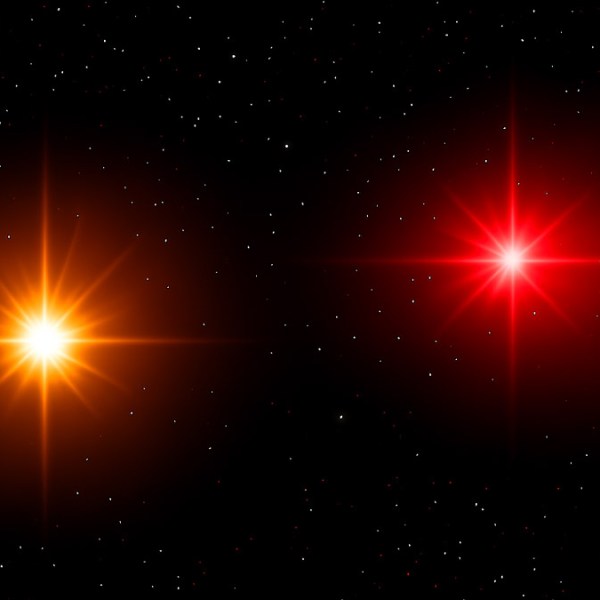
70 Ophiuchi: A Colorful Double Star Close to Home
This is a must-see binary in the heat of summer. Not sure why, but as I enjoy viewing this pair, I think of multicolor ice popsicles.
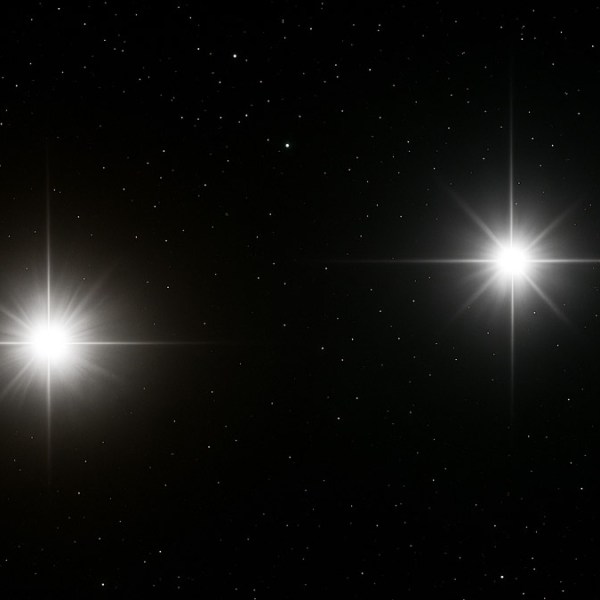
Delta Serpentis: Two Stars on the Verge of Becoming Giants
Delta Serpentis is a double star in the lesser-known constellation of Serpens, the serpent. It makes a for a pretty summertime target.
 The Garden Astronomer