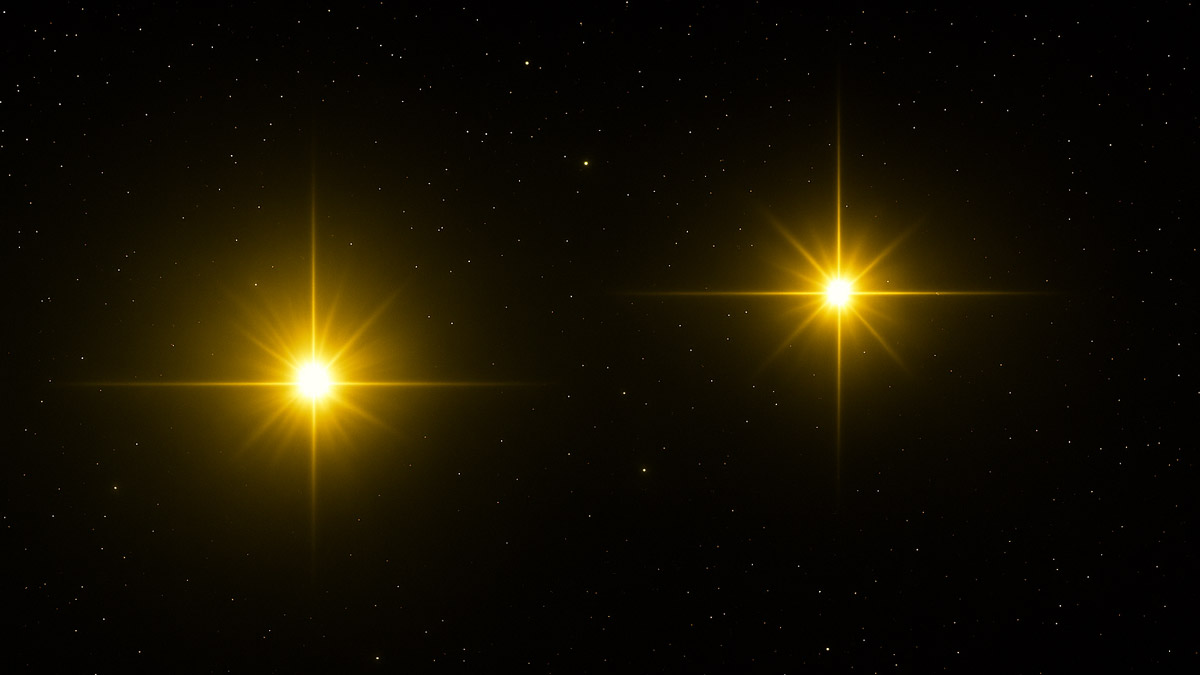
94 Aquarii is a triple star in Aquarius with a warm yellow primary and a subtle companion. A rewarding target for small telescopes in autumn skies. Learn about it and see what it looks like in telescope.
Tag Archives: Aquarius
91 Aquarii (Psi1 Aquarii): A Mulitple Star System
Zeta Aquarii, a binary star system in Aquarius, is about 92 light-years away. First identified by William Herschel in 1777, it appears as a single point to the naked eye. Both stars are similar F-type main-sequence stars, orbiting each other every 587 years, exhibiting complexity beneath their apparent simplicity. This post explores the star and illustrates what it looks like in the telescope. Also known as: STF 2909, SAO 146108, HIP 110960, GC 31398, HR 8558, Zet1 Aqr, 55 Aquarii, HD 213052, 55 Aqr
Messier 2 (NGC 7089): One of the Largest Globular Clusters in the Sky

Explore Messier 2 (M2), a stunning globular cluster in Aquarius. See its 150,000 stars through a sketch, photo, and observing tips for fall skies.
Zeta Aquarii (Struve 2909): A Tight Binary Near the Water Bearer’s Shoulder
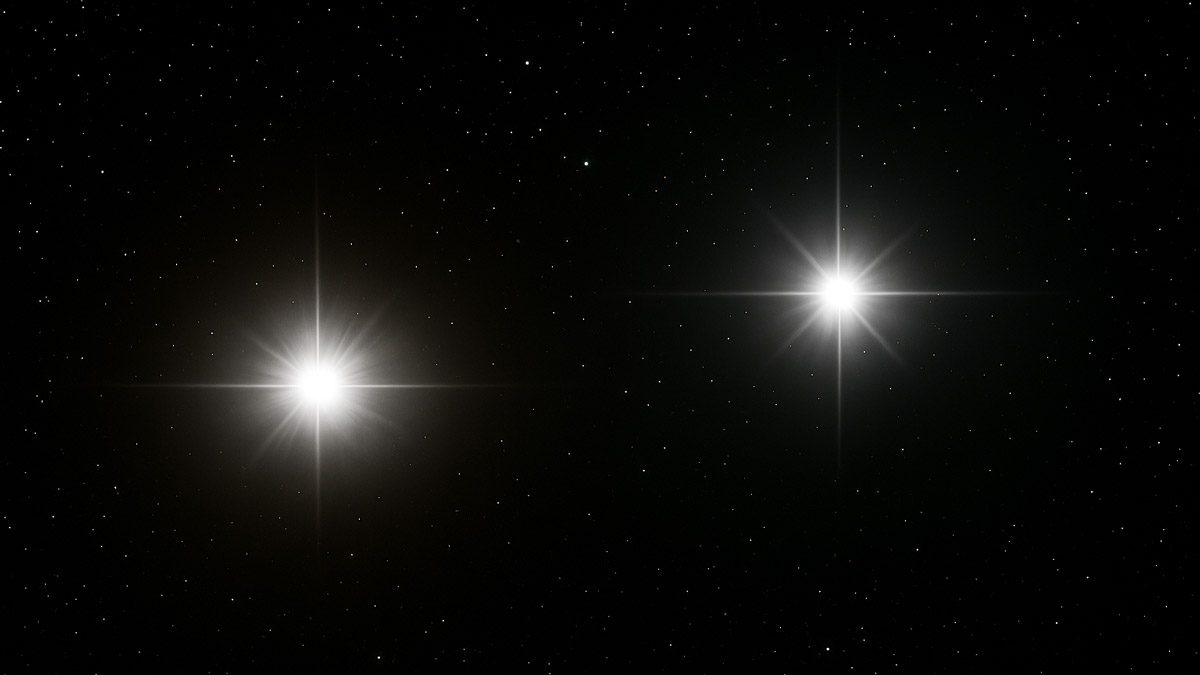
Zeta Aquarii, a binary star system in Aquarius, is about 92 light-years away. First identified by William Herschel in 1777, it appears as a single point to the naked eye. Both stars are similar F-type main-sequence stars, orbiting each other every 587 years, exhibiting complexity beneath their apparent simplicity. This post explores the star and illustrates what it looks like in the telescope. Also known as: STF 2909, SAO 146108, HIP 110960, GC 31398, HR 8558, Zet1 Aqr, 55 Aquarii, HD 213052, 55 Aqr
The Helix Nebula: The “Eye of God” Looks Back at You
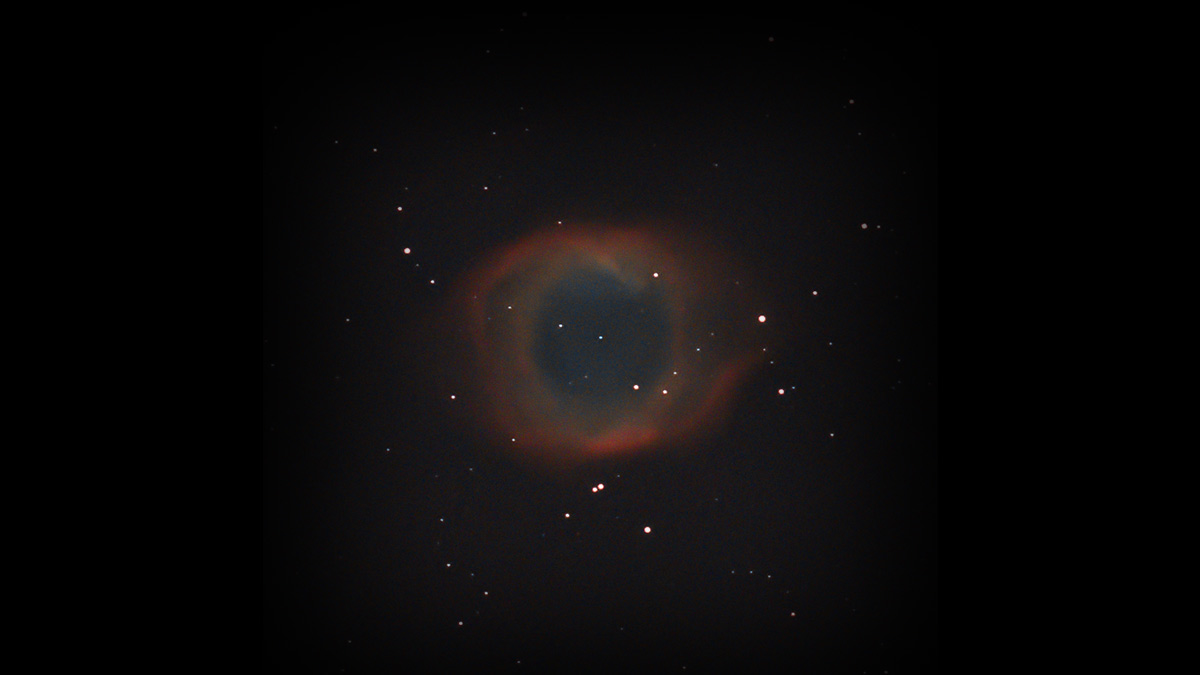
In late summer and autumn, the constellation Aquarius, known as the Water Bearer, is prominent in the southern skies of the Northern Hemisphere. Among its features is the Helix Nebula, one of the closest planetary nebulae to Earth. It’s also known as NGC 7293, Caldwell 63, Arp 336.
NGC 7009: The Saturn Nebula
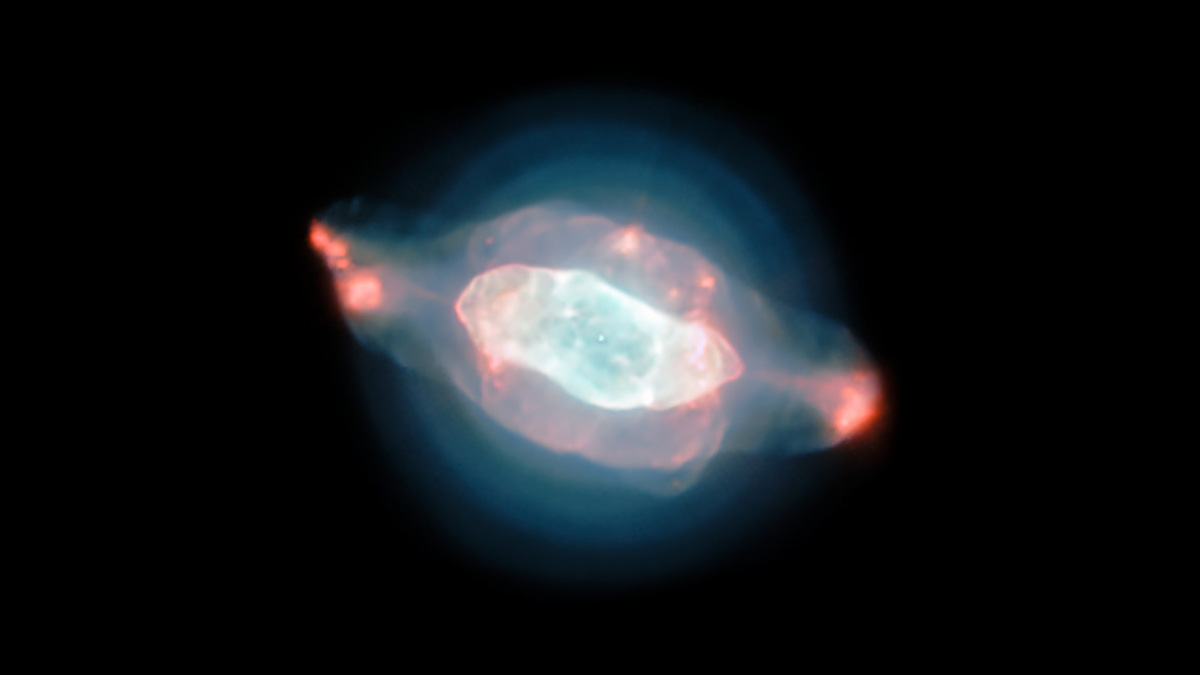
The Saturn Nebula, also known as Caldwell 55, is a planetary nebula viewable in the northern night sky in autumn in constellation Aquarius. Even though dim nebulas like NGC 7009 can be challenging to view in suburban backyards because of light pollution, astronomers should not loose heart. This nebula is pretty easy to spot on a moonless night with a smaller telescope. It will appear light-blue or green and as a small smudge in the scope.
Messier 73 (NGC 6994): A Pattern of Four Stars Once Mired in Debate
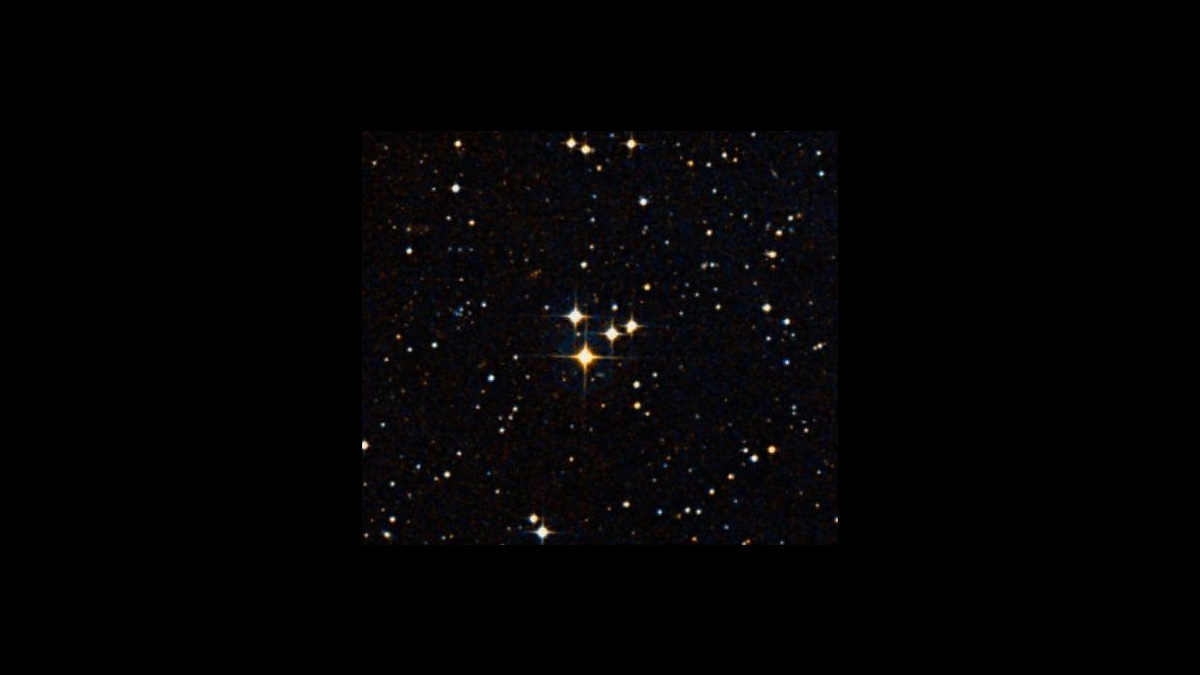
This small pattern of four stars created substantial debate for years, but now we know it’s a simple asterism that looks like a spaceship from Asteroids!
 The Garden Astronomer