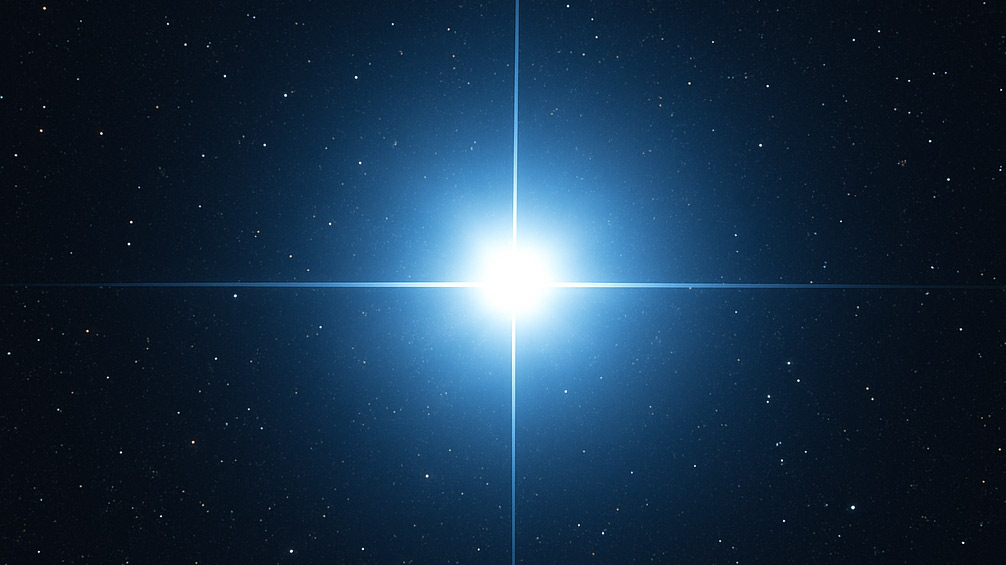
Discover Altair, one of the brightest stars in the Summer Triangle. This blog explores its rapid spin and includes a personal telescope sketch for stargazing enthusiasts.
Tag Archives: Aquila
57 Aquilae: A Light Topaz Blue Double
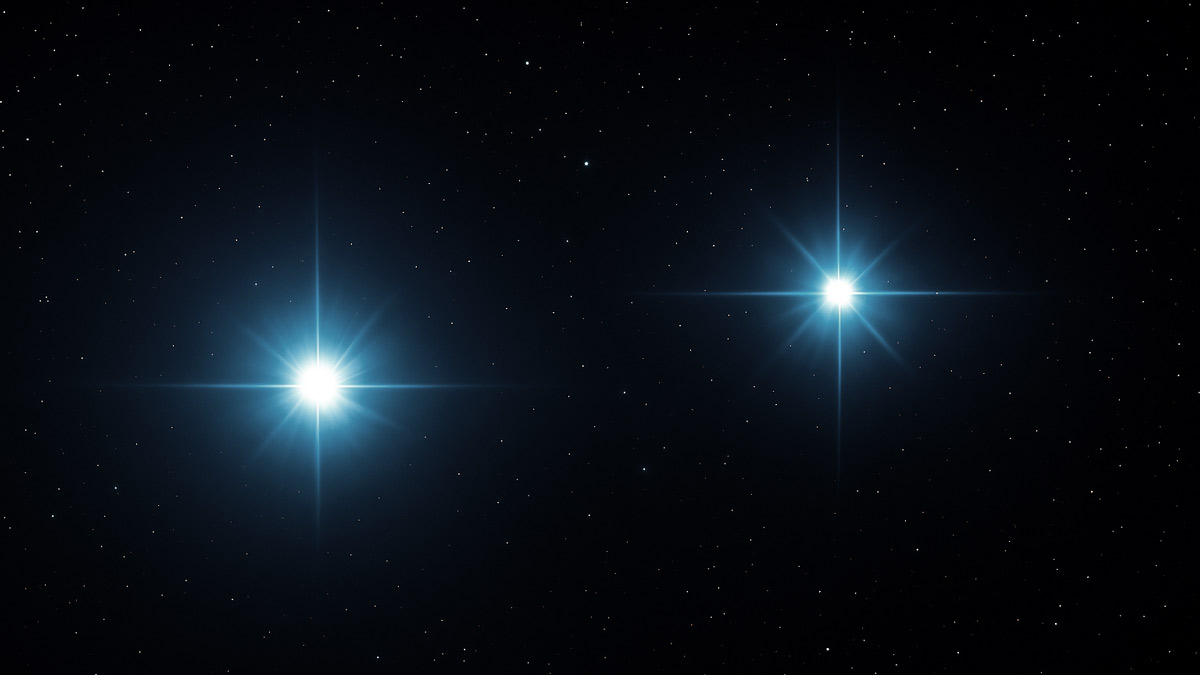
Tucked away in the Eagle’s wing, 57 Aquilae shines as a quiet pair of stellar companions. I spent some time at the eyepiece with this beautiful double star—here’s what I saw and why it left an impression.
Struve 2446: A Quaint Yellow and White Binary in Aquila
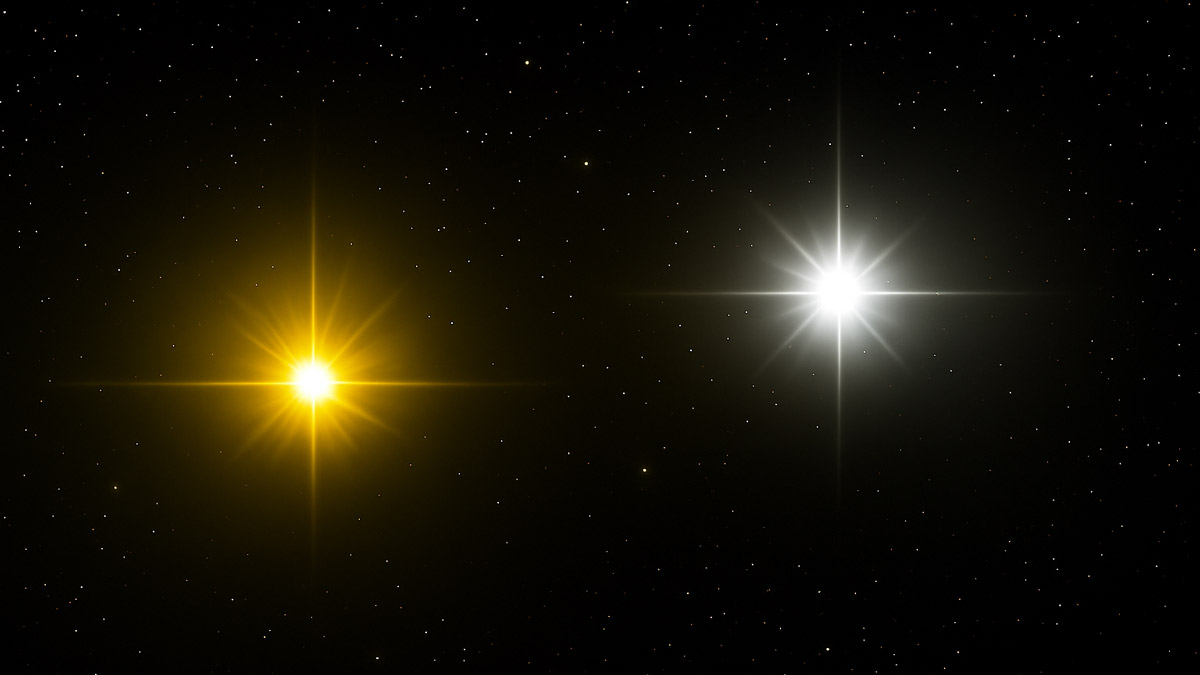
Backyard astronomers can spot the binary star Struve 2446 in the constellation Aquila during late summer and early autumn nights. Cataloged by Friedrich von Struve in 1825, the pair is visible under dark conditions. Struve 2446 A appears pale yellow while Struve 2446 B is fainter, offering a rewarding telescope experience. Also known as STF 2446, Σ2446, HD 177749, SAO 124257
Struve 2443: A Fine White Binary in Aquila
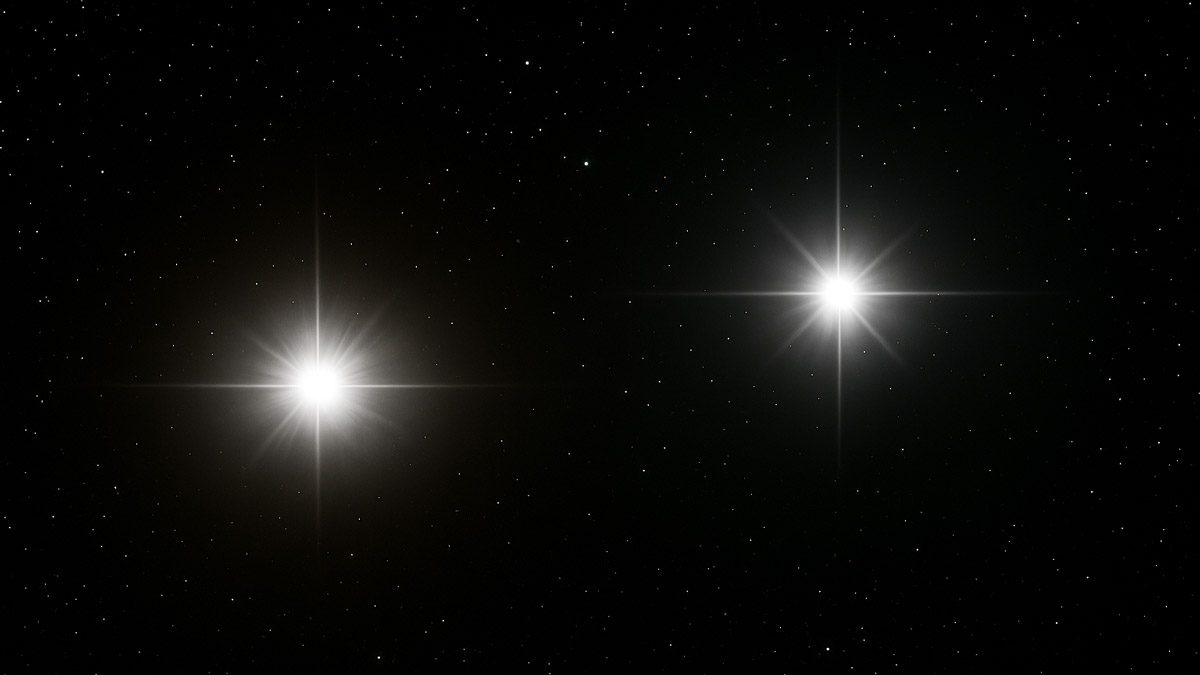
Backyard astronomers can spot the binary star Struve 2446 in the constellation Aquila during late summer and early autumn nights. Cataloged by Friedrich von Struve in 1825, the pair is visible under dark conditions. Struve 2446 A appears pale yellow while Struve 2446 B is fainter, offering a rewarding telescope experience. The pair are also cataloged as SAO 104432, HIP 93635, HD 177434, STF 2443, Struve 2443.
Struve 2404: A Tight, Attractive Orange-Red and Yellow Double in Aquila

Struve 2404 is a tight attractive double star in the summer constellation of Aquila, which lies on the celestial equator. The Russian astronomer Otto Wilhelm von Struve first recorded an observation of this pair in 1822.
This pair features a magnitude +6.9 primary star with a beautiful warm orange hue. The orange-red giant star has a stellar classification of K5III and is nearly 60 times the diameter of our sun! The secondary star lies closely by at 3.6 arcseconds away and shines at a magnitude of +7.8. The pair also known as STF 2404, HD 174569, SAO 104170, HR 7099.
NGC 6709: An 8-Bit Game Character in Aquila’s Star Cluster
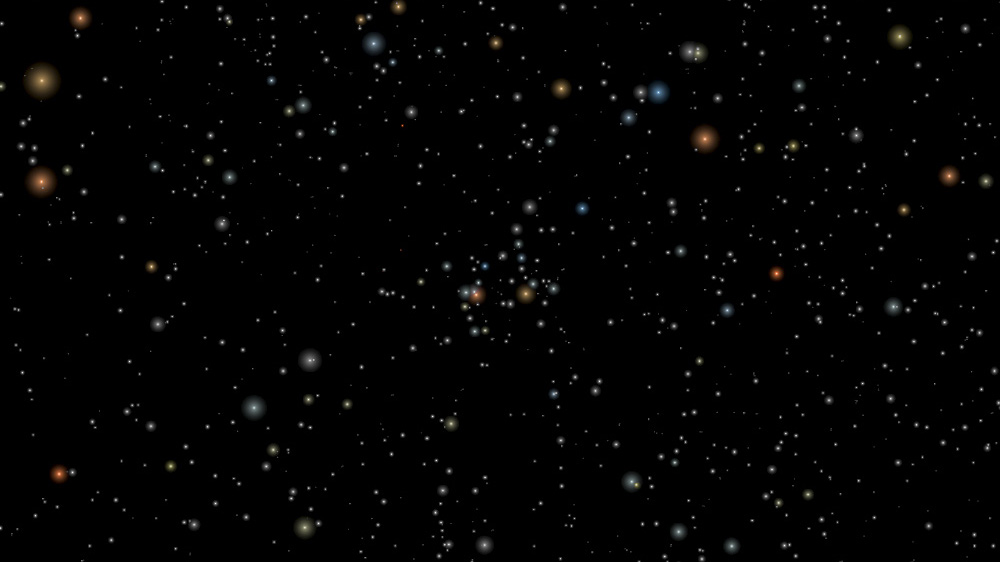
NGC 6709 is located in the constellation Aquila (the Eagle) best viewed on late summer and early autumn nights. This congregation of stars was first documented by the renowned astronomer William Herschel in 1784. One may not find much written about the cluster, but this fact doesn’t diminish its attractiveness. Approximately 300 stars make upContinueContinue reading “NGC 6709: An 8-Bit Game Character in Aquila’s Star Cluster”
15 Aquilae: An Attractive Orange and Yellow Double in Aquila
15 Aquilae, also known as h Aquilae, is a pretty orange-yellow double star in the summer constellation of Aquila, which also happens to lie on the celestial equator.
 The Garden Astronomer