
Journey to Arizona’s Barringer Crater to trace the impact of a 50,000-year-old meteorite and explore the raw, ancient power of a cosmic collision.
Tag Archives: Astronomy
NGC 2419: The Intergalactic Wanderer in Lynx
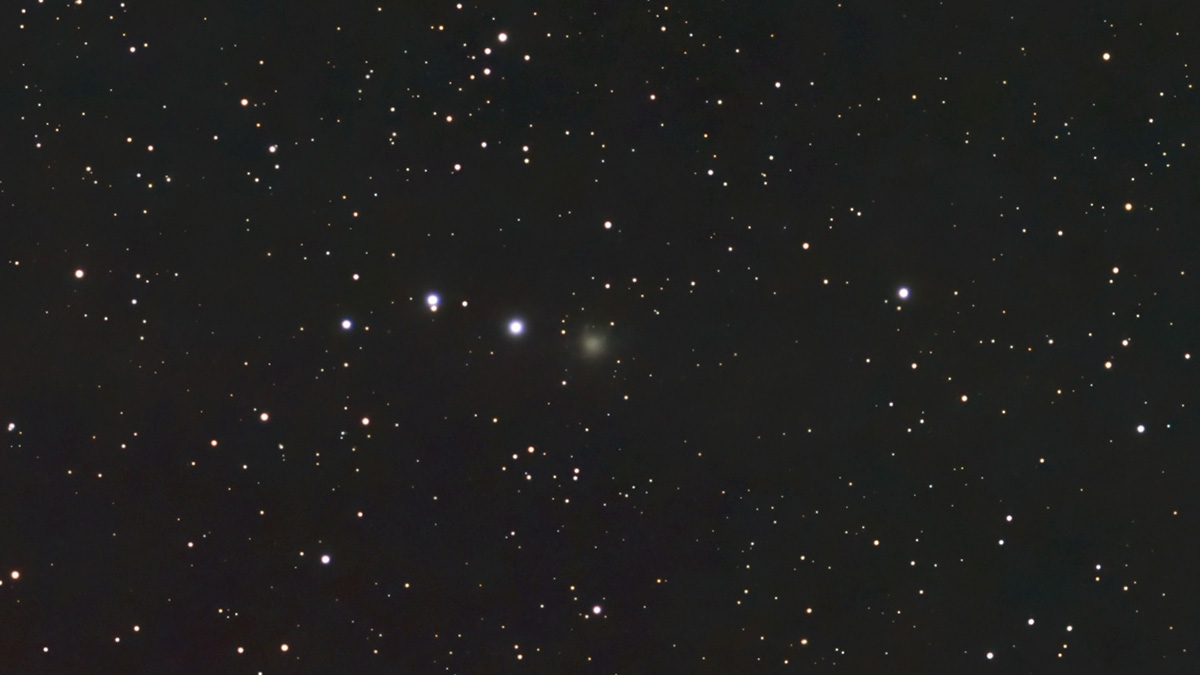
NGC 2419, known as The Intergalactic Wanderer, captivates with its extraordinary isolation, sitting 300,000 light-years from the Milky Way yet still bound to it. This magnificent cluster, containing hundreds of thousands of stars, may even be remnants of a lost dwarf galaxy, a testament to the universe’s boundless beauty and mystery.
23 Ursae Majoris: A Stellar Duo in The Great Bear
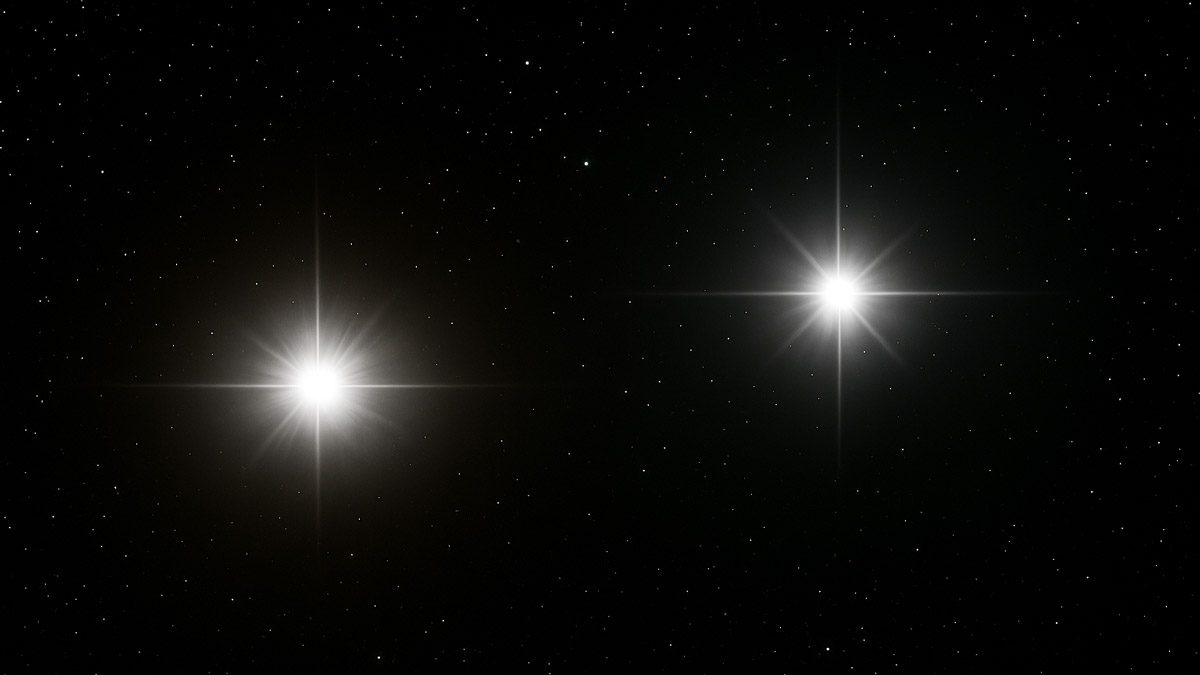
Ursa Major is a familiar sight in the northern night sky, home to the easily recognizable Big Dipper. While the stars of the Dipper often steal the show, the constellation is filled with other fascinating celestial objects, including one of my favorite galaxies, M51. Amongst all these significant objects is the binary star system 23ContinueContinue reading “23 Ursae Majoris: A Stellar Duo in The Great Bear”
Comet Tsuchinshan-ATLAS Graces Autumn Skies

This comet, first discovered by astronomers from the Tsuchinshan Observatory in China and the ATLAS survey in Hawaii, promised to be one of the brightest comets since Neowise. And sure enough, it actually got a little brighter than Neowise.
Struve 2443: A Fine White Binary in Aquila
Backyard astronomers can spot the binary star Struve 2446 in the constellation Aquila during late summer and early autumn nights. Cataloged by Friedrich von Struve in 1825, the pair is visible under dark conditions. Struve 2446 A appears pale yellow while Struve 2446 B is fainter, offering a rewarding telescope experience. The pair are also cataloged as SAO 104432, HIP 93635, HD 177434, STF 2443, Struve 2443.
2 Canum Venaticorum: A Cherry Red Giant Double in Canes Venatici
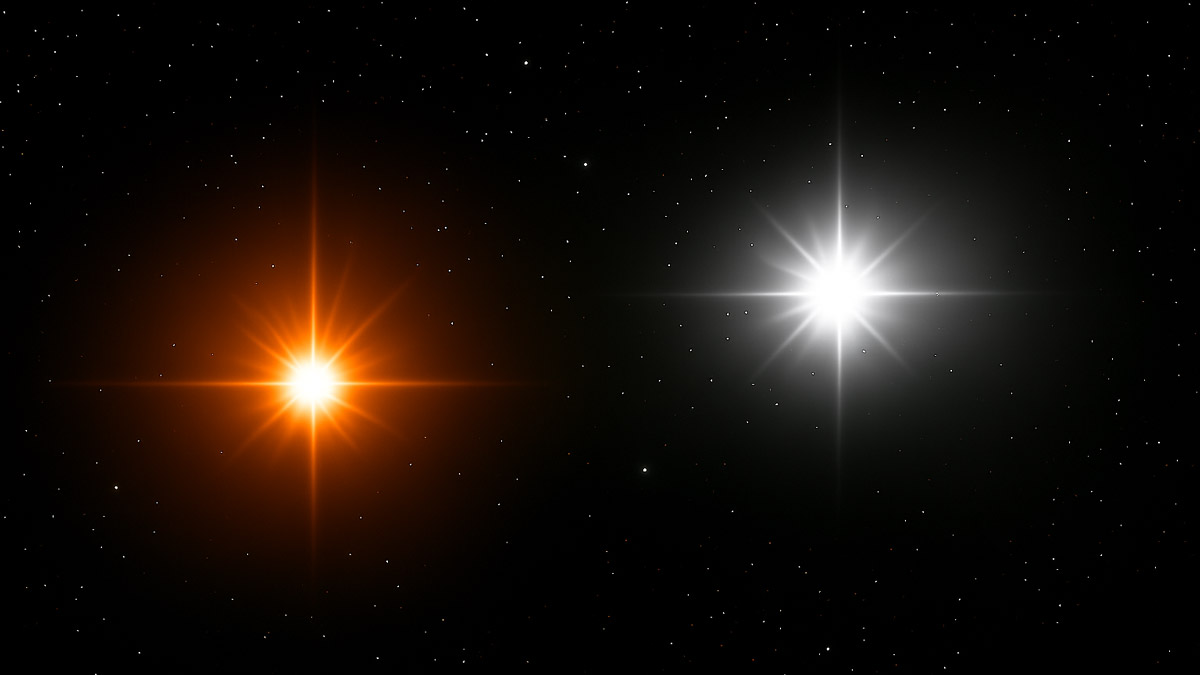
Nestled in the northern constellation of Canes Venatici, Latin for “the Hunting Dogs,” the double star 2 Canum Venaticorum (also known as Struve 1622) offers a captivating sight for those who love double stars. Observers can catch this pair in the northern sky in the spring and early summer months near the more famous constellation Ursa Major. The double star is also known as SAO 44097, 2 CVn, STF 1622, HIP 59827, HD 106690, HR 4666.
Epsilon Hydrae: A Tight Celestial Pair in the Serpent
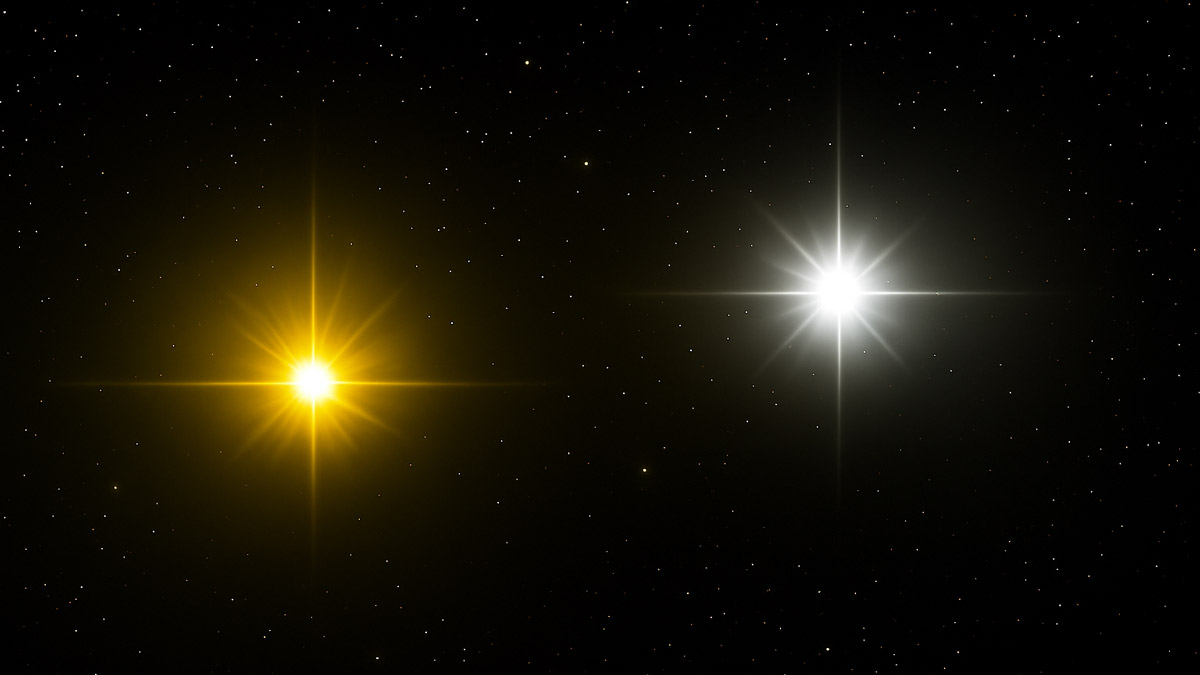
Epsilon Hydrae is a notable binary star system in the constellation Hydra, discovered by Wilhelm Struve in 1825. The primary star orbits a close companion every 15 years, with a further distant companion observed through telescopes. Best viewed in spring, Epsilon Hydrae presents an engaging target for amateur astronomers. Also known as: SAO 117112, Eps Hya, 11 Hydrae, ε Hya, HD 74874, HIP 43109, HR 3482
NGC 2353: Taking a Trip to Avery’s Island, a Star Cluster in Monoceros

The faint winter constellation Monoceros features a nice collection of star clusters and deep sky objects, including the famous Christmas Tree cluster and Avery’s Island, also known as NGC 2353. The cluster features more than 100 stars.
 The Garden Astronomer