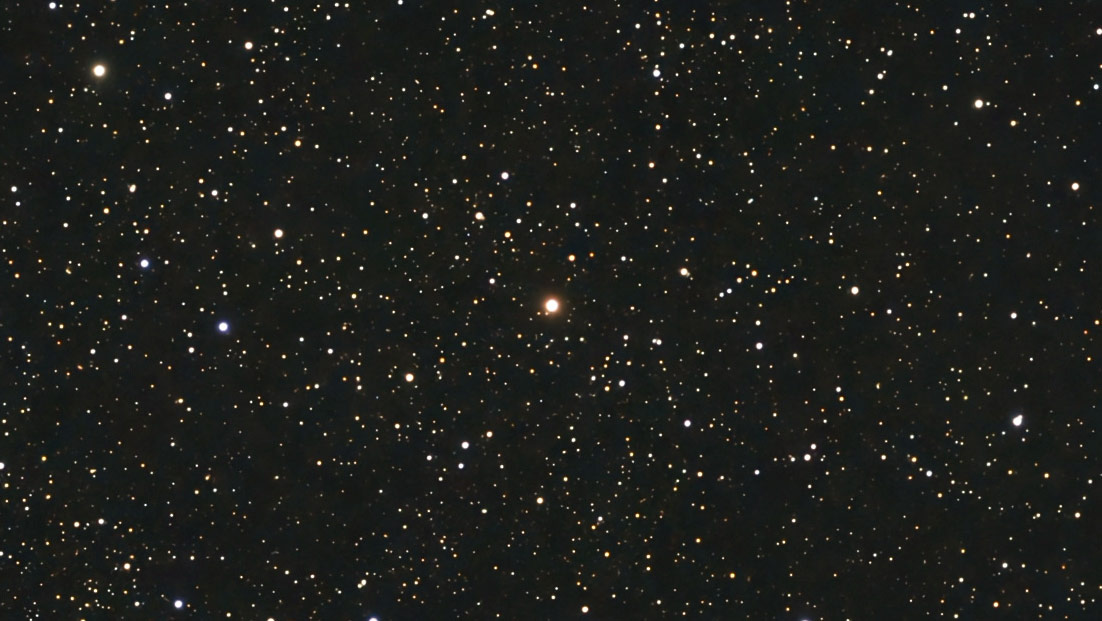
Explore Chi Cygni, a variable red giant in Cygnus whose rhythmic brightening and fading reveal the life cycles of stars. Includes new astrophotography.
Tag Archives: Astronomy
Exploring Black Hole Cygnus X-1 and Its Companion Star

In my article on Cygnus X-1, I cover the black hole and its massive companion star, HDE 226868, along with how they interact through stellar winds. I’ve also included my own photos and clear illustrations to show exactly where the system is located in Cygnus. It’s a mix of science, observation, and practical stargazing guidance.
Struve 730: Double Star in Taurus

Get a close look at STF 730, a nearly equal double star perfect for winter observing. This article includes my own telescope sketch and notes on the subtle color contrast between the faintly blue primary and white secondary. Ideal for double star enthusiasts building their observing lists.
Altair: A Bright, Fast-Spinning Beacon in the Summer Sky
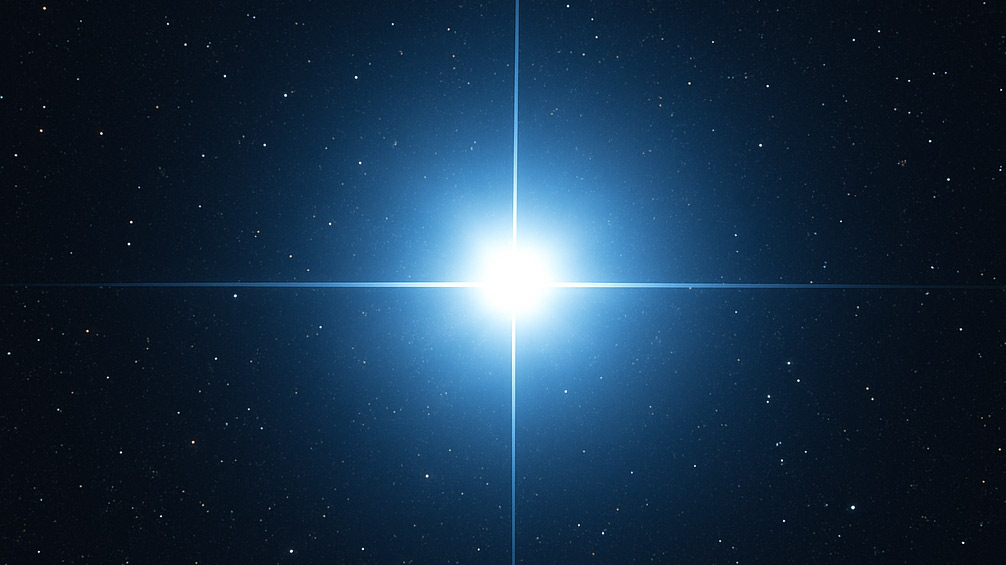
Discover Altair, one of the brightest stars in the Summer Triangle. This blog explores its rapid spin and includes a personal telescope sketch for stargazing enthusiasts.
Antares: Across the Skylines
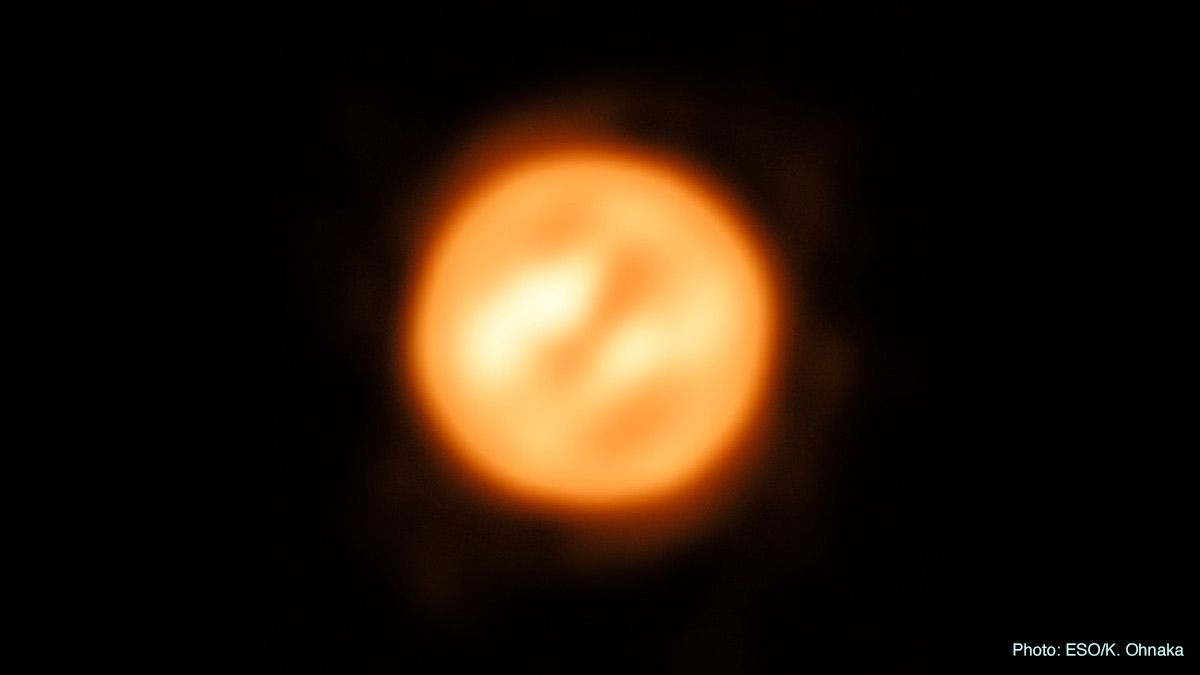
Follow a lifetime of stargazing from Denver to the Gulf Coast, as the red fire of Antares bridges decades of memory, solitude, and celestial wonder.
Ankaa: The Ember in Phoenix
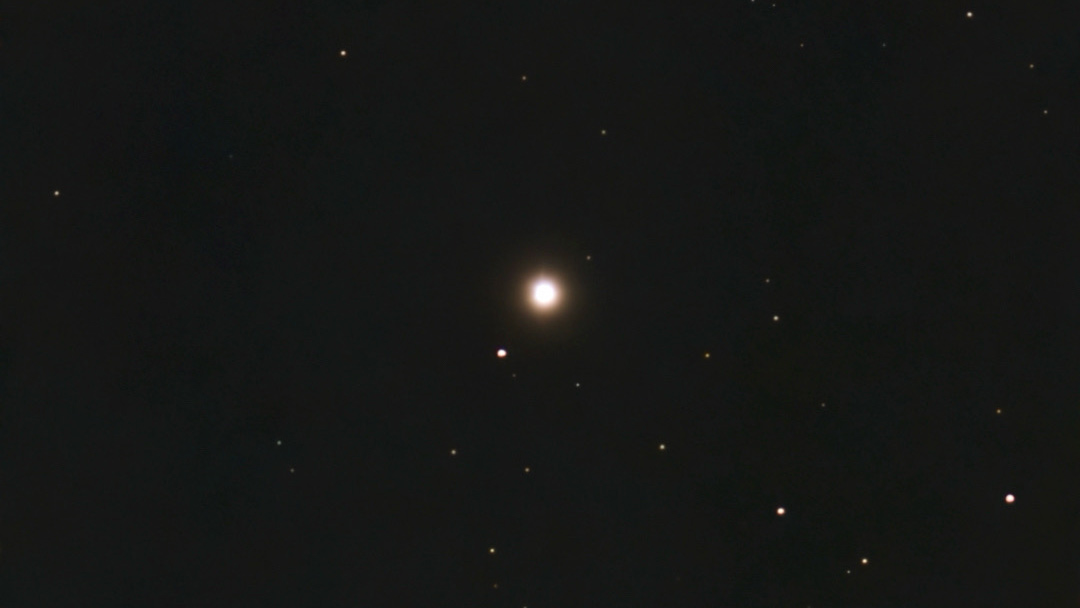
Discover Ankaa, a warm orange giant star in Phoenix. See where to find it, its history, and why it shines as a hidden gem of the southern sky.
Nu Boötis: The Pretty Optical Double Star in Boötes
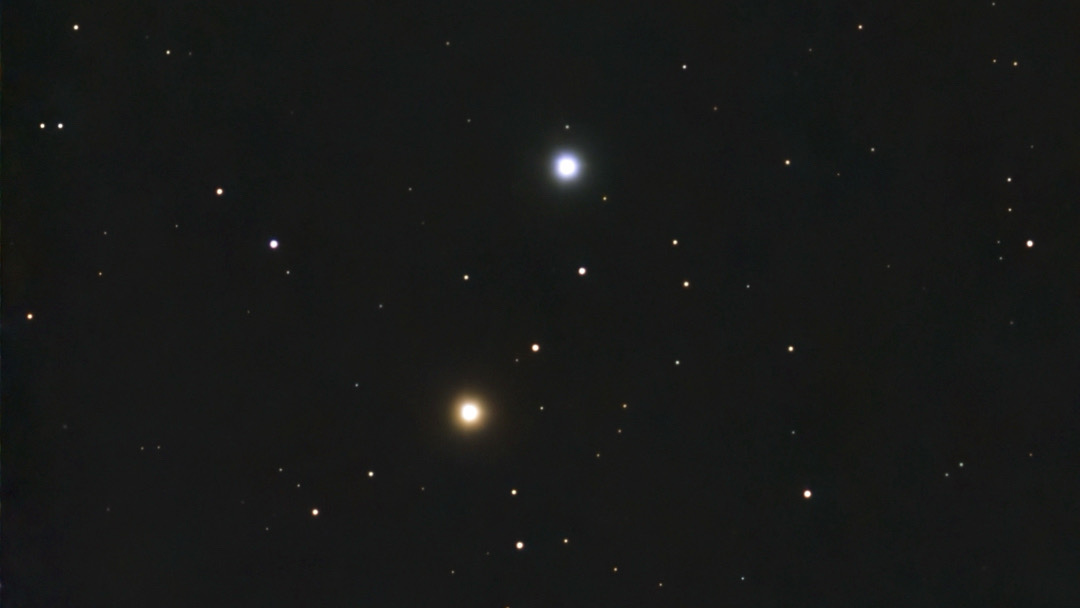
Nu Boötis, also known as Nu-1 and Nu-2 Boötis, is a striking optical double star in the constellation Boötes. This colorful star pair, visible in binoculars and small telescopes, delights stargazers with its contrasting magnitudes and beauty in spring and summer skies.
Fomalhaut: The Lonely Star of Autumn Skies
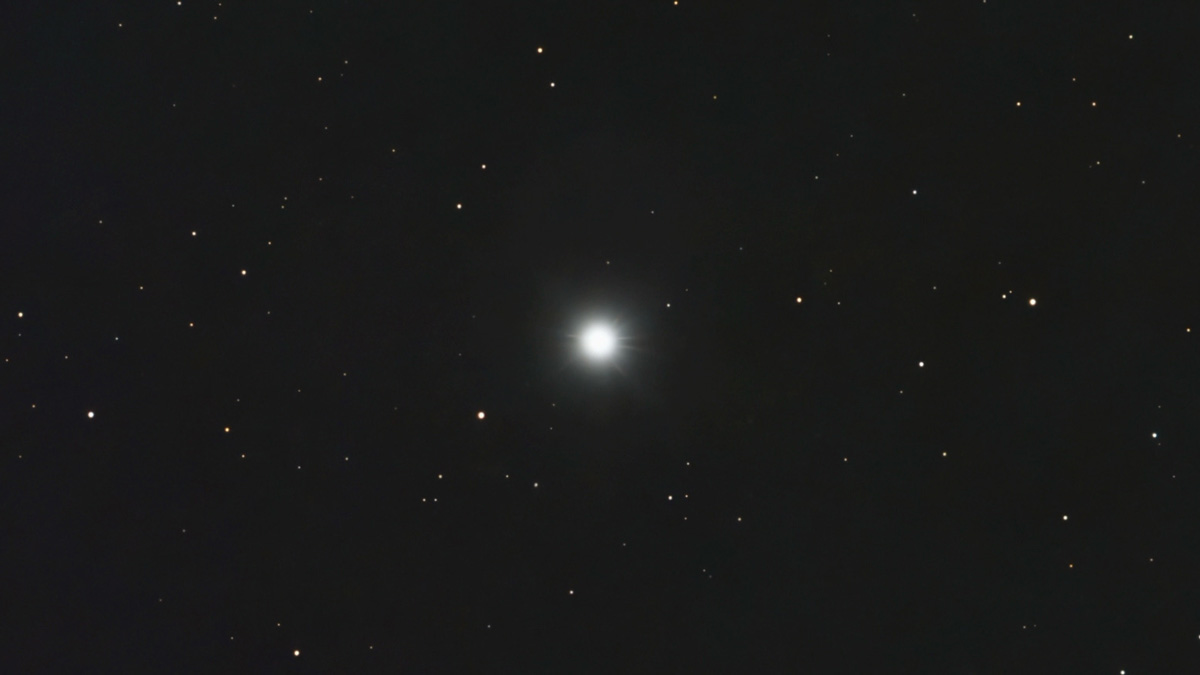
Learn how to find Fomalhaut, the Lonely Star of Autumn, and uncover its planetary disk and astronomy details for stargazers.
 The Garden Astronomer