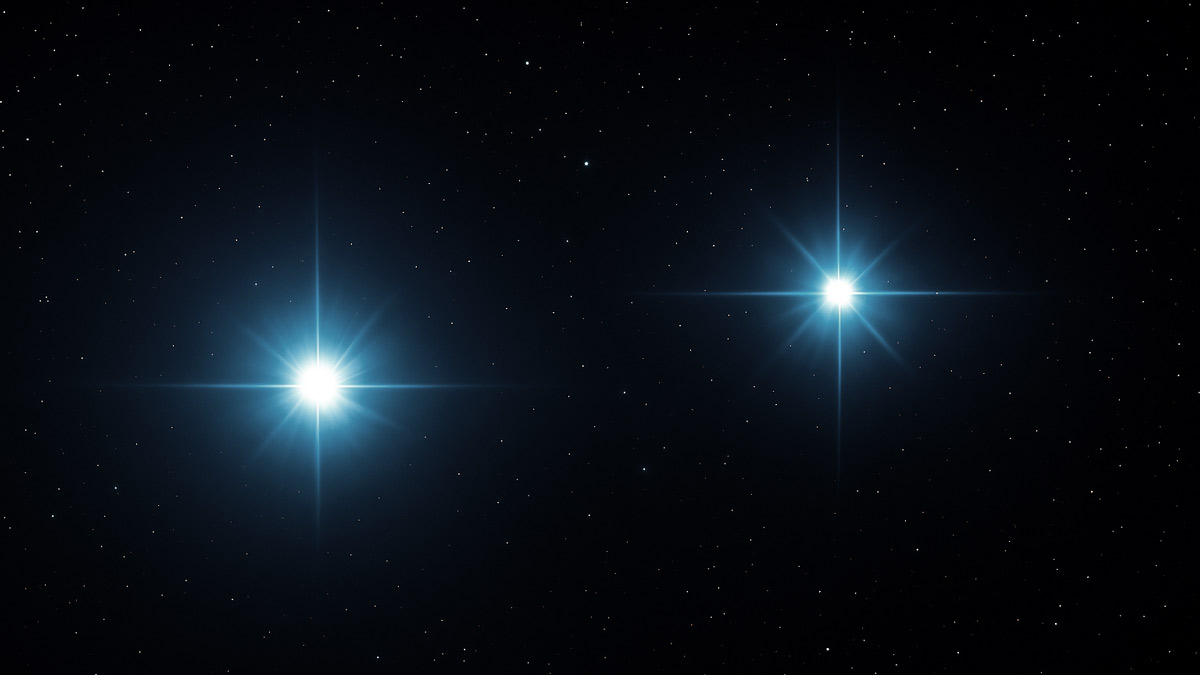
Tucked away in the Eagle’s wing, 57 Aquilae shines as a quiet pair of stellar companions. I spent some time at the eyepiece with this beautiful double star—here’s what I saw and why it left an impression.
Tag Archives: Astronomy
Messier 80 (NGC 6093): A Stellar Beehive in Scorpius
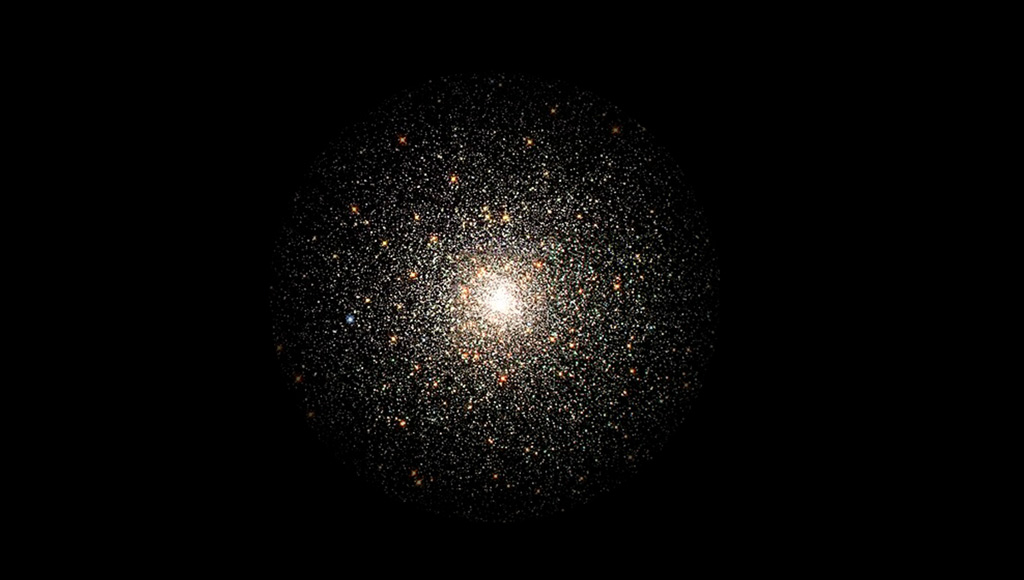
Discover the beauty of Messier 80, a dense globular cluster near the Milky Way’s center, perfect for stargazers and amateur astronomers. Learn and see how M80 is viewed through a visual and electronic telescope such as Seestar S50.
Caldwell 56: The Haunting Skull Nebula in Cetus
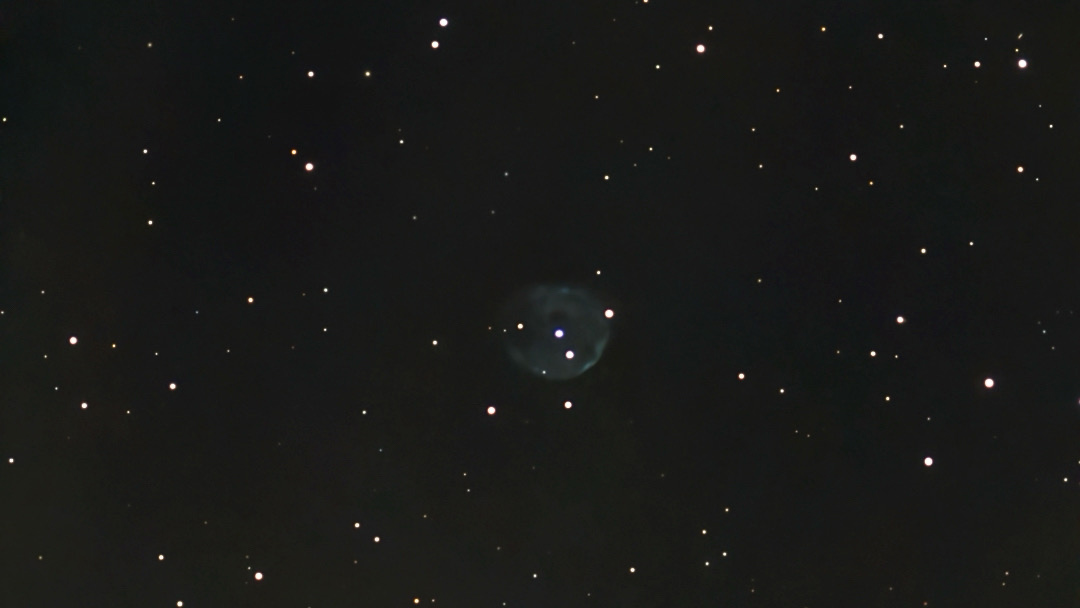
The Skull Nebula, known as NGC 246 or Caldwell 56, resides in the constellation Cetus. Discovered by William Herschel in 1785, the planetary resembles a human skull due to gas distribution. It features a white dwarf and two companion stars. Though challenging to observe, it captivates astronomers, symbolizing change and the cosmos’ enduring nature.
Gomeisa: The Shining Blue Jewel of Canis Minor
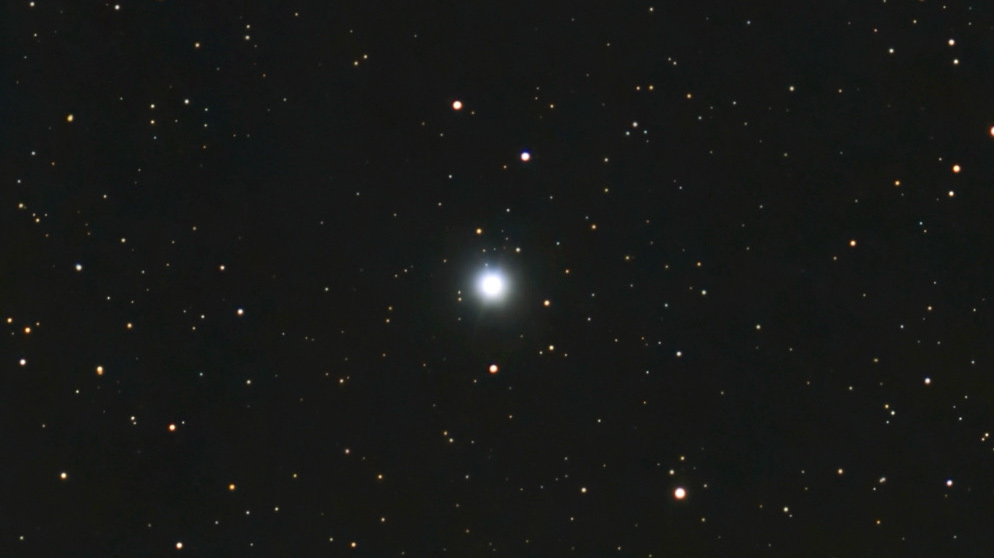
Gomeisa, or Beta Canis Minoris, is a striking blue-white B-type star located 170 light-years from Earth in Canis Minor. With a surface temperature over 11,000 Kelvin and a brightness of magnitude 2.9, it stands out near Procyon. Its rapid rotation and classification as a variable star add to its intrigue for astronomers.
HD 39881 (S 503): A Wide Double Star in Orion
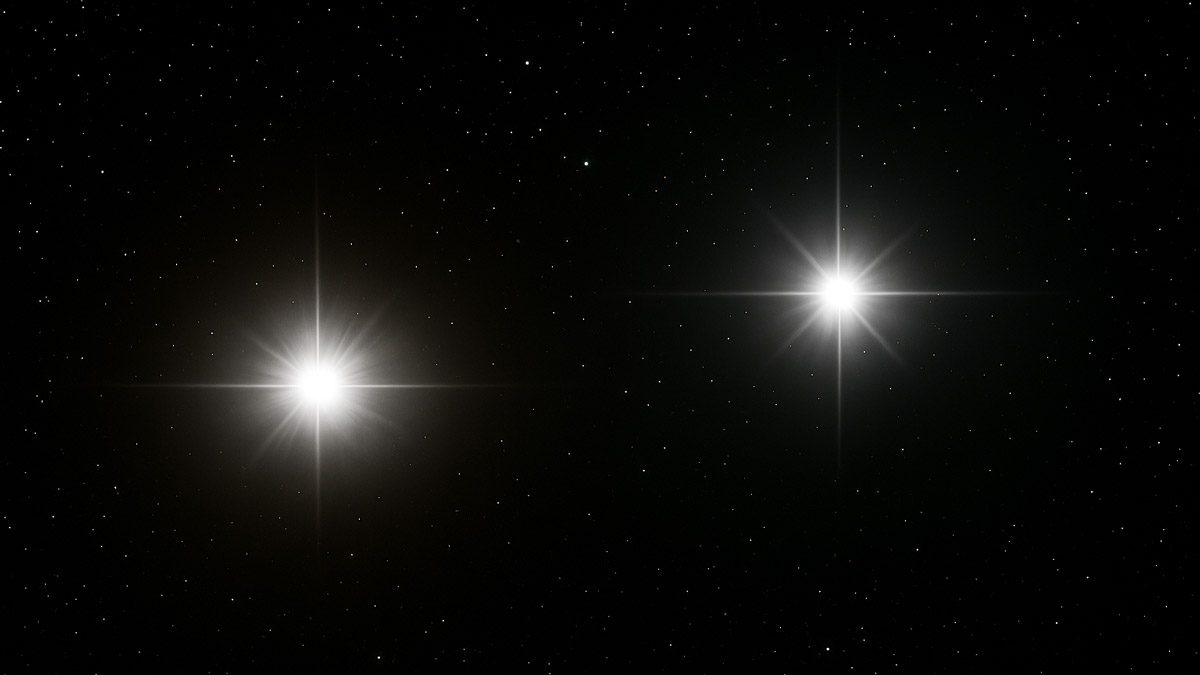
Orion is a prominent winter constellation known for its bright stars, including Betelgeuse and the Orion Nebula, as well as double stars like S 503. This system, consisting of components A and B, offers viewing opportunities with binoculars and telescopes. Recent observations highlighted their visibility despite fading dawn light. Also known as SAO 95004, HD 39881, HR 2067, HIP 28066, BD+13 1036, GC 7469, 0728-03142-1
Zeta Ophiuchi: The Runaway Star with a Turbulent Past
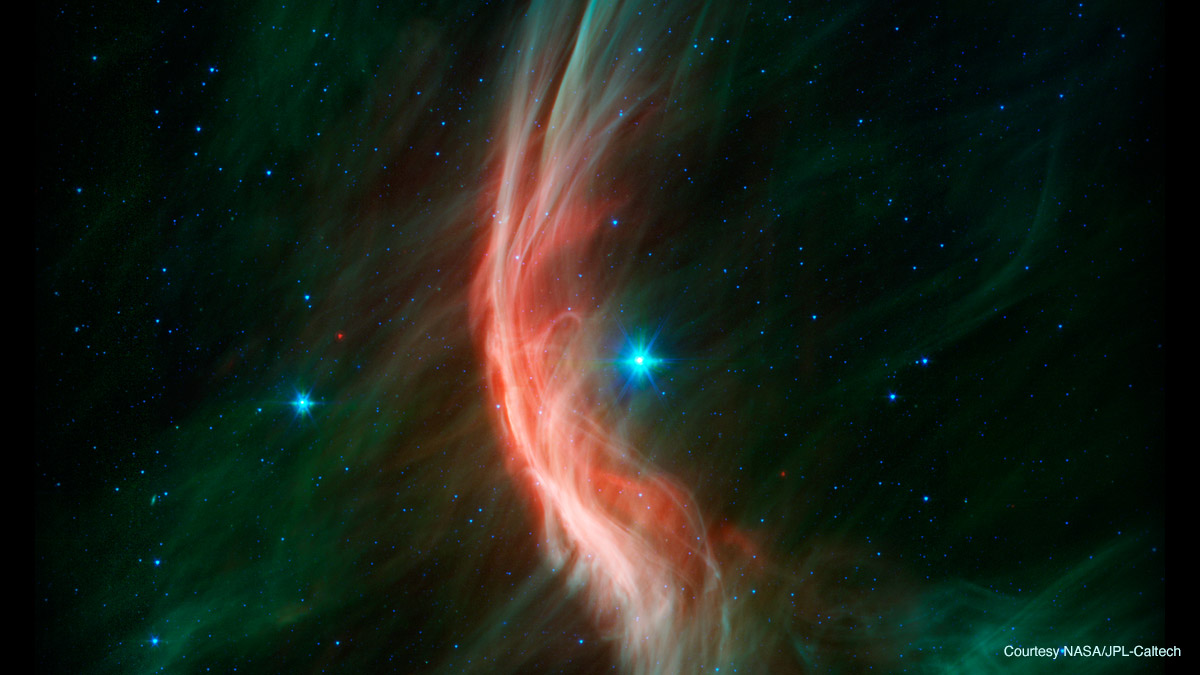
Zeta Ophiuchi, a brilliant blue giant star in the constellation Ophiuchus, is known as the “runaway star” due to its high-speed movement through space. This motion, caused by a past supernova explosion of its companion star, creates a captivating bow shock. Despite its luminosity, interstellar dust obscures its brilliance from casual observers.
From Park Bench to Stardust: Spotting Comet Hale‑Bopp in 1997
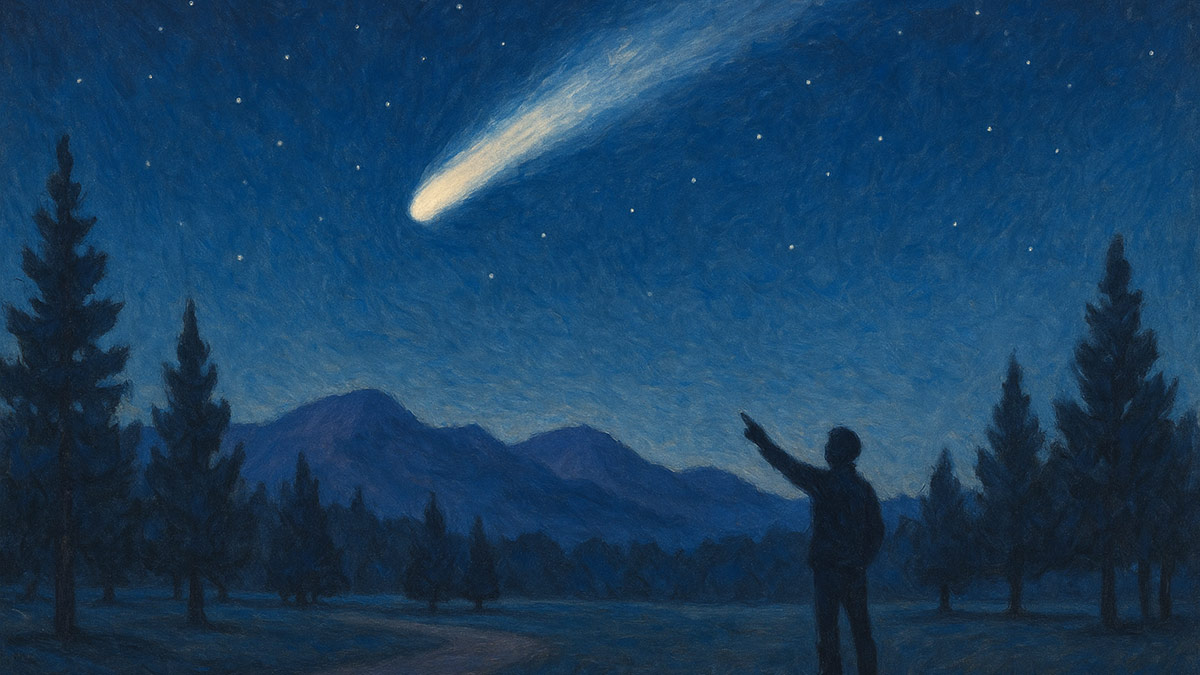
Relive the magic of Comet Hale-Bopp. A personal reflection on a lifetime of observing, from a 1997 park bench to a lifelong journey through the stars.
Eta Boötis (Muphrid): The Double Star Neighbor Beside Arcturus
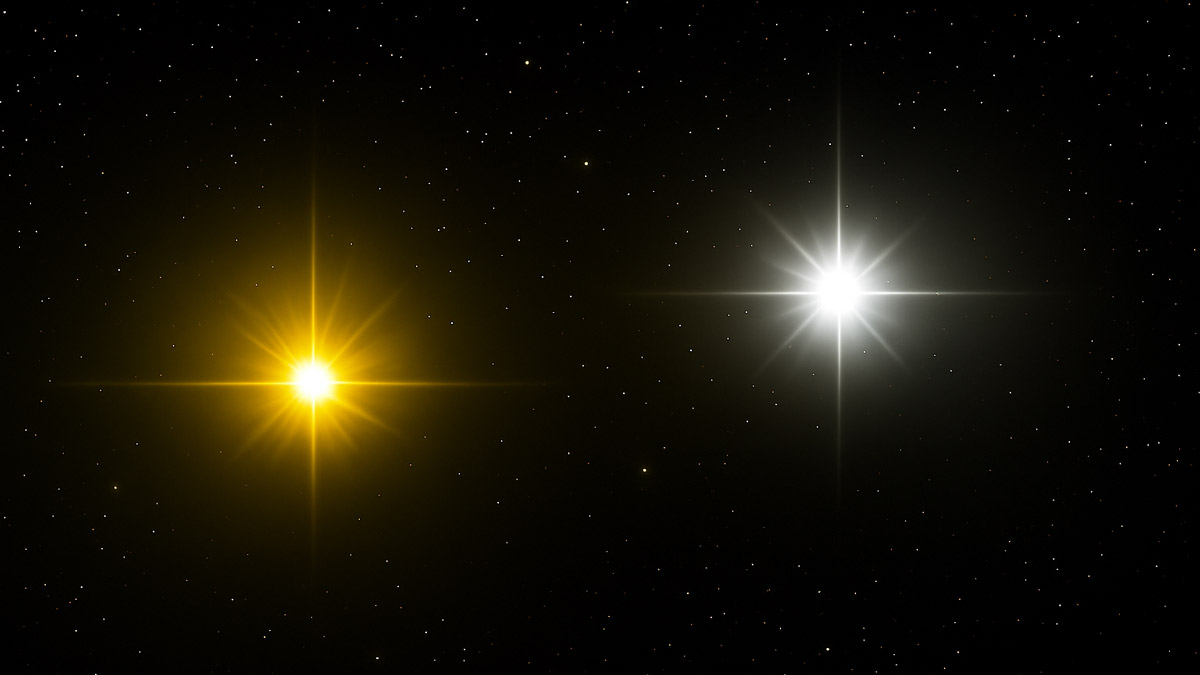
Eta Boötis, known as Muphrid, is a subgiant star roughly 37 light-years from Earth, overshadowed by the brighter Arcturus. Muphrid shines with a magnitude of 2.7 and is accompanied by a fainter companion star. Observations reveal challenges in identifying its companions, highlighting its unique charm in the spring sky. η Boötis, HR 5235, HD 121370, HIP 67848, SAO 100766, BD+18°2759, SHJ 169
 The Garden Astronomer