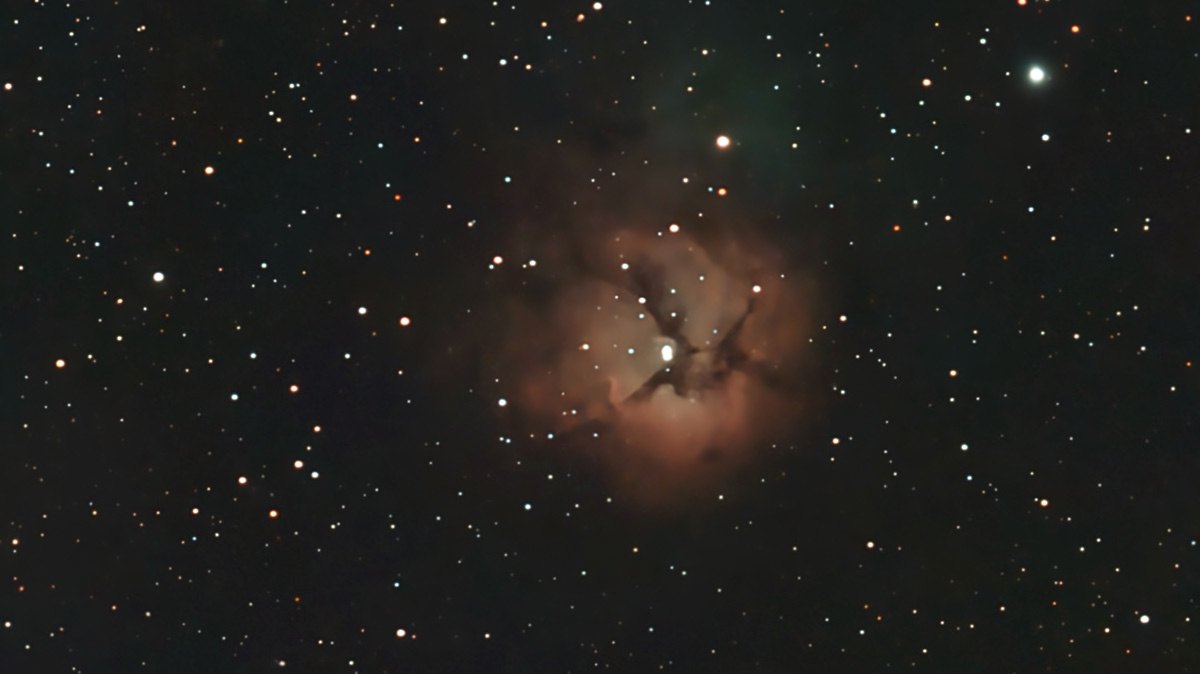
The Trifid Nebula, located in Sagittarius, is best viewed during summer months from June to August. Discovered by Charles Messier in 1764, it serves as a stellar nursery, approximately 5,200 light-years away. Modern telescopes have uncovered hidden stars and complex structures, making it a remarkable subject for backyard astronomers.
Tag Archives: Astronomy
IC 4756: Graff’s Cluster in Serpens

Explore IC 4756, a bright open cluster in Serpens visible in summer skies. A beautiful binocular target amid rich star fields and nearby clusters.
Iota Cassiopeiae: An Unforgettable Triple
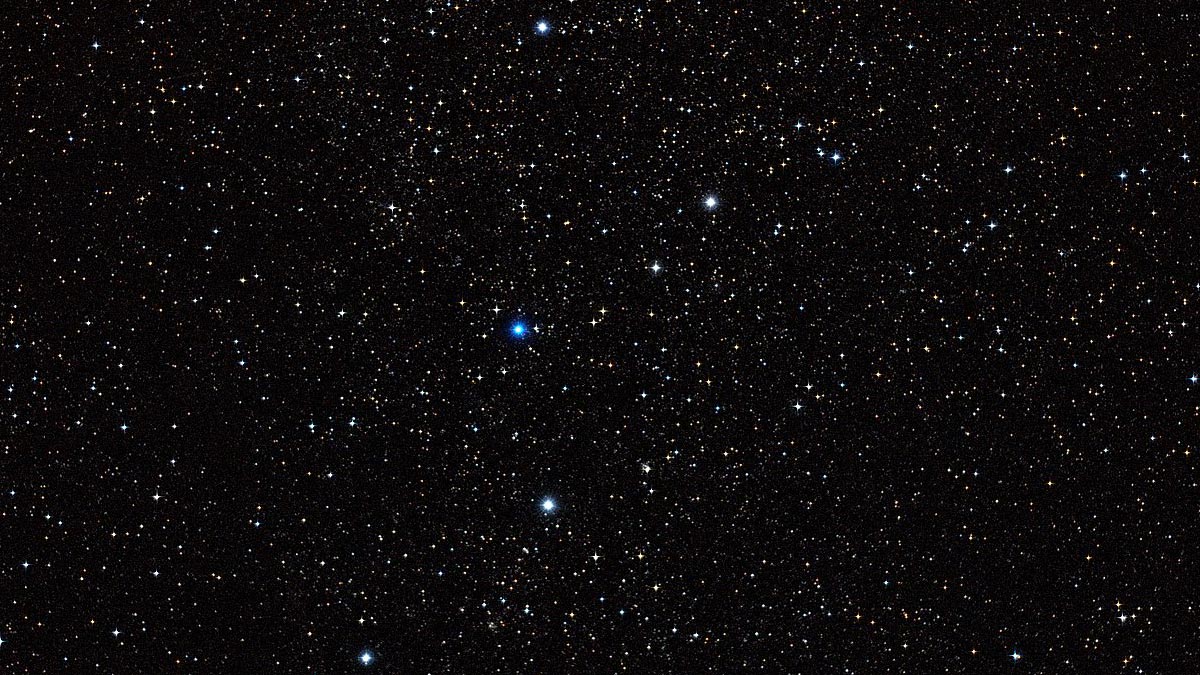
Discover Iota Cassiopeiae, a triple star system hidden in Cassiopeia’s “W.” Through a telescope, it reveals a stunning trio of diamond-like stars.
The Horsehead Nebula (IC 434): A Shadow in the Stars
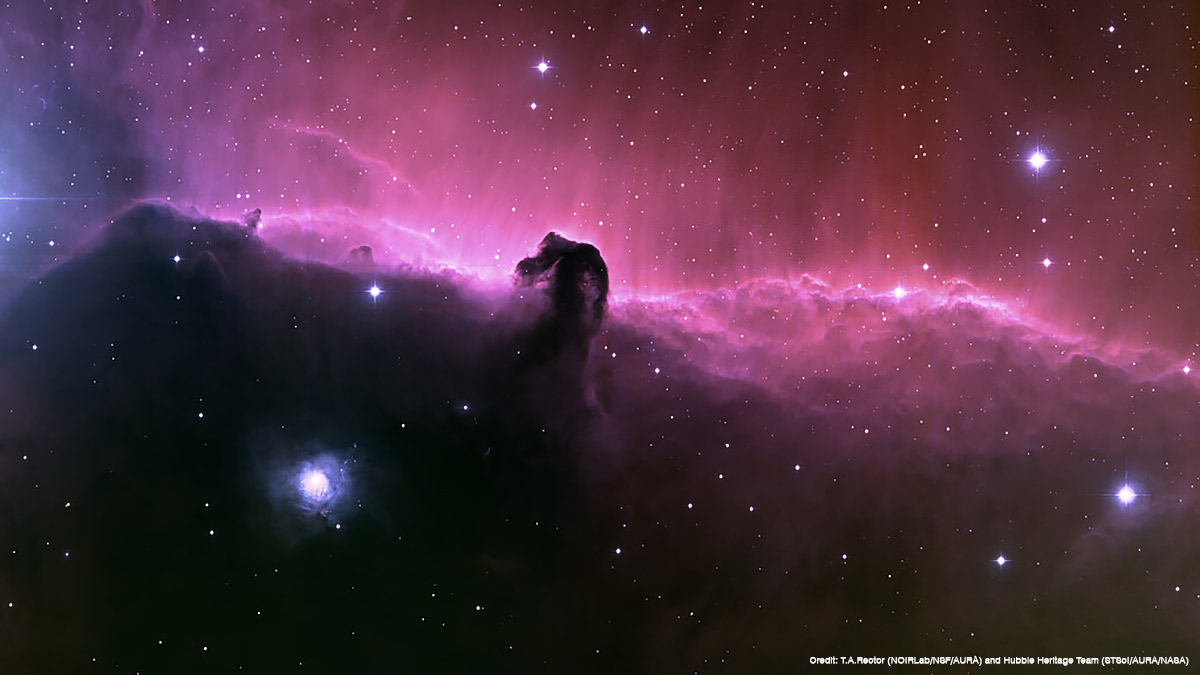
The Horsehead Nebula, located in Orion, is recognized for its iconic silhouette but is faint and challenging to observe. First discovered in 1888 by Williamina Fleming, it is a stellar nursery contributing to star formation. Ideal viewing occurs between December and March, away from city lights using larger telescopes.
Messier 21 (NGC 6531): A Compact Open Cluster in Sagittarius
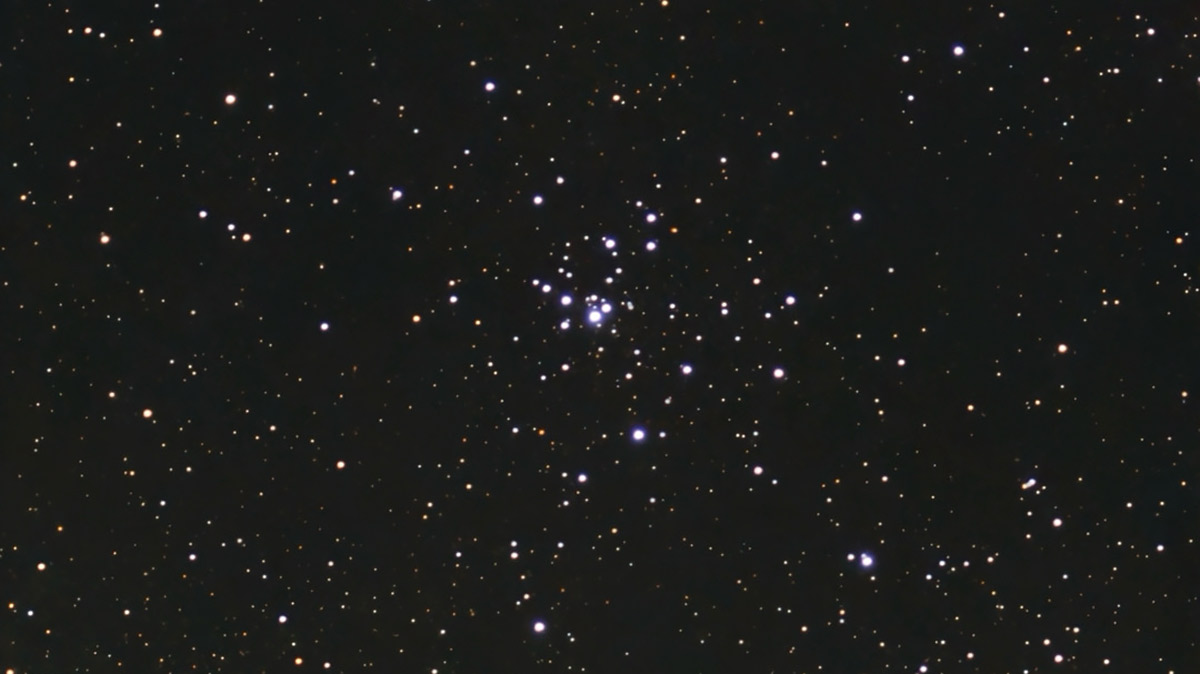
Messier 21, discovered by Charles Messier in 1764, is a compact open star cluster in Sagittarius. At approximately 3,900 light-years away, it contains 57 stars and offers a unique beauty, especially when viewed with binoculars or a telescope. It resides near the Trifid Nebula, making it a notable observation destination.
Messier 100 (NGC 4321): A Grand Design Spiral in Coma Berenices
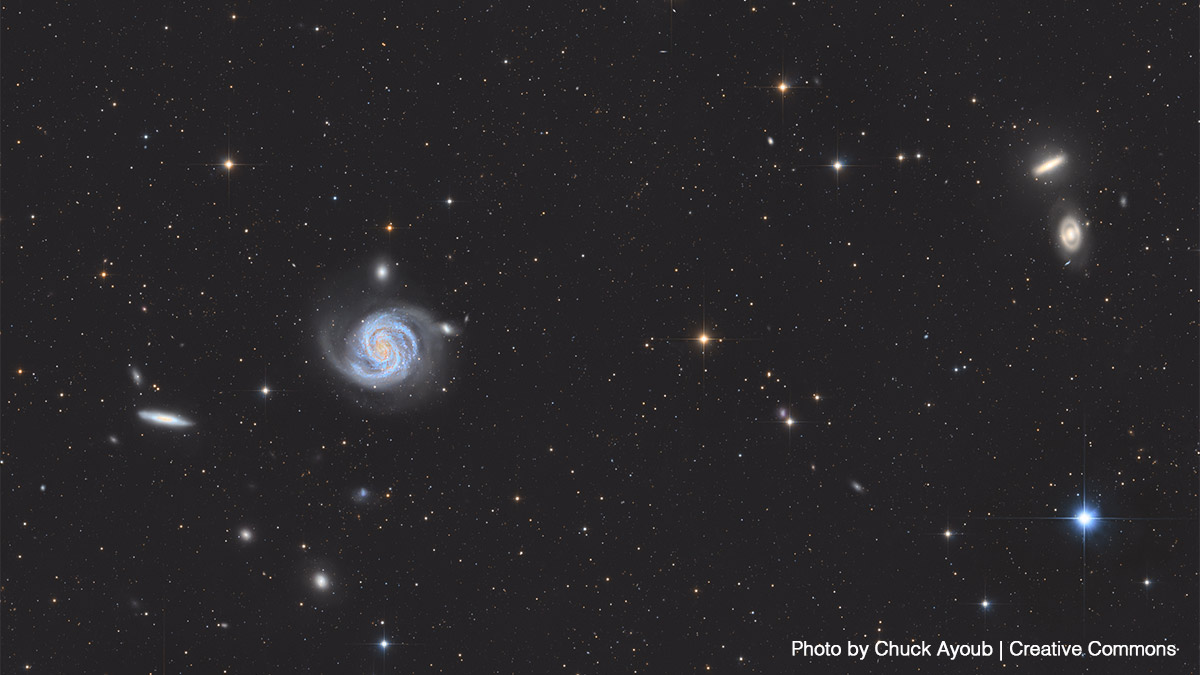
Messier 100 (M100) is a grand design spiral galaxy located 55 million light-years away in Coma Berenices. Discovered by Pierre Méchain in 1781, it features symmetrical arms with vibrant star-forming regions. M100 is both visually striking and dynamic, making it a favorite for amateur astronomers. This post provides history and personal observations using a Seestar S50. Also known as NGC 4321, UGC 7450, PGC 40153.
Messier 7 (NGC 6475): Ptolemy’s Ancient Cluster Still Shines Bright

Messier 7, or Ptolemy’s Cluster, is a prominent star cluster located in the Scorpius constellation, first recorded by Claudius Ptolemy in 130 AD. This open cluster, visible to the naked eye, contains 80 stars and spans 25 light years. It symbolizes the lasting human fascination with astronomy and the cosmos.
Learn more about the cluster, including a personal observation from Wayne McGraw and photo using a Seestar S50 under suburban skies in Florida.
The Coathanger Asterism: A Cosmic Clothes Hanger in the Summer Sky
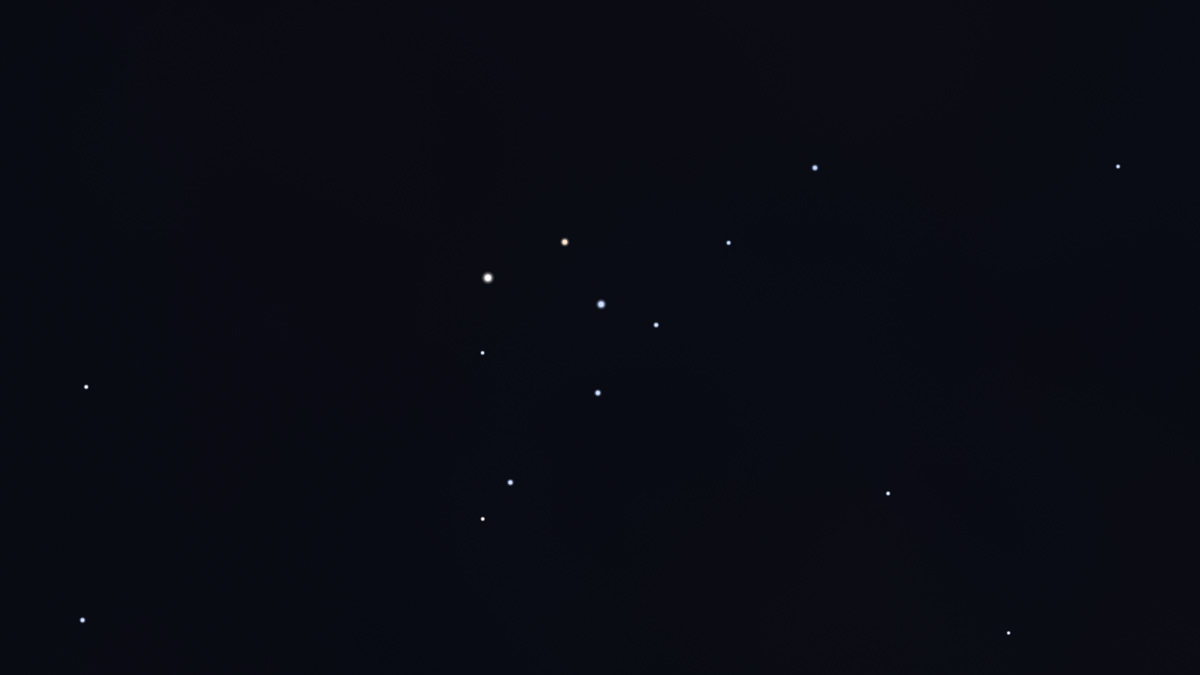
The Coathanger asterism, located in the constellation Vulpecula, is a distinctive pattern of ten stars resembling an old wire hanger. Initially described by Al Sufi in the 10th century, it’s not a true star cluster but an asterism. Ideal for binocular viewing, it’s perfect for casual stargazers. Also known as Brocchi’s Cluster and cataloged as Collinder 399.
 The Garden Astronomer