
The author shares about seeing the dwarf planet Pluto from Tampa, Florida using a Seestar S50. Photos of the planet are included.
Tag Archives: Astronomy
Xi Serpentis (Nehushtan): A Triple Star in Serpens

Nehushtan, or Xi Serpentis, is a triple star system in the Serpens constellation, 105 light-years away. It will approach within 27 light-years in about 700,000 years. Named after a biblical idol, it showcases the intertwining of astronomy and faith. Observations highlight its brightness and challenging visibility of companions. Also known as 55 Ser, Xi Ser, SAO 160700, HD 159876, HIP 86263, HR 6561, GC 23881
Beta Serpentis: Binary Star and Traveler in the Ursa Major Group
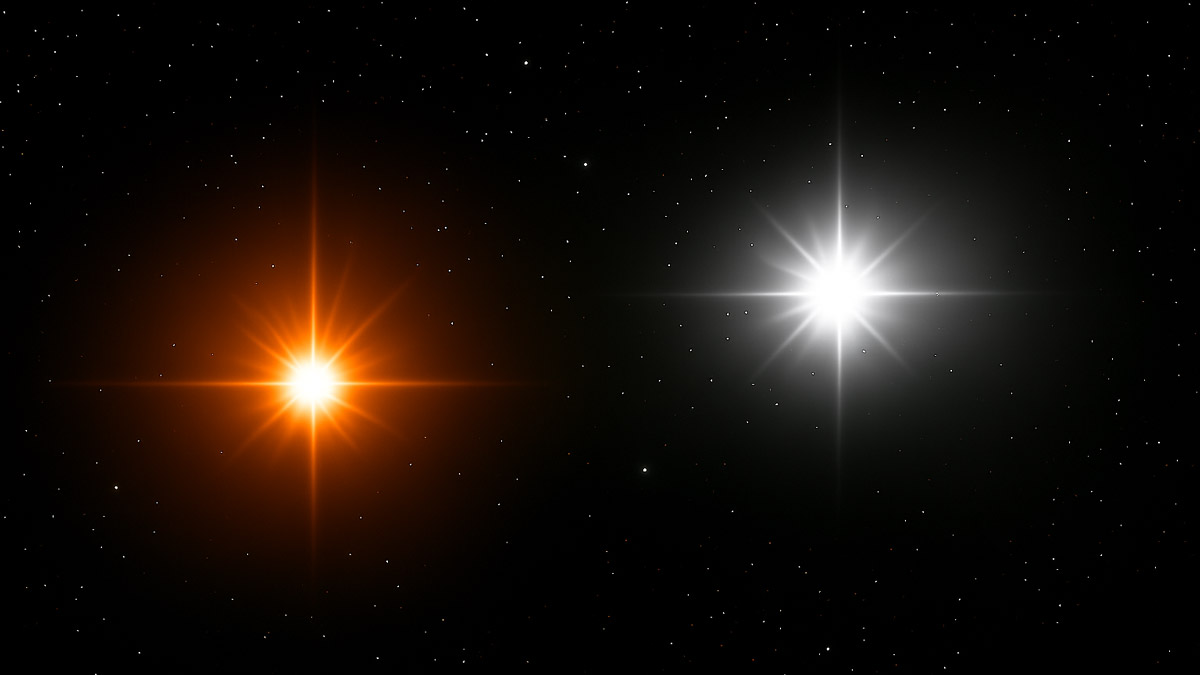
Beta Serpentis is a binary star in the summer constellation Serpens. Of note, the pair also belong to the Ursa Major Moving Group.
Zeta Aquarii (Struve 2909): A Tight Binary Near the Water Bearer’s Shoulder
Zeta Aquarii, a binary star system in Aquarius, is about 92 light-years away. First identified by William Herschel in 1777, it appears as a single point to the naked eye. Both stars are similar F-type main-sequence stars, orbiting each other every 587 years, exhibiting complexity beneath their apparent simplicity. This post explores the star and illustrates what it looks like in the telescope. Also known as: STF 2909, SAO 146108, HIP 110960, GC 31398, HR 8558, Zet1 Aqr, 55 Aquarii, HD 213052, 55 Aqr
Struve 1850: A Wide Binary Star in Boötes
Struve 1850, a binary star system in the Boötes constellation, consists of two nearly identical A1V stars, easily observable with binoculars or small telescopes. Discovered by Friedrich Struve in 1823, they are over 800 light-years away. Their similar luminosity and proximity make them delightful targets for amateur astronomers. Also known as: STF 1850, HD 127067, SAO 83374, HIP 70786, HR 5414
Beta Draconis (Rastaban): The Dragon’s Eye
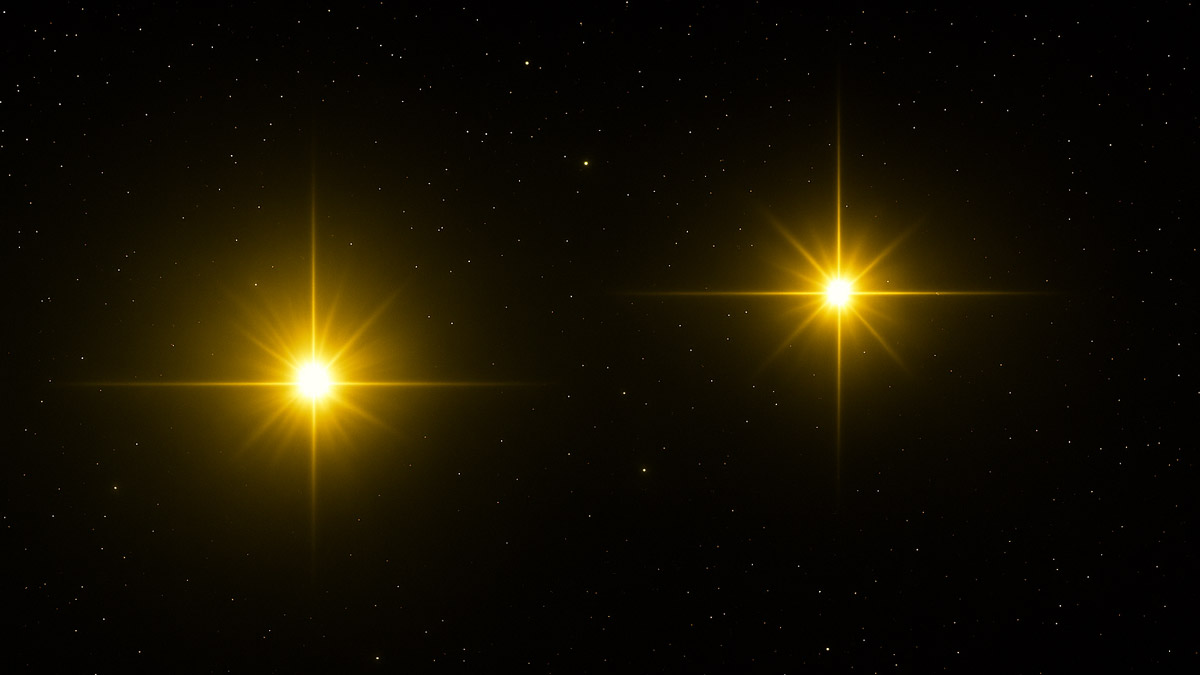
Beta Draconis, or Rastaban, is a prominent star in the constellation Draco, with an apparent magnitude of 2.8. This golden giant, situated 380 light-years away, is part of a binary system. Despite its brilliance, its companion is a dimmer star, visible only under optimal conditions. Also known as Bet Dra, Rastaben, Alwaid, Asuia, SAO 30429, HD 159181, 23 Dra, β Dra, 23 Draconis, HIP 85670, HR 6536, BU 1090
Mu Scorpii: A Pleasant Blue Visual Pair of Stars in Scorpius

Mu Scorpii, located in the tail of the Scorpion constellation, comprises two stars, Mu1 and Mu2, which appear close but are at different distances. Mu1 is a binary star system, while Mu2 is less luminous. Observations reveal the beauty of this pair, easily visible with binoculars, reminding us of the wonders of stargazing.
NGC 7006: The Ancient Lantern at the Rim of the Galaxy

NGC 7006, an elusive globular cluster located 135,000 light-years away in the constellation Delphinus, offers a unique challenge for amateur astronomers. Its faint visual magnitude of 10.6 makes it hard to detect, revealing a compact cluster over time through powerful telescopes. Observing it connects viewers with distant cosmic history. Also known as Caldwell 42.
 The Garden Astronomer