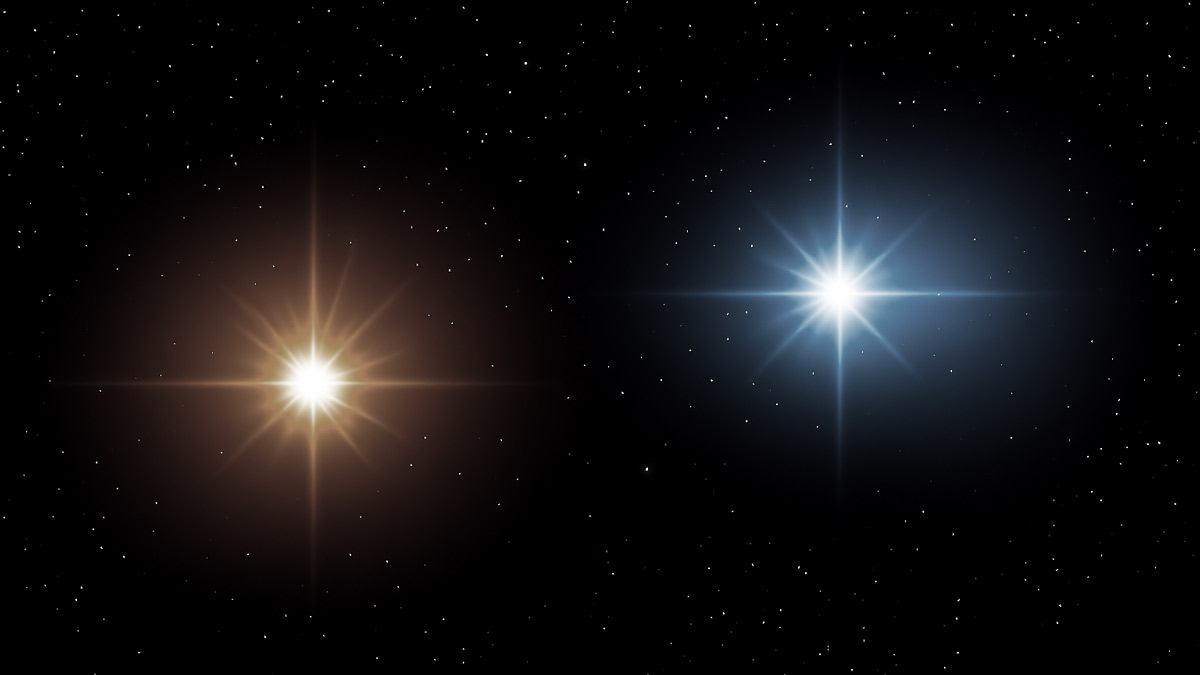
Sagitta, a small constellation between Aquila and Vulpecula, features Zeta Sagittae, a fascinating triple star system. The brighter component, Zeta Sagittae A, shines at magnitude 5, while its companion, Zeta Sagittae B, is fainter at magnitude 9. Located near Altair, this hidden treasure is worth observing with a telescope. Also known as STF 2585, SAO 105298, 8 Sagittae, HR 7546, HIP 97496, HD 187362
Tag Archives: Astronomy
Struve 2155: A Subtle Colorful Binary in Draco
The constellation Draco features the double star Struve 2155, a notable yet subtle binary system situated about 600 light-years away. Comprising a bright yellow giant and a dimmer blue companion, this pairing offers a unique visual experience. Observers can appreciate the contrast and beauty of this hidden gem during summer evenings. Also known as: SAO 17410, HIP 84465, HD 156890, 4198-01479-1, BD+60 1742
RY Draconis: One of Draco’s Crimson Carbon Stars
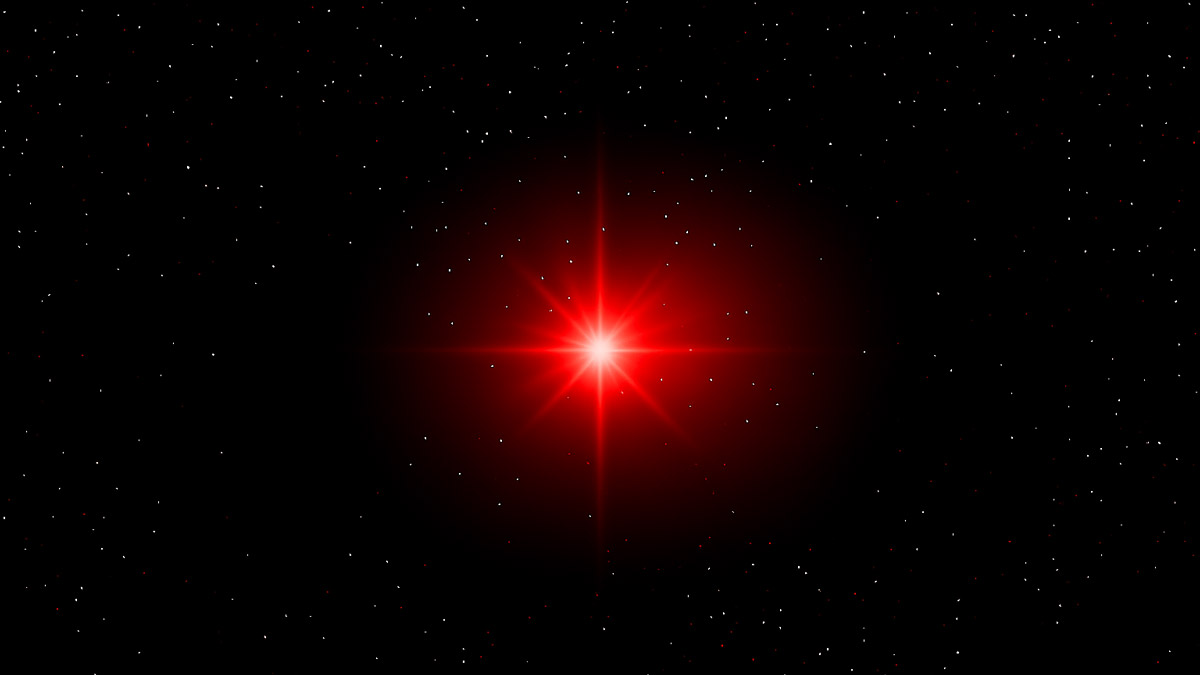
RY Draconis (RY Dra) is a carbon star in the Draco constellation, noted for its rich red hue and unique atmospheric processes. This variable star’s brightness fluctuates between magnitudes 6.0 and 8.0. It is best observed near Kappa Draconis, visible year-round from northern latitudes, making it a popular target for astronomers.
Struve 2793: A Serene Double Star in Equuleus
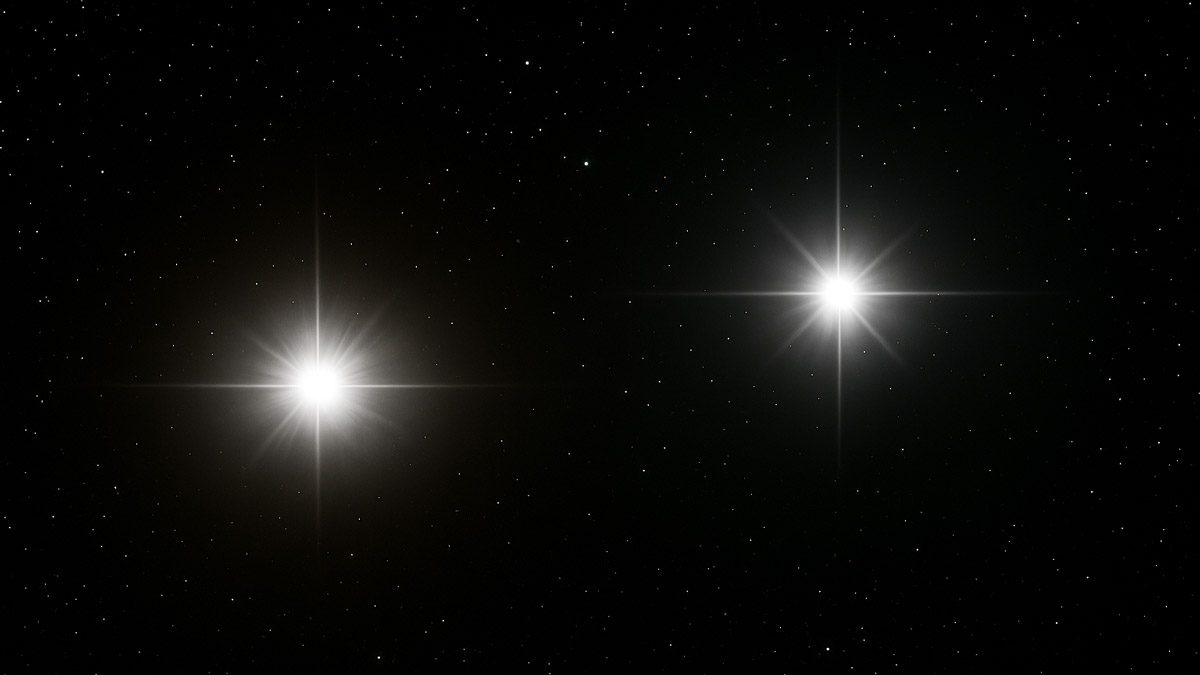
The constellation Equuleus, known as the Little Horse, features the intriguing triple star system Struve 2793, discovered by Friedrich Georg Wilhelm von Struve in 1827. Despite its faintness, the system includes a bright primary star and a distant companion, offering rewarding views for patient astronomers during summer and early autumn.
Also cataloged as SAO 126783, HD 203943, HIP 105743, and STF 2793
August Nights Under the Perseid Meteor Shower
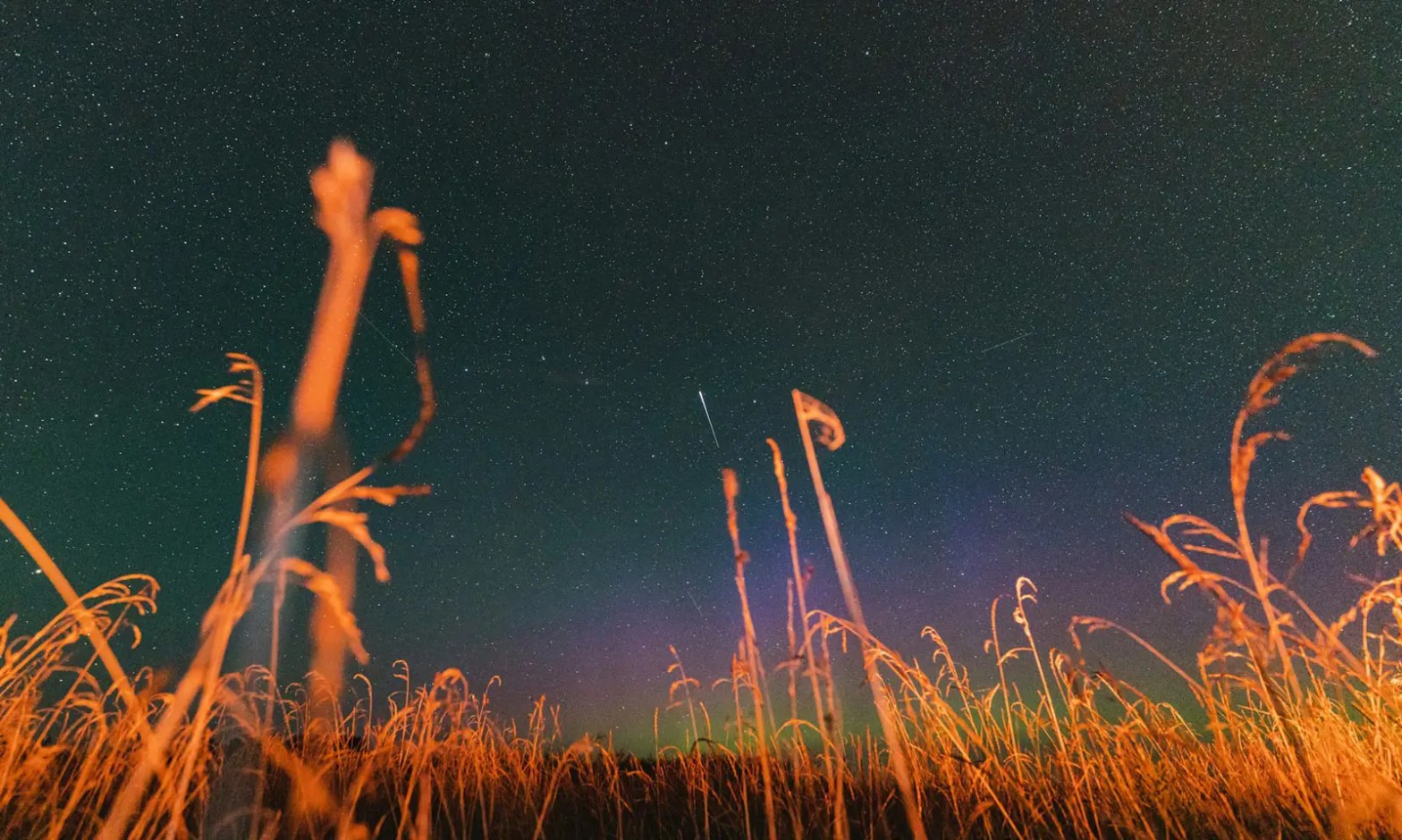
Childhood memories and ancient starlight meet under the vast Colorado sky.
61 Ophiuchi: A Nicely Resolvable Binary Star in Ophiuchus
The constellation Ophiuchus features the binary star 61 Ophiuchi, a bright pair visible through small telescopes. Discovered by Herschel in 1781, it is cataloged as STF 2202. The stars, classified as hot and white, exhibit an angular separation of 20.7 arcseconds, making them accessible and visually appealing to amateur astronomers. Also known as 61 Oph, Struve 2202, STF 2202, SAO 122690, HD 161270, HR 6609, HIP 86831
Lenses of Legacy: Great Telescopes that Opened Our Eyes to the Heavens
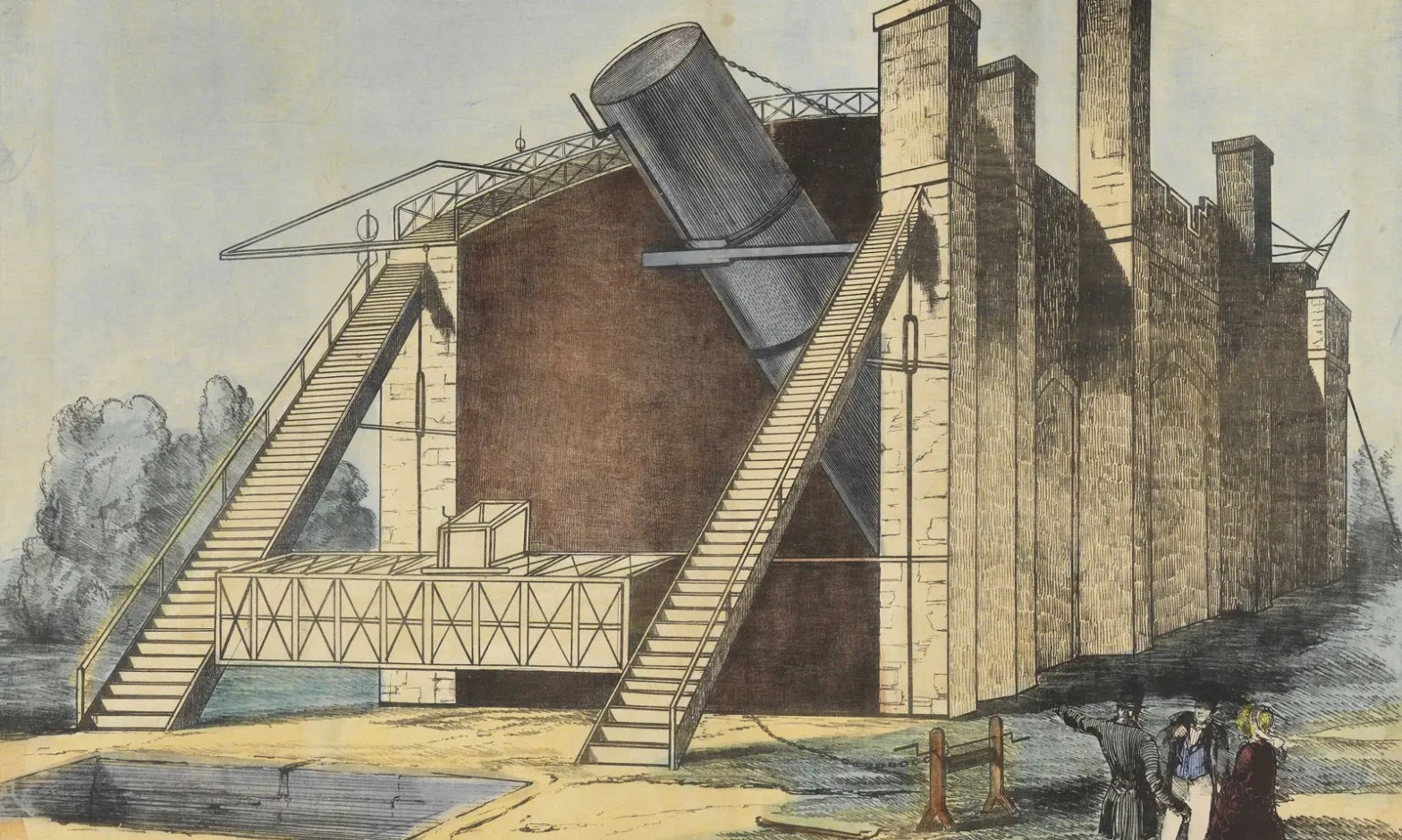
Follow a lifetime of stargazing through ten historic telescopes, from Galileo’s first refractor to the Hale, that reshaped our vision of the universe.
NGC 253: A Starburst Galaxy in Sculptor
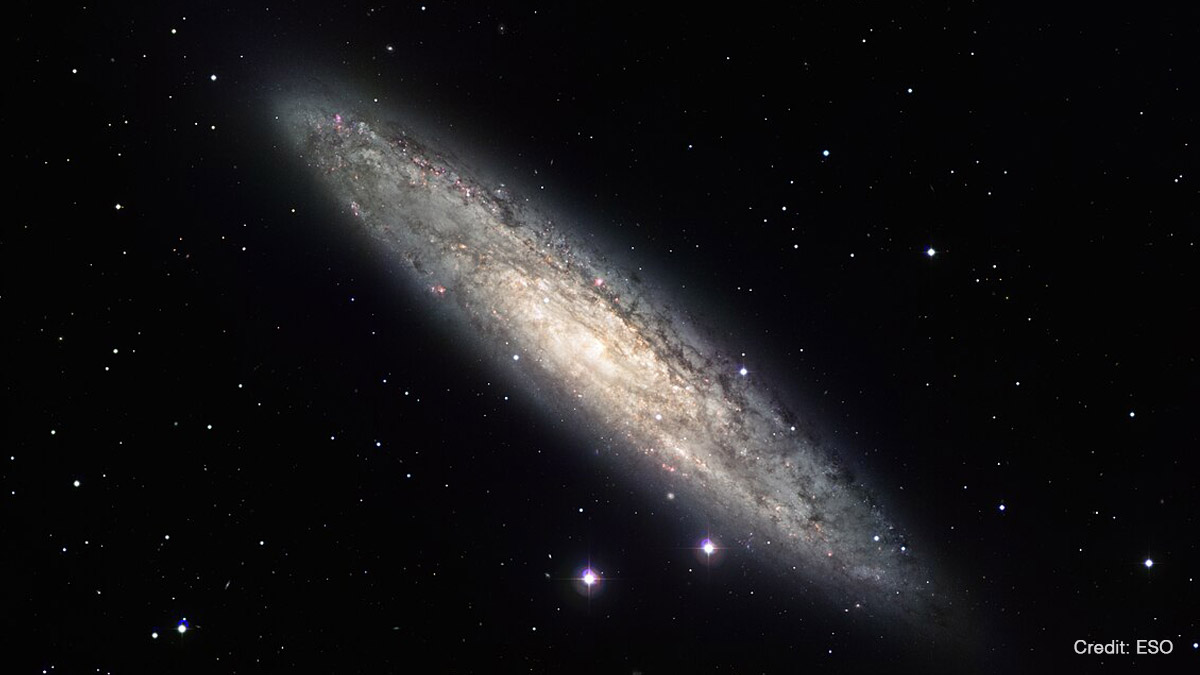
The Silver Coin Galaxy, or NGC 253, located 11.4 million light-years away in the constellation Sculptor, is a prominent starburst galaxy notable for its intense star formation. Discovered by Caroline Herschel in 1783, it captivates astronomers and stargazers alike, showcasing dynamic stellar activity and vibrant colors through advanced imaging techniques.
 The Garden Astronomer