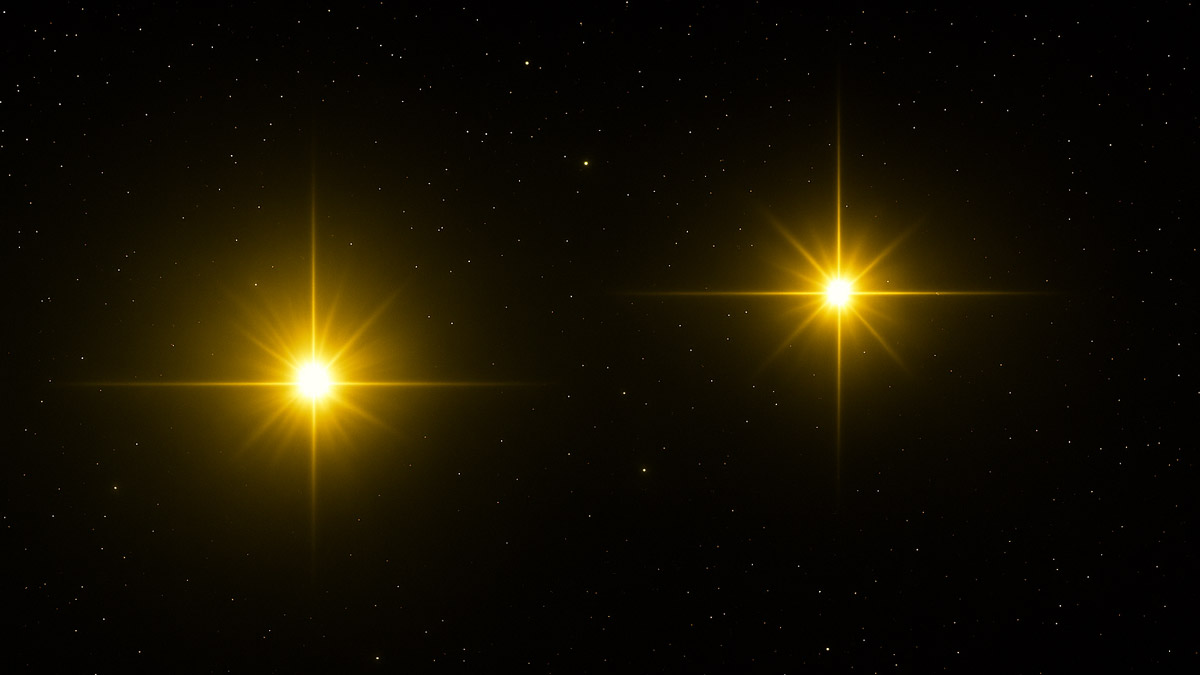
Struve 3050 is a 6th magnitude binary star in the Andromeda constellation best viewed on autumn nights. It is a beautiful, tight pair of equally bright light golden stars.
Tag Archives: Autumn
59 Andromedae: A White Binary Star
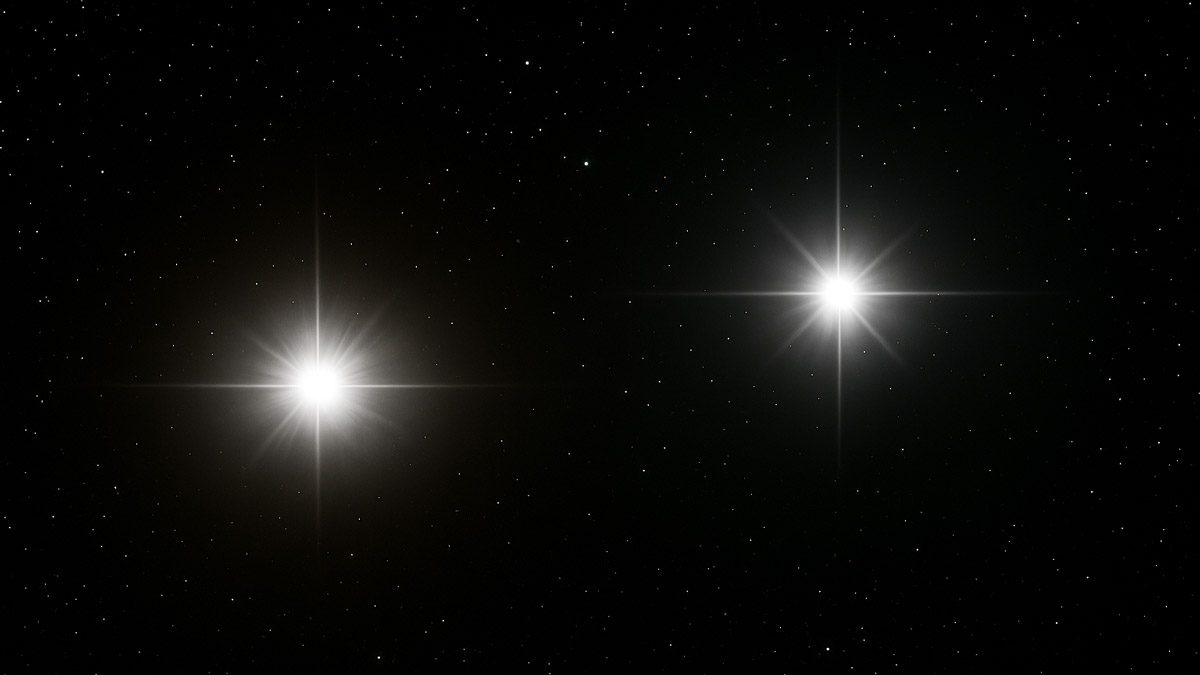
59 Andromedae is a 6th magnitude binary star in the Andromeda constellation best viewed on autumn nights. Backyard astronomers under suburban skies should be able to split this nice white binary with any modest scope.
10 Lacertae: A Blistering, Brillant Hot Blue Double Star
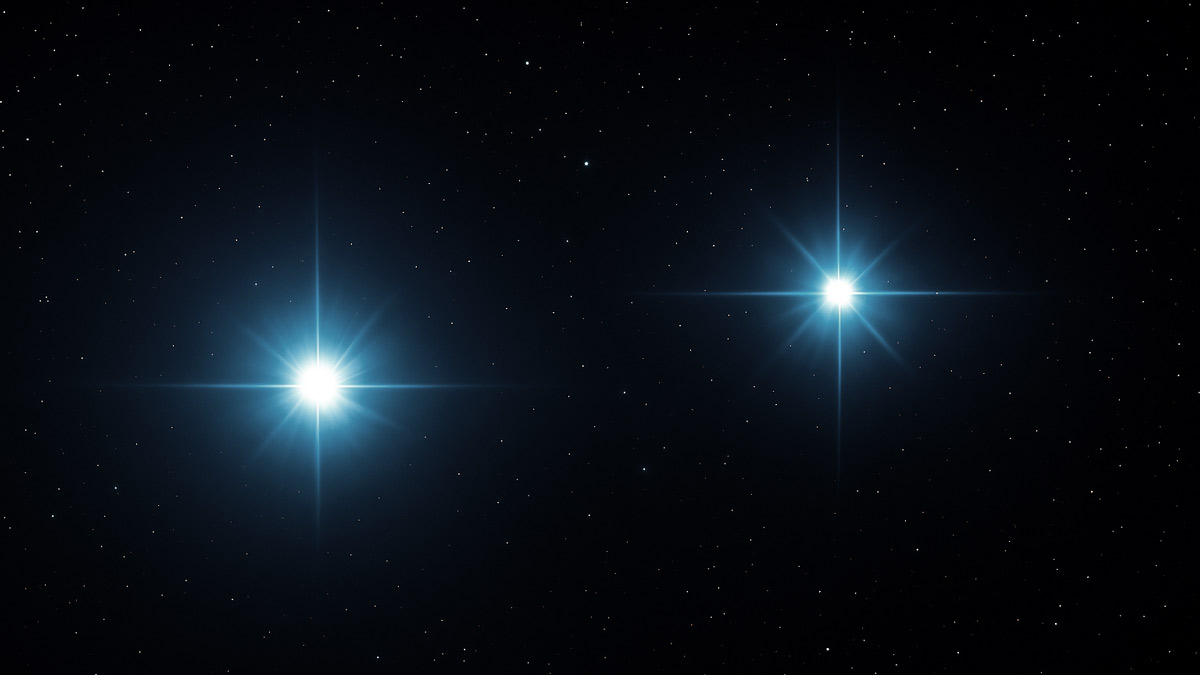
The double-star system known as 10 Lacertae resides in Lacerta, the constellation of the lizard, a dim constellation visible in the autumn and winter nights. The sky lizard offers a rich collection of deep-sky objects, and 10 Lacertae is one of them. Compared to 8 Lacertae, with its well-known multiple bright blue stars, 12 LacertaeContinueContinue reading “10 Lacertae: A Blistering, Brillant Hot Blue Double Star”
66 Ceti: A Double Star of Buttery Yellow and Lavender

66 Ceti shines from the sea monster Cetus, swimming through the night skies of autumn to early winter. Backyard astronomers turning their scopes to 66 Ceti will find a close attractive pair of stars, one with a yellow hue and the other lavender in color.
56 Andromedae: A Golden Orange Treat
56 Andromedae is a 6th magnitude binary star in the Andromeda constellation best viewed on autumn nights. Backyard astronomers under suburban skies can view 56 And with binoculars because both stars and bright and wide apart.
NGC 7789: Caroline’s Rose
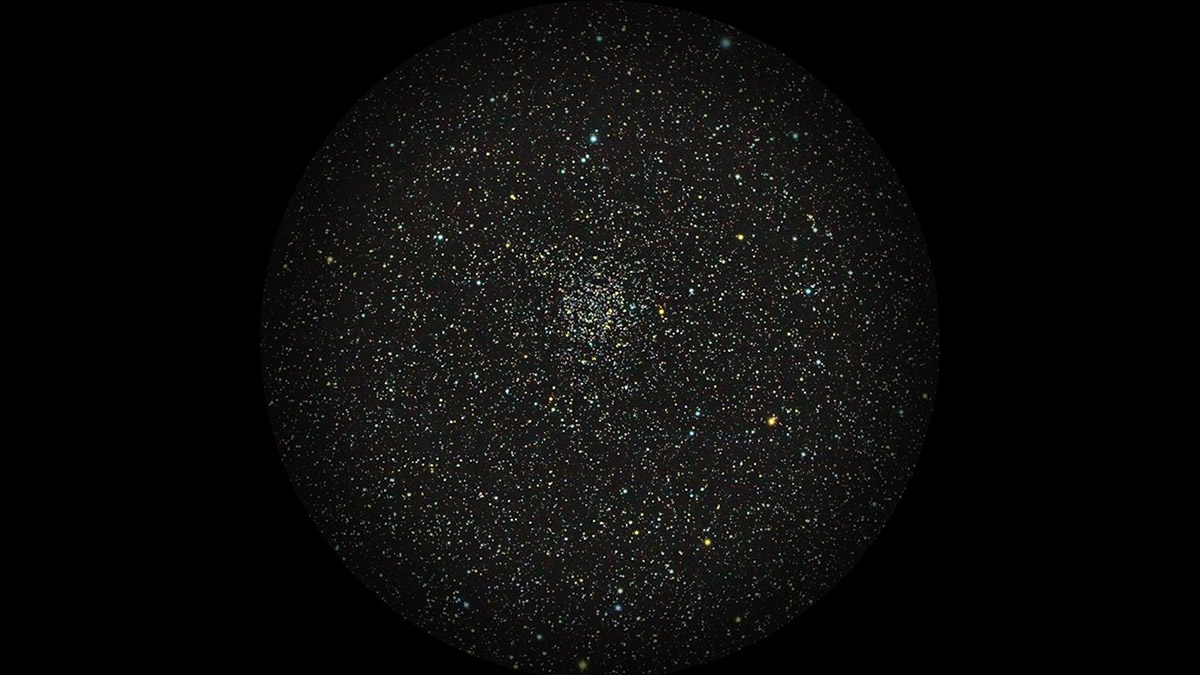
NGC 7789 is an open star cluster in the constellation of Cassiopeia. It’s also known as Caroline’s Rose or the White Rose Cluster. It’s best viewed on autumn nights. With a rather bright magnitude of 6.7, it’s hard to believe Charles Messier didn’t catalog this large and dense cluster. Thankfully, in 1783, Caroline Herschel recorded this splendid object.
HD 190466: A Deep Cherry Red Treat in Cygnus
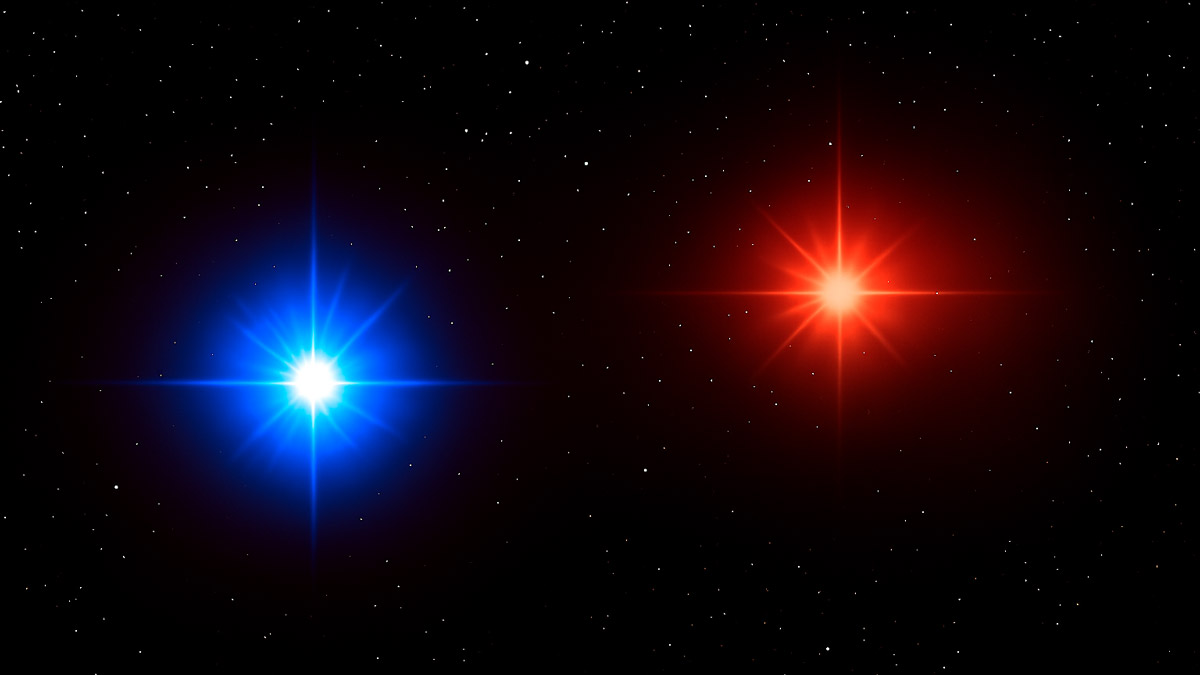
HD 190466, also known as Herschel 1470 (HJ 1470), is a variable double star in the constellation Cygnus.It has a pretty cherry red hue and is part of the Chapel Arch viewable from the suburban locations.
Zeta Persei: A Blowtorch with Several Companions
Zeta Persei (ζ Persei) is a multiple-star system in the constellation Perseus. Backyard astronomers can enjoy this tight pair of stars on autumn and winter nights.
The supergiant, hot star burns 47,000 time that of our sun and is huge at 26 times the size of our sun!
It will eventually meets its fate exploding as a supernova.
 The Garden Astronomer