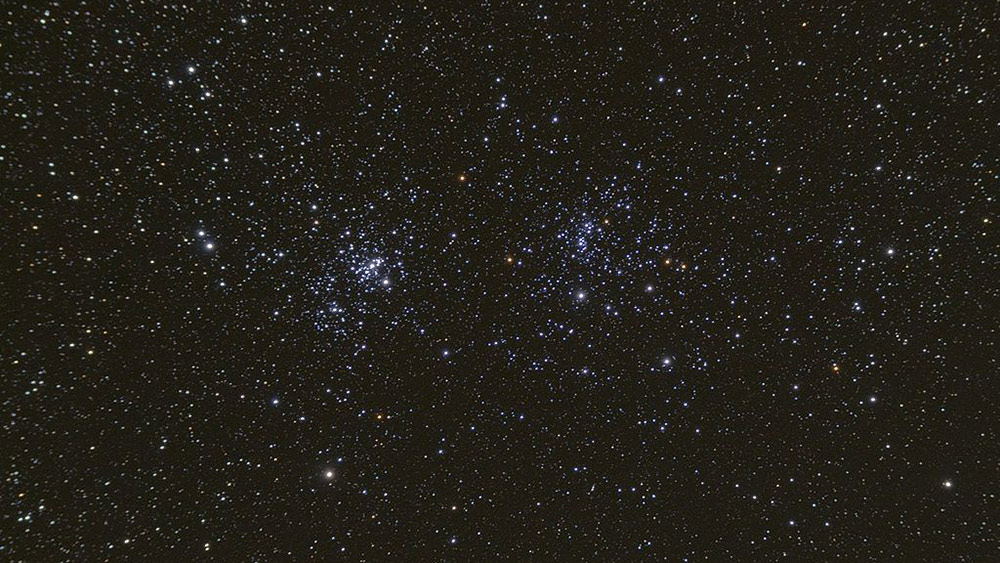
NGC 869 along with NGC 884 create a breathtaking cluster of stars floating in the constellation of Perseus. Like diamonds sparkling in a dark room, the Double Cluster lights up the autumn sky as it spreads itself as wide as new full moons.
Tag Archives: Autumn
NGC 7160: An Alligator Swims through Cepheus

NGC 7160 is a small, yet bright open cluster in the constellation Cepheus. With a magnitude of 6, backyard astronomers can view it with binoculars, though a telescope will be better.
NGC 7281: Open Star Cluster with a Belt in Cepheus
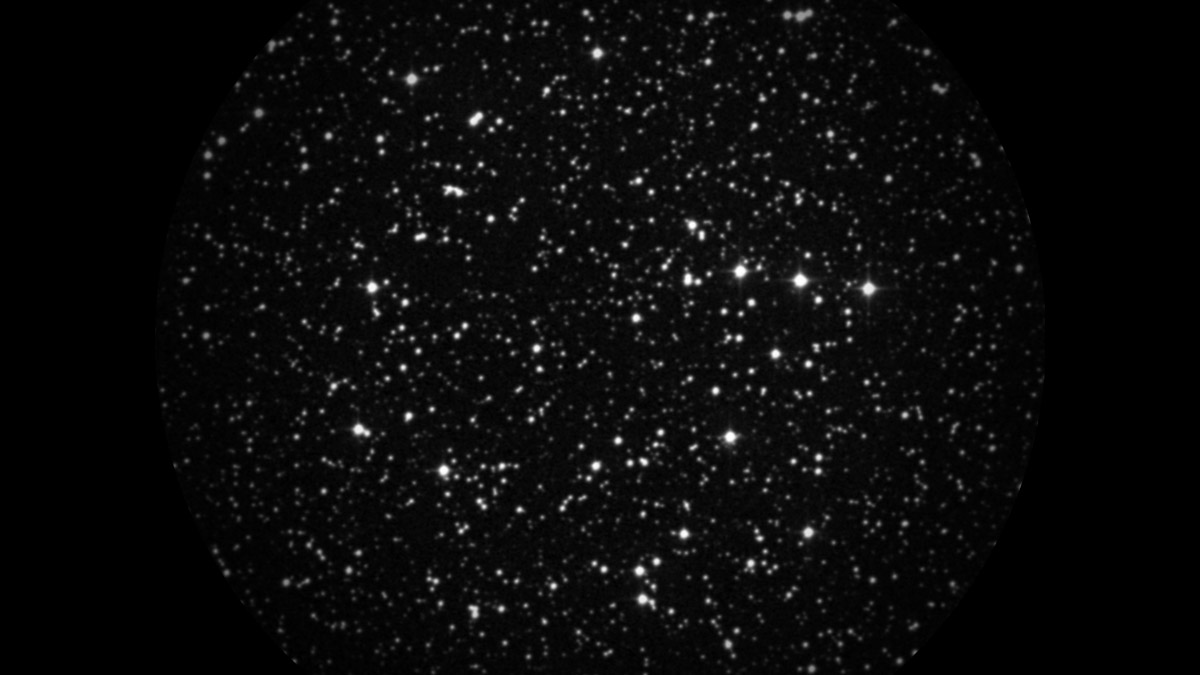
NGC 7281, an open cluster in Cepheus, shines on autumn nights. Look for its 20+ stars, including three bright ones forming a helpful line for observers.
NGC 7039: A Cluster in Cygnus’ Sea of Stars

NGC 7039 is an open cluster with close to 100 stars in Cygnus, making it a good target for backyard astronomers in the northern hemisphere in summer.
HD 189751 (SAO 69238): A Double Among a Colorful Stream in Cygnus

HD 189751 is a variable and double star in the constellation Cygnus. The binary is also known as SAO 69238 and STT 394. It is a 7th magnitude star.
Sigma Cassiopeiae: The “Smalt” Blue Jewel
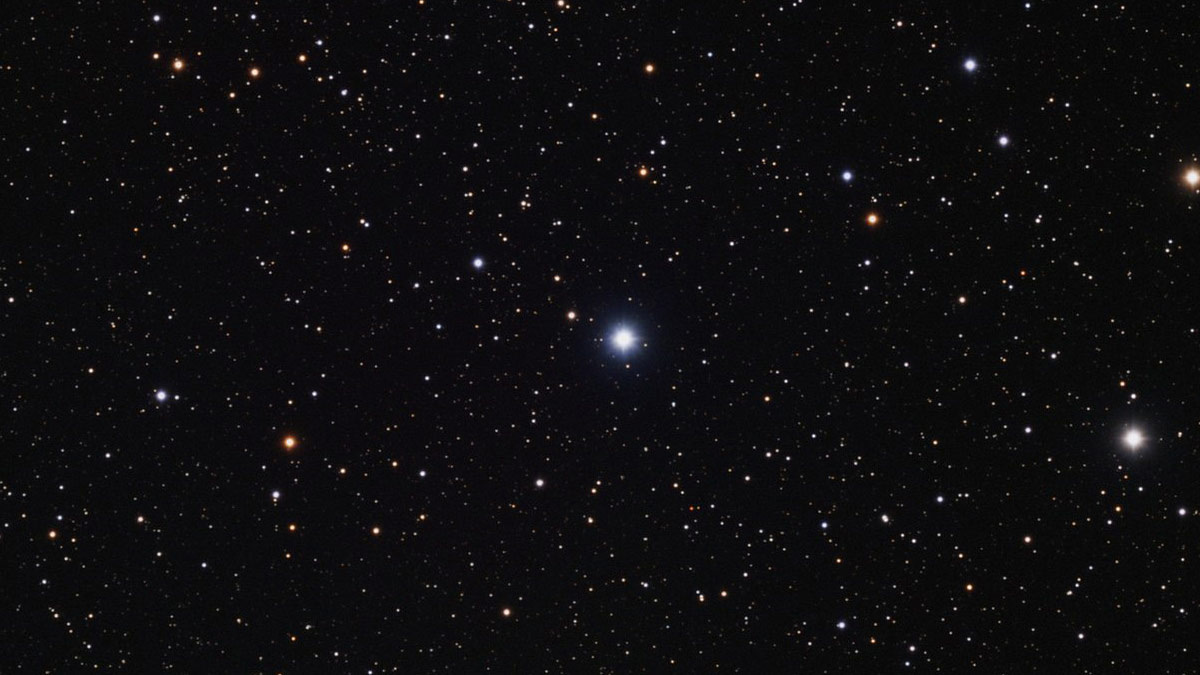
Sigma Cassiopeiae is a rewarding binary star to see in the constellation of Cassiopeia. Backyard astronomers will want to use higher power to separate the pair. This is a great double star to view on fall nights.
NGC 6830: An Older Cluster Brings New Discoveries

Vulpecula’s NGC 6830 is an older cluster with about 50 dim stars and is located around 5,300 light years away. Though many of its residents are dim, the cluster contains a few brighter stars making this a good target for backyard astronomers with a small to middle size telescope.
HD 919: A Red Variable Double Star in Cepheus
HD 919, also known as HIP 1124 or STTA 1, is a variable double star in the constellation Cepheus that warrants a look due to its pretty red color contrasted against a white secondary star.
 The Garden Astronomer