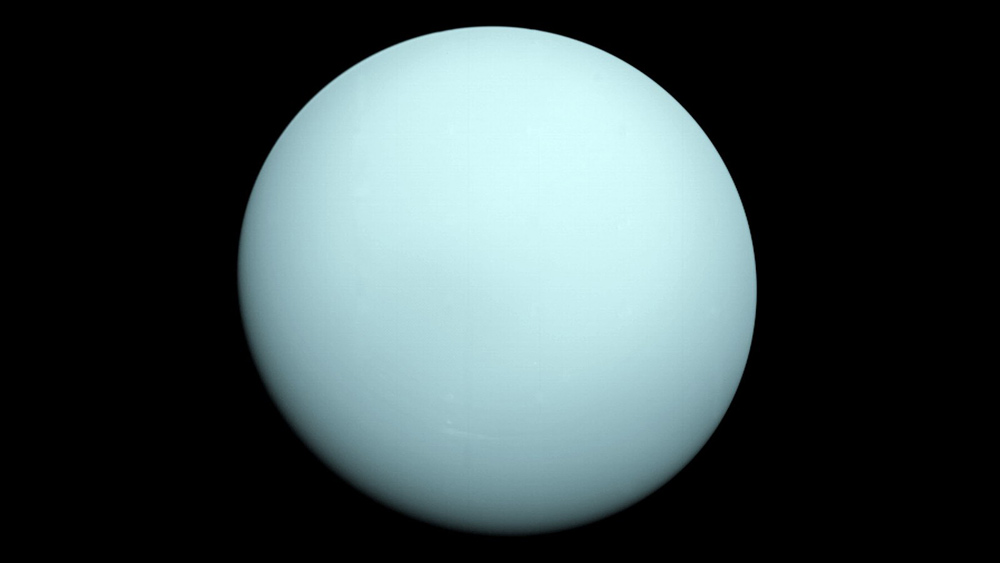
There it was—Uranus—no longer a point of light but a small disc colored pale green. It seemed to float among the dim stars.
Tag Archives: Autumn
Almach: Binary Star Jewel in the Heavens
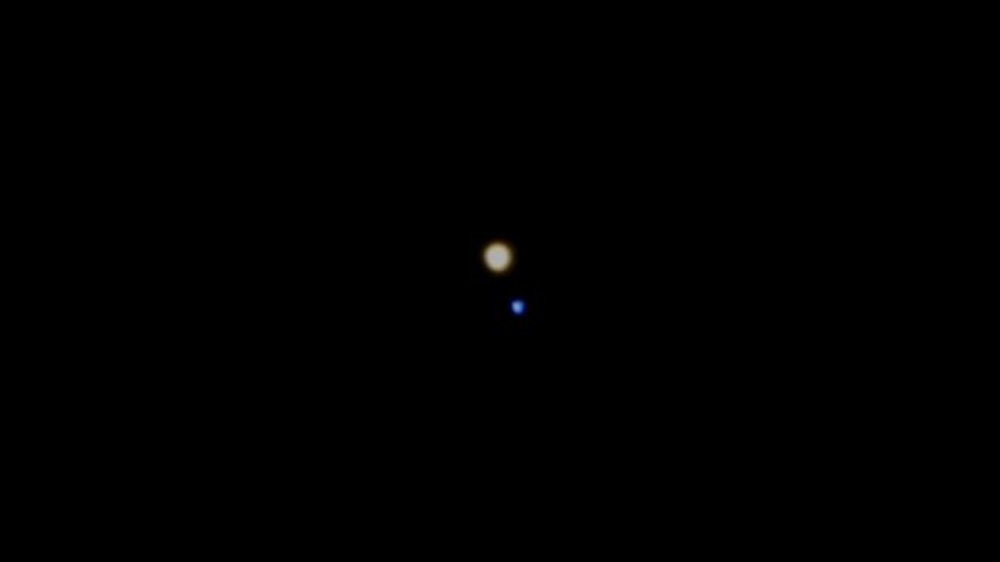
This pair truly rivals the stunning Alberio double! In fact, I may like this double even more. The color contrast showing through my scope tonight is remarkable.
IC 1396: The Elephant Trunk Nebula in Cepheus

IC 1396 is an open star cluster in the constellation Cepheus, which is part of large emission nebula in the region. It’s best viewed during the autumn. The region makes for stunning astrophotography as demonstrated by this photo posted on NASA’s site. Struve 2816 (a triple star system) and Struve 2819 (a double star systemContinueContinue reading “IC 1396: The Elephant Trunk Nebula in Cepheus”
Gamma Delphini: A Pretty Double Star in Delphinus
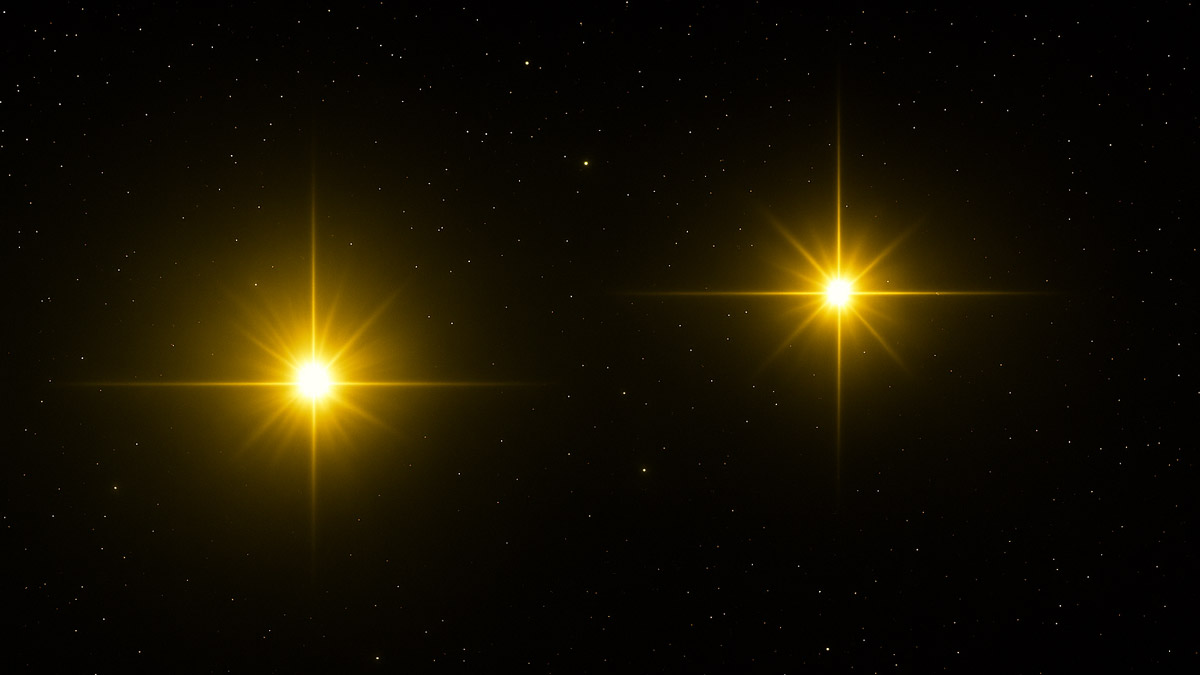
Gamma Delphini is a double star system in the constellation Delphinus. It’s best viewed in summer and early autumn. While not as famous or startling as the double star Albireo, Gamma Delphini is a worthy binary not to be missed, as the double stars Gamma-1 and Gamma-2 make a colorful pair. In my case, IContinueContinue reading “Gamma Delphini: A Pretty Double Star in Delphinus”
NGC 225: A Sailboat Sailing Through Cassiopeia

NGC 225 is an open star cluster in the constellation of Cassiopeia. It’s sometimes referred to as the Sailboat Cluster, as the stars make out a sailboat shape at wider magnifications.
Messier 31 (NGC 224): That’s No Nebula! That’s a Galaxy! Welcome to Andromeda
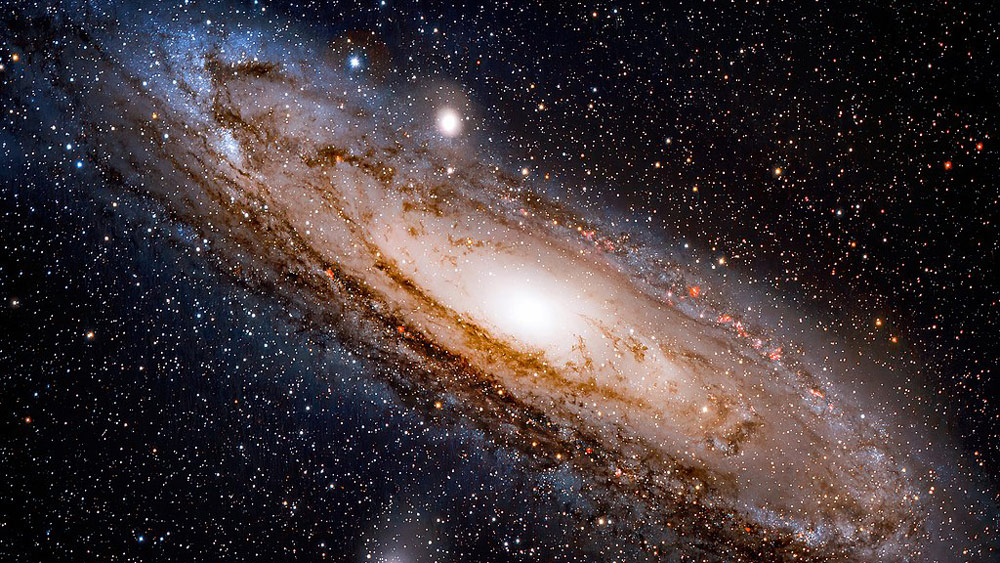
Andromeda is the most distant thing humans can see with the unaided eye. Also, it’s of great historical significance for helping astronomers understand the grand scheme of the universe.
Messier 15 (NGC 7078): A Heavy Duty Dense Globular Cluster in Pegasus

Messier 15 is a globular cluster in the constellation Pegasus. It’s best viewed in Autumn. In August 1746, astronomers noticed the appearance of a comet called Cheseaux’s Comet. A month later on September 7, astronomer Jean-Dominique Maraldi was interested in the new arrival when he landed upon Messier 15 in the constellation Pegasus. Best viewedContinueContinue reading “Messier 15 (NGC 7078): A Heavy Duty Dense Globular Cluster in Pegasus”
Epsilon Lyrae: Four Stars for the Price of Two — A Double Double

Epsilon Lyrae is a double binary system in the constellation Lyra. It’s best viewed in summer through early autumn. While some doubles are notable because of contrasting color, Epsilon Lyrae holds a surprise for first-time observers. On first look through binoculars or small scopes, you’ll see a pair of stars. Take a closer look, andContinueContinue reading “Epsilon Lyrae: Four Stars for the Price of Two — A Double Double”
 The Garden Astronomer