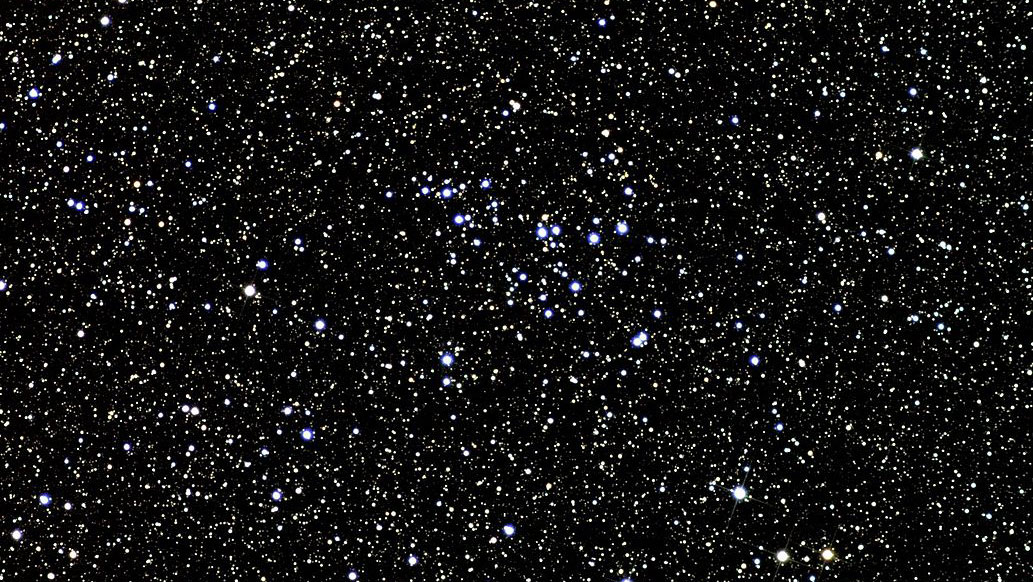
NGC 7243 is an open cluster in the constellation Lacerta. It’s best viewed in autumn through early winter. With lower power, the cluster appears as if it’s broken into distinct clumps with around 70 stars under magnitude 9. Notably, at the center of the cluster is the double star Struve 2890. The cluster floats inContinueContinue reading “NGC 7243: An Open Cluster with a Bonus Double Star in the Center”
Tag Archives: Autumn
NGC 6940: An Open Cluster with a Cherry on Top

NGC 6940 is an open star cluster situated 2,500 light-years away from us and best viewed in the summertime or early autumn. The older cluster features a rich field of red giants. The stars are fairly scattered across an area the size of the moon in the sky.
Mars: Enjoying the View of the Red Planet

Mars is the fourth planet from the sun. At 162 million miles away, light from the Red Planet takes fourteen minutes to reach us. According to NASA, the iron materials in Mars’ soil oxidize, which means the planet is literally a rusty rock. While sky gazers have recorded Mars’ existence and movement across the heavensContinueContinue reading “Mars: Enjoying the View of the Red Planet”
Messier 56 (NGC 6779): A Globular Cluster Screaming Toward Us
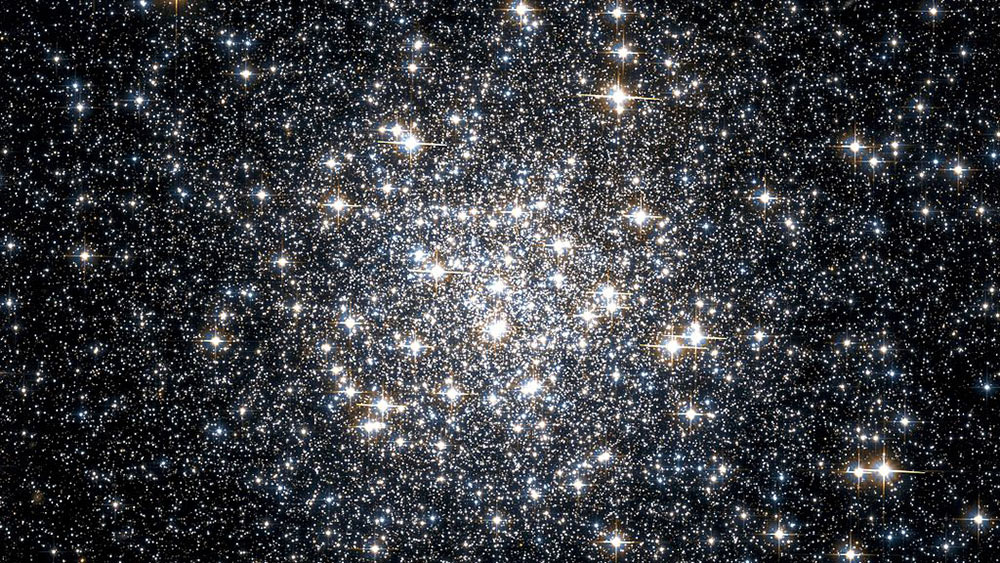
This grouping of stars is around 84 light-year in diameter. What’s more, it’s screaming toward the earth at around 345,000 miles per hour!
NGC 6934: A Globular Cluster Far From Home in Delpinus
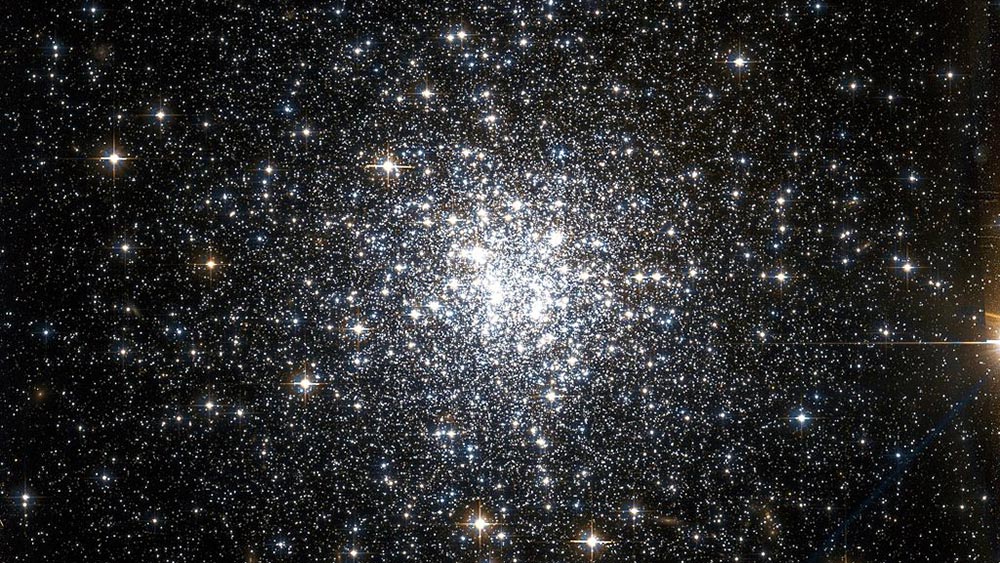
NGC 6934 is one of the farthest clusters visible through amateur scopes. At 51,200 light years from earth, this globular approaches the “outer banks” of our galaxy.
Barnard’s Star: Chasing the Red Dwarf Through Ophiuchus

Barnard’s Star, located under six light-years away in Ophiuchus, is a red dwarf with a surface temperature of 3,200 K and extraordinary proper motion, moving over 10 arcseconds per year. Discovered to host four exoplanets, it fascinates astronomers as a rare opportunity to observe significant stellar movement within a human lifetime. Article shows a photograph of it in 2019 amongst the stars. The star is also known as Runaway Star, HIP 87937, LFT 1385, Proxima Ophiuchi, V2500 Ophiuchi.
 The Garden Astronomer