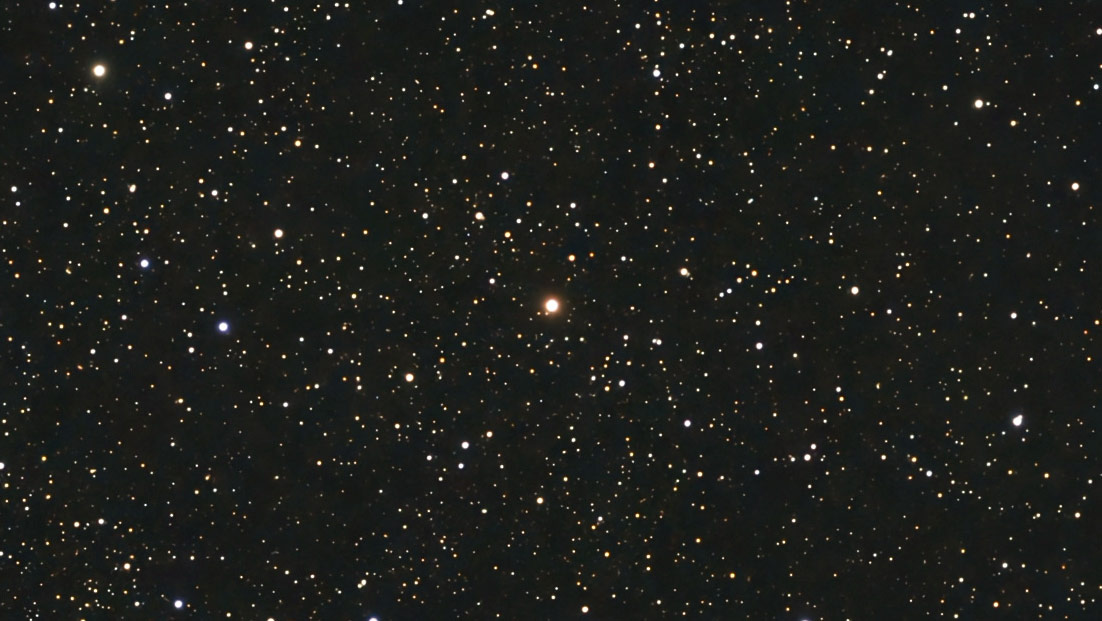
Explore Chi Cygni, a variable red giant in Cygnus whose rhythmic brightening and fading reveal the life cycles of stars. Includes new astrophotography.
Tag Archives: Autumn
Exploring Black Hole Cygnus X-1 and Its Companion Star
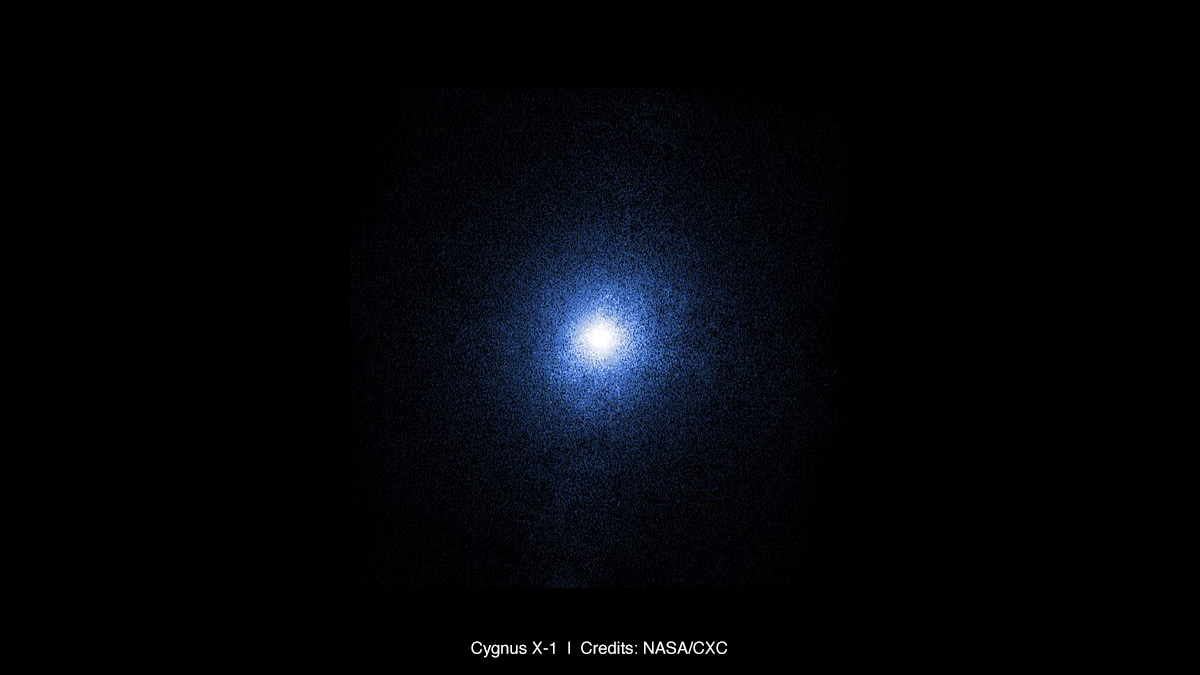
In my article on Cygnus X-1, I cover the black hole and its massive companion star, HDE 226868, along with how they interact through stellar winds. I’ve also included my own photos and clear illustrations to show exactly where the system is located in Cygnus. It’s a mix of science, observation, and practical stargazing guidance.
The Iris Nebula: A Flower Blooming in the Dark
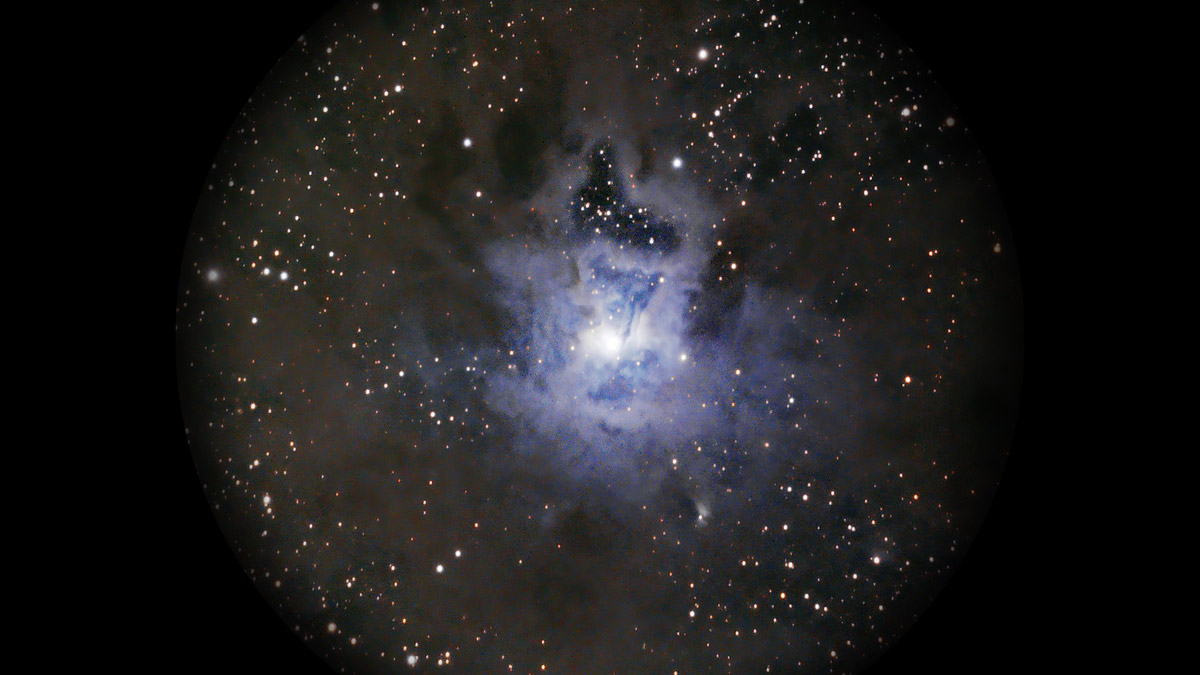
Explore the stunning Iris Nebula (NGC 7023 or Caldwell 4), a breathtaking reflection nebula in Cepheus. Discover how the central star illuminates its dust and gas, creating a glowing blue celestial flower. See my sketch and Seestar S50 image to visualize what you can expect to see. Learn about its history, distance (1,300 light-years), and why astrophotographers cherish this beautiful autumn target.
ARY 33 (HD 224612): A Wide Double Star in Cassiopeia
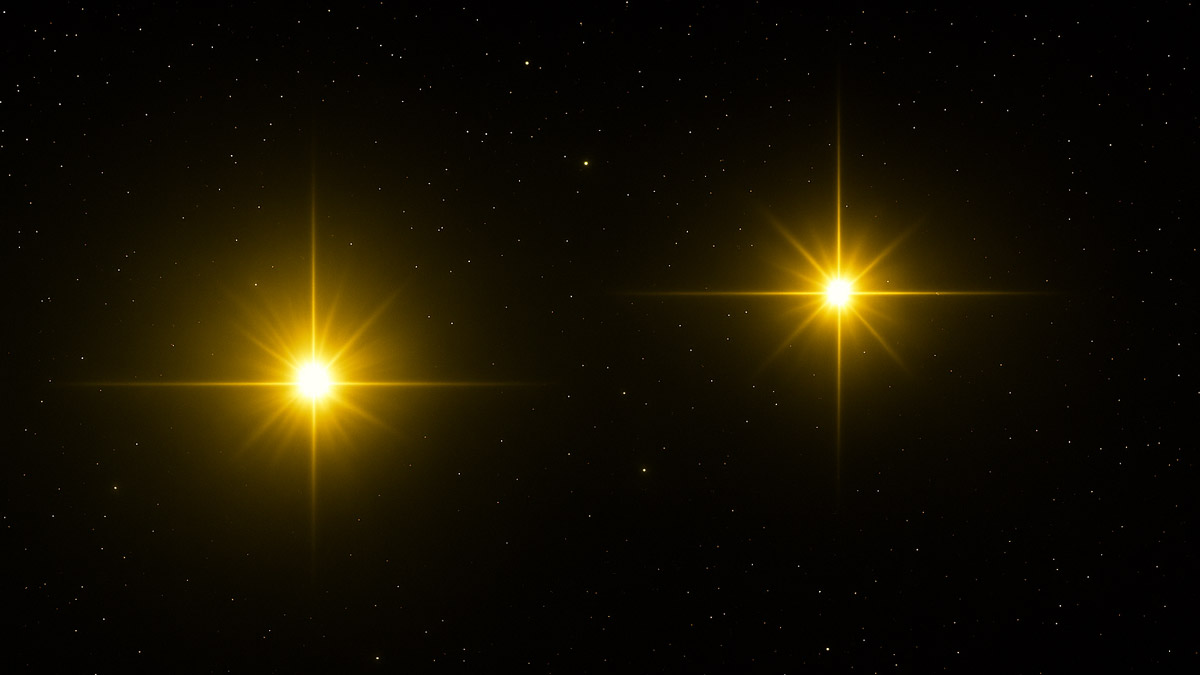
Explore the wide double star ARY 33 in Cassiopeia—its characteristics, discovery history, and tips for amateur stargazers to observe this unique stellar pair.
Schedar: The Bright Heart of Cassiopeia
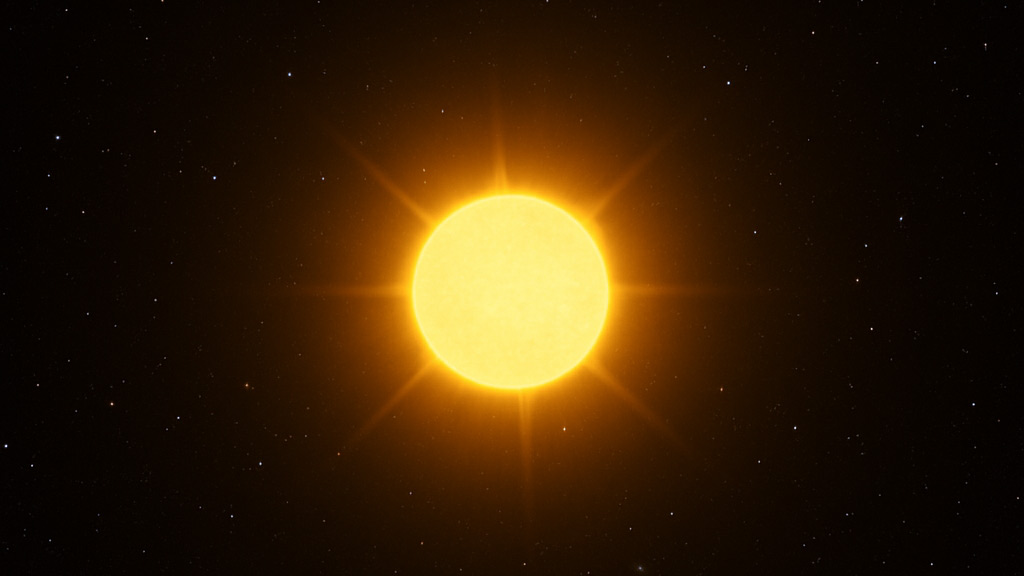
Explore the bright orange star Schedar (α Cassiopeiae) in Cassiopeia. Discover its key facts, visual companions, and a personal observation guide for amateur astronomers. Also known as Alpha Cass and SAO 21609, α Cas, HIP 3179, HR 168, HD 3712, 18 Cas, GC 792
Ankaa: The Ember in Phoenix
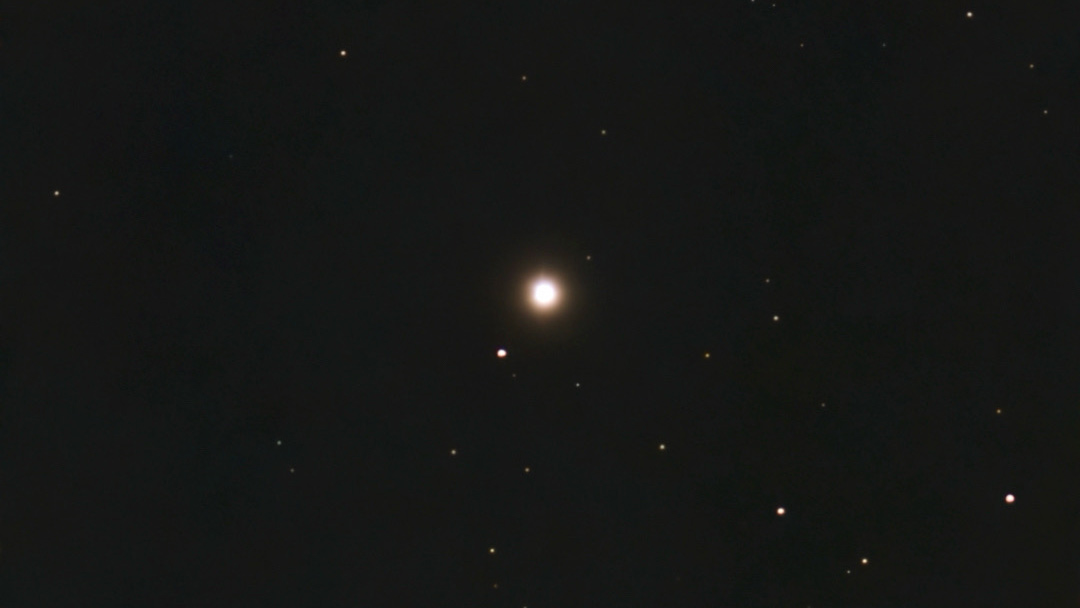
Discover Ankaa, a warm orange giant star in Phoenix. See where to find it, its history, and why it shines as a hidden gem of the southern sky.
Fomalhaut: The Lonely Star of Autumn Skies
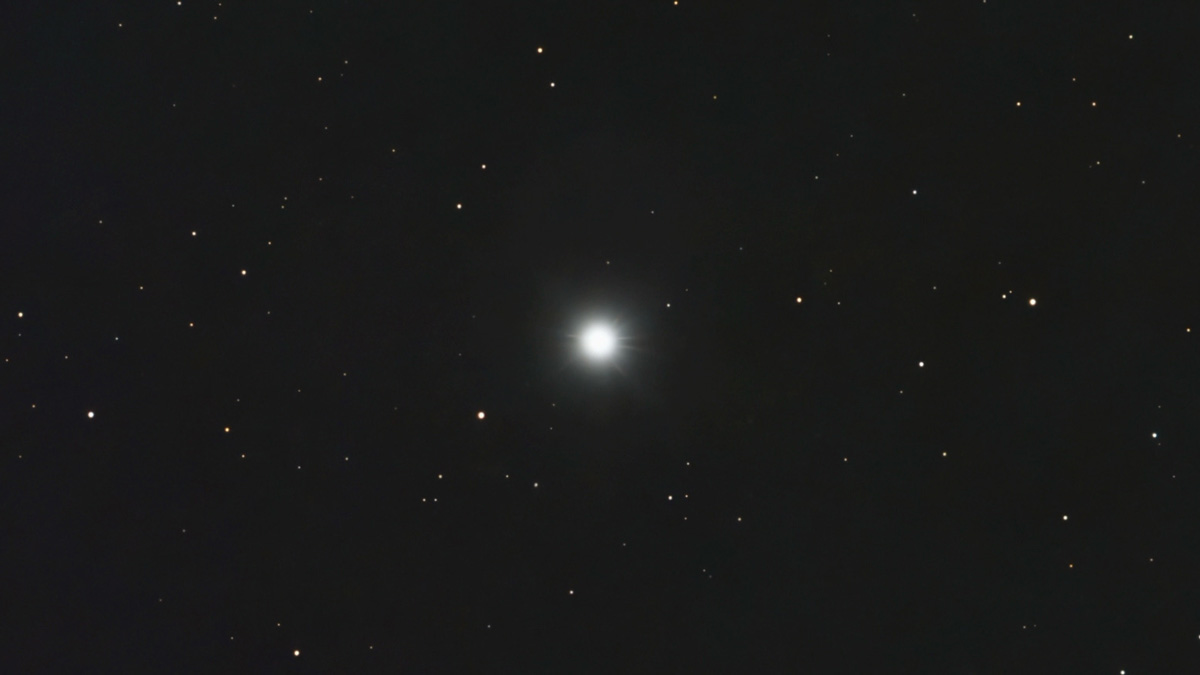
Learn how to find Fomalhaut, the Lonely Star of Autumn, and uncover its planetary disk and astronomy details for stargazers.
57 Aquilae: A Light Topaz Blue Double
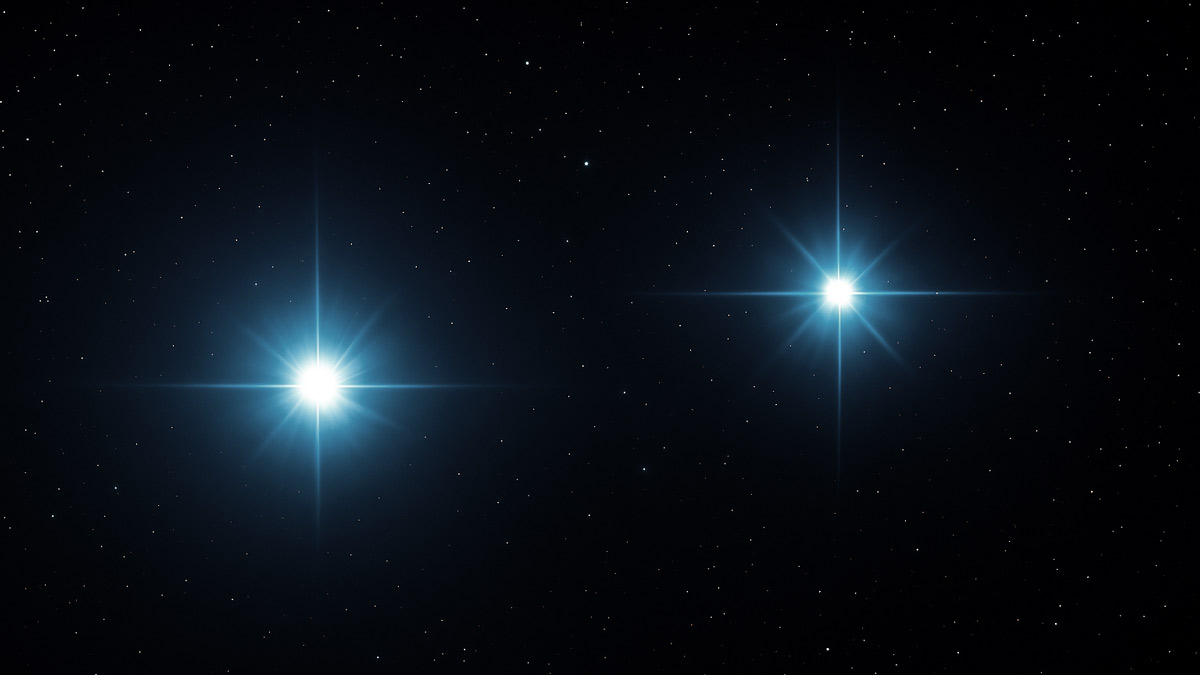
Tucked away in the Eagle’s wing, 57 Aquilae shines as a quiet pair of stellar companions. I spent some time at the eyepiece with this beautiful double star—here’s what I saw and why it left an impression.
 The Garden Astronomer