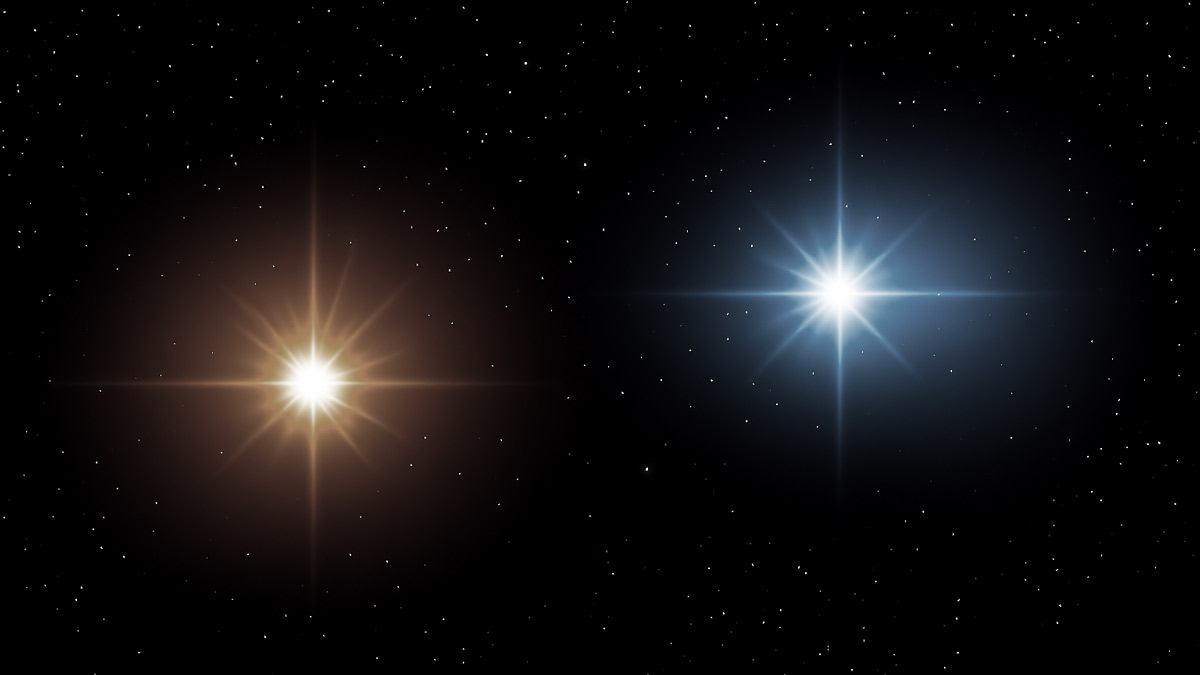
Discover Struve 79, a fascinating binary star in Andromeda. Explore its colors, magnitudes, and observing tips for stargazers. Also known as SAO 36833 and 164 Andromeda.
Tag Archives: Autumn
Caldwell 56: The Haunting Skull Nebula in Cetus
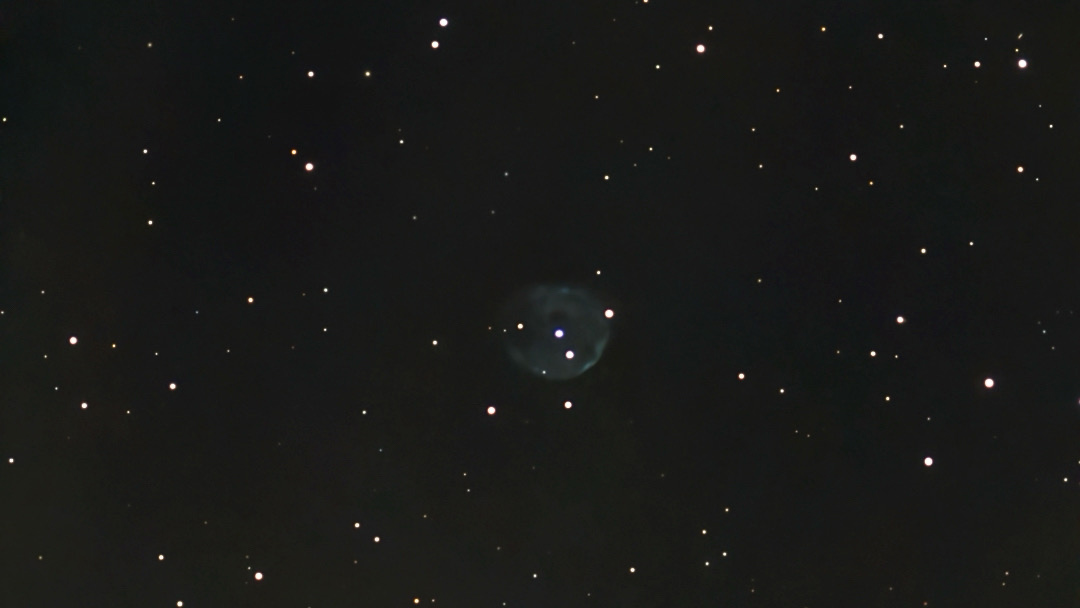
The Skull Nebula, known as NGC 246 or Caldwell 56, resides in the constellation Cetus. Discovered by William Herschel in 1785, the planetary resembles a human skull due to gas distribution. It features a white dwarf and two companion stars. Though challenging to observe, it captivates astronomers, symbolizing change and the cosmos’ enduring nature.
NGC 457: The Owl Cluster in Cassiopeia

An owl hides out in Cassiopeia, so on autumn and winter nights, turn your scope toward the constellation and look for cluster and its two bright stars that make up the eyes.
WZ Cassiopeiae: A Scarlett Variable Double Star in Cassiopeia
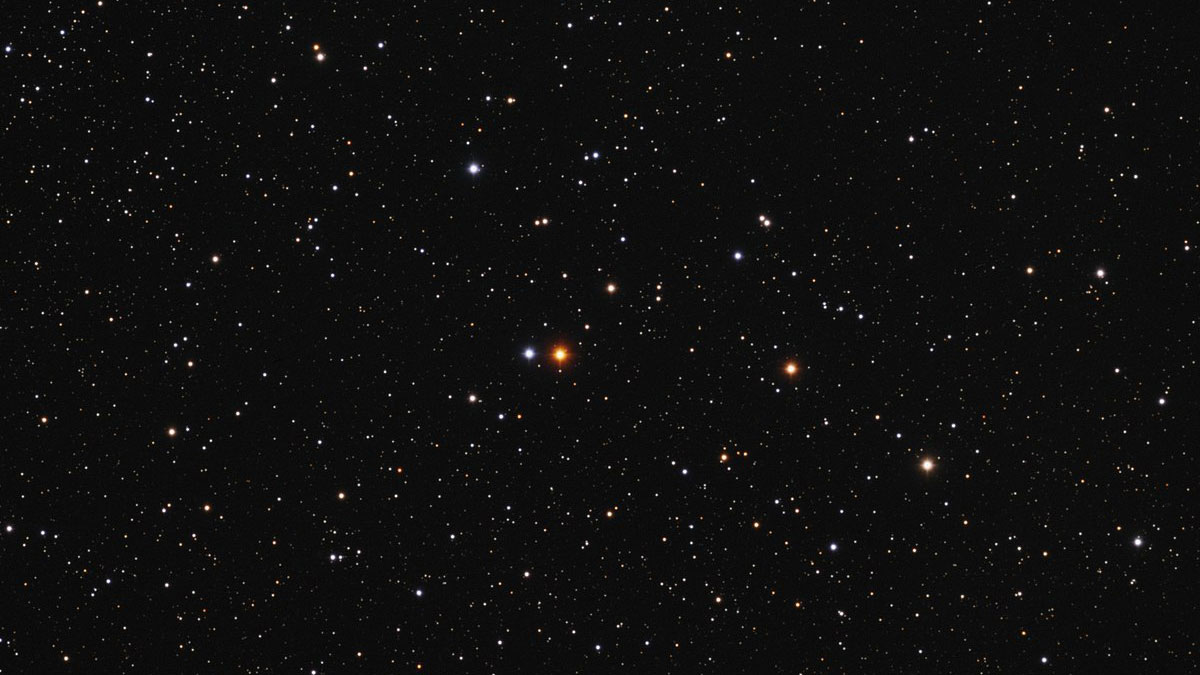
WZ Cas, known as WZ Cassiopeiae, shines at a variable magnitude between 6.3 and 8.8. It’s classified as a C-N7 III star. It is a red-colored carbon star in the constellation Cassiopeia. It’s also known as SAO 21002, HIP 99, HD 224855.
Struve 2540 (HD 184360): A Tight Pair Near the Coathanger Asterism
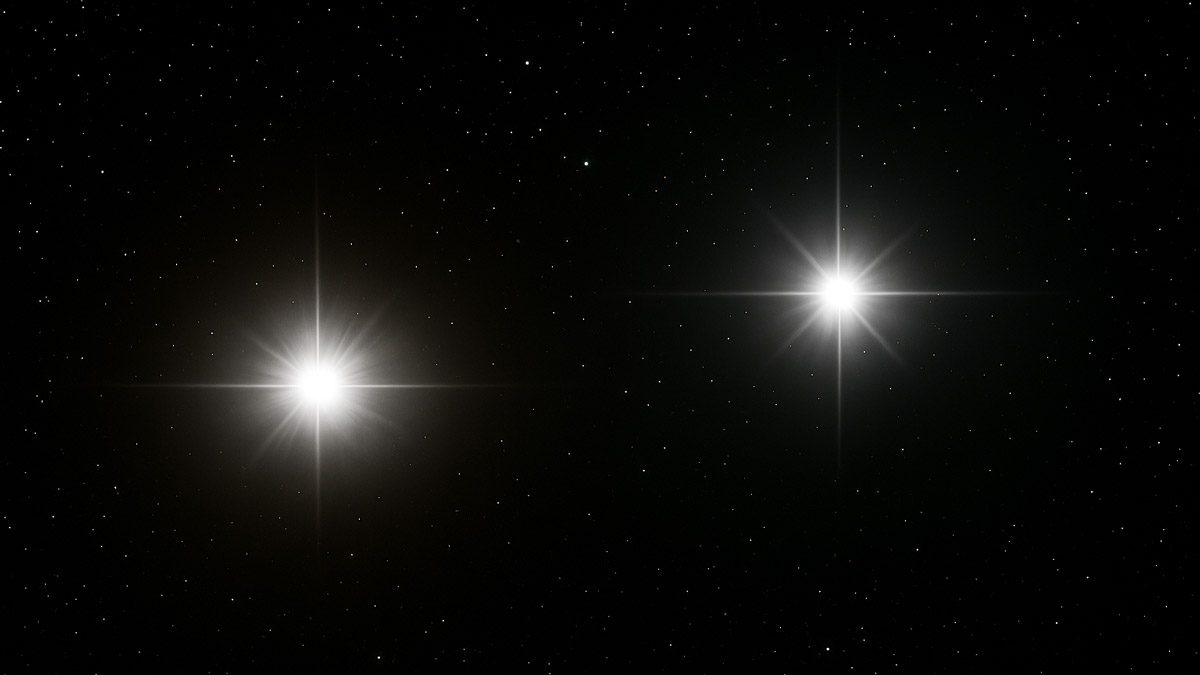
Struve 2540 (HD 184360) is a triple star system in the constellation Vulpecula. The stars lie in the popular Brocchi’s Cluster, nicknamed the Coat Hanger.
STF 2540 may be a tight pair to view under light-polluted stars, but astronomers will appeciate the view as the double floats among a pretty background of faint stars.
The Coathanger Asterism: A Cosmic Clothes Hanger in the Summer Sky
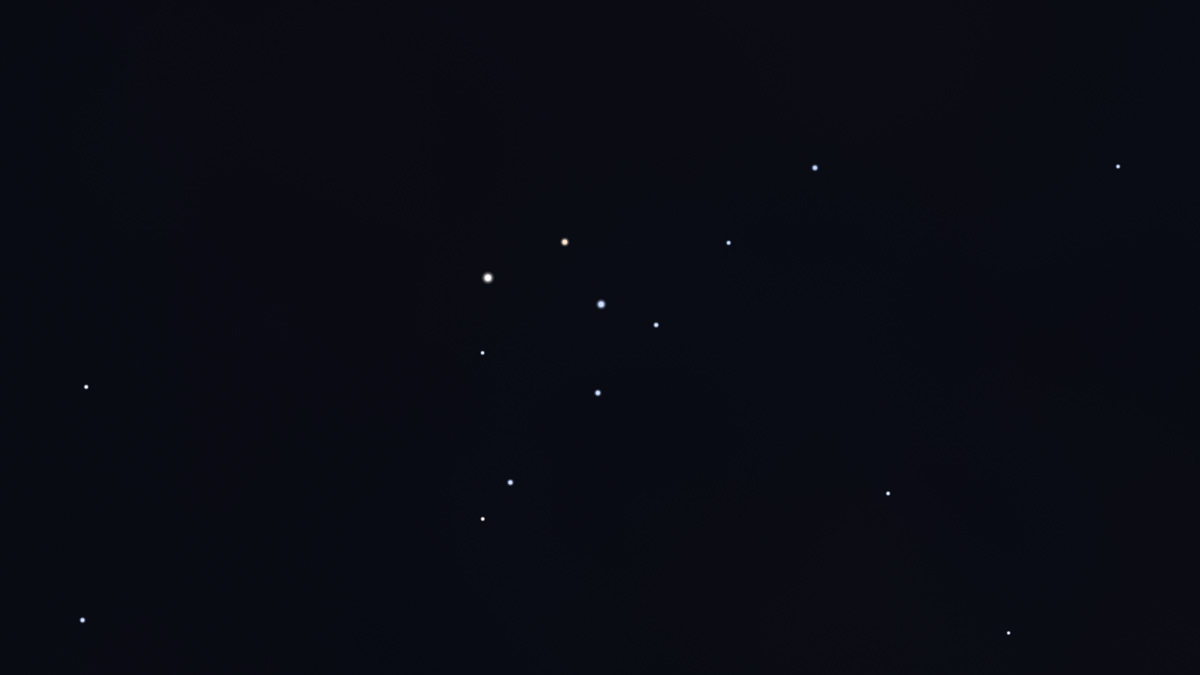
The Coathanger asterism, located in the constellation Vulpecula, is a distinctive pattern of ten stars resembling an old wire hanger. Initially described by Al Sufi in the 10th century, it’s not a true star cluster but an asterism. Ideal for binocular viewing, it’s perfect for casual stargazers. Also known as Brocchi’s Cluster and cataloged as Collinder 399.
Mu Cephei: The Beautiful Garnet Star in Cepheus

Mu Cephei, also known as the Garnet Star, is a red supergiant star in the constellation Cepheus. It’s best viewed in autumn.
Zeta Aquarii (Struve 2909): A Tight Binary Near the Water Bearer’s Shoulder
Zeta Aquarii, a binary star system in Aquarius, is about 92 light-years away. First identified by William Herschel in 1777, it appears as a single point to the naked eye. Both stars are similar F-type main-sequence stars, orbiting each other every 587 years, exhibiting complexity beneath their apparent simplicity. This post explores the star and illustrates what it looks like in the telescope. Also known as: STF 2909, SAO 146108, HIP 110960, GC 31398, HR 8558, Zet1 Aqr, 55 Aquarii, HD 213052, 55 Aqr
 The Garden Astronomer