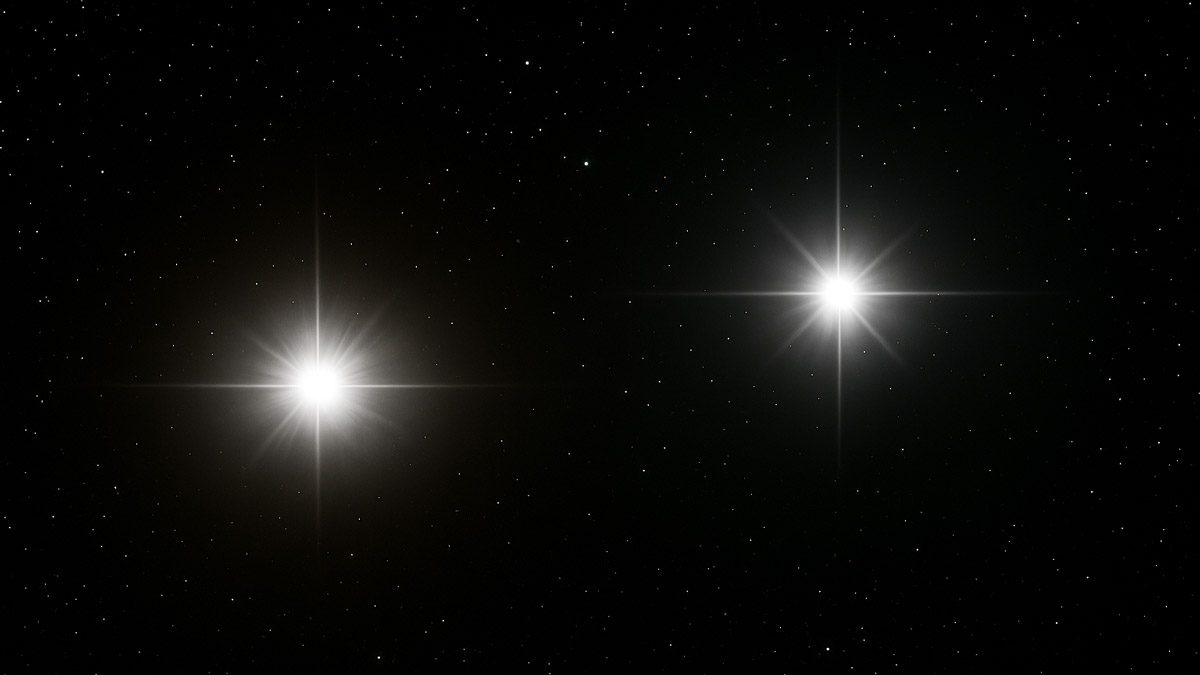
Learn about Epsilon Arietis, a close binary white pair of stars in the constellation Aries, best viewed on autumn and winter nights. The two stars only lie 1.3 arcseconds apart, so a telescope will be needed to see both stars also known as Struve 333, STF 333, Eps Ari, SAO 75673, HD 18519, HR 887, HIP 13914, 48 Ari.
Tag Archives: Autumn
NGC 7006: The Ancient Lantern at the Rim of the Galaxy

NGC 7006, an elusive globular cluster located 135,000 light-years away in the constellation Delphinus, offers a unique challenge for amateur astronomers. Its faint visual magnitude of 10.6 makes it hard to detect, revealing a compact cluster over time through powerful telescopes. Observing it connects viewers with distant cosmic history. Also known as Caldwell 42.
Struve 2793: A Serene Double Star in Equuleus
The constellation Equuleus, known as the Little Horse, features the intriguing triple star system Struve 2793, discovered by Friedrich Georg Wilhelm von Struve in 1827. Despite its faintness, the system includes a bright primary star and a distant companion, offering rewarding views for patient astronomers during summer and early autumn.
Also cataloged as SAO 126783, HD 203943, HIP 105743, and STF 2793
OR Delphini (STF 2725): A Binary Star That Makes an Attractive Double-Double in Delphinus
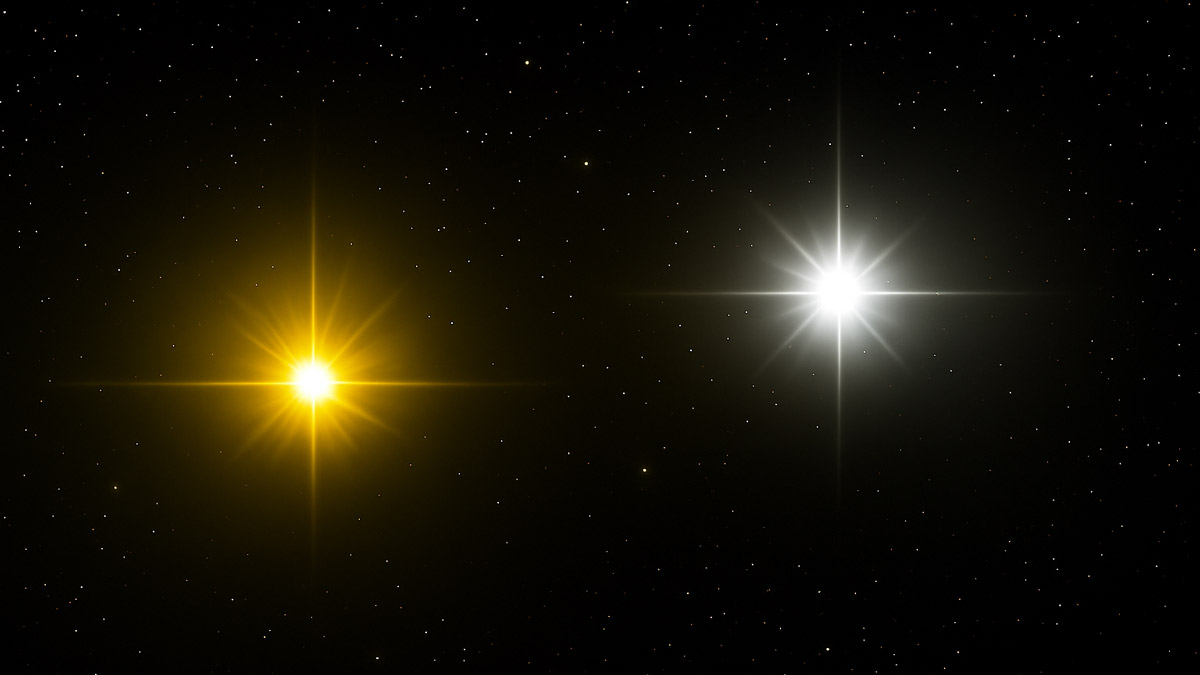
OR Delphini, also known as Struve 2725, is a binary star in the constellation Delpinus. With a wider eyepiece, one can view this binary and the double star Gamma Delphini together, making a notable double-double that shouldn’t be missed.
The star is also known as Struve 2725, SAO 106466, HD 197913, HIP 102490, OR Del
17 Cygni (Struve 2580): A Pleasing Binary Star in the Swan’s Neck
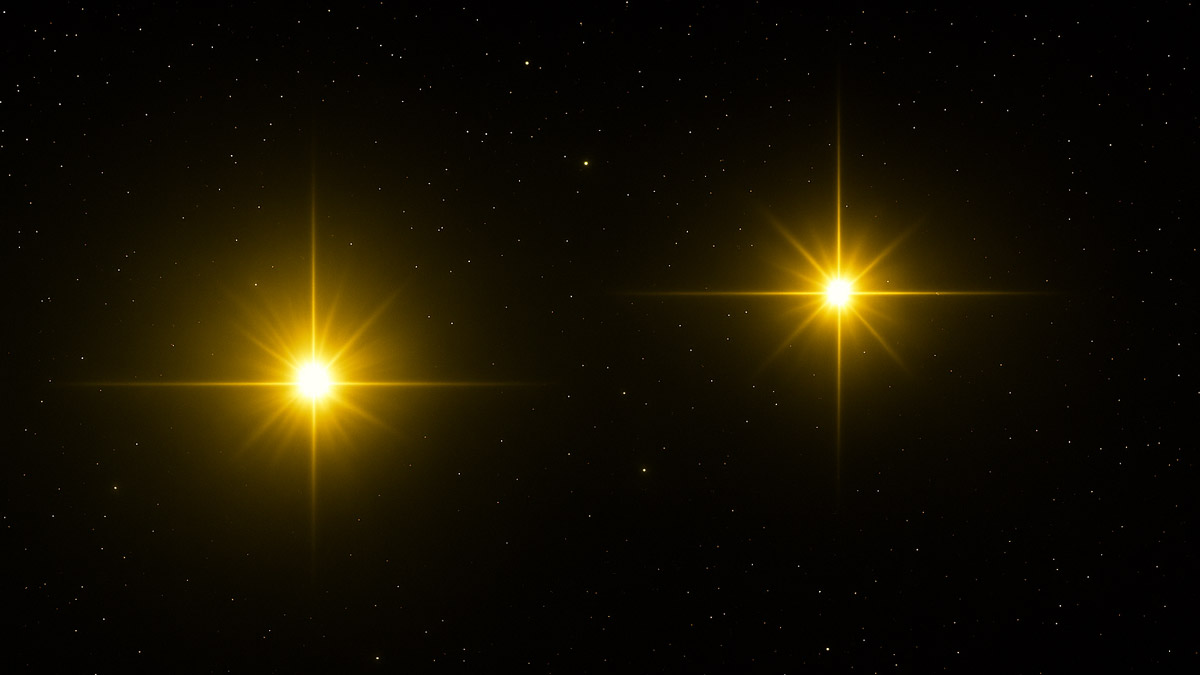
The constellation Cygnus features the binary star 17 Cygni, located 69 light-years away. Composed of two stars, 17 Cygni A and B, it is faintly visible to the naked eye. This complex system, along with another binary pair, showcases intriguing dynamics reminiscent of a cosmic dance in the night sky. Also known as: SAO 68827, 17 Cyg, HR 7534, HD 187013, HIP 97295, STF 2580
NGC 253: A Starburst Galaxy in Sculptor
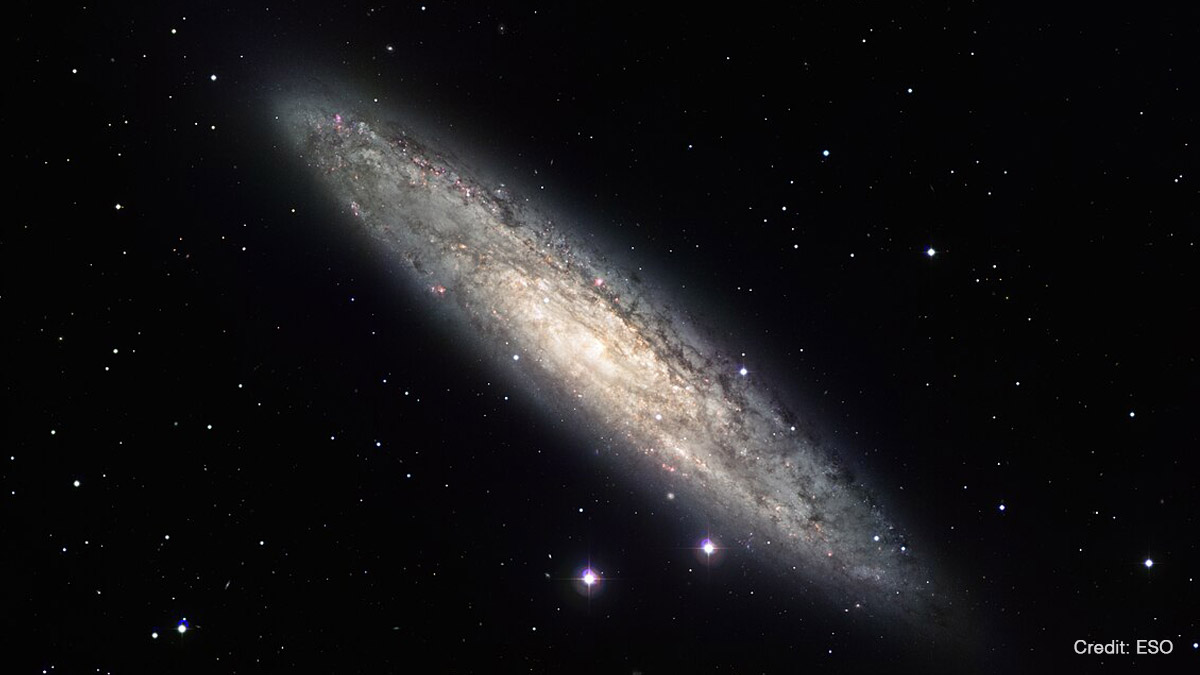
The Silver Coin Galaxy, or NGC 253, located 11.4 million light-years away in the constellation Sculptor, is a prominent starburst galaxy notable for its intense star formation. Discovered by Caroline Herschel in 1783, it captivates astronomers and stargazers alike, showcasing dynamic stellar activity and vibrant colors through advanced imaging techniques.
NGC 2451: A Stinging Scorpion Down South in Puppis
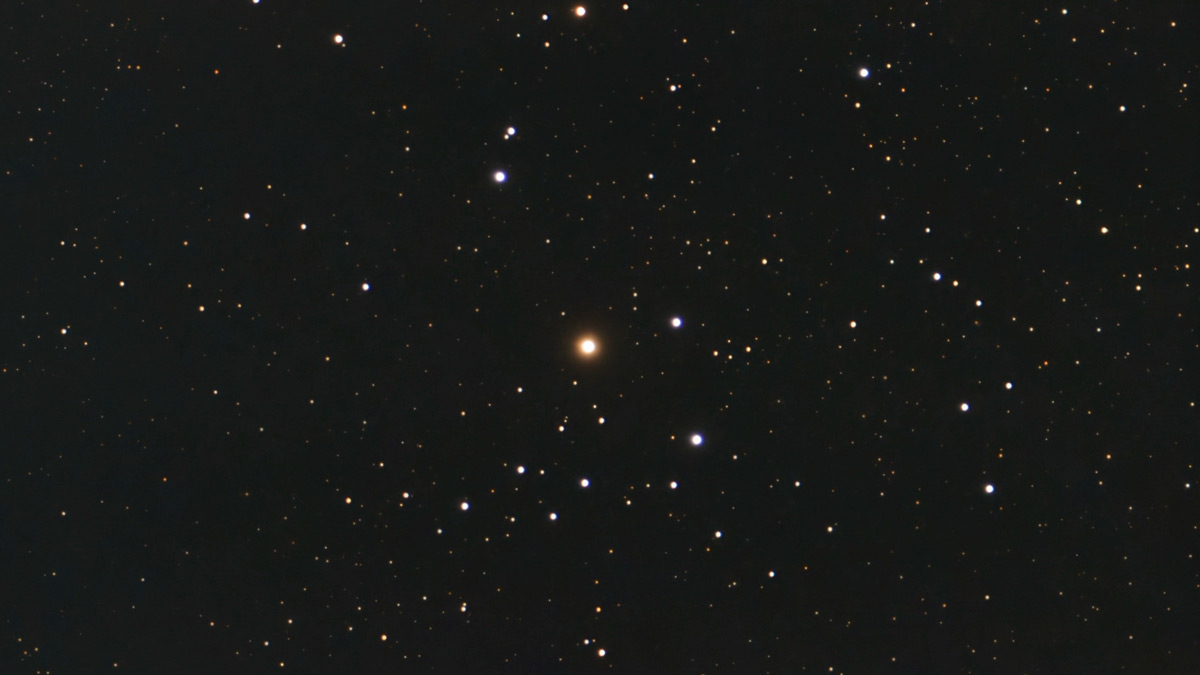
NGC 2451, a star cluster in the Puppis constellation, shines brightly during late autumn and winter. With around 40 stars, including the prominent C Puppis, it’s visible with binoculars. The cluster is an optical illusion of two separate groups. First noted by Hodierna in the 17th century, NGC 2451 offers a captivating viewing experience.
Messier 33 (NGC 598): The Triangulum Galaxy—A Pinwheel in the Sky

Discover the breathtaking beauty of Messier 33, the Triangulum Galaxy! As one of the closest galactic neighbors to the Milky Way, Messier 33 known as the Triangulum Galaxy dazzles with its stunning spiral structure. See what it looks like in a telescope and when photographed with a Seestar S50. Also known as M33, Pinwheel Galaxy, NGCs 588, 592, 595, and NGC 603
 The Garden Astronomer