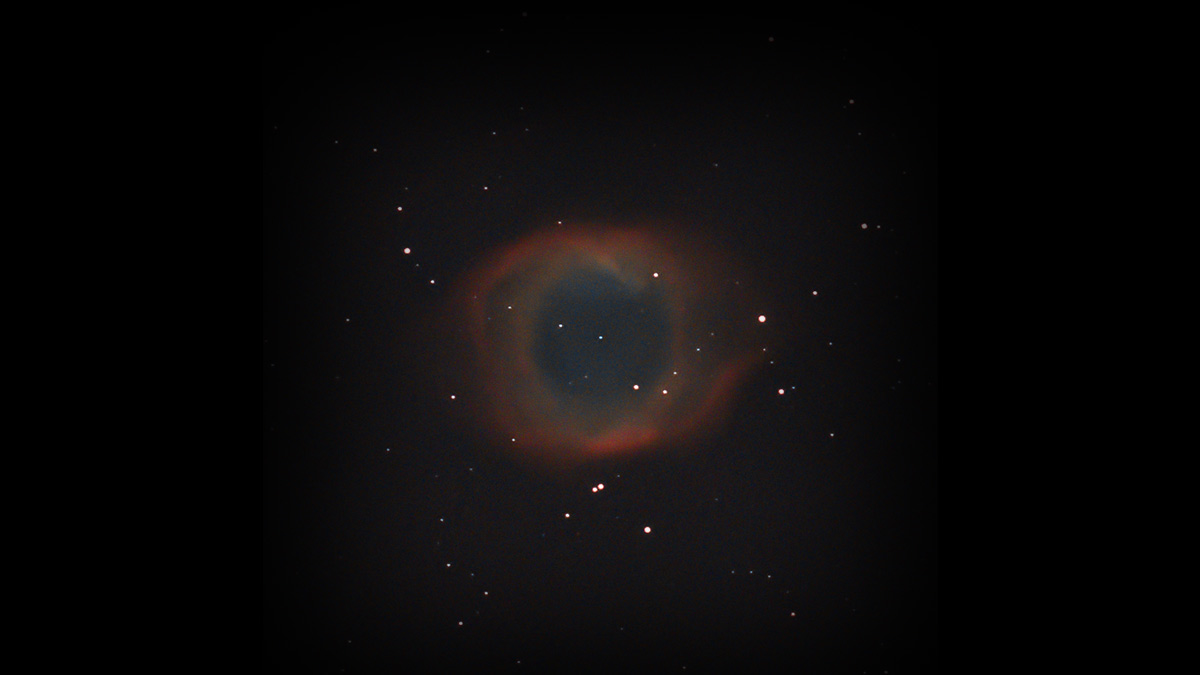
In late summer and autumn, the constellation Aquarius, known as the Water Bearer, is prominent in the southern skies of the Northern Hemisphere. Among its features is the Helix Nebula, one of the closest planetary nebulae to Earth. It’s also known as NGC 7293, Caldwell 63, Arp 336.
Tag Archives: Autumn
59 Cygni: A Vibrant Blue-White Multiple Star

The constellation Cygnus, the swan, has its fair share of double stars, including the magnificent Albireo. The multiple star 59 Cygni joins this family of stars and is viewable during summer and autumn. The primary is a vibrant blue-white color. The binary is also known as 59 Cyg, STF 2743, V832 Cyg, HR 8047, SAO 50335, HD 200120.
Stephan’s Quintet: Visiting George Bailey’s Angels in It’s a Wonderul Life
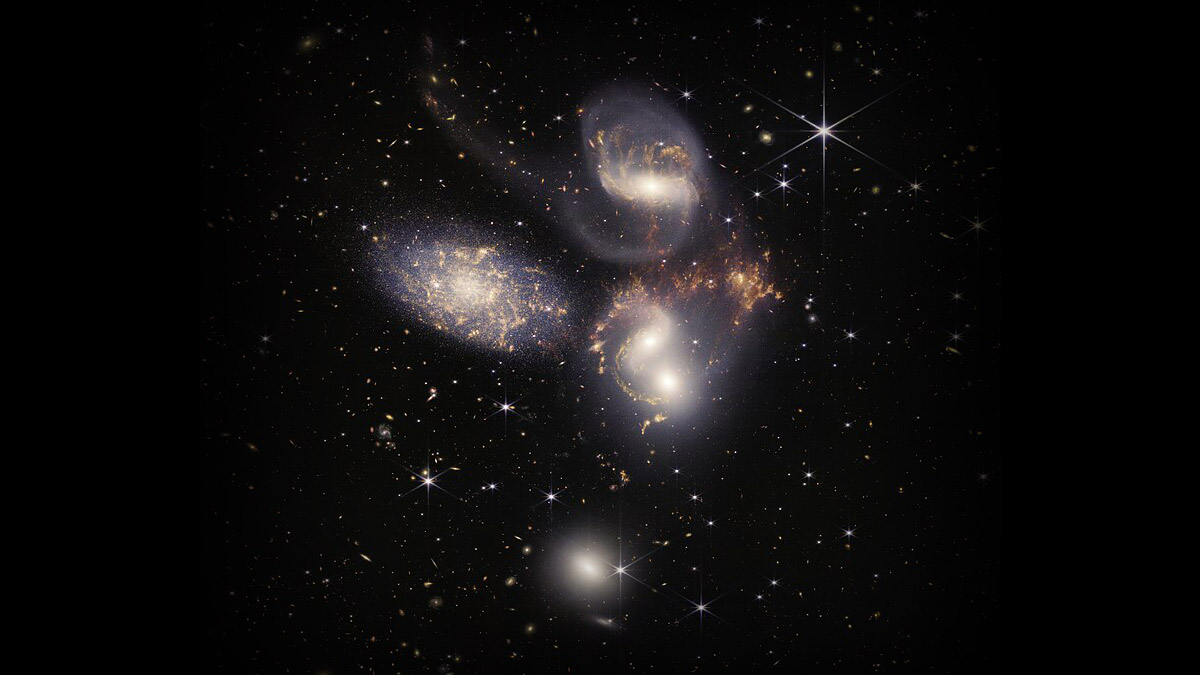
Learn about the celestial “angels” of It’s a Wonderful Life through the galaxies of Stephan’s Quintet in this personal reflection on cosmic wonder.
NGC 6819: The Foxhead Cluster
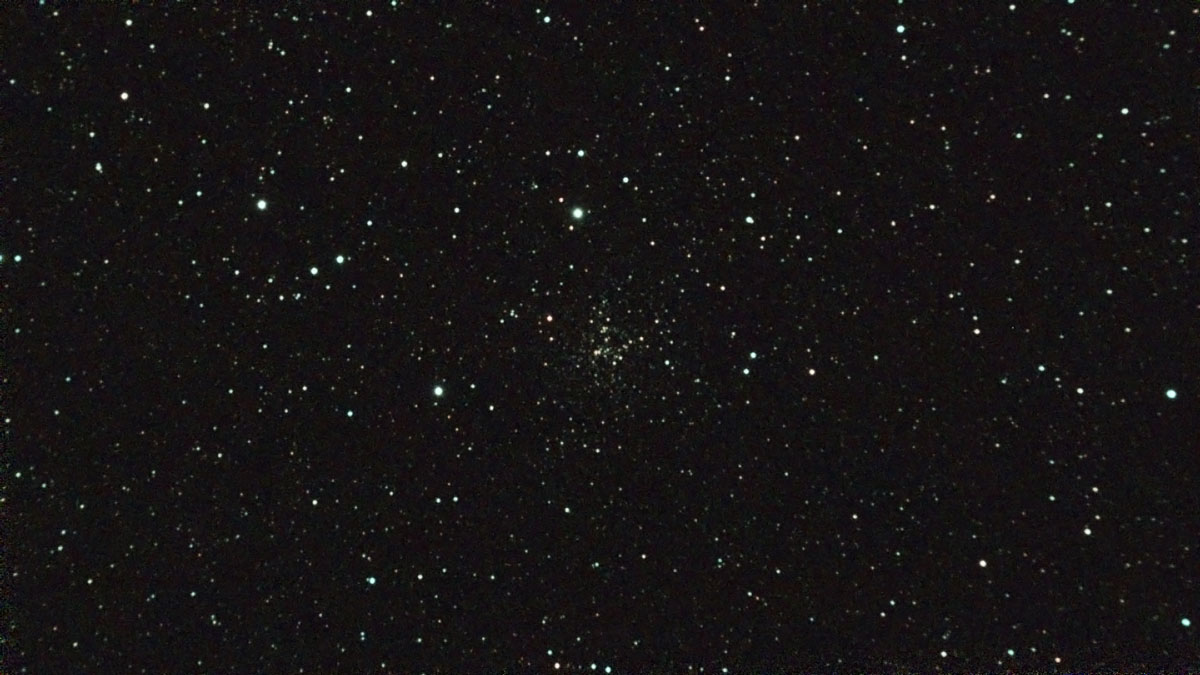
The constellation Cygnus is rich with countless celestial objects. Among these is the open star cluster NGC 6819, a great assembly of stars also known as the Foxhead Cluster. Backyard astronomers can enjoy visiting the fox head on summer and autumn nights, much like the pioneering astronomer Caroline Herschel, who first observed it on May 12, 1784.
52 Cygni: A Tight Double Star
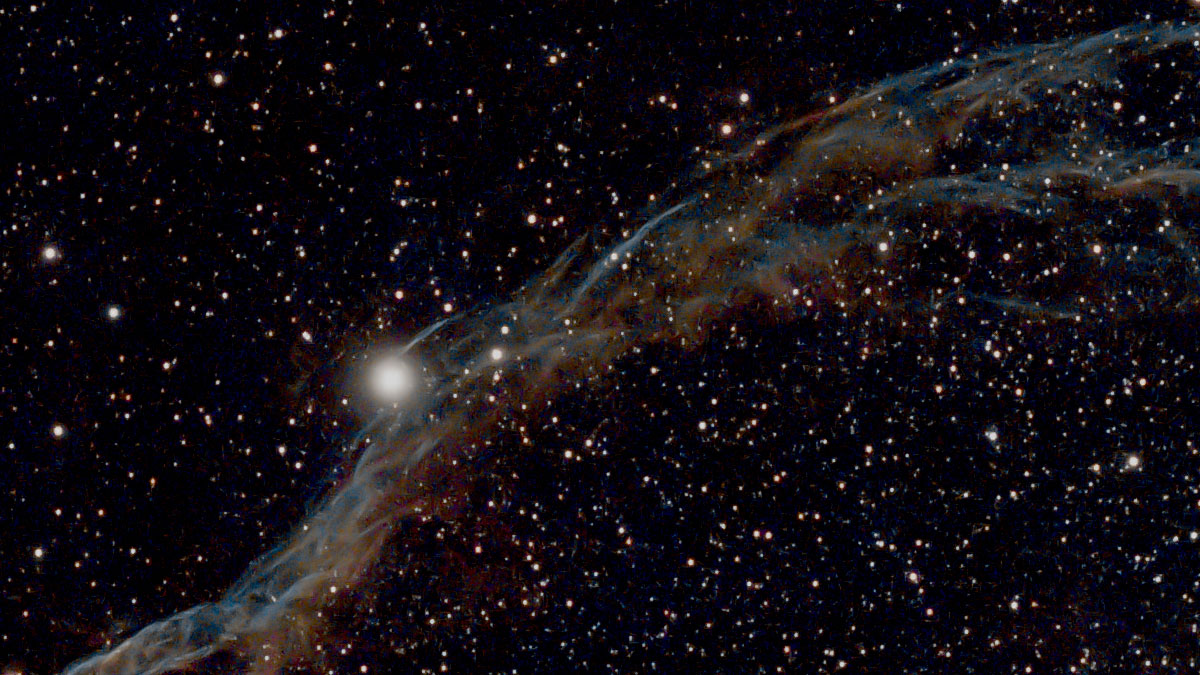
While no one can deny the beauty of the Western Veil Nebula, 52 Cygni (Struve 2726) also provides a visual treat to backyard observers who like double stars. 52 Cygni also known as STF 2726, SAO 70467, HD 197912, HR 7942, 52 Cyg, HIP 102453.
Algol (Beta Persei): The Devilish Winking Star

In the constellation of Perseus, around 93 light-years away, lies Algol, also known as the “Demon Star.” It’s a binary system where a dimmer star eclipses the brighter one every 2.87 days, causing a noticeable change in brightness, creating a characteristic “blink” that has fascinated observers for centuries. The star is also known as Beta Persei, β Per, 26 Persei, HD 19356, HIP 14576, HR 936, and SAO 38592.
6 (Iota) Trianguli: A Bronze and Blue Binary in the Constellation Triangulum
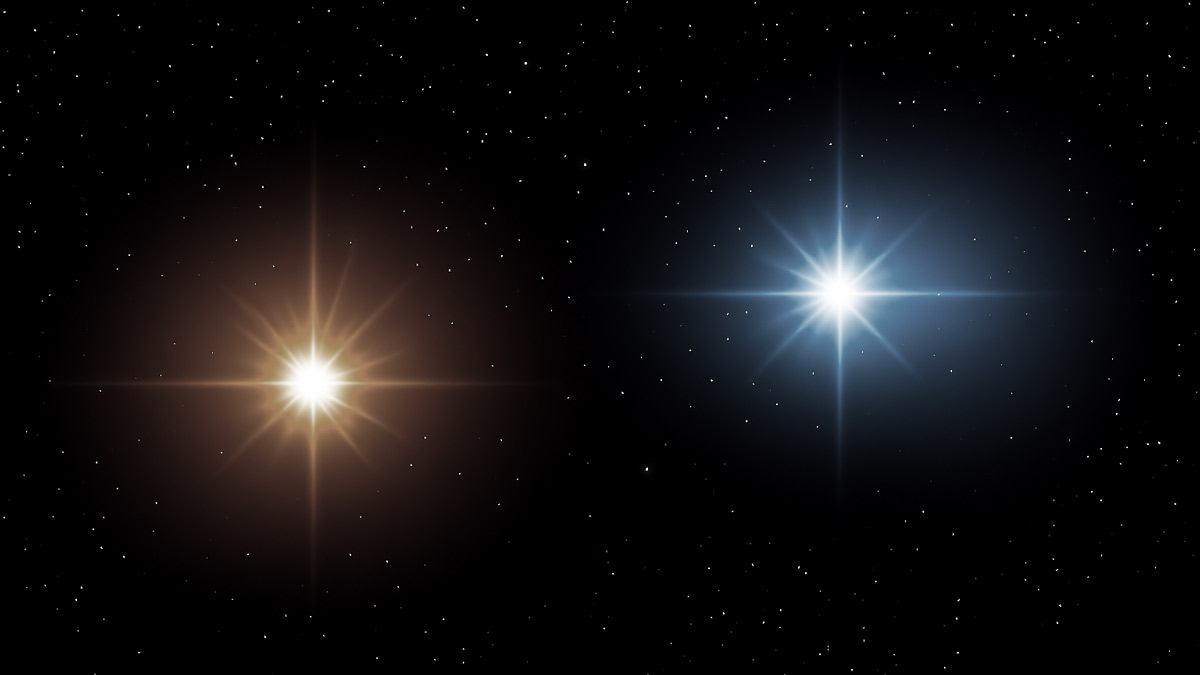
Triangulum is a distinctive northern constellation best observed in autumn and winter, featuring the Messier 33 galaxy and notable double stars like 6 Trianguli. Discovered by William Hershel, this binary system consists of a primary G5 giant and a fainter F5 dwarf star. It is a quadruple system with spectroscopic binaries.
IC 348: A Stellar Nursery and Fireworks Show in Perseus
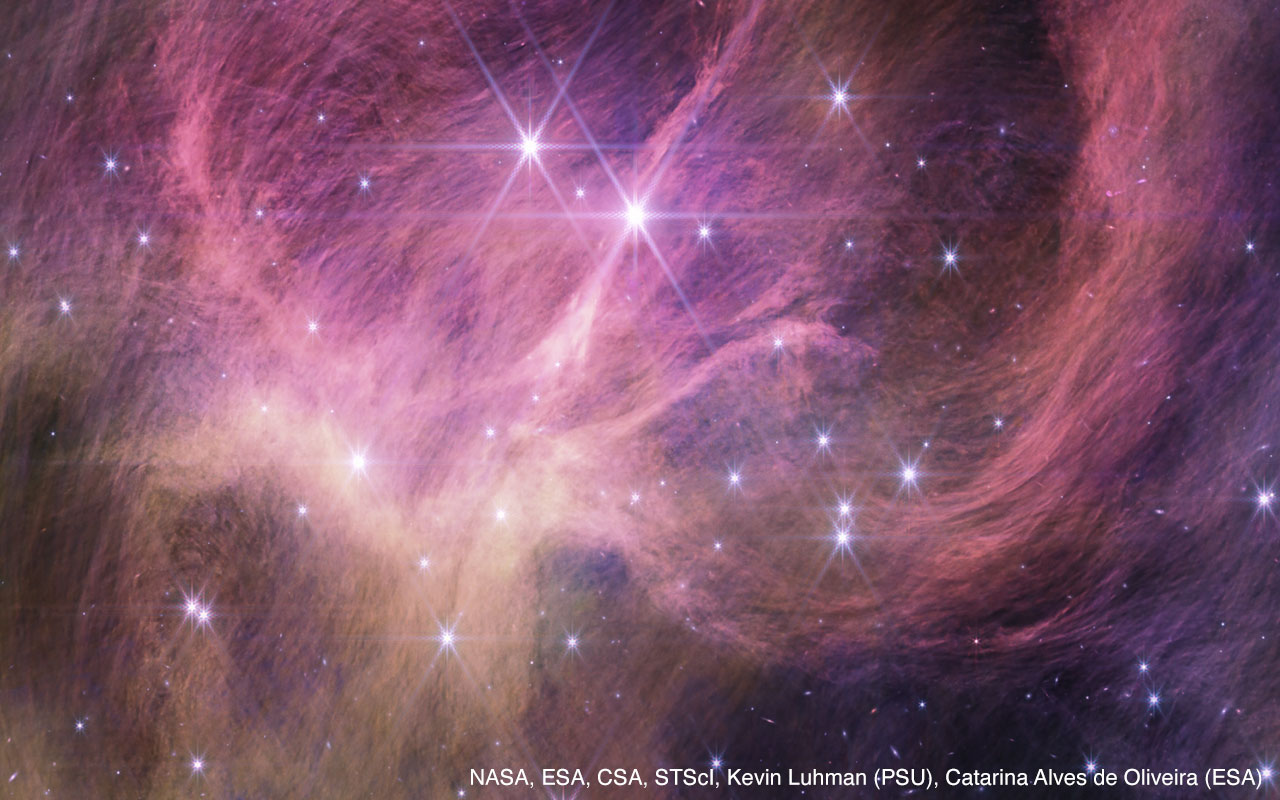
IC 348 is a beautiful star cluster wrapped in a veil of milky nebulosity. On autumn and winter nights, turn your attention to the Perseus constellation and this cosmic cradle where stars are born. It’s also known as C 0341+321, Collinder 41.
 The Garden Astronomer