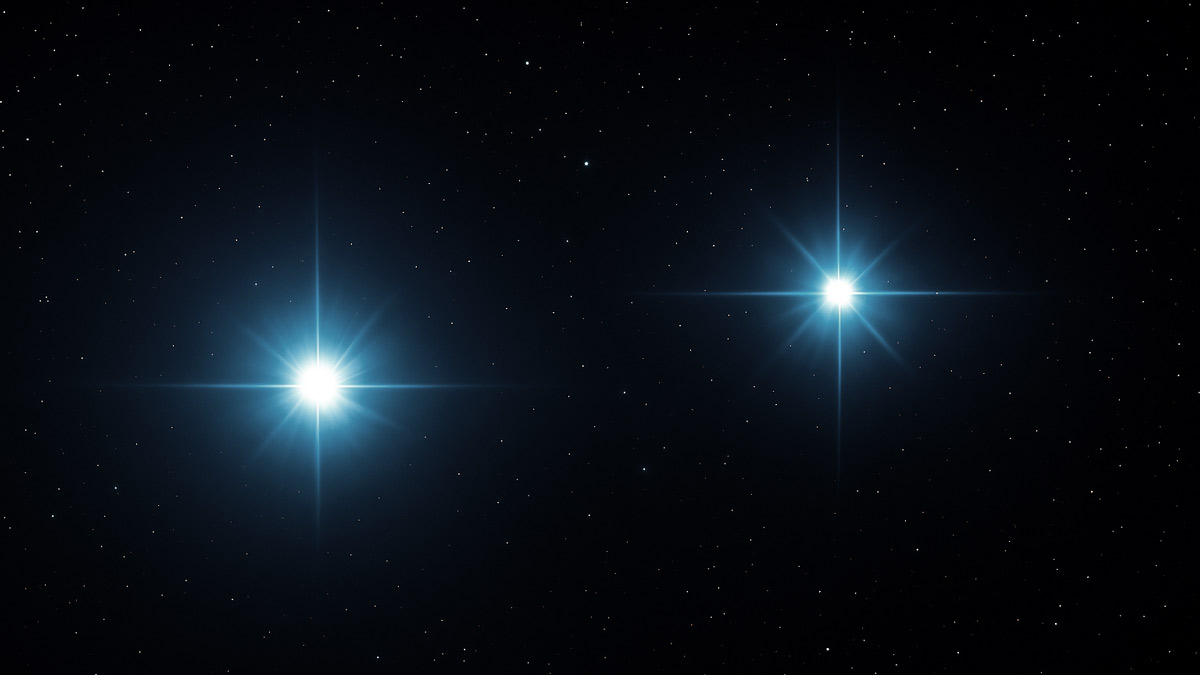
In the autumn constellation of Perseus, Epsilon Persei shines with a beautiful blue-white hue. Backyard astronomers will appreciate the star’s pretty aquamarine color and the challenge of seeing the dim companion star nearby. This multiple star system, also viewed as double star, is a bright target to view in fall. It also known as Struve 471, STF 471, HD 24760, SAO 56840, HR 1220, Eps Per, HIP 18532, Adid Australis
Tag Archives: Autumn
Struve 274: A White Binary Star in Cetus the Sea Monster
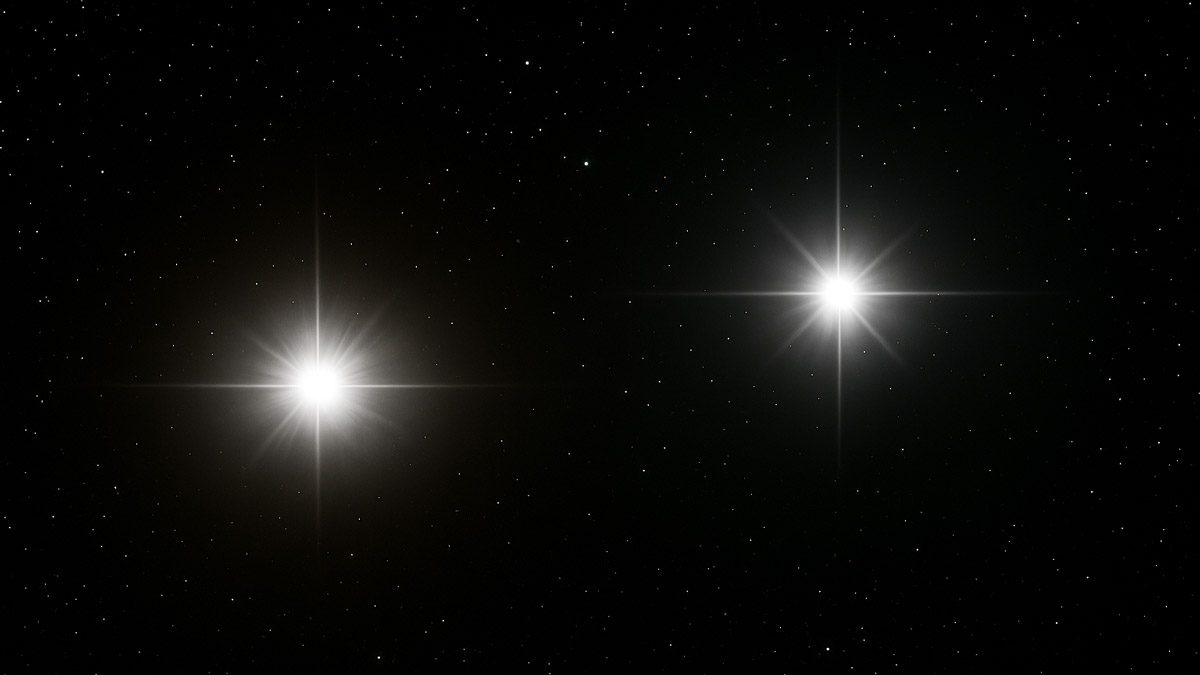
Among Cetus’ notable stars lies the binary star Struve 274, a quaint pair of white stars that are fairly easy to view in any modest backyard scope.
Struve 274’s stars are close in magnitude and color. The primary star shines at magnitude +7.5, while the nearby secondary is slightly dimmer at magnitude +7.6. The stars lie a healthy 13.7 arcseconds apart, making them an easy binary target for amateur astronomers. Also known as STF 274, HD 15695, SAO 110591, HIP 11737.
Nu Ceti (Struve 281): A Delicate Yellow and White Binary Star in Cetus the Sea Monster
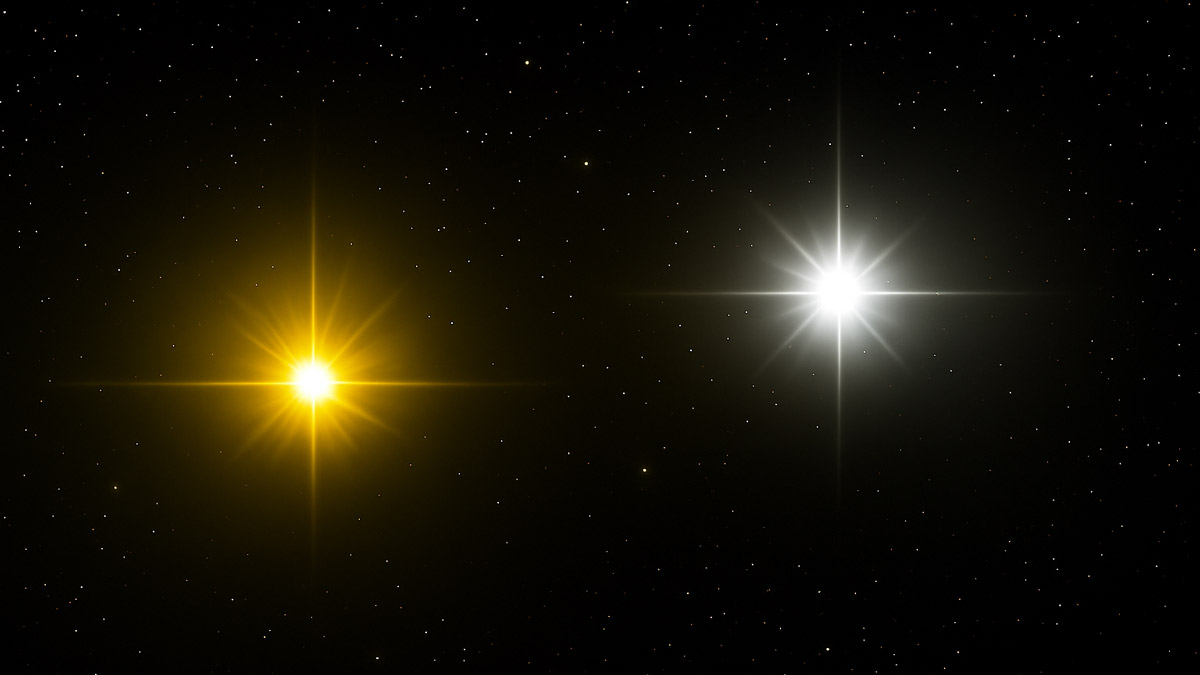
Among Cetus’ notable stars lies the binary star system of Nu Ceti also known as v Ceti and Struve 281. Nu Ceti is a magnitude 4.9 yellow star with a close dim companion star only 8 arcseconds away. Backyard astronomers will enjoy the challenge of splitting this tight pair that lies in the late autumn constellation of Cetus. The double star is also known as STF 281, Nu Cet, SAO 110635, HIP 12093, HD 16161, HR 754, v Cet.
VX Andromedae: A Burgundy Carbon Star in Andromeda
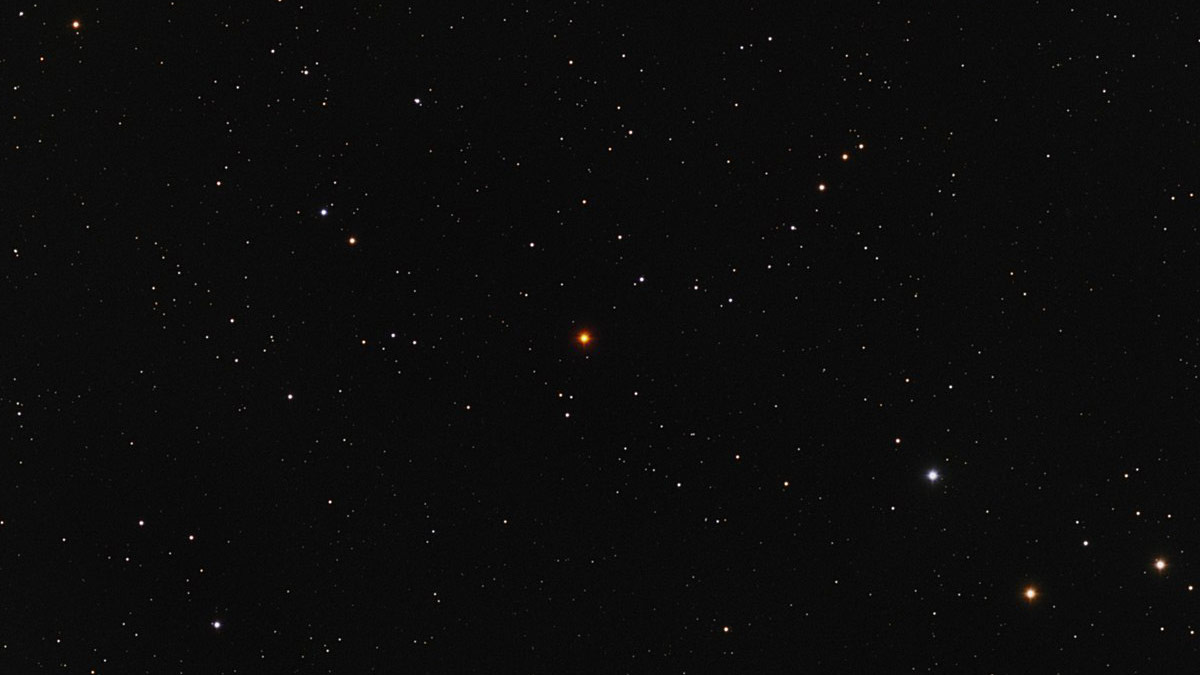
VX Andromedae is a carbon star with a middle red hue. One can view it best on autumn nights as it lies in the constellation Andromeda. It’s also known as HD 1456.
Kappa Andromedae: A Double Star with a Companion Exoplanet

Kappa Andromedae resides in the constellation Andromeda, a constellation taking a prominent position high in the sky on late autumn nights. Due to its bright visual magnitude of 4.1, Kappa Andromedae is viewable with the naked eye, even from suburban locations. A gas giant exoplanet orbits the star. Also known as Kap And, SAO 53264, HJ 1898, HIP 116805, HR 8976, HD 222439, 19 Andromedae, k And.
Struve 108 (HD 7853): A Light Yellow Double Star in Andromeda
Nestled within the constellation of Andromeda, the double star Struve 108 is a yellow-white colored shines with a magnitude of +6.5. Also known as HR 379 and SAO 54592.
HD 2767 (HR 122): A Pumpkin Binary Star for Halloween in Andromeda
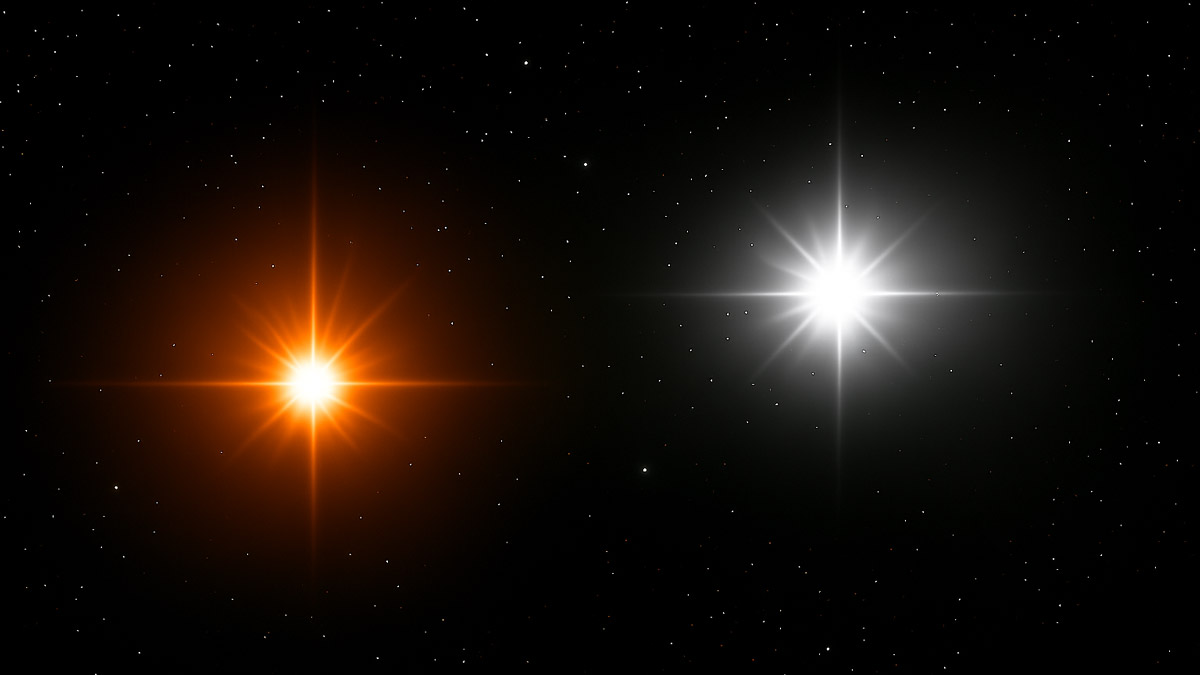
Nestled within the constellation of Andromeda, the binary star HD 2767 is a pumpkin-colored binary star, making it a perfect target on autumn nights. Also known as HR 122 and SAO 53956.
Struve 2486 (HD 179558): A Buttery Binary in Cygnus
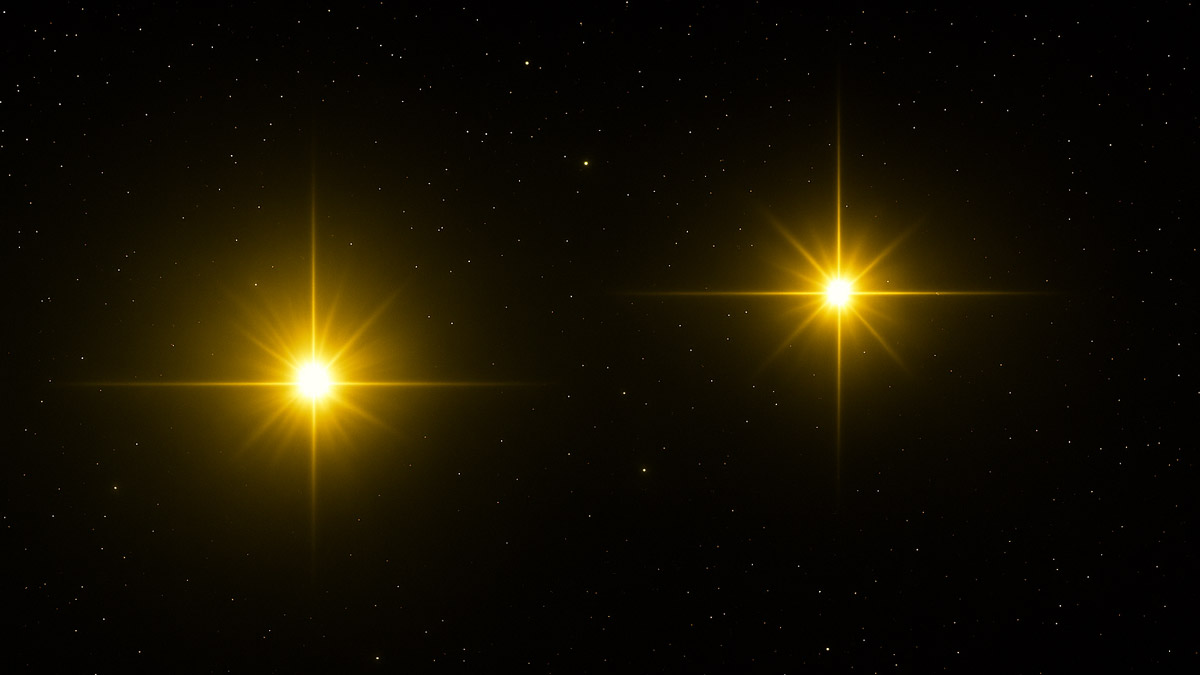
The binary system, Struve 2486, was first recorded in 1819 by astronomer Friedrich Georg Wilhelm Struve. It can be easily observed through most modest backyard telescopes. Both stars in this binary system are bright, yellow and have a similar magnitude.. Also known as HD 179558 and SAO 48192 and HR 7293.
 The Garden Astronomer