
During summertime and autumn, Struve 2470 and 2474 make for an entrancing sight in the night sky. These two double-star systems are located close to each other and appear parallel due to their orientation. These four stars can appear in the eyepiece together, making for a beautiful harmony in the cosmos. Also known as SAO 67870 and SAO 67875.
Tag Archives: Autumn
Struve 2840: An Easy to See Blue and White Pair in Cepheus
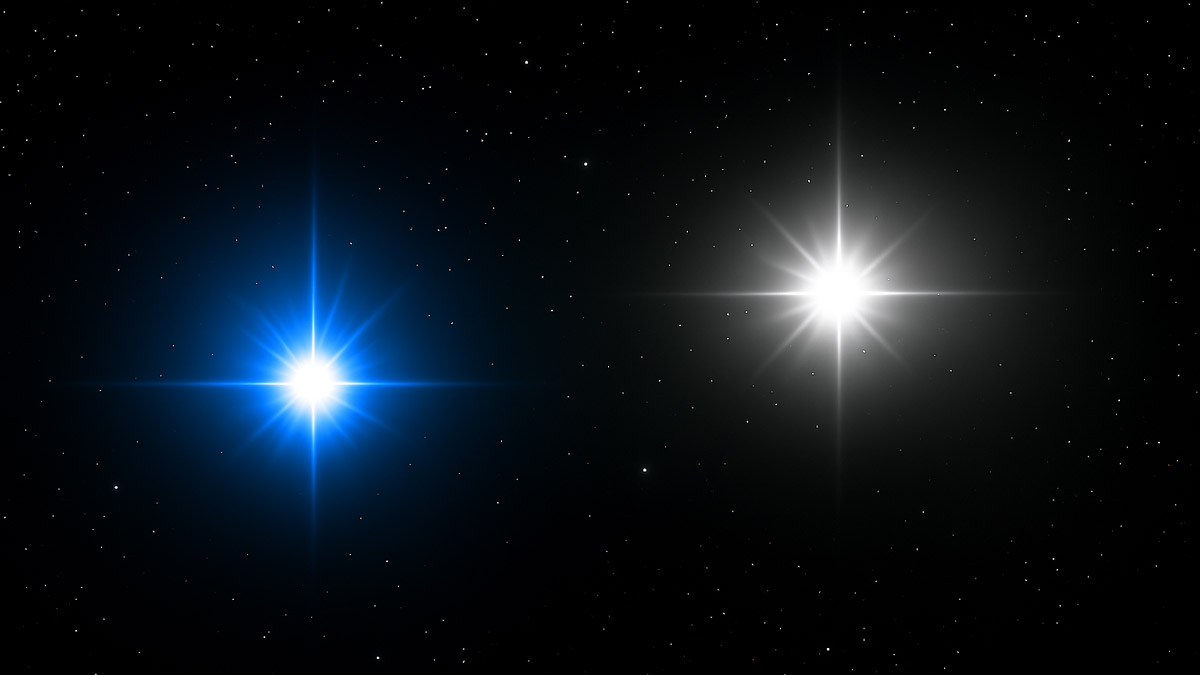
The double star Struve 2840 is located in the northern sky within the constellation Cepheus. Backyard astronomers should find it pretty easy to separate Struve 2840’s two stars, which are separated by 18 arcseconds. The pair is also known as STF 2840, SAO 33819, HD 208063, HR 8357.
Kappa Cephei: A Cosmic Dance Between a Bright and Dim Star
Kappa Cephei, also known as κ Cep and SAO 9665, is a binary star located in the Cepheus constellation. This pair is a tight, but pretty double viewed through a telescope and a good target for backyard astronomers. This system, discovered in 1782, is especially appealing because one star is brighter than the other. Learn about this autumn gem and what you can expect to see through your telescope.
Omicron Cephei: A Challenging but Rewarding Pair in Cepheus

Omicron Cephei, a binary star system situated in the northern sky in the constellation, Cepheus, consists of two contrasting stars; an F-type primary star and a G-type giant companion. This pair’s binary nature was first noted in 1832, and it lies 203 light years away, requiring a moderately-sized telescope for viewing. The binary is also known as SAO 20554, Struve STF 3001, HIP 115088.
Struve 2816 and 2819: Fantastic Stars in Cepheus
Struve 2816 and 2819 make their home in the constellation Cepheus. This much-loved autumn constellation boasts several remarkable celestial objects.
Sketch of Struve 2816 and Struve 2819 as shown in the same 12mm eyepiece in a 8-inch SCT scope. Both sets of double and triple stars are beautiful in the constellation Cepheus. The drawing shows both sets of star also known as STF 2819 and 2816. Also go by (SAO 33626, HD 206267, HR 8281) and (SAO 33652, HD 206482)
NGC 6709: An 8-Bit Game Character in Aquila’s Star Cluster
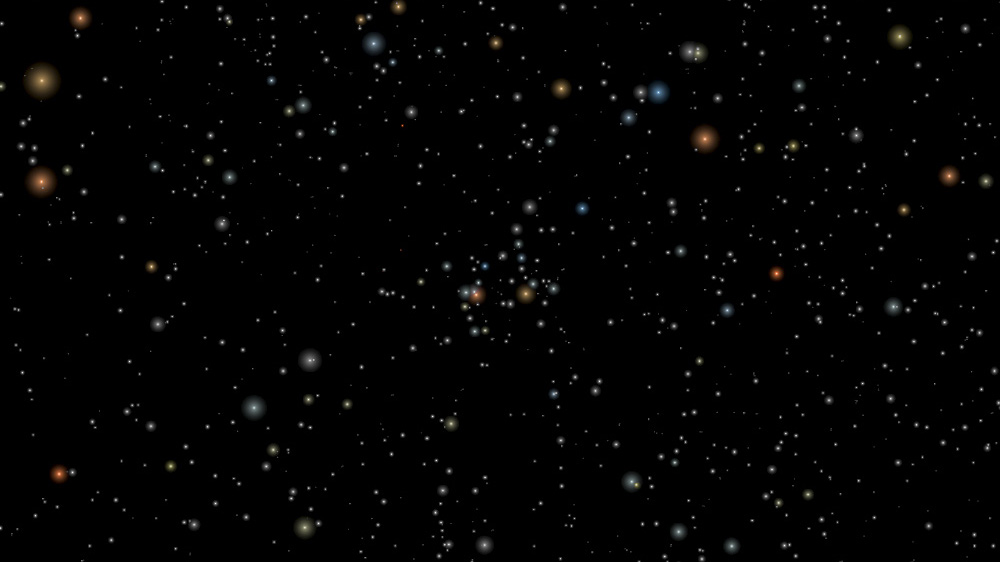
NGC 6709 is located in the constellation Aquila (the Eagle) best viewed on late summer and early autumn nights. This congregation of stars was first documented by the renowned astronomer William Herschel in 1784. One may not find much written about the cluster, but this fact doesn’t diminish its attractiveness. Approximately 300 stars make upContinueContinue reading “NGC 6709: An 8-Bit Game Character in Aquila’s Star Cluster”
Struve 2742: A Challenging, Yet Rewarding Binary in Equuleus
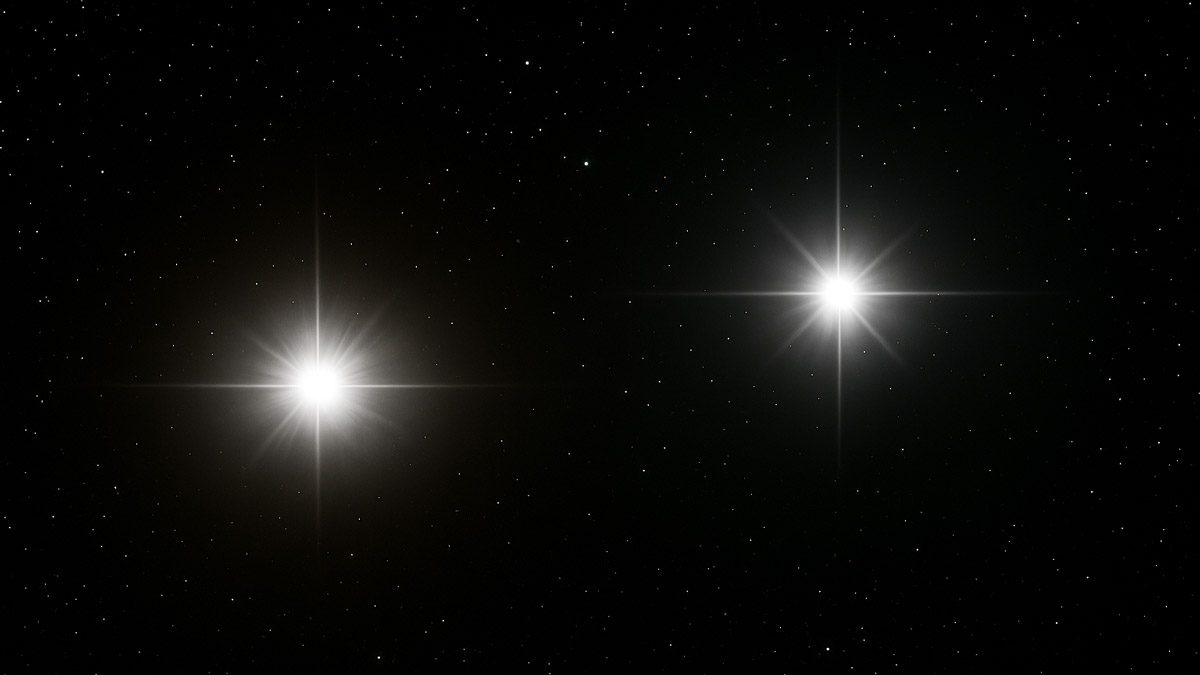
Struve 2742 is a binary star in Equuleus, first noted in the 19th century. Best viewed in late summer and autumn, it features two stars 3 arcseconds apart, requiring at least a 6-inch telescope for a clear view. With magnitudes of +7.4 and +7.6, it’s a rewarding target for amateur astronomers. Article includes a drawing of the binary also known as SAO 126482, HD 200256, HIP 103813, 2 Equulei, Lam Equ, λ Equ
Epsilon Equulei (Struve 2737): A Quaint Star System of Yellow and Violet in Equuleus
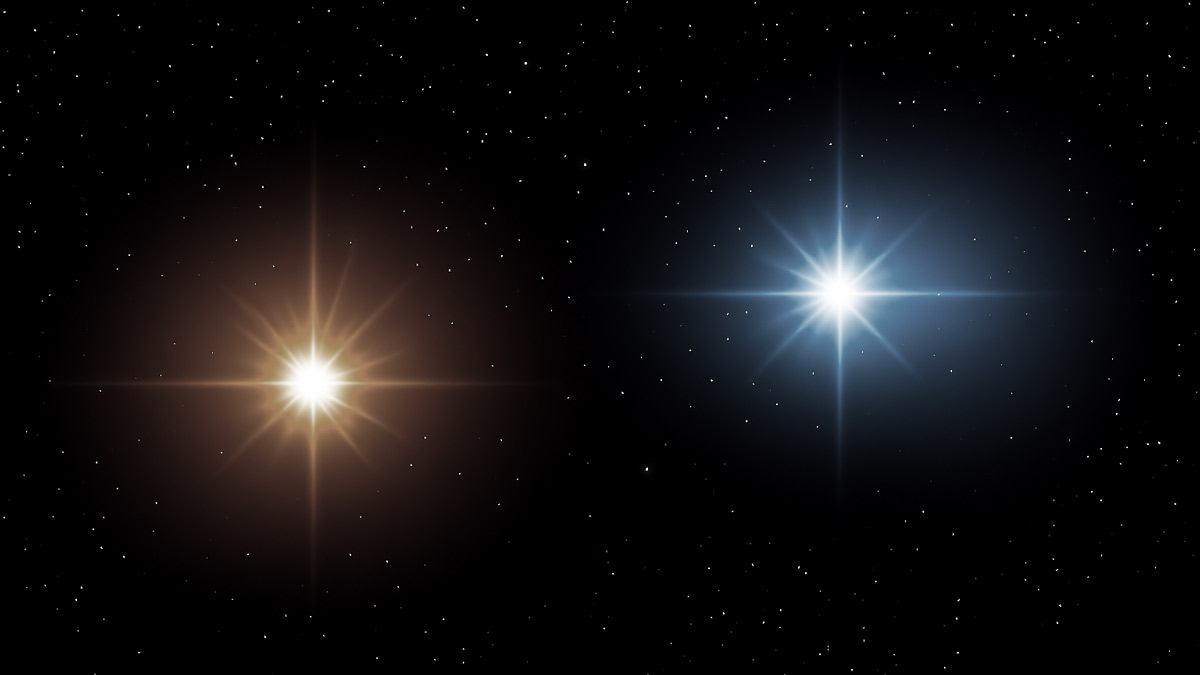
The delicate and pretty magnitude 5 triple star Epsilon Equulei shines down from the constellation Equuleus on late summer and autumn nights. Learn more about this pretty star and see what it looks like through a backyard telescope.
 The Garden Astronomer