Eta Boötis, known as Muphrid, is a subgiant star roughly 37 light-years from Earth, overshadowed by the brighter Arcturus. Muphrid shines with a magnitude of 2.7 and is accompanied by a fainter companion star. Observations reveal challenges in identifying its companions, highlighting its unique charm in the spring sky. η Boötis, HR 5235, HD 121370, HIP 67848, SAO 100766, BD+18°2759, SHJ 169
Tag Archives: Boötes
Struve 1850: A Wide Binary Star in Boötes
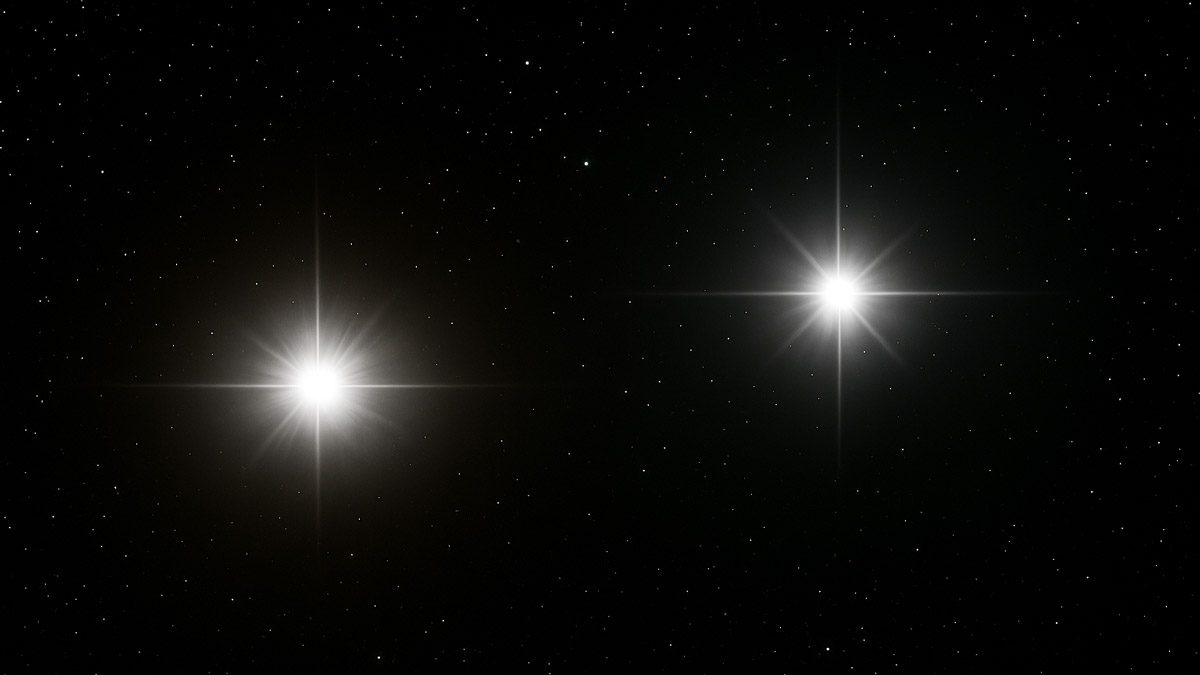
Struve 1850, a binary star system in the Boötes constellation, consists of two nearly identical A1V stars, easily observable with binoculars or small telescopes. Discovered by Friedrich Struve in 1823, they are over 800 light-years away. Their similar luminosity and proximity make them delightful targets for amateur astronomers. Also known as: STF 1850, HD 127067, SAO 83374, HIP 70786, HR 5414
Delta Boötis (Princeps): A Golden Yellow Double Star in Boötes

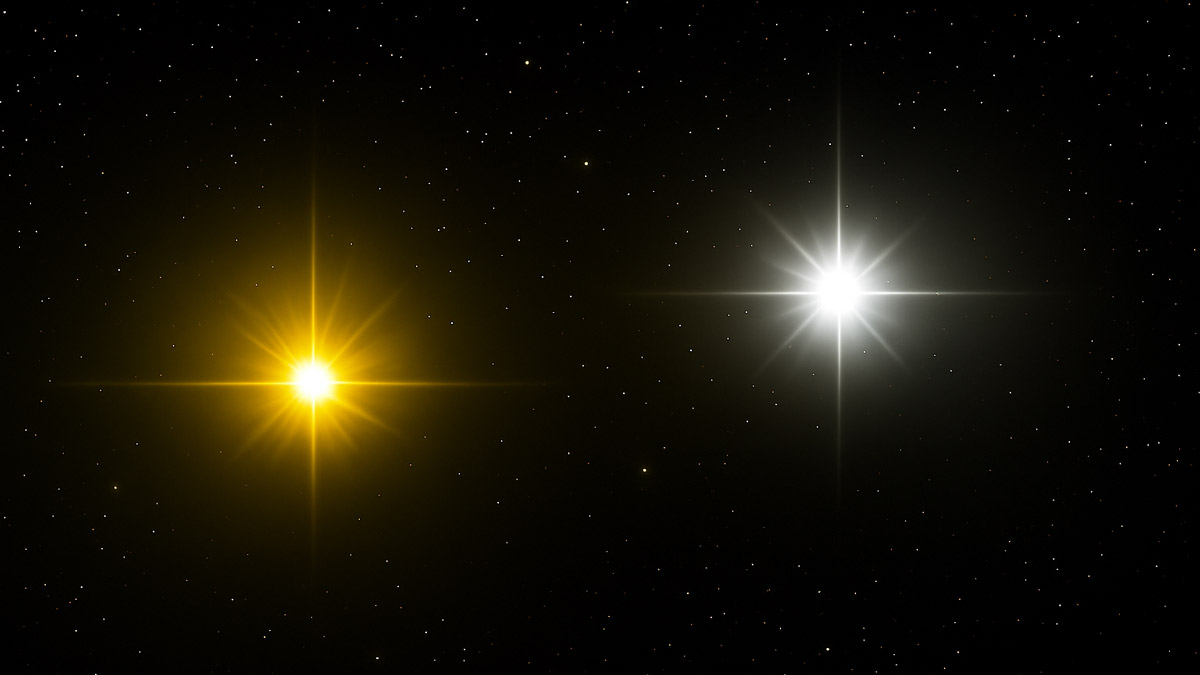
On spring and summer nights, the double star Delta Boötis shines down from the northern constellation of Boötes, the Herdsman. The two stars are wide apart in the sky, making them an easy target to find. Accounting for the significant separation between the two and the beautiful golden hue of the primary star, this double star instantly becomes a gem for backyard astronomers. The pair is also known by the following: Del Boo, STFA 27, SAO 64589, HD 135722, 49 Bootis, δ Boo, HR 5681, HIP 74666
Iota Boötes (Asellus Secundus): A Wide Yellow and Lilac Double Star

The double star Iota Boötis shines down from the northern constellation of Boötes. The two stars are separated by approximately 39 arc seconds of space, making the pair visible to those with smaller telescopes—and maybe even binoculars.
Struve 1835: A Double Star of Brilliant White and Deep Yellow in Boötes
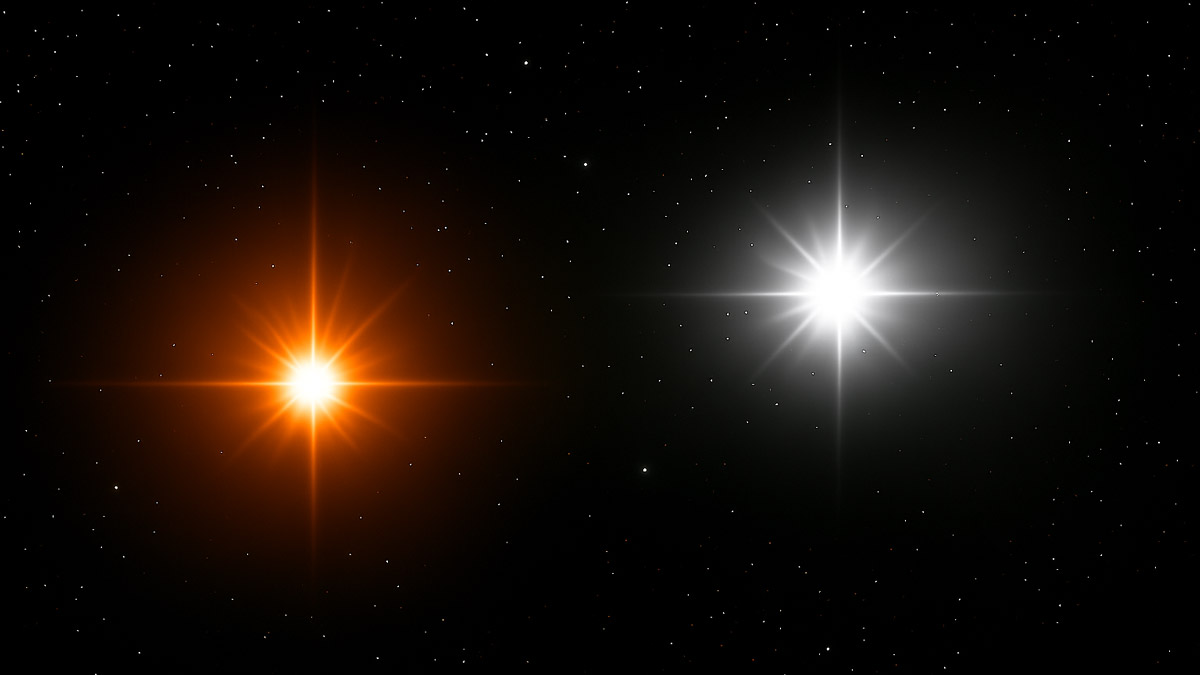
Struve 1835 is an attractive double star in the northern constellation of Boötes. It’s best viewed during the springtime. Observers can view this binary with its white and deep yellow companion using a small telescope, even from the suburbs. The binary is also known as SAO 120426, HD 126129, HR 5386.
Kappa Boötis (Asellus Tertius): A Double Star of White and Deep Blue in Boötes
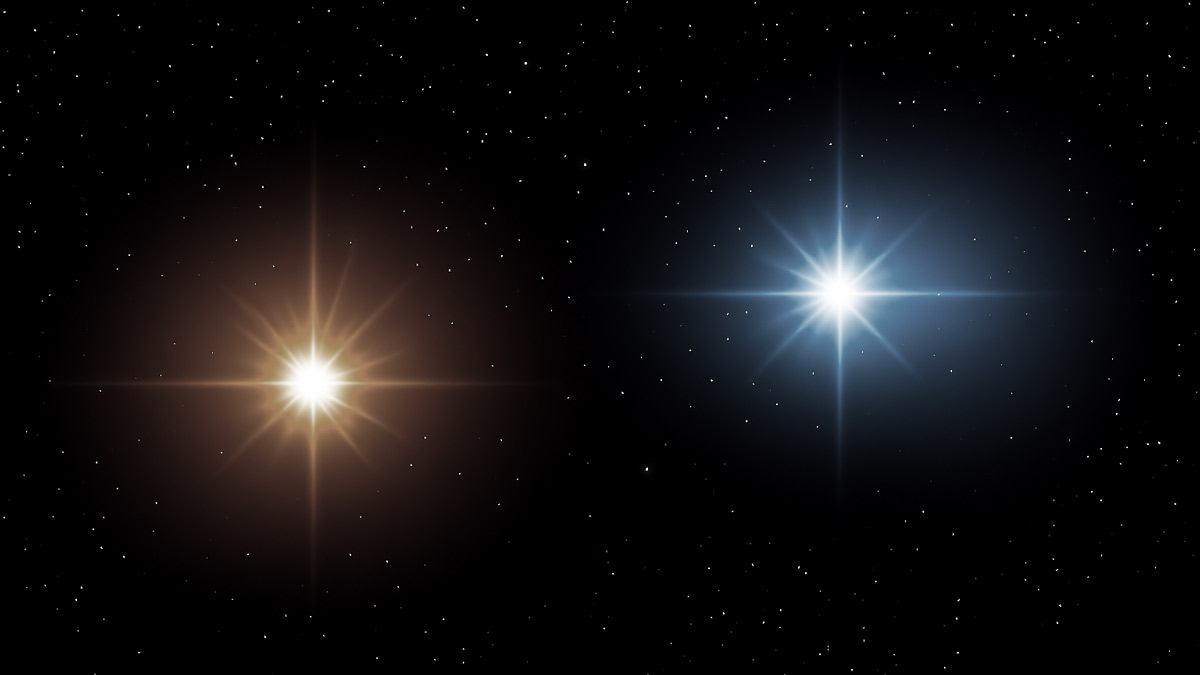
Kappa Boötis is an attractive double star in the northern constellation of Boötes. It’s best viewed during the springtime. Observers can view this binary with its white and deep blue companion using a small telescope, even from the suburbs.
Izar (Epsilon Boötis): A Bit of Science Fiction and Loveliness

The binary star named Izar, also known as Epsilon Boötis, is located in the constellation Boötes and is best viewed in late spring. It takes a decent telescope and clear skies to split this double, but the effort pays off!
Struve 1825: A Close Orange and Yellow Double in Boötes
Struve 1825, sits near the bright star Arcturus and has an orange and yellow pair sitting in Boötes.
 The Garden Astronomer