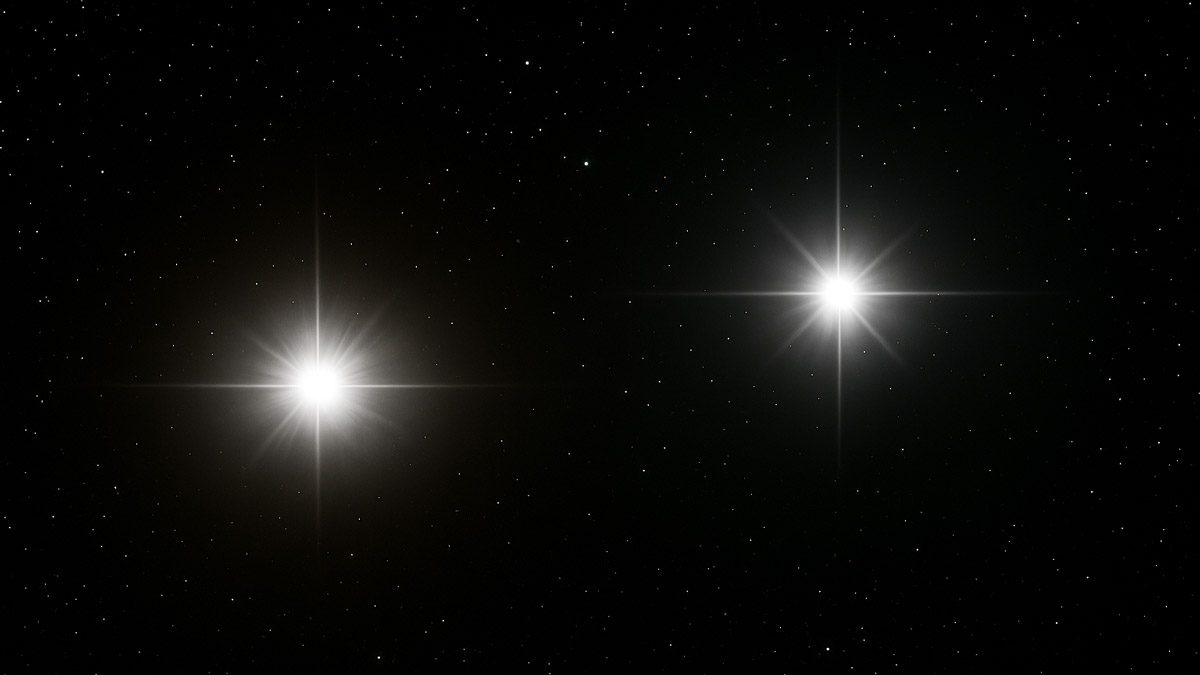
Explore WNO 1 in Cetus, a subtle double star perfect for small telescopes. Observation tips, star details, and a peaceful night sky experience.
Tag Archives: Cetus
Caldwell 56: The Haunting Skull Nebula in Cetus
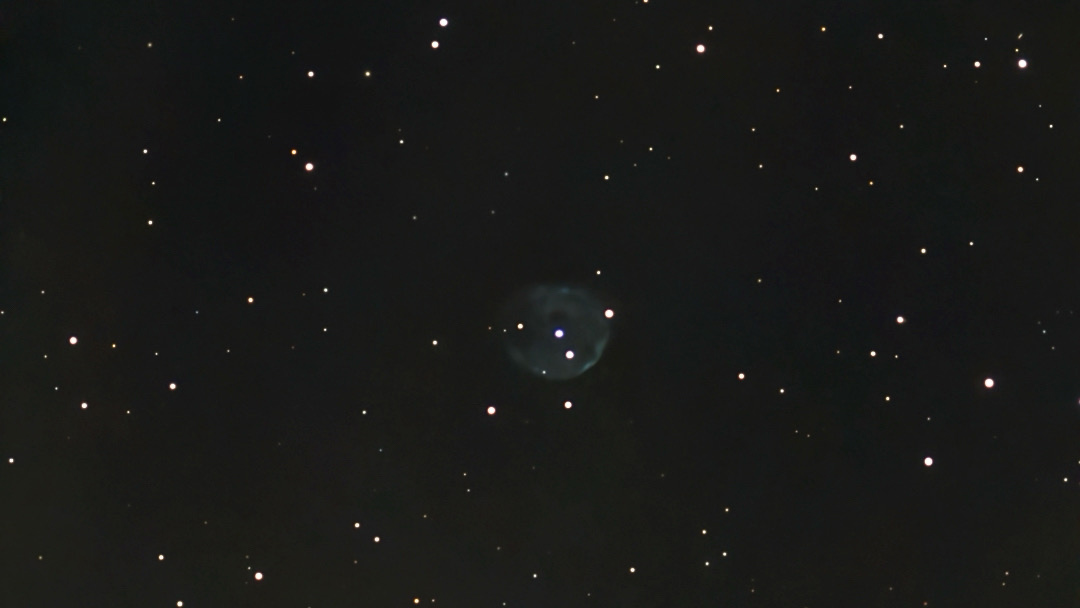
The Skull Nebula, known as NGC 246 or Caldwell 56, resides in the constellation Cetus. Discovered by William Herschel in 1785, the planetary resembles a human skull due to gas distribution. It features a white dwarf and two companion stars. Though challenging to observe, it captivates astronomers, symbolizing change and the cosmos’ enduring nature.
Struve 274: A White Binary Star in Cetus the Sea Monster
Among Cetus’ notable stars lies the binary star Struve 274, a quaint pair of white stars that are fairly easy to view in any modest backyard scope.
Struve 274’s stars are close in magnitude and color. The primary star shines at magnitude +7.5, while the nearby secondary is slightly dimmer at magnitude +7.6. The stars lie a healthy 13.7 arcseconds apart, making them an easy binary target for amateur astronomers. Also known as STF 274, HD 15695, SAO 110591, HIP 11737.
Nu Ceti (Struve 281): A Delicate Yellow and White Binary Star in Cetus the Sea Monster
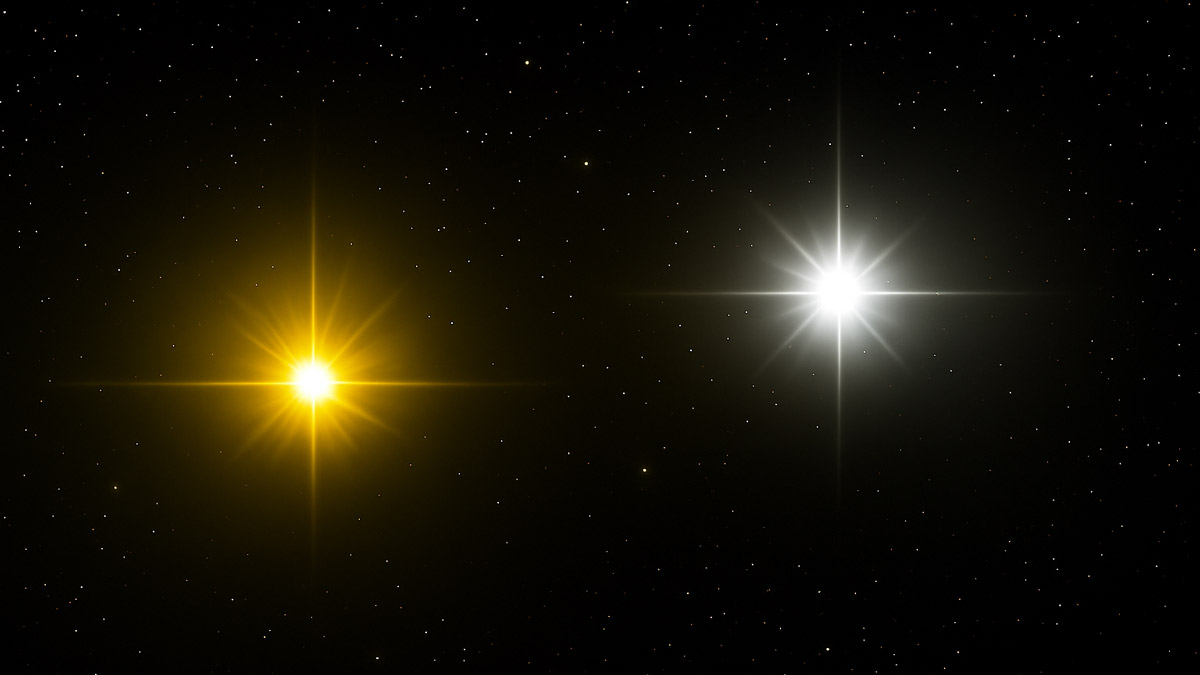
Among Cetus’ notable stars lies the binary star system of Nu Ceti also known as v Ceti and Struve 281. Nu Ceti is a magnitude 4.9 yellow star with a close dim companion star only 8 arcseconds away. Backyard astronomers will enjoy the challenge of splitting this tight pair that lies in the late autumn constellation of Cetus. The double star is also known as STF 281, Nu Cet, SAO 110635, HIP 12093, HD 16161, HR 754, v Cet.
66 Ceti: A Double Star of Buttery Yellow and Lavender

66 Ceti shines from the sea monster Cetus, swimming through the night skies of autumn to early winter. Backyard astronomers turning their scopes to 66 Ceti will find a close attractive pair of stars, one with a yellow hue and the other lavender in color.
 The Garden Astronomer