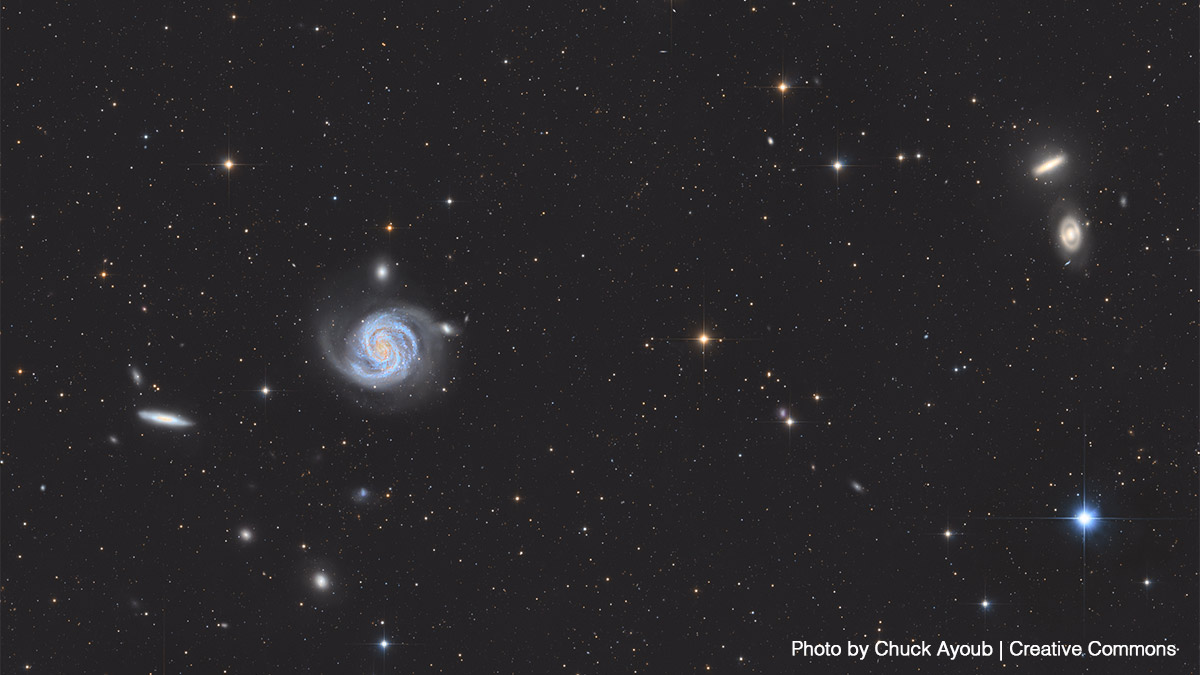
Messier 100 (M100) is a grand design spiral galaxy located 55 million light-years away in Coma Berenices. Discovered by Pierre Méchain in 1781, it features symmetrical arms with vibrant star-forming regions. M100 is both visually striking and dynamic, making it a favorite for amateur astronomers. This post provides history and personal observations using a Seestar S50. Also known as NGC 4321, UGC 7450, PGC 40153.
Tag Archives: Coma Berenices
NGC 4565: The Needle Galaxy
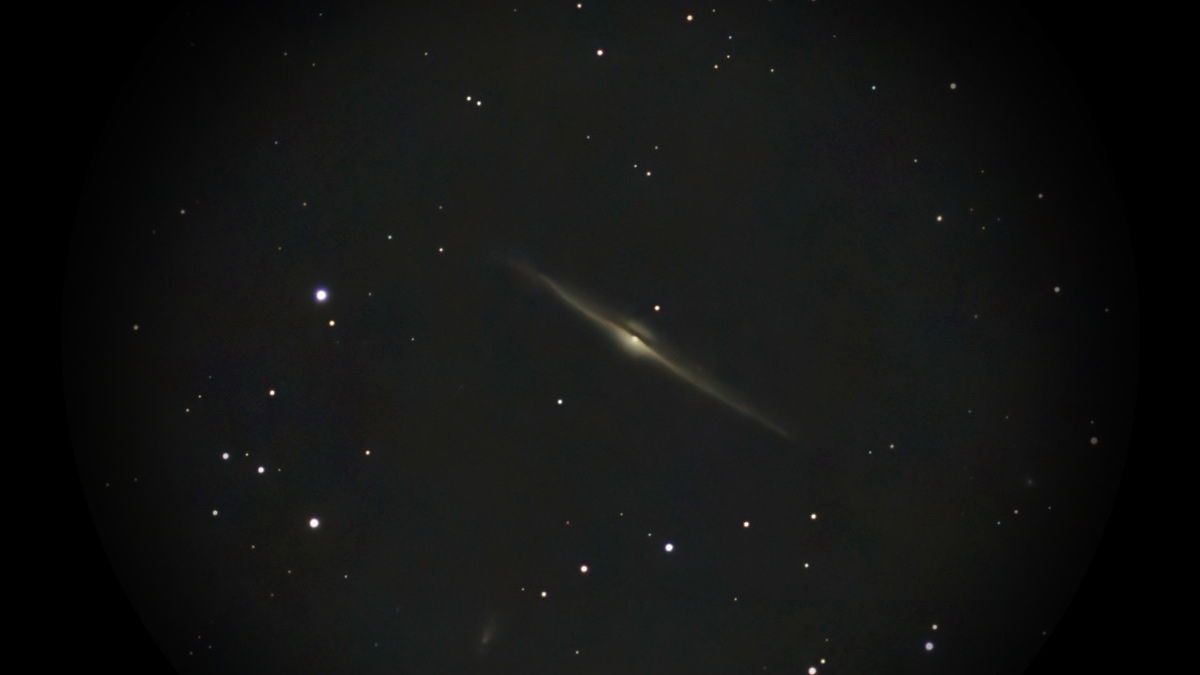
The post discusses the Needle Galaxy (NGC 4565) located in the Coma Berenices constellation, notable for its thin, edge-on spiral structure. It features a sketch of the galaxy as it appears through a telescope along with a photo from a Seestar S50. Also known as Caldwell 38 (C38). The article also mentions and shows NGC 4562 nearby.
12 Comae Berenices: A Bright Double Star Greets You in Coma Berenices

12 Comae Berenices is a pretty double star in the northern constellation of Coma Berenices. At a magnitude around +4.8, backyard astronomers can enjoy this bright binary on spring nights.
Struve 1678: A Light Yellow Double of Equal Brightness in Coma Berenices

Struve 1678 (STF 1678) is a double star of nearly equal brightness in the constellation Coma Berenices, best viewed on spring nights. The binary stars are wide apart at 37 arc seconds, making it an easier target. This double is also known as SAO 100235 or HIP 62249.
Messier 85 (NGC 4382): An Intriguing Haze in a Cluster of Galaxies
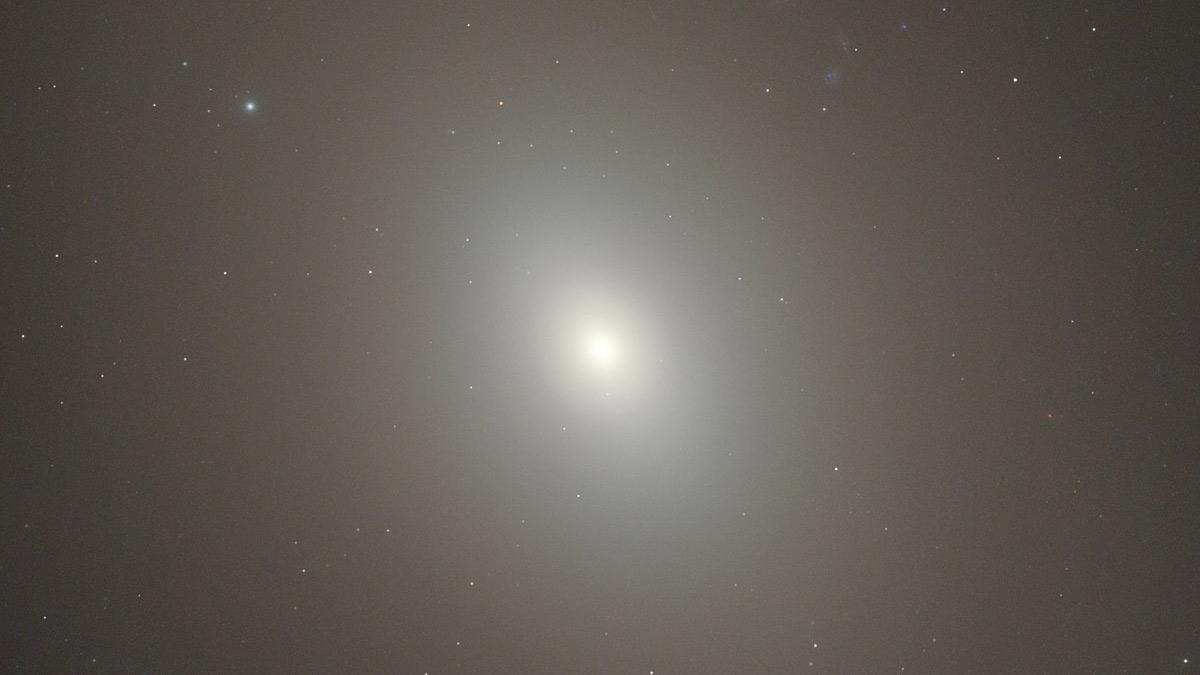
Messier 85 happens to be one of the brightest galaxies among the Como-Virgo cluster and is best viewed in May. So if you are a backyard astronomer fighting light pollution, be sure to give this object a try.
Messier 53 (NGC 5024): An Old, Bold Globular Cluster on the Outskirts of the Milky Way

Messier 53 is a globular cluster on the outskirts of our galaxy at nearly 60,000 light years above us. M53 is also unique as it has a more blue straggler stars than other globulars.
Coma Star Cluster: An Egyptian Queen’s Long Hair

The Coma Star Cluster is nearby open cluster in the constellation Coma Berenices. It’s best viewed in the spring. Open any app or astronomy book with drawings of the constellations. While looking at Coma Berenices, you’ll see a cluster of around 40 stars and few cascading bright stars that make up the queen’s long-flowing hair.ContinueContinue reading “Coma Star Cluster: An Egyptian Queen’s Long Hair”
24 Comae Berenices: An Amber and Sapphire Double Graces the Spring Sky
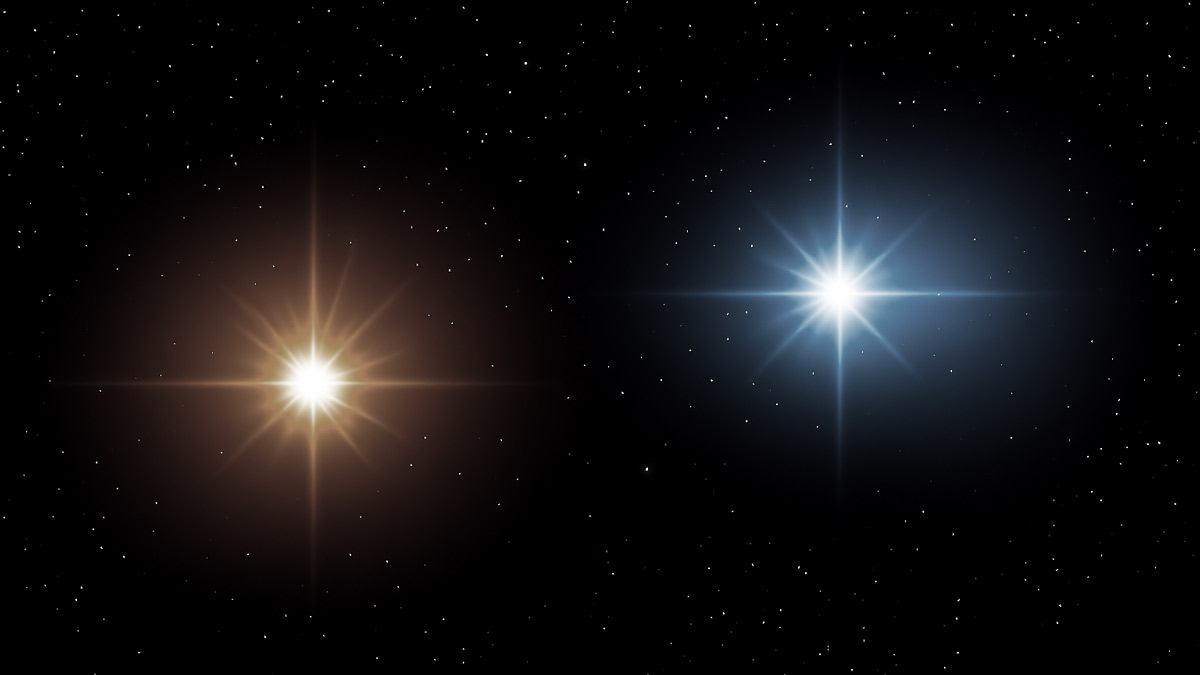
24 Comae Berenices is a pretty double star. This striking contrast of the primary amber star against the smaller bluish star makes this pair a worth target in springtime skies.
 The Garden Astronomer