
Explore NGC 6883, a small star cluster in Cygnus, and discover its connection to a sprawling stellar neighborhood. Includes sketch under suburban skies.
Tag Archives: Cygnus
The Crescent Nebula: A Star’s Fiery Farewell

Discover the NGC 6888 Crescent Nebula—its turbulent origins, glowing arcs, and my sketch and photo showcasing this breathtaking deep-sky marvel.
IC 4996: A Faint, Yet Rich Star Cluster in Cygnus

Explore IC 4996, a young open star cluster in Cygnus. Discover its brilliant blue stars, stellar youth, and tips for observing this cosmic nursery.
Chi Cygni: The Pulsating Beauty of Cygnus
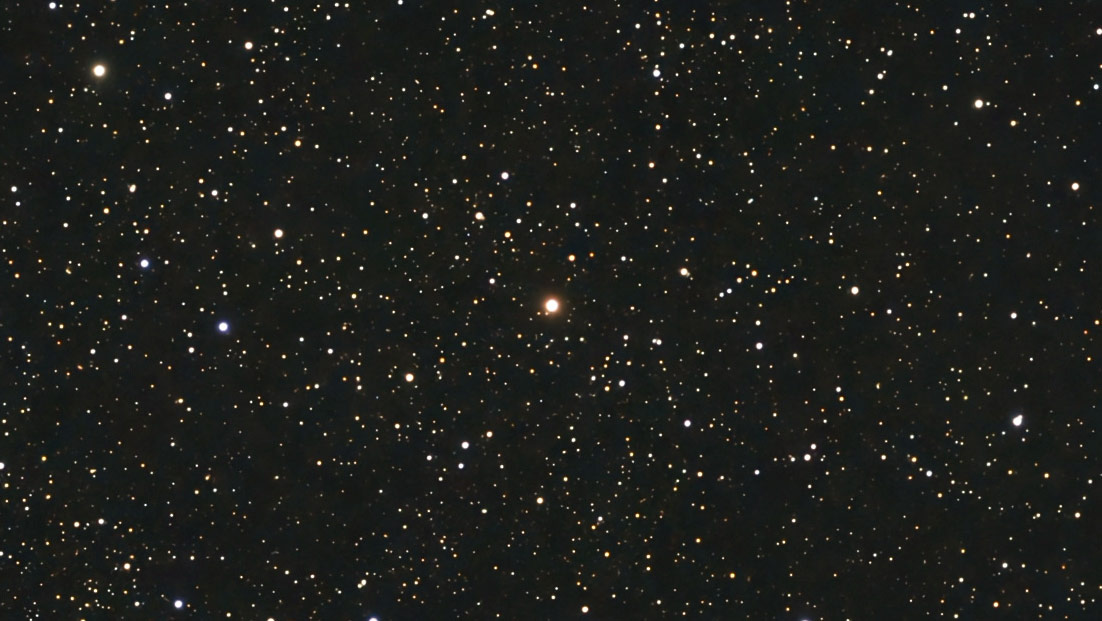
Explore Chi Cygni, a variable red giant in Cygnus whose rhythmic brightening and fading reveal the life cycles of stars. Includes new astrophotography.
Exploring Black Hole Cygnus X-1 and Its Companion Star
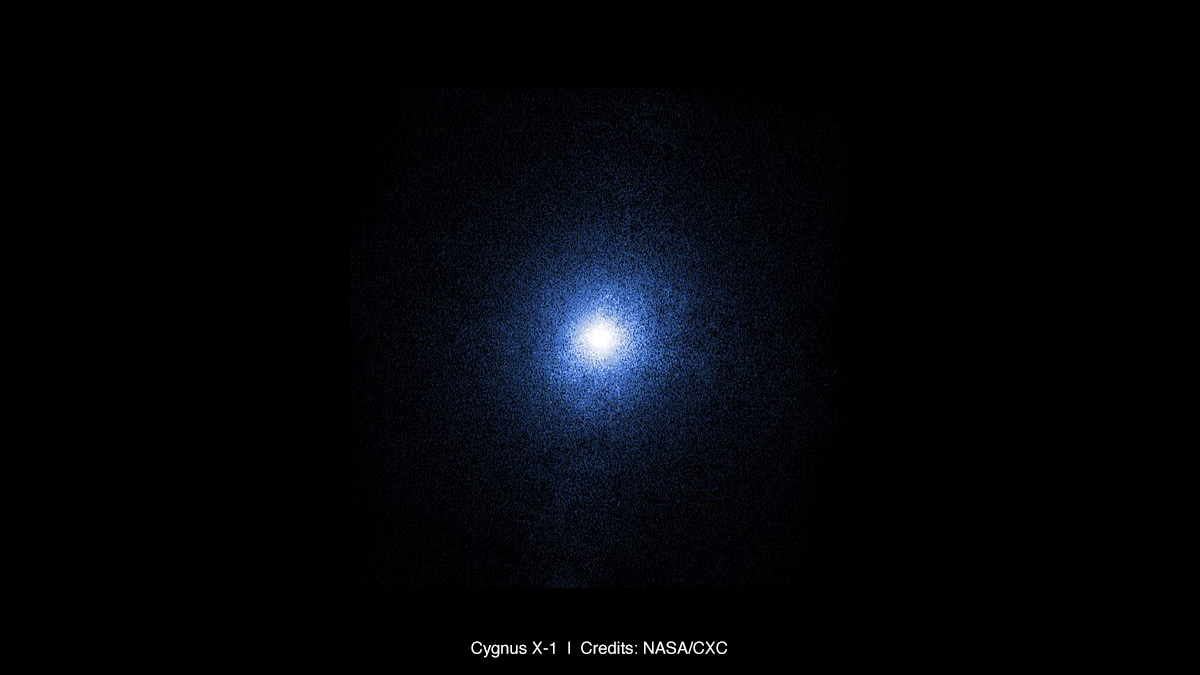
In my article on Cygnus X-1, I cover the black hole and its massive companion star, HDE 226868, along with how they interact through stellar winds. I’ve also included my own photos and clear illustrations to show exactly where the system is located in Cygnus. It’s a mix of science, observation, and practical stargazing guidance.
NGC 6871: A Simple Sparkling Cluster in Cygnus
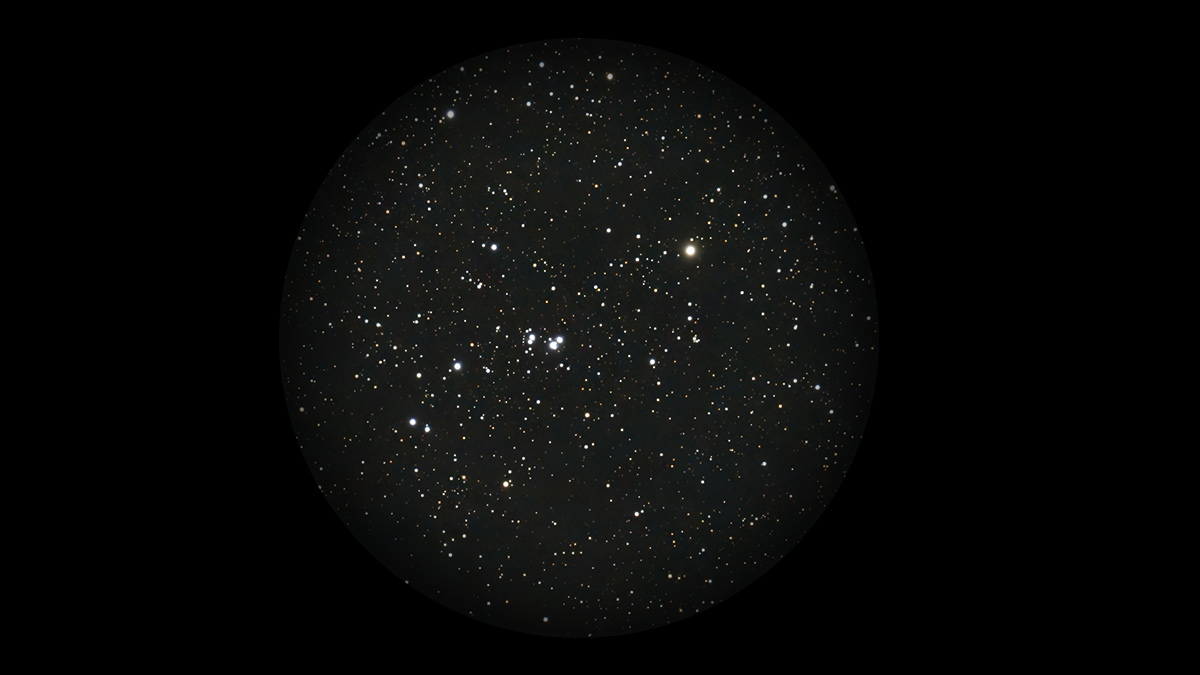
Explore the open cluster NGC 6871 in Cygnus with my observing notes, sketch, and Seestar photo. I also highlight the fascinating Wolf–Rayet star WR 133.
17 Cygni (Struve 2580): A Pleasing Binary Star in the Swan’s Neck
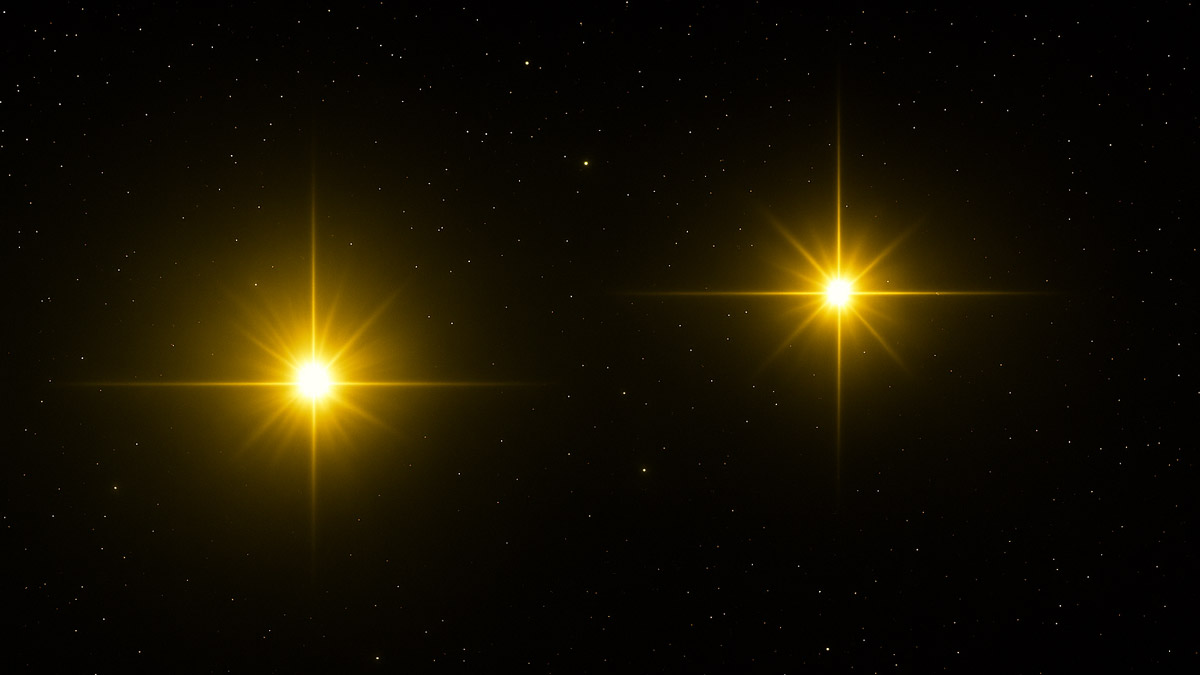
The constellation Cygnus features the binary star 17 Cygni, located 69 light-years away. Composed of two stars, 17 Cygni A and B, it is faintly visible to the naked eye. This complex system, along with another binary pair, showcases intriguing dynamics reminiscent of a cosmic dance in the night sky. Also known as: SAO 68827, 17 Cyg, HR 7534, HD 187013, HIP 97295, STF 2580
NGC 2451: A Stinging Scorpion Down South in Puppis
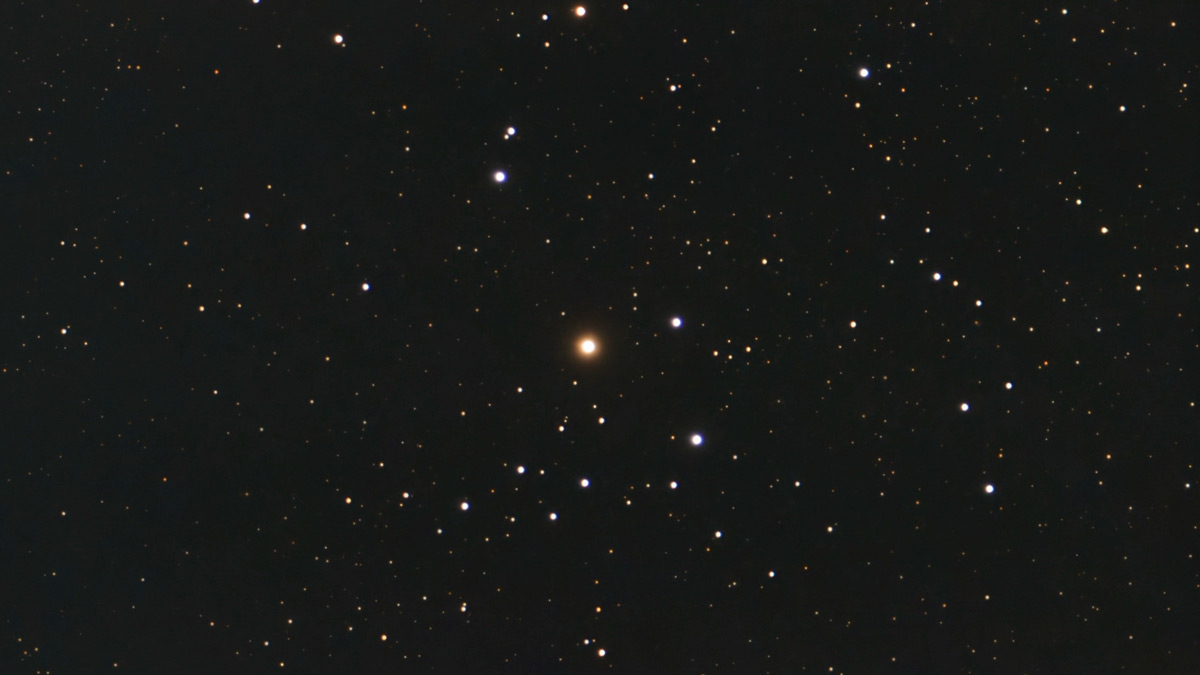
NGC 2451, a star cluster in the Puppis constellation, shines brightly during late autumn and winter. With around 40 stars, including the prominent C Puppis, it’s visible with binoculars. The cluster is an optical illusion of two separate groups. First noted by Hodierna in the 17th century, NGC 2451 offers a captivating viewing experience.
 The Garden Astronomer