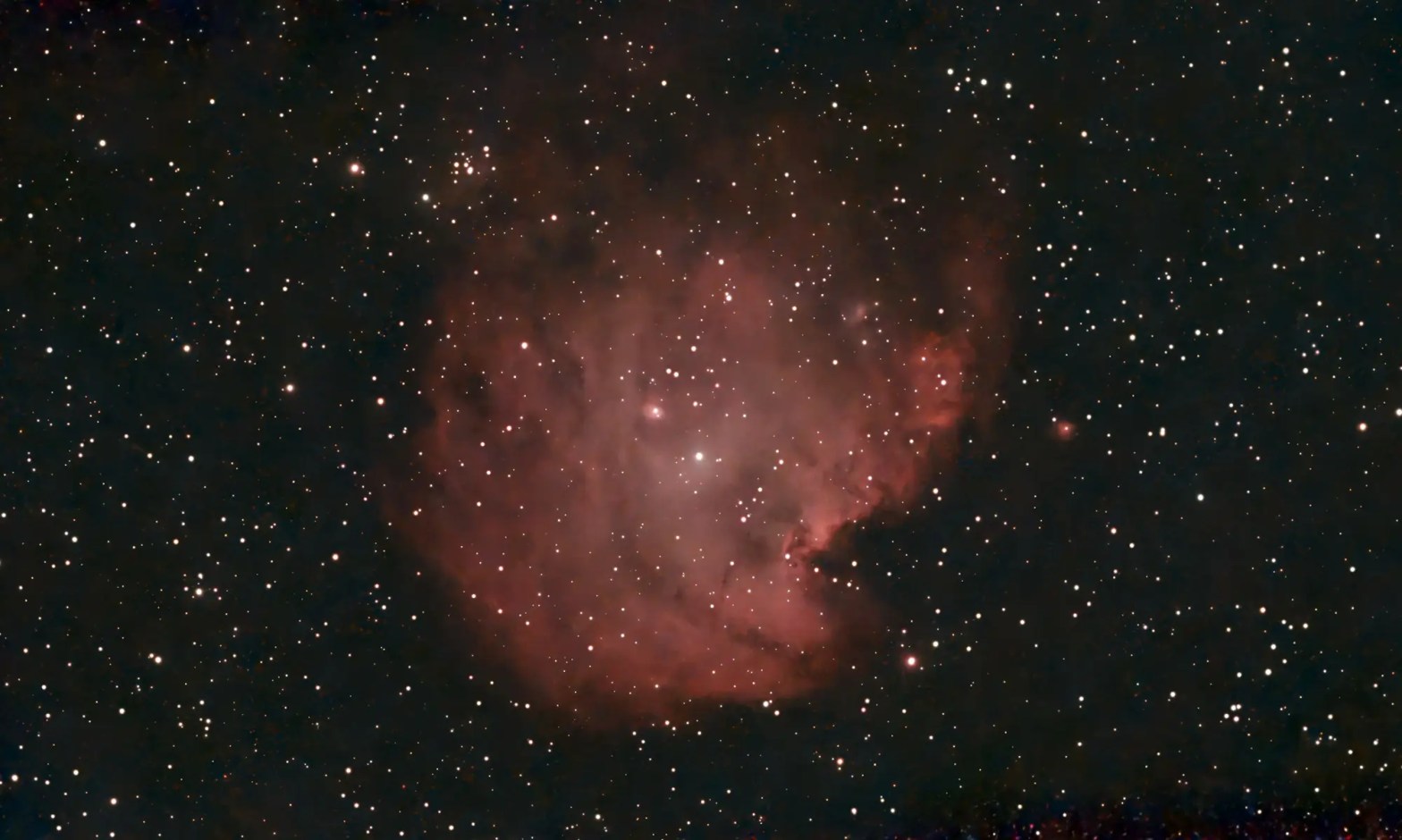
Explore the Monkey Head Nebula (NGC 2174) in Orion—its glowing red gas, newborn stars, discovery history, and tips for observing this hidden winter deep-sky object.
Tag Archives: Orion
The Flame Nebula (NGC 2024): Orion’s Subtle Fire
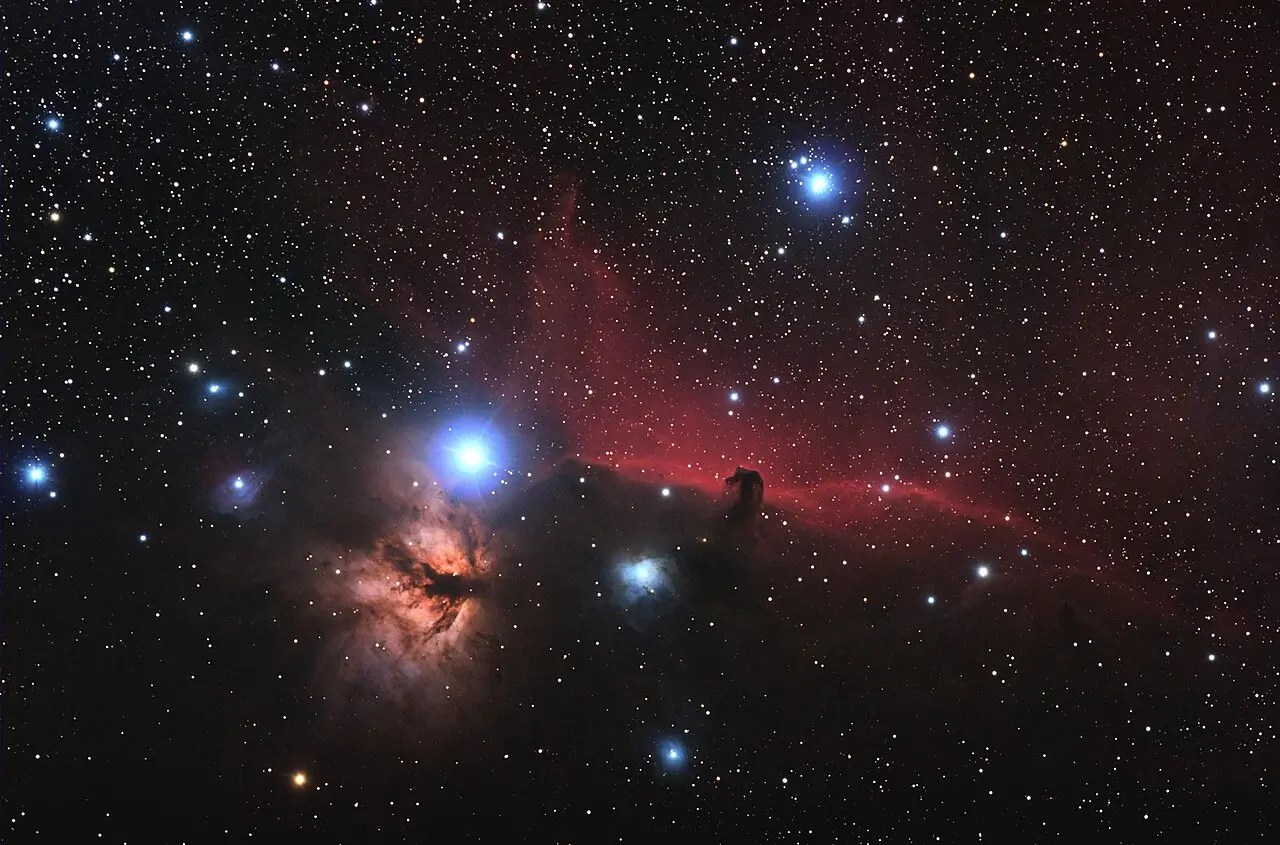
Discover Orion’s Flame Nebula, glowing crimson from hidden star IRS2b. Learn about its beauty and how to observe visually and with a Seestar.
HD 39881 (S 503): A Wide Double Star in Orion
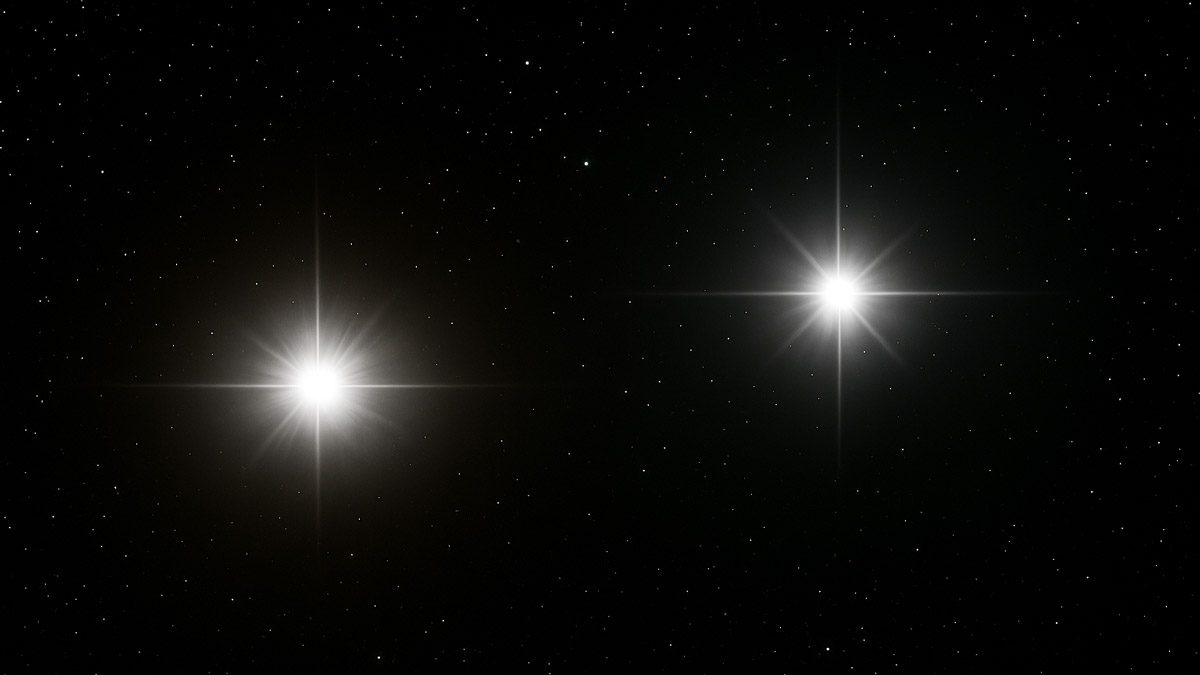
Orion is a prominent winter constellation known for its bright stars, including Betelgeuse and the Orion Nebula, as well as double stars like S 503. This system, consisting of components A and B, offers viewing opportunities with binoculars and telescopes. Recent observations highlighted their visibility despite fading dawn light. Also known as SAO 95004, HD 39881, HR 2067, HIP 28066, BD+13 1036, GC 7469, 0728-03142-1
The Horsehead Nebula (IC 434): A Shadow in the Stars
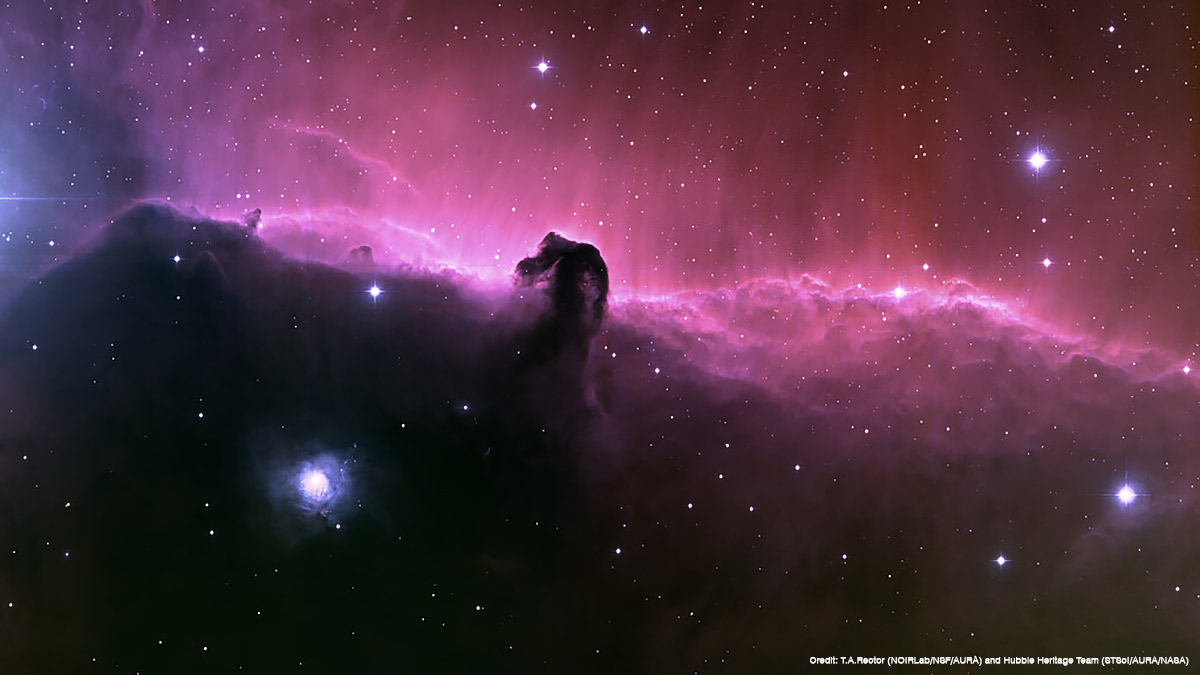
The Horsehead Nebula, located in Orion, is recognized for its iconic silhouette but is faint and challenging to observe. First discovered in 1888 by Williamina Fleming, it is a stellar nursery contributing to star formation. Ideal viewing occurs between December and March, away from city lights using larger telescopes.
Struve 700 (V1804 Orionis): Double Blue in Orion’s Winter Cool
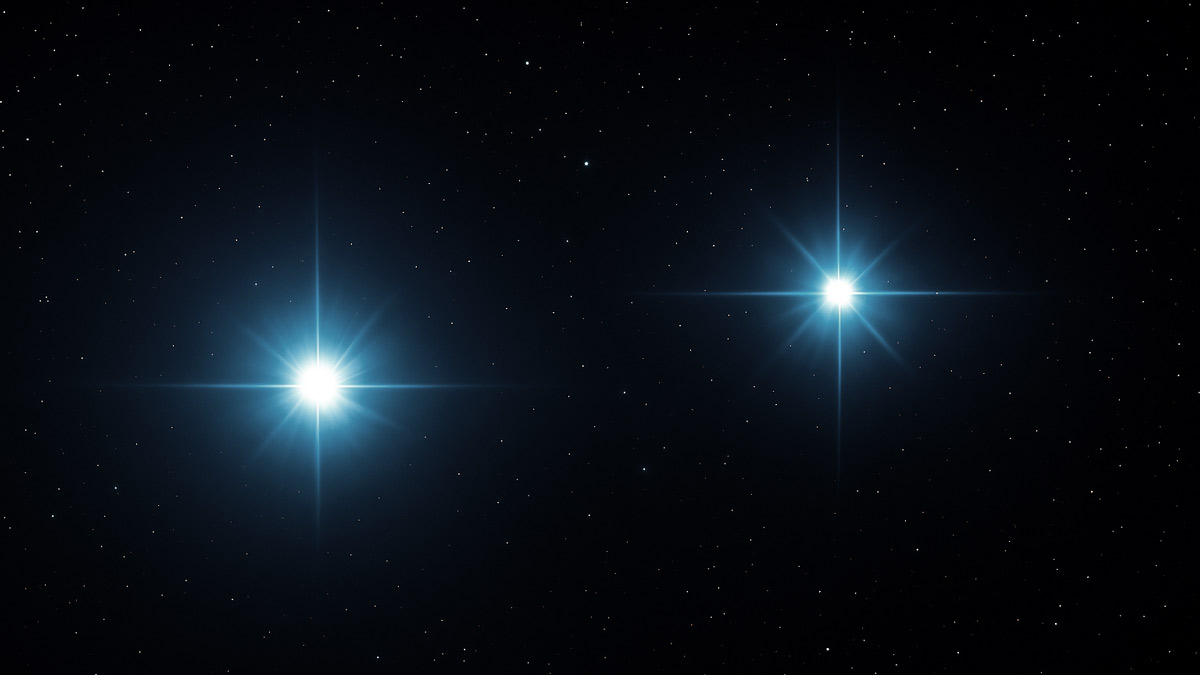
Learn about the double star in Orion called Struve 700 and V1804 Orionis. The pretty set of blue-white stars shine around 7.8 magnitude and are a tight pair in telescope. My sketch shows what the binary looks like through a backyard telescope. They are a great pair to seek out when observing through Orion, the hunter, on winter days.
NGC 2169: A “37” Tattooed on Orion’s Outstretched Arm
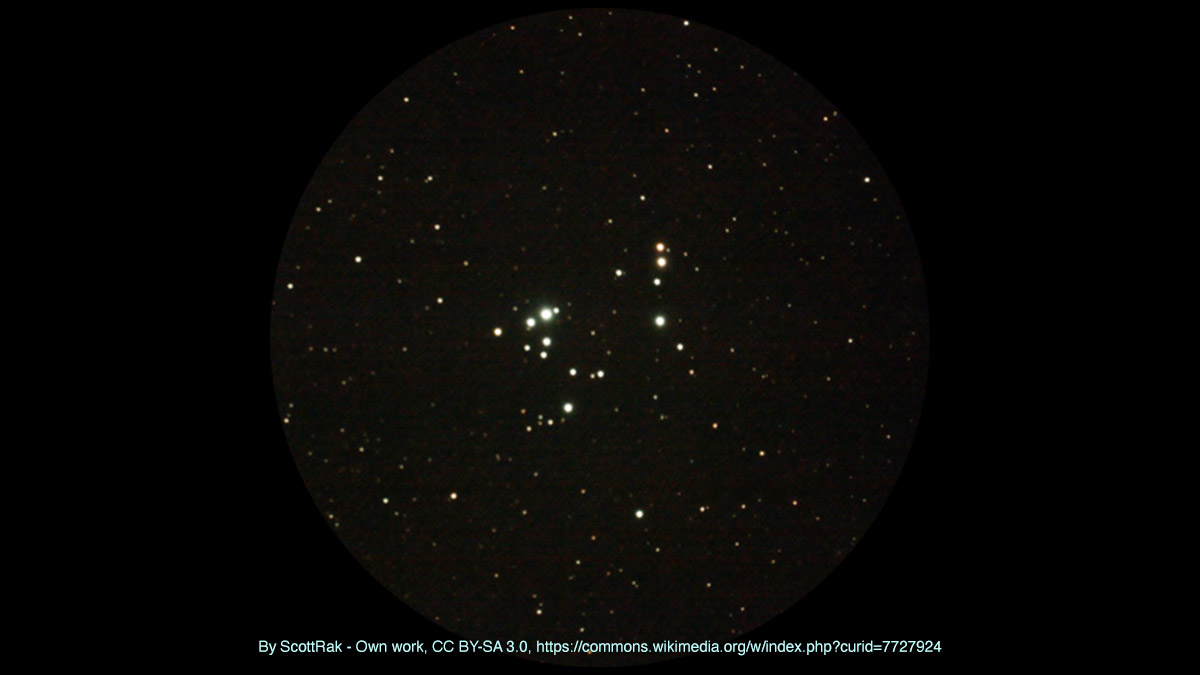
High above Orion’s Nebula and belt lies the star cluster NGC 2169, affectionately known as the “37 Cluster.” This arrangement of stars earned its nickname due to its resemblance to the number 37 when viewed through a small telescope or binoculars. It’s also known as Collinder 83, XY Cluster, and the LE Cluster
Meissa (Lambda Orionis): A Luminous Multiple Star in Orion

Marking Orion’s head is the bright star, Meissa. But it’s more than that. Aim your binoculars or telescope toward Meissa, and you’ll find a beautiful grouping of related stars. The star is also known as SAO 112921, HD 36861, Lam Ori, Struve 738, STF 738, HD 36861, λ Ori.
The star is part of the Collinder 69 cluster.
Rho Orionis (Struve 654): An Orange-Yellow Double in Orion

The double star Rho Orionis, also known as SAO 112528, features a orange-colored primary in the winter constellation of Orion. The pair of stars lies closely to each other, only separated by 6.5 arcseconds in distance.
 The Garden Astronomer