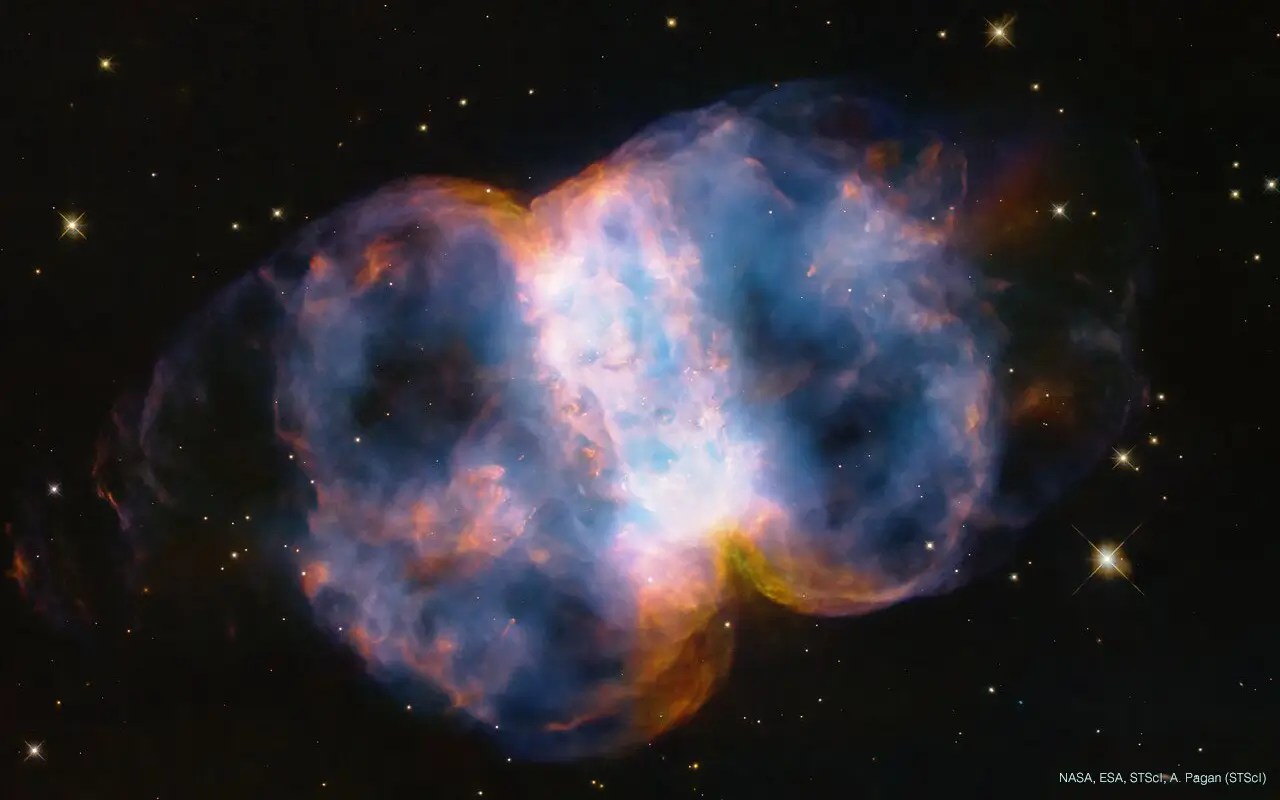
Learn about Messier 76, the Little Dumbbell Nebula in Perseus, a bipolar planetary nebula with twin lobes and a scorching central star. Includes personal observations and Seestar images.
Tag Archives: Perseus
Struve 331: A Binary of White and Blue-Green in Perseus
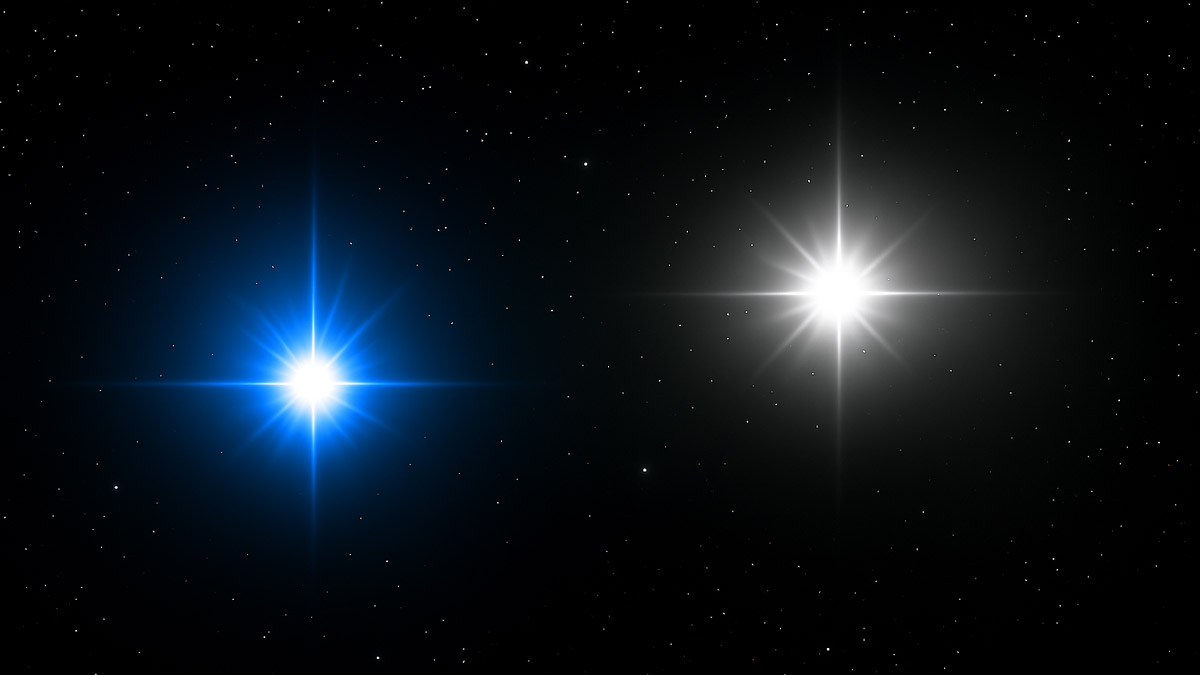
Struve 331 (HD 18537) is an optical double star in the constellation Perseus, bet viewed in Autumn. The pair of stars feature a bright white primary and a secondary fainter star that’s blue. Backyard astronomers should be able to split the double easily with most scopes to find that the bright white contrasted against the blue star makes for a pretty enchanting pair.
This double is also known as STF 331 and SAO 23763.
Algol (Beta Persei): The Devilish Winking Star

In the constellation of Perseus, around 93 light-years away, lies Algol, also known as the “Demon Star.” It’s a binary system where a dimmer star eclipses the brighter one every 2.87 days, causing a noticeable change in brightness, creating a characteristic “blink” that has fascinated observers for centuries. The star is also known as Beta Persei, β Per, 26 Persei, HD 19356, HIP 14576, HR 936, and SAO 38592.
IC 348: A Stellar Nursery and Fireworks Show in Perseus
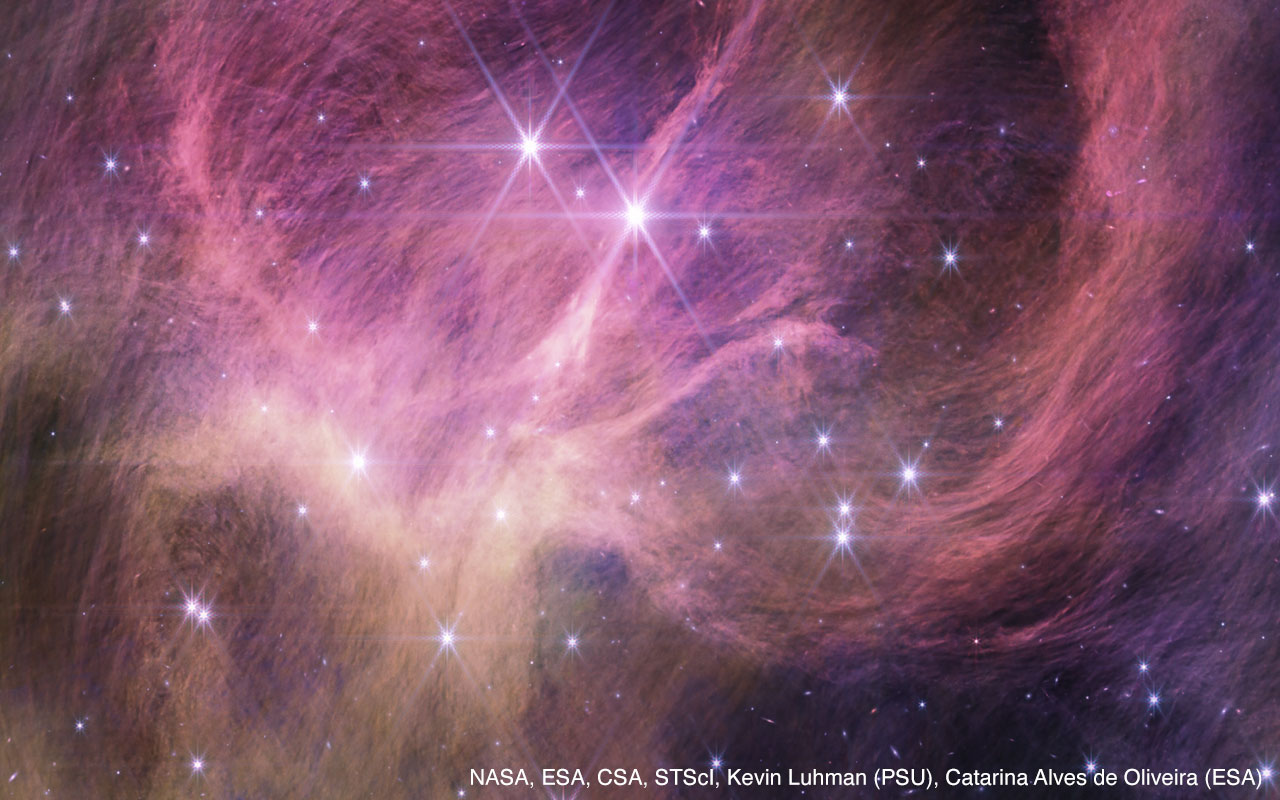
IC 348 is a beautiful star cluster wrapped in a veil of milky nebulosity. On autumn and winter nights, turn your attention to the Perseus constellation and this cosmic cradle where stars are born. It’s also known as C 0341+321, Collinder 41.
Epsilon Persei (Struve 471): An Aquamarine Celestial Jewel in Perseus
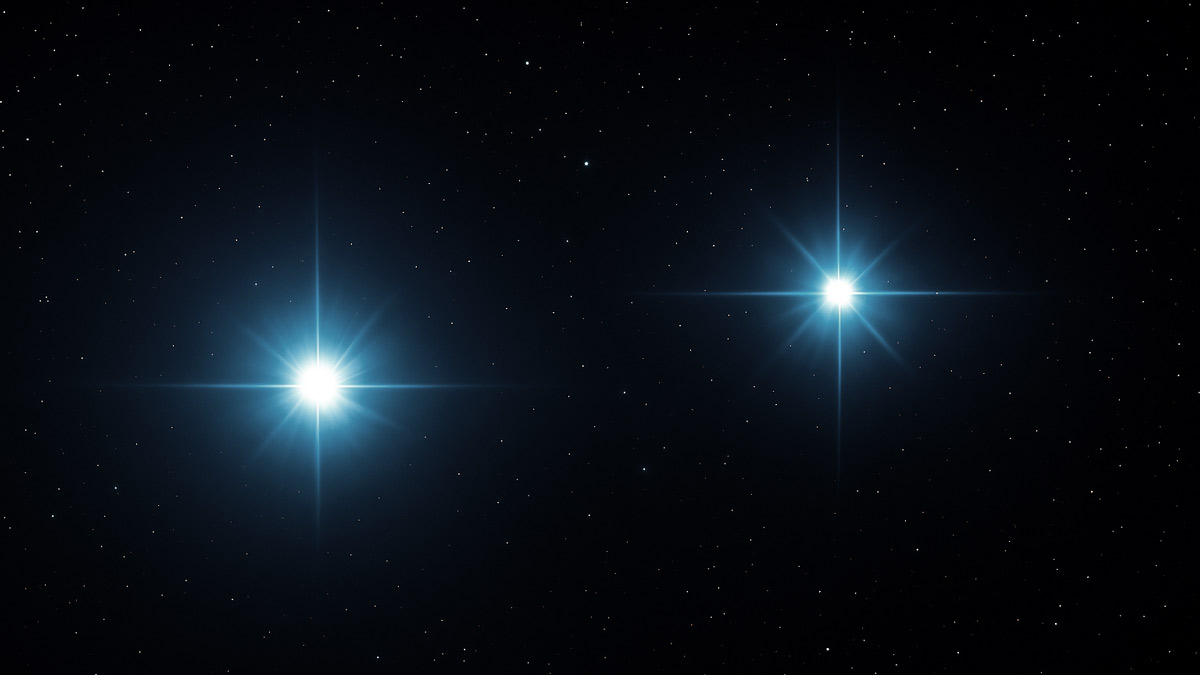
In the autumn constellation of Perseus, Epsilon Persei shines with a beautiful blue-white hue. Backyard astronomers will appreciate the star’s pretty aquamarine color and the challenge of seeing the dim companion star nearby. This multiple star system, also viewed as double star, is a bright target to view in fall. It also known as Struve 471, STF 471, HD 24760, SAO 56840, HR 1220, Eps Per, HIP 18532, Adid Australis
m Persei: A Bright, Wide Pair of Stars

m Persei, also known as 57 Per, appears in the constellation Perseus and is best viewed on autumn or winter nights. It’s a wide, bright double star easily viewable from the suburbs with a telescope or binoculars.
Zeta Persei: A Blowtorch with Several Companions
Zeta Persei (ζ Persei) is a multiple-star system in the constellation Perseus. Backyard astronomers can enjoy this tight pair of stars on autumn and winter nights.
The supergiant, hot star burns 47,000 time that of our sun and is huge at 26 times the size of our sun!
It will eventually meets its fate exploding as a supernova.
NGC 869 and 884: The Famous Sparkling Double Cluster
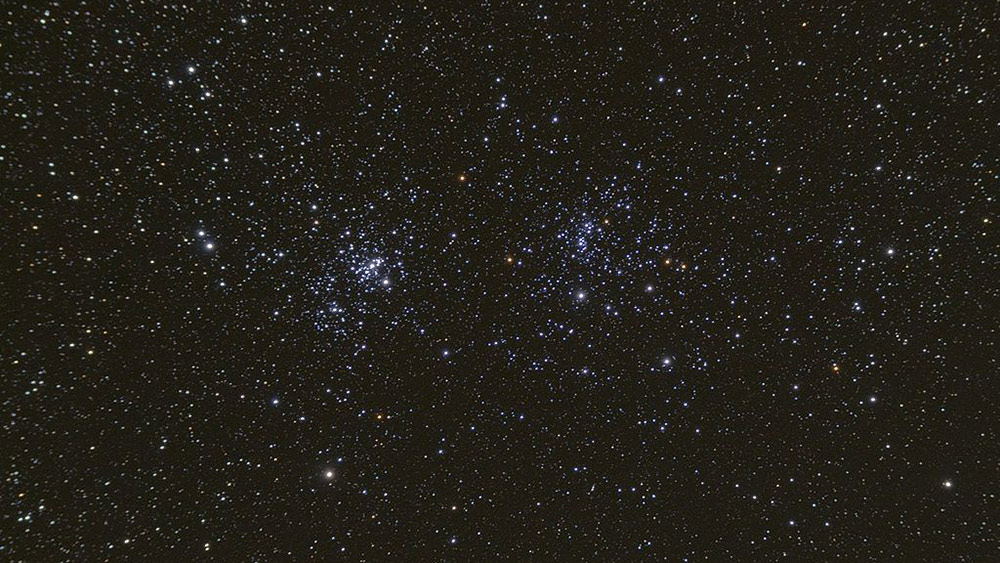
NGC 869 along with NGC 884 create a breathtaking cluster of stars floating in the constellation of Perseus. Like diamonds sparkling in a dark room, the Double Cluster lights up the autumn sky as it spreads itself as wide as new full moons.
 The Garden Astronomer