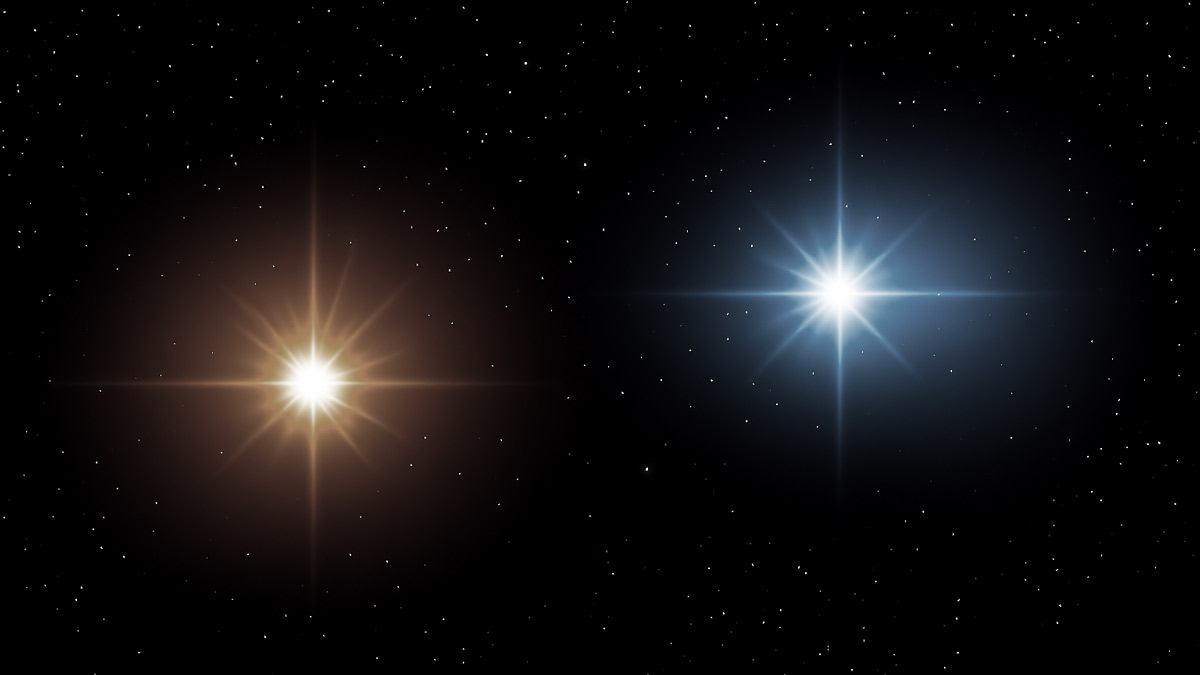
Sagitta, a small constellation between Aquila and Vulpecula, features Zeta Sagittae, a fascinating triple star system. The brighter component, Zeta Sagittae A, shines at magnitude 5, while its companion, Zeta Sagittae B, is fainter at magnitude 9. Located near Altair, this hidden treasure is worth observing with a telescope. Also known as STF 2585, SAO 105298, 8 Sagittae, HR 7546, HIP 97496, HD 187362
Tag Archives: Sagitta
Epsilon Sagittae: A Warm Yellow and Pale Blue Double Star in Sagitta
On August 19, 1780, astronomer William Herschel discovered Epsilon Sagittae, a double star in the Sagitta constellation. It features a visible primary star with a magnitude of +5.7 and a fainter companion. Best viewed in summer, this pair showcases a golden-yellow and blue hue contrast for observers using binoculars or telescopes. Also known as SAO 105061, HD 185194, 4 Sagittae, Eps Sge, HIP 96516, HR 7463, H VI 26.
Messier 71 (NGC 6838): A Globular Cluster Close to Home
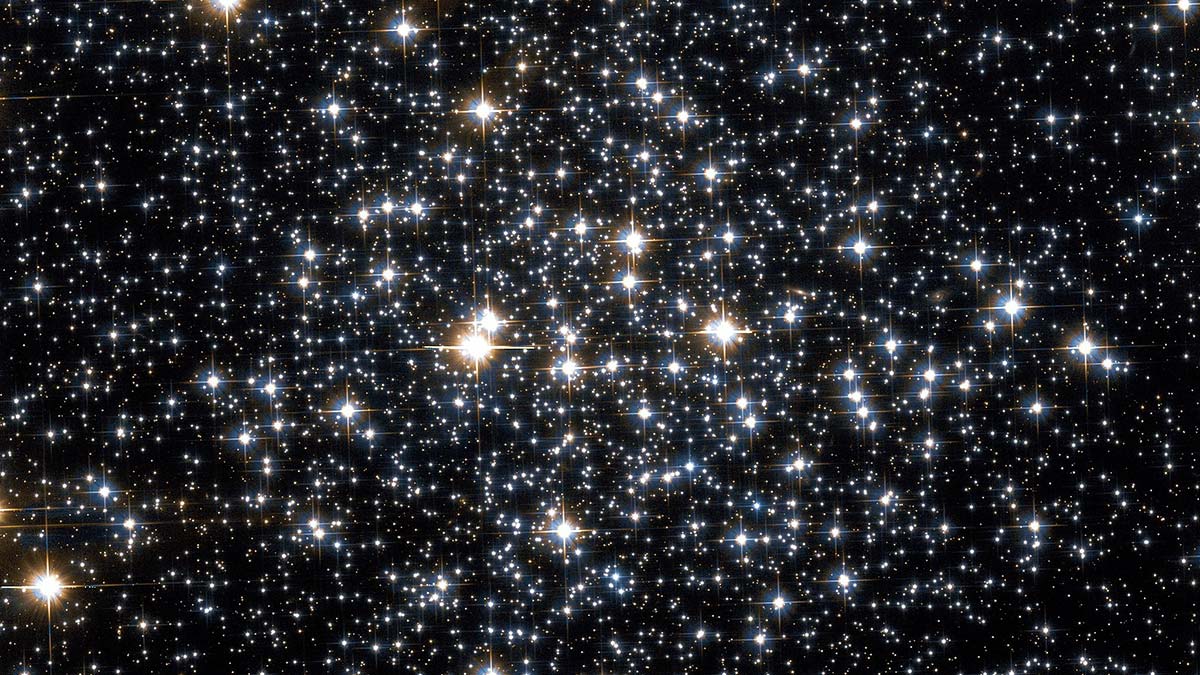
Globular clusters like Messier 71 (M71) make for great targets. With a pair of binoculars away from bright city lights, an observer can see M71 as a fuzzy patch. Move up to the telescope (say 4 inches in diameter and larger), and you can start to make out some individual stars. For a long time,ContinueContinue reading “Messier 71 (NGC 6838): A Globular Cluster Close to Home”
 The Garden Astronomer