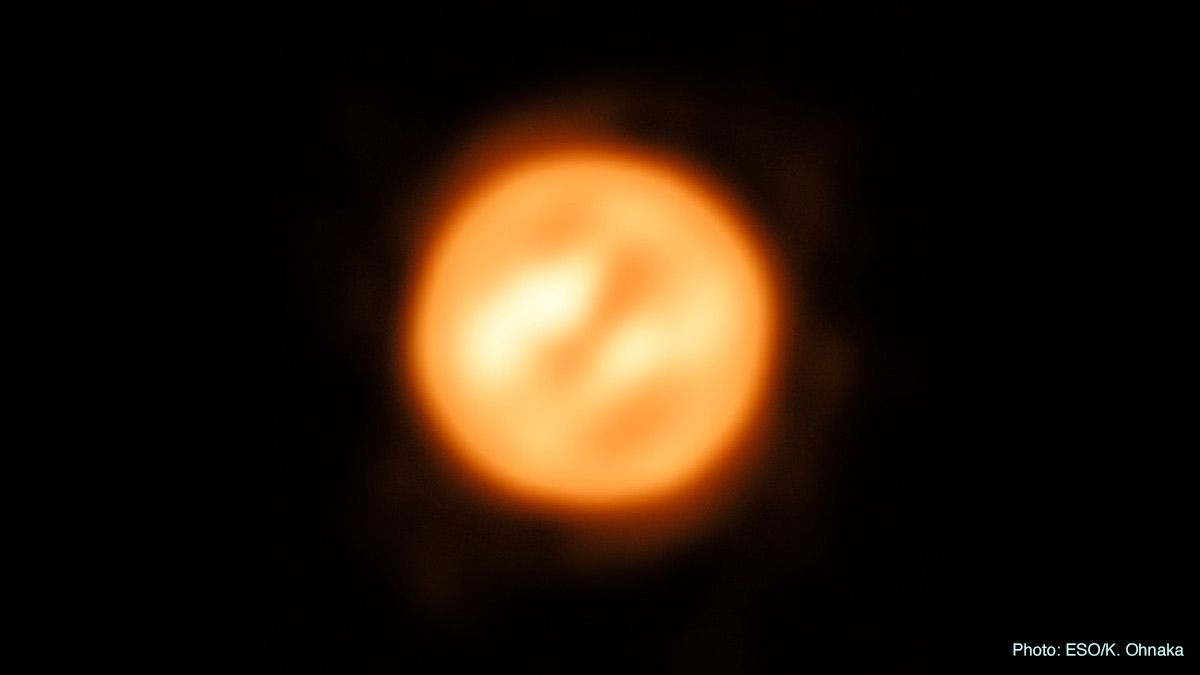
Follow a lifetime of stargazing from Denver to the Gulf Coast, as the red fire of Antares bridges decades of memory, solitude, and celestial wonder.
Tag Archives: Scorpius
Messier 80 (NGC 6093): A Stellar Beehive in Scorpius
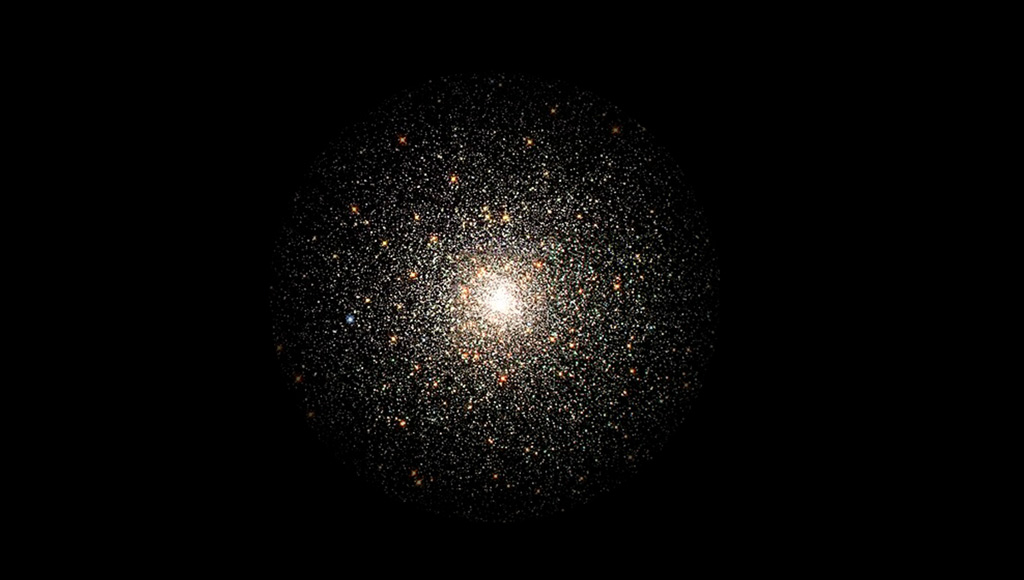
Discover the beauty of Messier 80, a dense globular cluster near the Milky Way’s center, perfect for stargazers and amateur astronomers. Learn and see how M80 is viewed through a visual and electronic telescope such as Seestar S50.
Messier 7 (NGC 6475): Ptolemy’s Ancient Cluster Still Shines Bright

Messier 7, or Ptolemy’s Cluster, is a prominent star cluster located in the Scorpius constellation, first recorded by Claudius Ptolemy in 130 AD. This open cluster, visible to the naked eye, contains 80 stars and spans 25 light years. It symbolizes the lasting human fascination with astronomy and the cosmos.
Learn more about the cluster, including a personal observation from Wayne McGraw and photo using a Seestar S50 under suburban skies in Florida.
Mu Scorpii: A Pleasant Blue Visual Pair of Stars in Scorpius
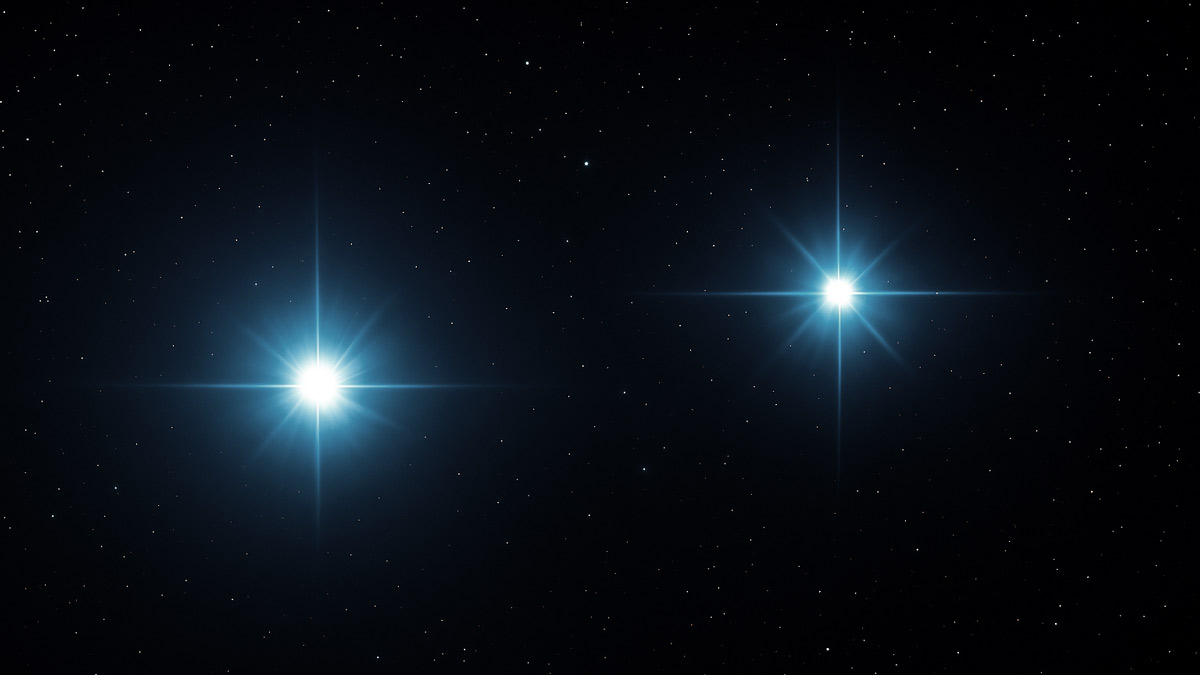
Mu Scorpii, located in the tail of the Scorpion constellation, comprises two stars, Mu1 and Mu2, which appear close but are at different distances. Mu1 is a binary star system, while Mu2 is less luminous. Observations reveal the beauty of this pair, easily visible with binoculars, reminding us of the wonders of stargazing.
Graffias (Beta Scorpii): A White and Baby Blue Pair in Scorpius
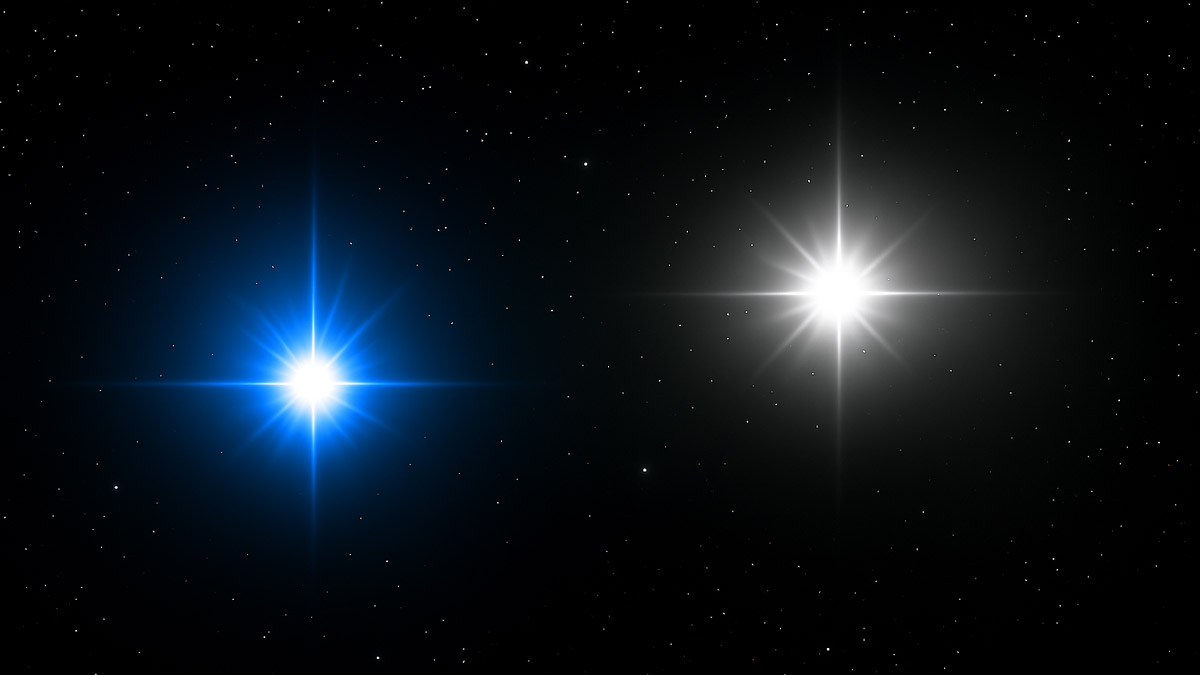
Learn about the pretty double star Graffias (Beta Scorpii) in the constellation Scorpius viewed on summer nights and popular with astronomers. The star also known as Acrab is viewed with the naked eye and a moderate telescope resolves a double star of blue and white. The star is also designated by the following names: 8 Sco, Elacrab, HD 144217, HIP 78820, HR 5984, Bet1 Sco, Grafias, SAO 159682
Messier 4 (NGC 6121): A Brilliant Southern Summer Cluster

Messier 4 (M4) is a brilliant globular cluster in the constellation of Scorpius, which is best viewed in summer.
At approximately 5,500 light-years away, M4 is one of the nearest globulars to Earth and one of the brightest in the night sky.
 The Garden Astronomer