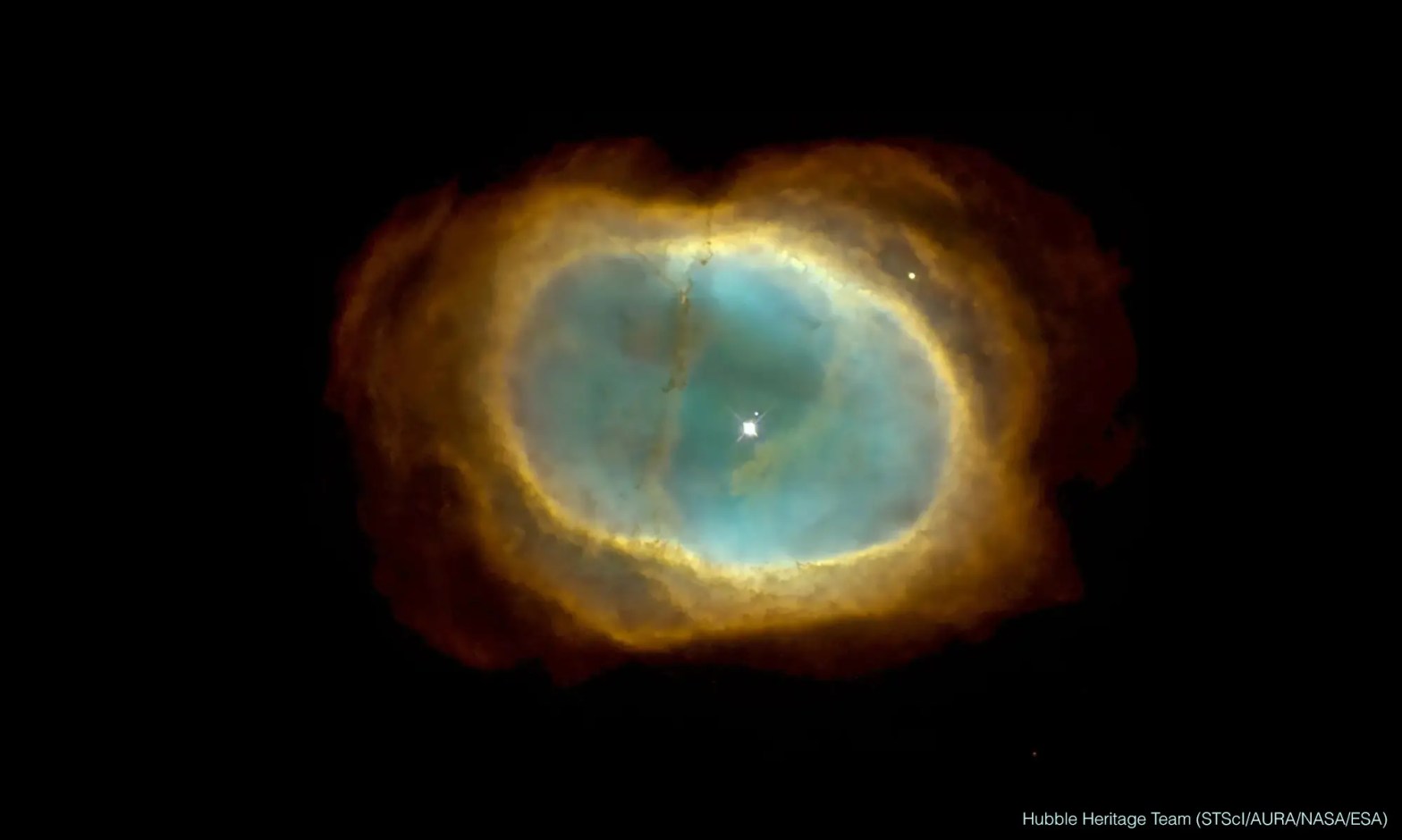
Discover the Eight-Burst Nebula (Caldwell 74), a southern planetary nebula in Vela with a hidden white dwarf at its heart.
Tag Archives: Spring
T Coronae Borealis (The Blaze Star): Observing Before Explosion in 2024

The binary star T Coronae Borealis is expected to go nova in 2024. To prepare for this stellar event, I share why it’s special and share how the star appears before it explodes using an astrophoto and a sketch taken from my backyard in Seattle in June 2024. The binary is also registered as T CrB, SAO 84129, HR 5958, HD 143454, HIP 78322.
Struve 3116: A Tight Double Star in Canis Major
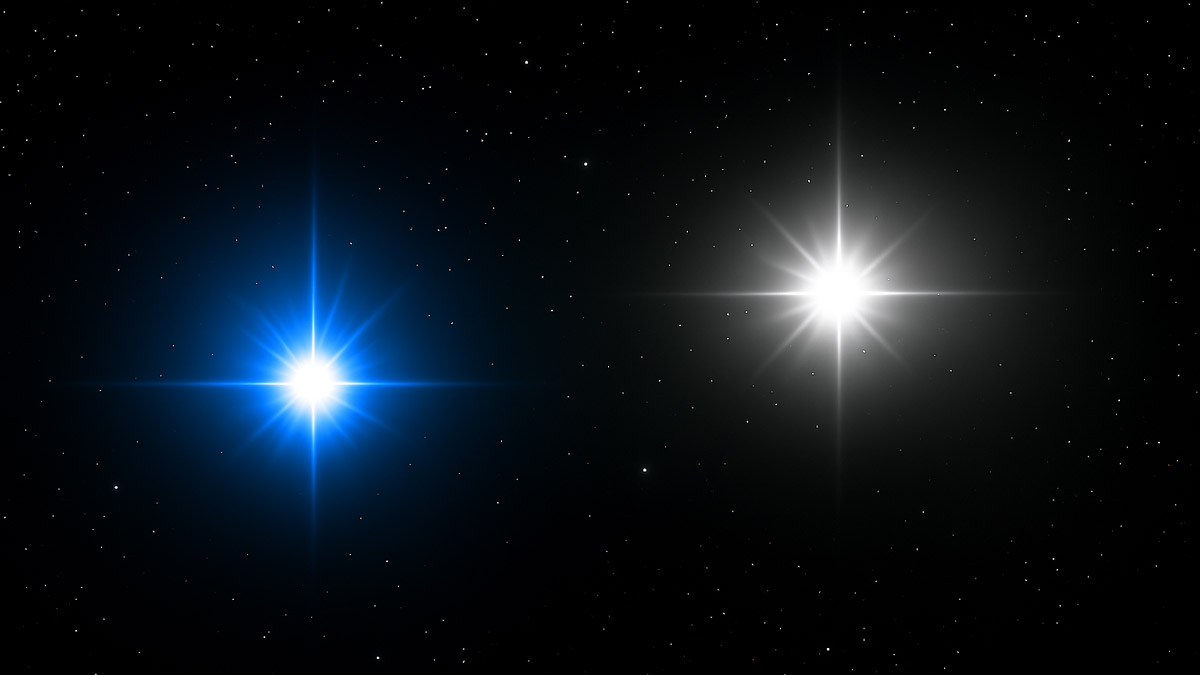
Learn about the tight double star Struve 3116—its close 3.9″ separation, blue-white components, and observing tips. This article also includes my personal sketch so you can see how the pair appears through the eyepiece. Known as SAO 151401, HD 44458.
Eta Boötis (Muphrid): The Double Star Neighbor Beside Arcturus
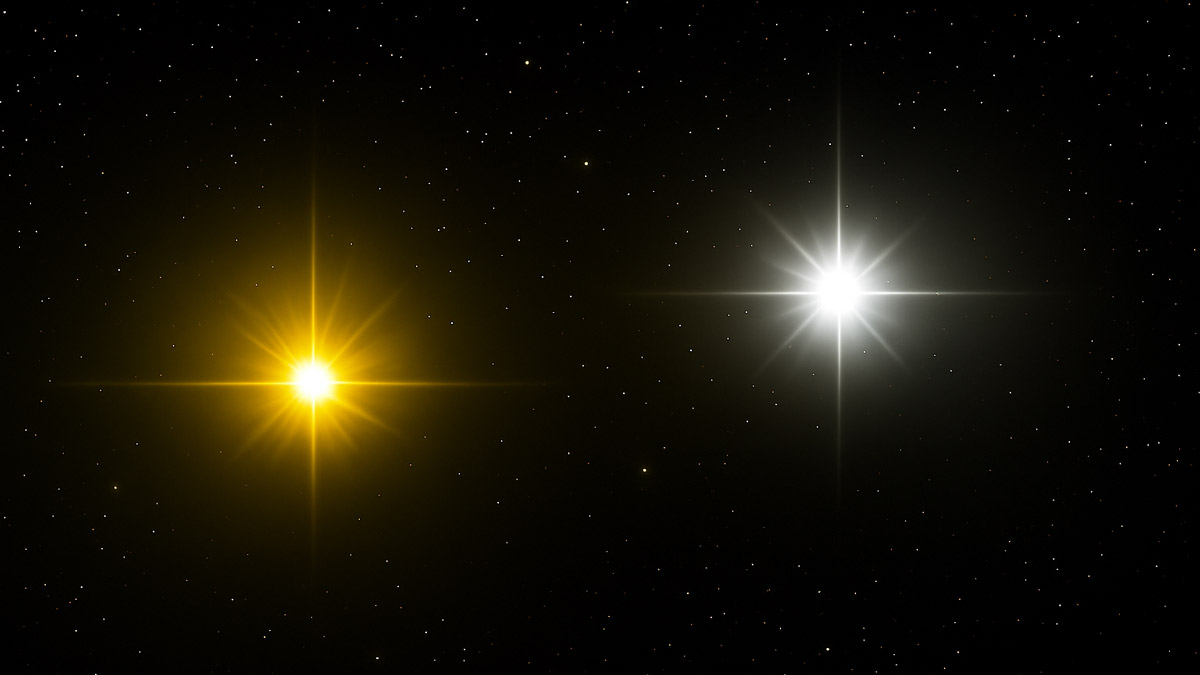
Eta Boötis, known as Muphrid, is a subgiant star roughly 37 light-years from Earth, overshadowed by the brighter Arcturus. Muphrid shines with a magnitude of 2.7 and is accompanied by a fainter companion star. Observations reveal challenges in identifying its companions, highlighting its unique charm in the spring sky. η Boötis, HR 5235, HD 121370, HIP 67848, SAO 100766, BD+18°2759, SHJ 169
Messier 87 (NGC 4486): Home of a Famous Black Hole

Most of the public had never heard of the Messier 87 galaxy until a few years ago. This changed on the morning of April 10, 2019, as scientists released the first image of the supermassive black hole at the heart of M87. When the image appeared in my news feed that morning, I recall rushingContinueContinue reading “Messier 87 (NGC 4486): Home of a Famous Black Hole”
Messier 96 (NGC 3368): Bright Galaxy Light in Leo
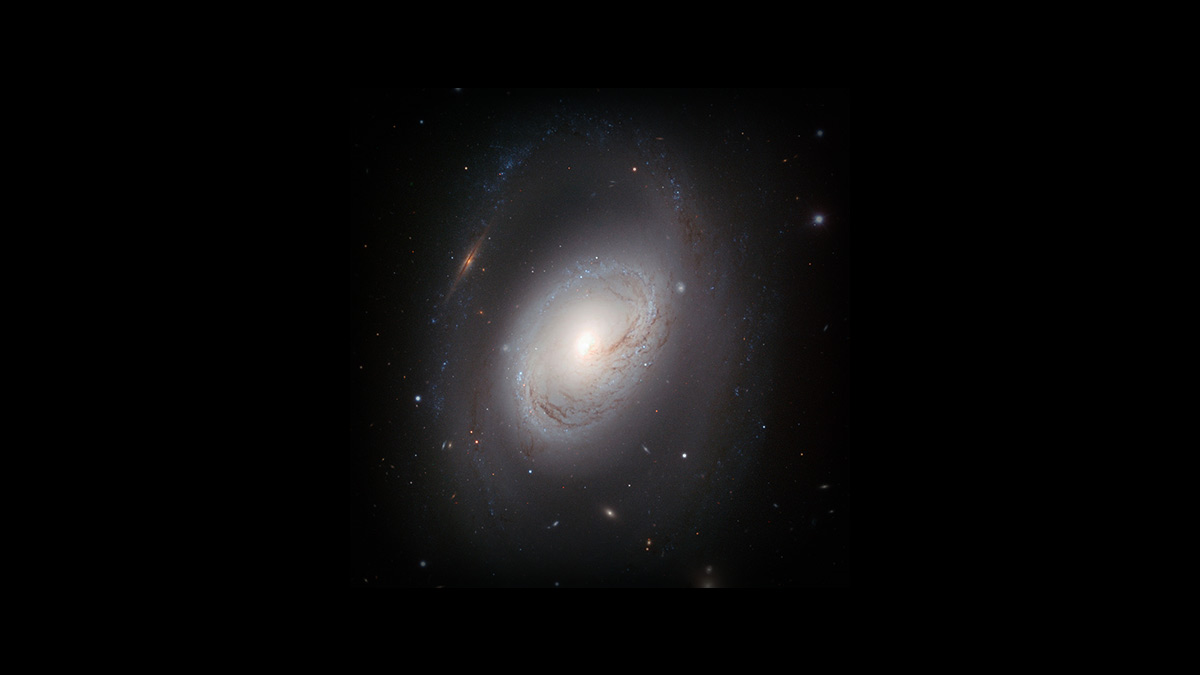
Messier 96 is one of those galaxies that can break through the haze of suburban light, as long as one has a modest scope and really transparent conditions. Messier 96 (also known as M96 or NGC 3368) is a spiral galaxy approximately 31 million light-years away from Earth.
Messier 100 (NGC 4321): A Grand Design Spiral in Coma Berenices
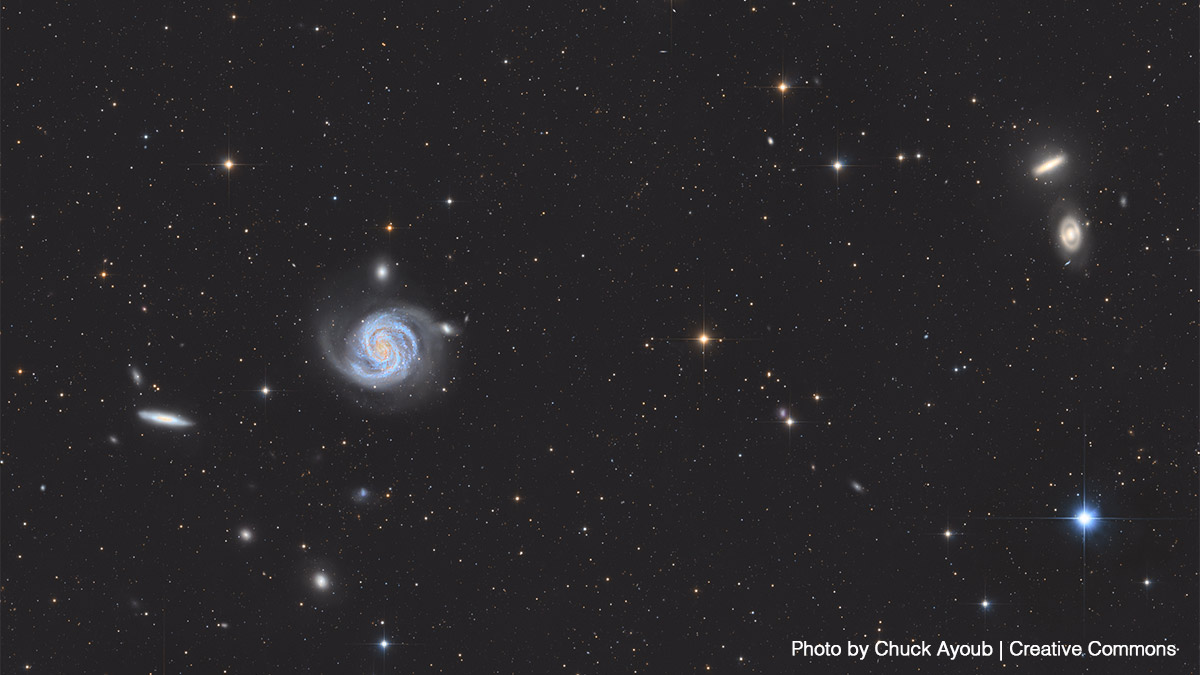
Messier 100 (M100) is a grand design spiral galaxy located 55 million light-years away in Coma Berenices. Discovered by Pierre Méchain in 1781, it features symmetrical arms with vibrant star-forming regions. M100 is both visually striking and dynamic, making it a favorite for amateur astronomers. This post provides history and personal observations using a Seestar S50. Also known as NGC 4321, UGC 7450, PGC 40153.
La Superba: One of the Reddest Stars in the Sky

One night, La Superba appeared randomly on my astronomy app while I navigated the springtime sky. I stared at the map for a moment, scratched my head, and believed the name to be a mistake. I pressed the information icon by the reddish pixel to reveal a summary of La Superba, including the fact thatContinueContinue reading “La Superba: One of the Reddest Stars in the Sky”
 The Garden Astronomer