
Up near Polaris, the North Star, there are a number of good double stars. The ever popular Mizar in Ursa Major comes to mind. Another double star bright enough with good separation is Nu Draconis in Draco. In this same region is a double star system called HR4893 in the constellation Camelopardalis. It appears HRContinueContinue reading “HR 4893: A Pretty Double Near the North Celestial Pole”
Tag Archives: Spring
Messier 60 (NGC 4649): Hubble’s Fastest Moving Galaxy
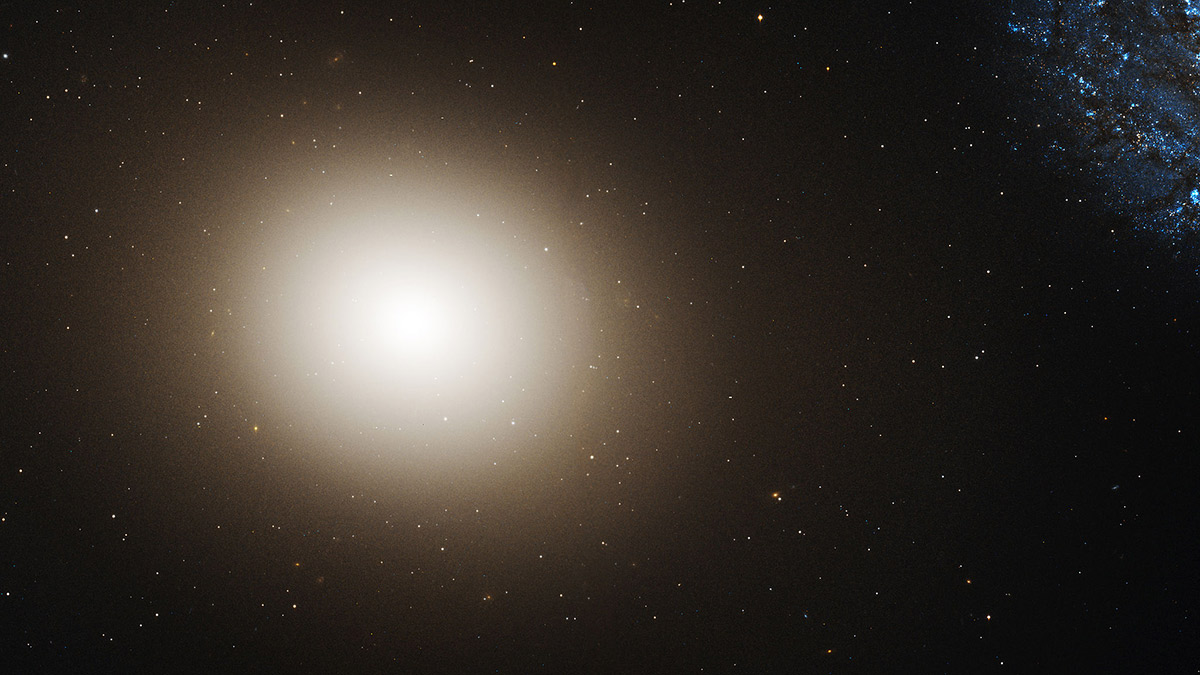
Messier 60 is a giant elliptical galaxy in the Virgo constellation. It’s best viewed in spring. According to NASA, M60 has a diameter of 120,000 light-years and is as massive as one trillion suns. At its center is a supermassive black hole with a mass 4.5 billion times that of our sun. It’s easy toContinueContinue reading “Messier 60 (NGC 4649): Hubble’s Fastest Moving Galaxy”
Messier 86 (NGC 4406): A Galaxy Not Running Away
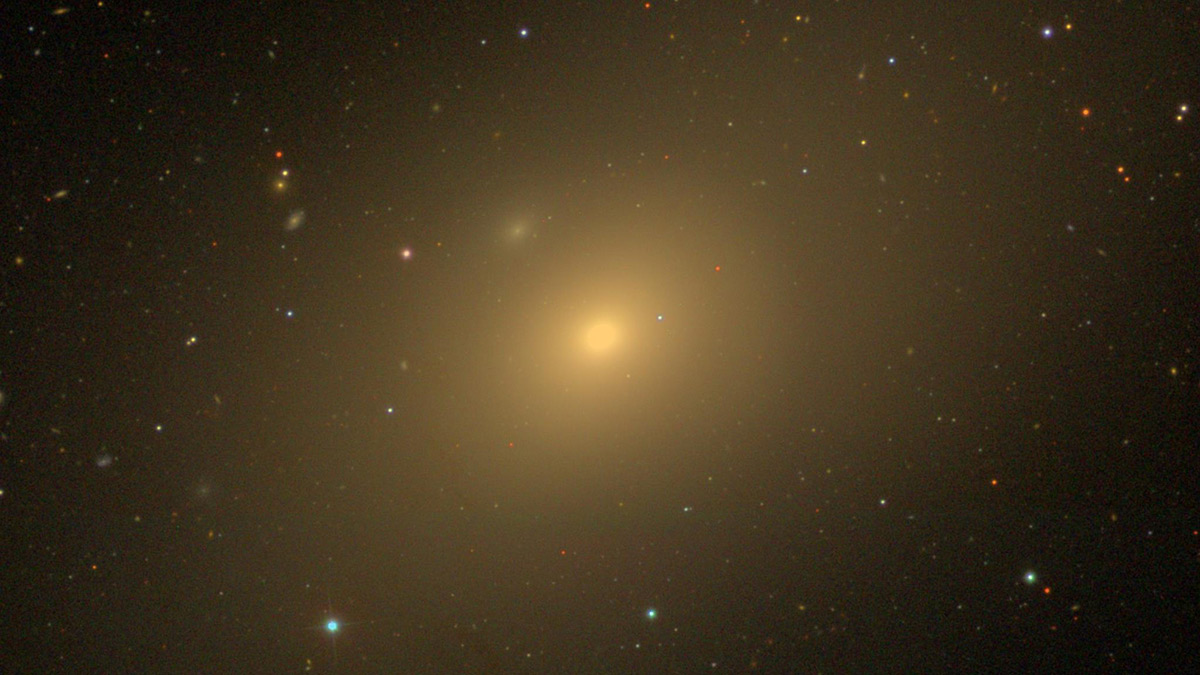
Astronomers are unsure which is the best description for Messier 86 as it falls between an elliptical or a lenticular galaxy. It resides in the Virgo constellation and is best viewed in spring. As I mentioned in my post on Messier 60, the galaxies in Virgo played an essential role in Edwin Hubble’s research inContinueContinue reading “Messier 86 (NGC 4406): A Galaxy Not Running Away”
Arcturus: The Great Light Switch of the Chicago World’s Fair
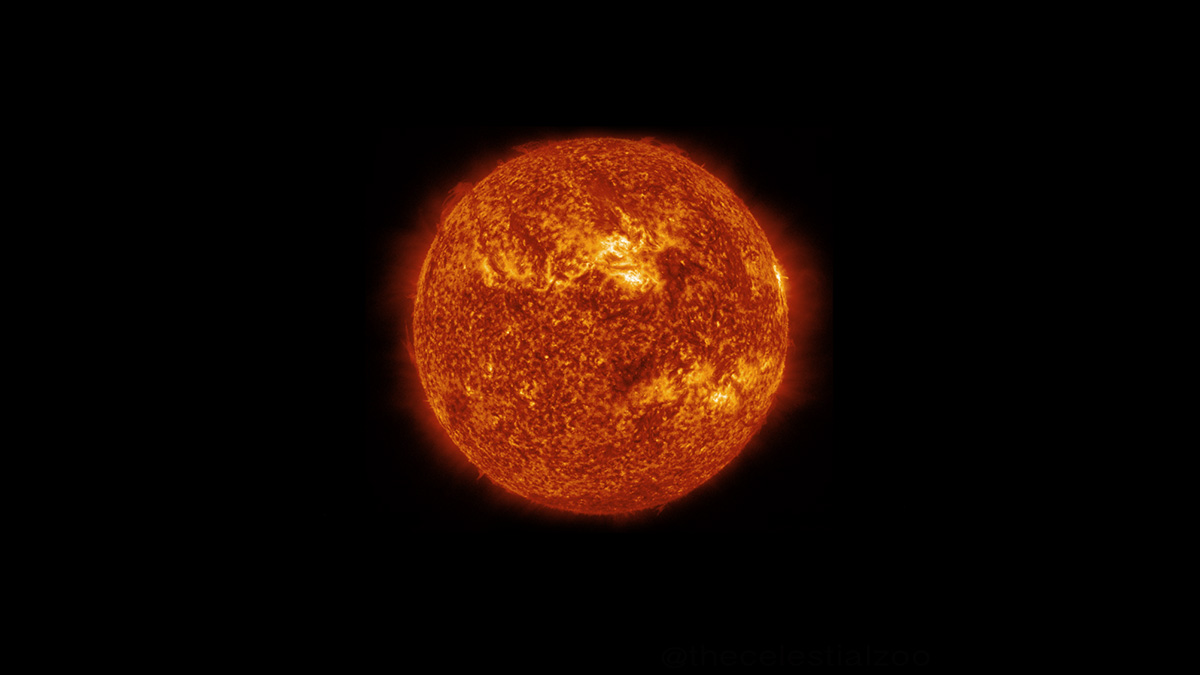
Whenever I see Arcturus, I imagine standing with 30,000 other people at the opening of the Chicago World’s Fair on May 27, 1933. At 9:15 that evening, observatories in four locations across the eastern U.S. aimed their scopes on Arcturus. The bright star’s light set off photocells at each location. In turn, these devices sentContinueContinue reading “Arcturus: The Great Light Switch of the Chicago World’s Fair”
Coma Star Cluster: An Egyptian Queen’s Long Hair

The Coma Star Cluster is nearby open cluster in the constellation Coma Berenices. It’s best viewed in the spring. Open any app or astronomy book with drawings of the constellations. While looking at Coma Berenices, you’ll see a cluster of around 40 stars and few cascading bright stars that make up the queen’s long-flowing hair.ContinueContinue reading “Coma Star Cluster: An Egyptian Queen’s Long Hair”
Messier 40: Also Known as Messier’s Greatest Mistake
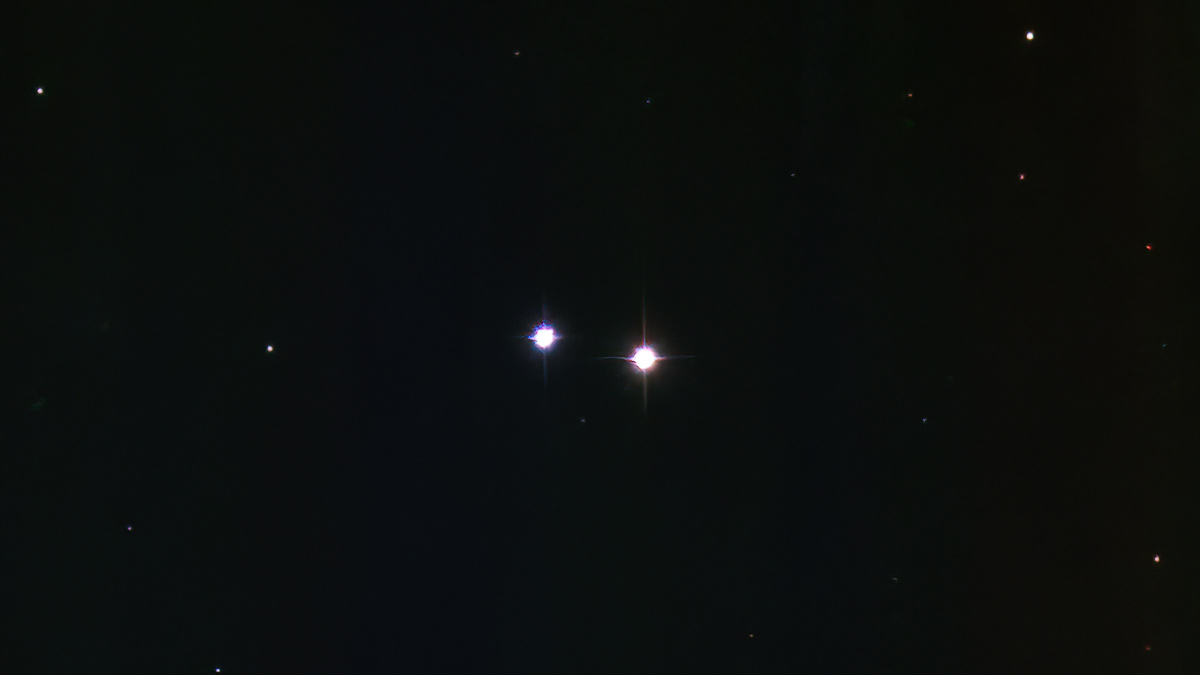
Springtime galaxy hunting in Ursa Major is an awarding experience. Observers have their pick of Messier objects from the awe-inducing Whirlpool Galaxy (Messier 51) to the bright Cigar Galaxy (Messier 82). Then, scrolling through these notable Messier objects, one lands upon Messier 40. Aiming the scope at M40 uncovers a simple pair of stars—no nebula,ContinueContinue reading “Messier 40: Also Known as Messier’s Greatest Mistake”
Xi Ursae Majoris: A Binary Star Close to Home
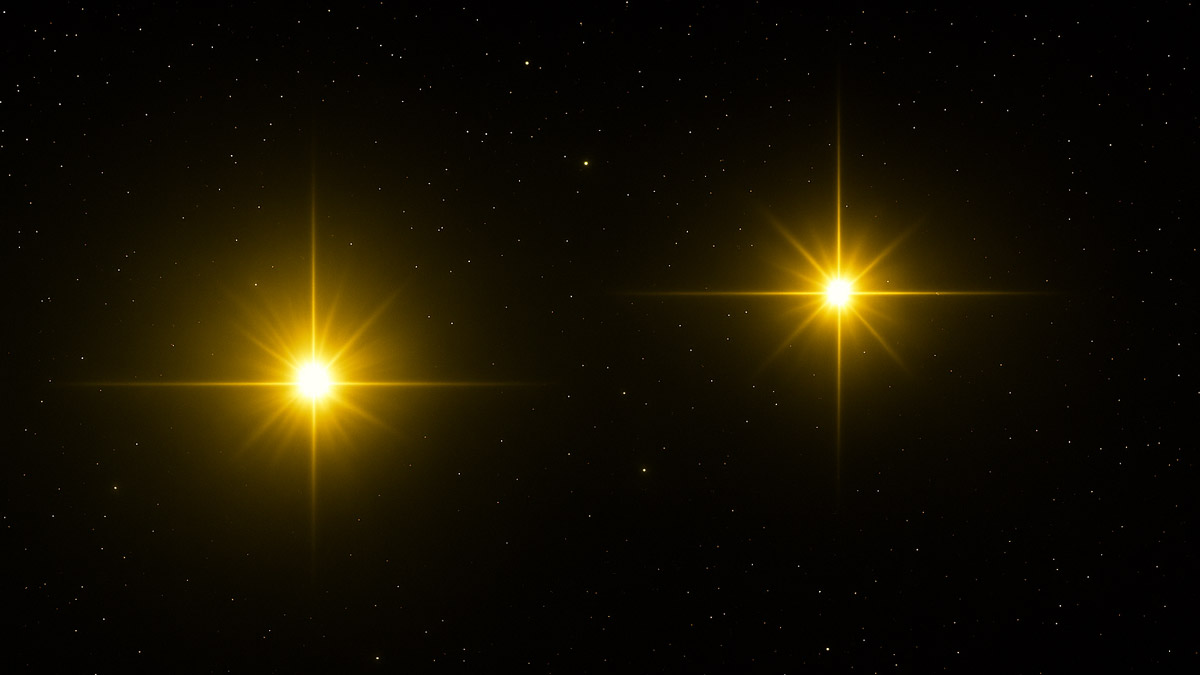
Xi Ursae Majoris, also known as Alula Australis, is a double star in Ursa Major. It’s best viewed in winter. This binary system is notable for many reasons: It’s a close binary system to earth — only 25 light years away. It was the first binary system to be discovered. William Herschel discovered it inContinueContinue reading “Xi Ursae Majoris: A Binary Star Close to Home”
24 Comae Berenices: An Amber and Sapphire Double Graces the Spring Sky
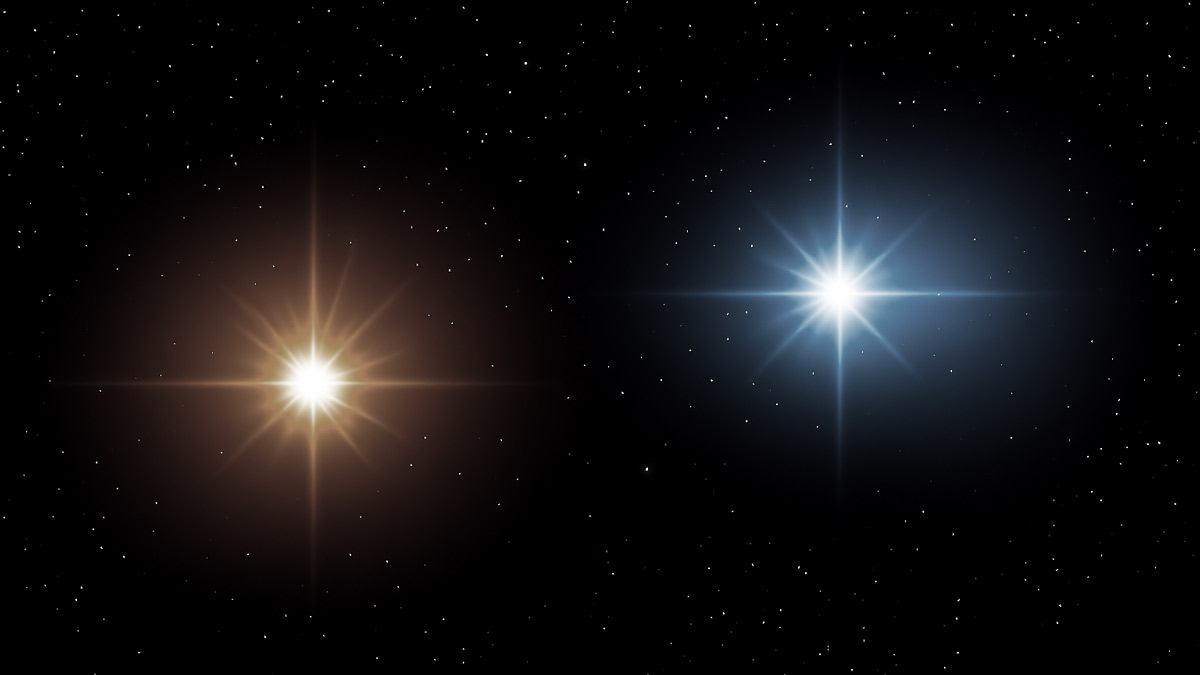
24 Comae Berenices is a pretty double star. This striking contrast of the primary amber star against the smaller bluish star makes this pair a worth target in springtime skies.
 The Garden Astronomer