
Cor Caroli is a double star in the constellation Canes Venatici. It’s best viewed in spring. The primary star, at a magnitude of 2.9, shines a white blue, while the dimmer companion, at a magnitude of 5.5, shines a warm yellow. This contrast of color makes for an attractive pair in the warming spring sky.
Tag Archives: Spring
Messier 94 (NGC 4736): The Cat’s Eye Galaxy

Messier 94 is a spiral galaxy with two distinct rings. It also continues to perplex astronomers as it has little to no dark matter.
Messier 64 (NGC 4826): The Black Eye Galaxy

As NASA points out, M64, or the Black Eye galaxy, is characterized by its bizarre internal motion. The gas in the outer regions of this remarkable galaxy is rotating in the opposite direction from the gas and stars in its inner regions.
Messier 66 (NGC 3627): A Galaxy Member of the Leo Triplet
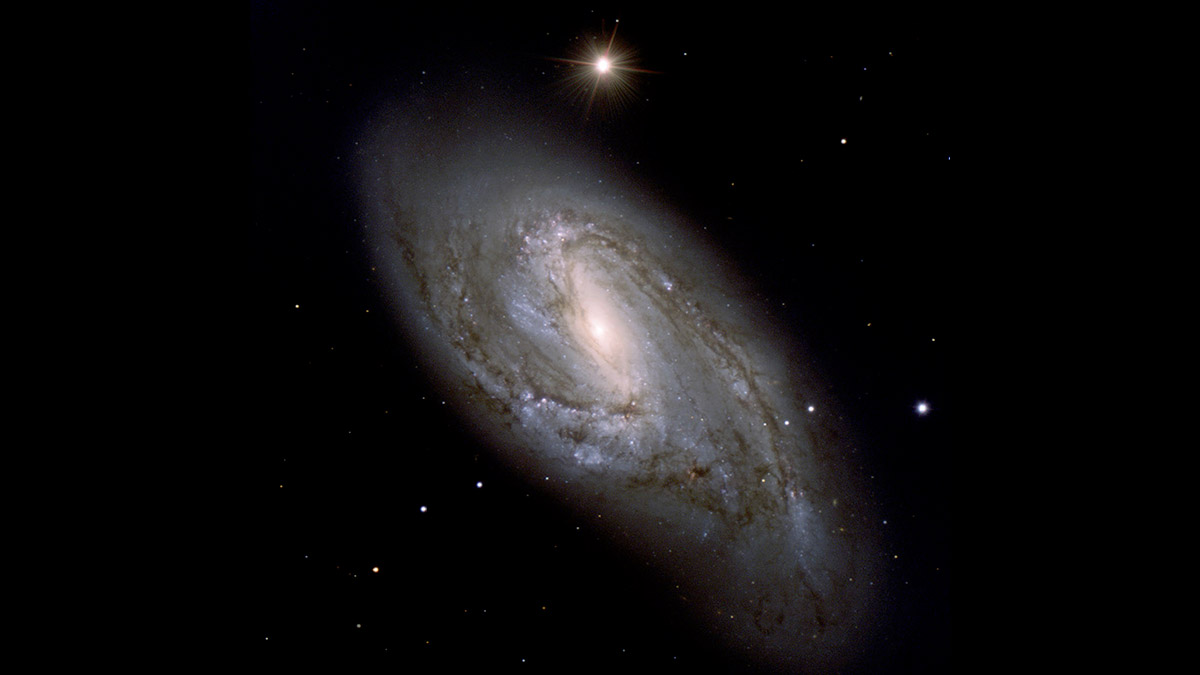
Messier 66 is best viewed during early springtime. It’s is part of the astronomical family of galaxies called the Leo Triplet.
Zeta Cancri: A Multiple Star System in Cancer
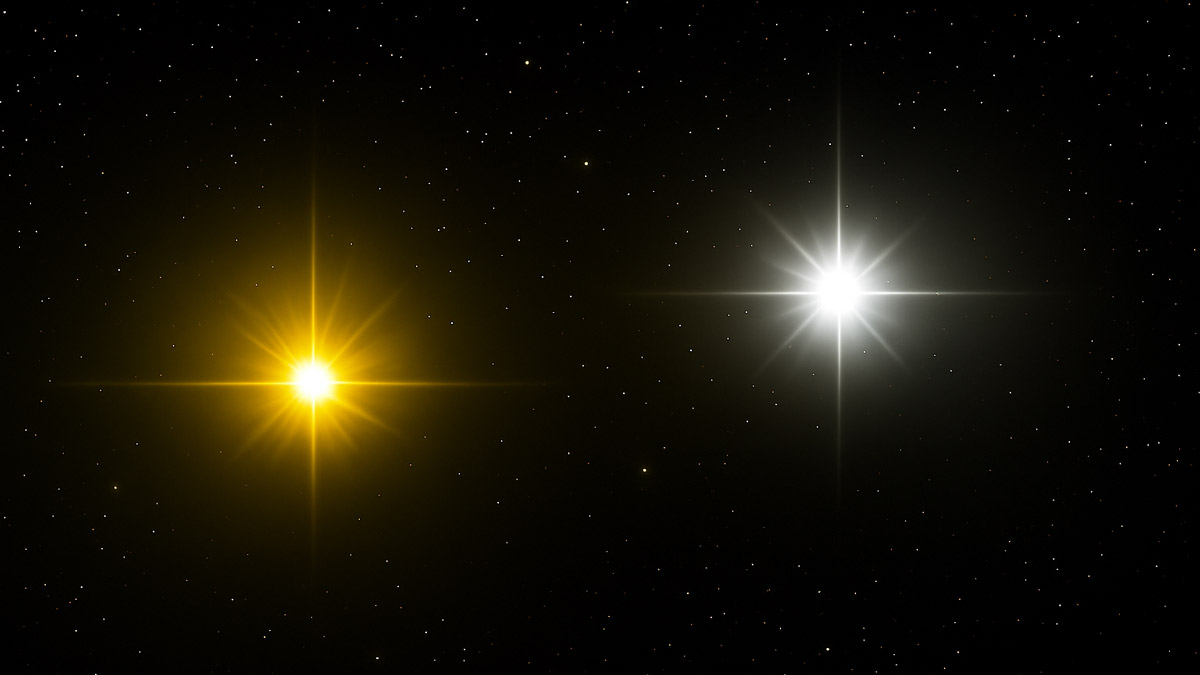
Zeta Cancri is a multiple star system in the constellation Cancer. It’s best viewed in the spring. For many years, astronomers believed Zeta Cancri to be a triple star system, though now it has been found to be a quadruple system. According to Jim Kaller, the close binary pair (known as Zeta Cancri A andContinueContinue reading “Zeta Cancri: A Multiple Star System in Cancer”
Messier 82 (NGC 3034): The Cigar Galaxy

As I stare into the eyepiece, my mind wonders; I imagine the flurry of star creation and enormous, unimaginable energy in the wispy image.
Messier 81 (NGC 3031): Bode’s Galaxy

Messier 81 is a spiral galaxy in Ursa Major. It’s best viewed in the spring. Galaxies are often faint and tough to see from suburban skies. However, Bode’s Galaxy is bright enough to see using smaller scopes and is a great object for amateur astronomers starting out in the hobby. Its spiral arms, the brightContinueContinue reading “Messier 81 (NGC 3031): Bode’s Galaxy”
Messier 48 (NGC 2548): A Star Cluster the Size of Two Moons
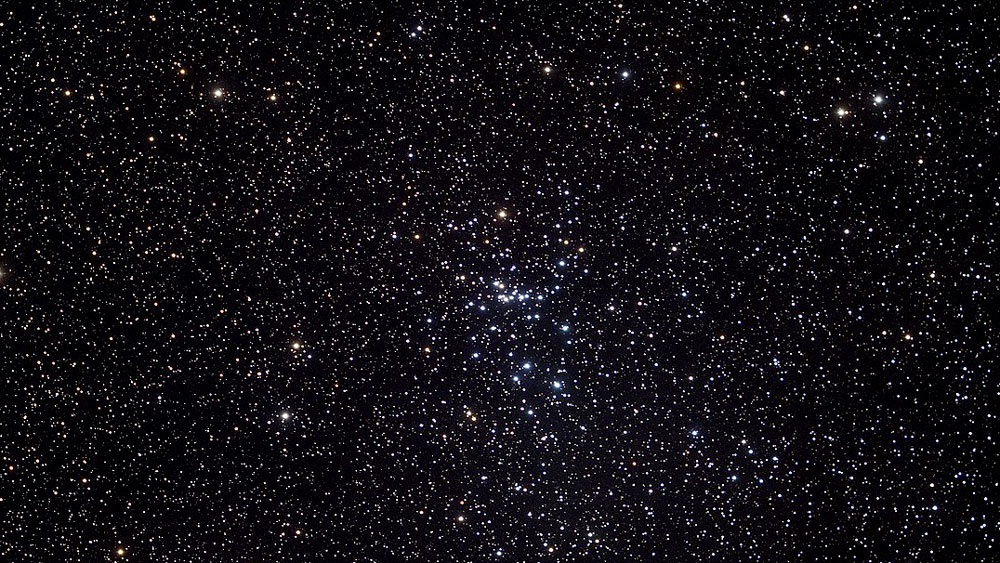
Messier 48 is an open star cluster in the constellation of Hydra. M48 has an interesting history as Messier recorded an incorrect location for the cluster, and many give credit to Caroline Herschel for its discovery.
 The Garden Astronomer