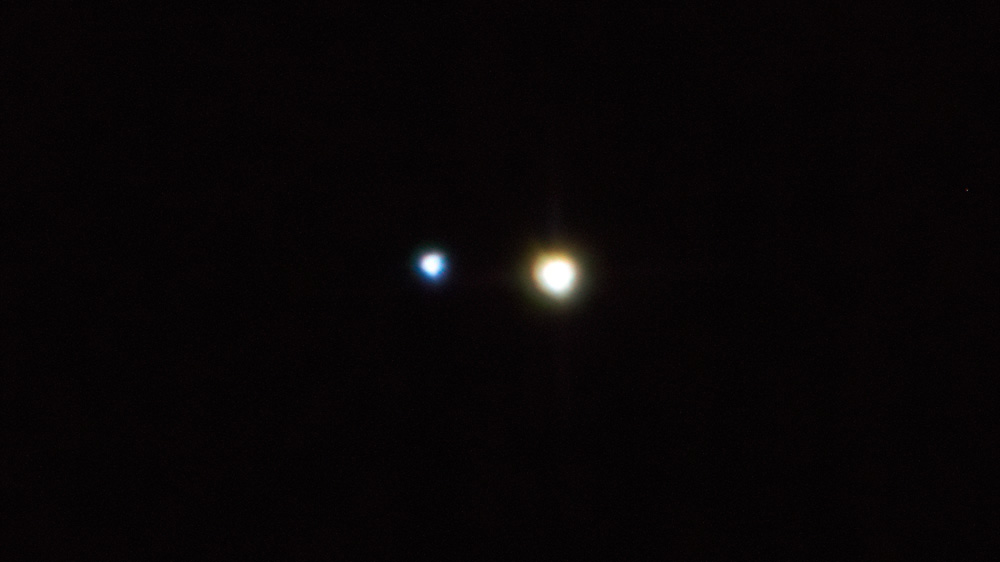
Iota Cancri is a beautiful double star in the constellation Cancer. It’s best viewed in the spring with its gold and blue color. It’s a great object in small scopes.
Tag Archives: Spring
Struve 1850: A Wide Binary Star in Boötes

Struve 1850, a binary star system in the Boötes constellation, consists of two nearly identical A1V stars, easily observable with binoculars or small telescopes. Discovered by Friedrich Struve in 1823, they are over 800 light-years away. Their similar luminosity and proximity make them delightful targets for amateur astronomers. Also known as: STF 1850, HD 127067, SAO 83374, HIP 70786, HR 5414
Struve 1677: A Close Pair of Stars Near Porrima in Virgo
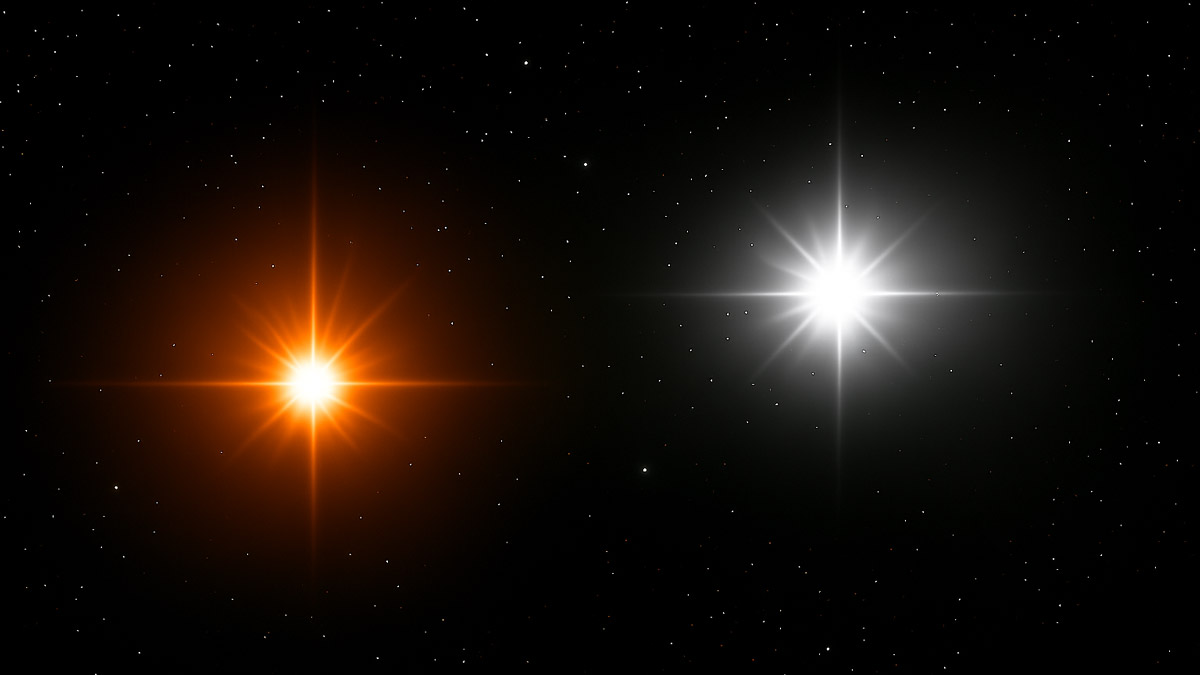
Struve 1677 (STF 1677) is a double star in the spring constellation of Virgo. The binary stars are fairly close together but can be split with a telescope at 16 arc seconds apart. This double is also known as SAO 138952 or HIP 62234 and lies near Porrima.
24 Cancri (Struve 1224): A Quaint Triple Star in Cancer
24 Cancri, located in the spring constellation Cancer, is known as a triple star system, but backyard astronomers will only see a pair of nearly identical and pretty white-yellow stars, Learn more about the pair and see how they look through an 8-inch SLT scope. The pair is also known as 24 Cnc A, HD 71152, HR 3312, SAO 80184, STF 1224, Struve 1224, and upsilon.
NGC 4565: The Needle Galaxy
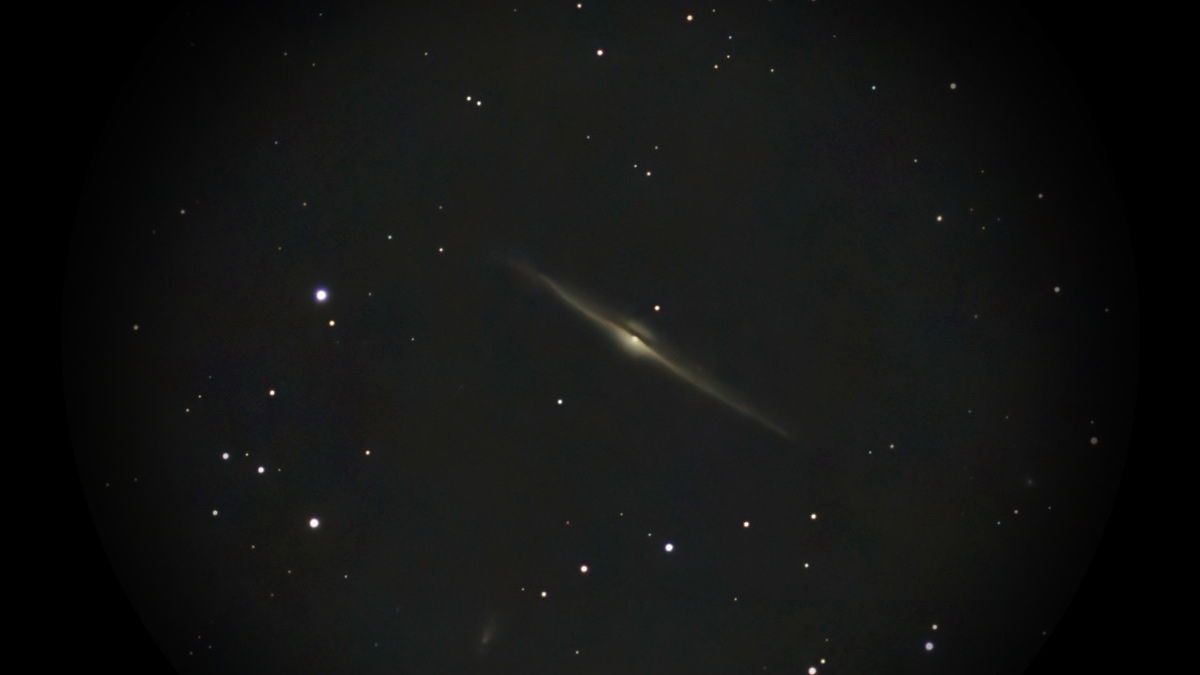
The post discusses the Needle Galaxy (NGC 4565) located in the Coma Berenices constellation, notable for its thin, edge-on spiral structure. It features a sketch of the galaxy as it appears through a telescope along with a photo from a Seestar S50. Also known as Caldwell 38 (C38). The article also mentions and shows NGC 4562 nearby.
HD 118266: An Attractive Orange and Dim Blue Binary in Virgo
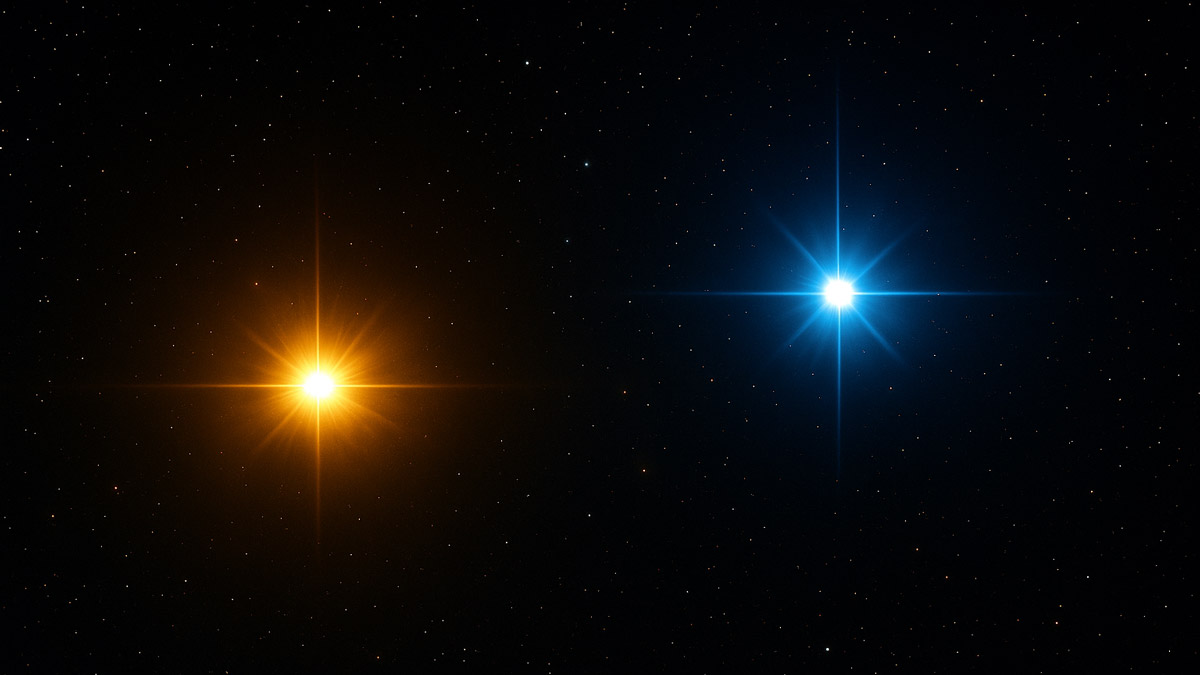
Learn about the pretty double star HD 118266 in the constellation Virgo viewed on spring nights. The star also known as HJ 228, is a binary star that has a orange primary and a dimmer blue companion that lies far apart enough for smaller scopes to observe. It’s also known as SAO 100630, HIP 66326, HR 5114.
23 Ursae Majoris: A Stellar Duo in The Great Bear
Ursa Major is a familiar sight in the northern night sky, home to the easily recognizable Big Dipper. While the stars of the Dipper often steal the show, the constellation is filled with other fascinating celestial objects, including one of my favorite galaxies, M51. Amongst all these significant objects is the binary star system 23ContinueContinue reading “23 Ursae Majoris: A Stellar Duo in The Great Bear”
Delta Boötis (Princeps): A Golden Yellow Double Star in Boötes

On spring and summer nights, the double star Delta Boötis shines down from the northern constellation of Boötes, the Herdsman. The two stars are wide apart in the sky, making them an easy target to find. Accounting for the significant separation between the two and the beautiful golden hue of the primary star, this double star instantly becomes a gem for backyard astronomers. The pair is also known by the following: Del Boo, STFA 27, SAO 64589, HD 135722, 49 Bootis, δ Boo, HR 5681, HIP 74666
 The Garden Astronomer