
Within the constellation Canes Venatici, or NGC 4258, is Messier 106 with it’s arms made of gas and dust. Most observers with a modest telescope can make out Messier 106’s relatively bright and distinct structure. And speaking of structure, one of the most fascinating aspects of M 106 is its unique arms. Unlike typical spiral galaxies where the arms are composed mainly of stars, the extra arms of M106 are composed of vast amounts of gas.
Tag Archives: Spring
17 Canum Venaticorum: A Wide Pair of Pearly White Stars
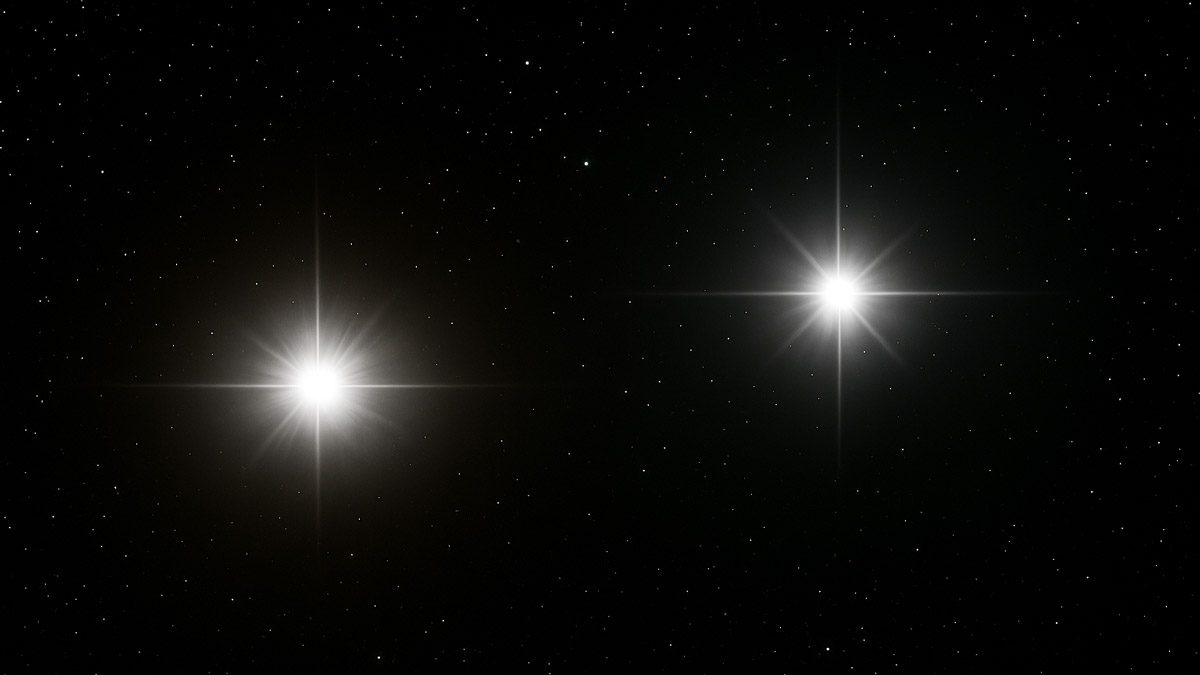
The double white star 17 Canum Venaticorum lies in the spring northern constellation of Canes Venatici. The stars that make this nice double lie 275 arcseconds apart and lie 206 light years from Earth. The pair is also known as 17 CVn, STFA 24, SAO 63380, HD
114447, HR 4971, HIP 64246, 16 CVn.
HD 120164: An Orange and Yellowish Binary in Canes Venatici
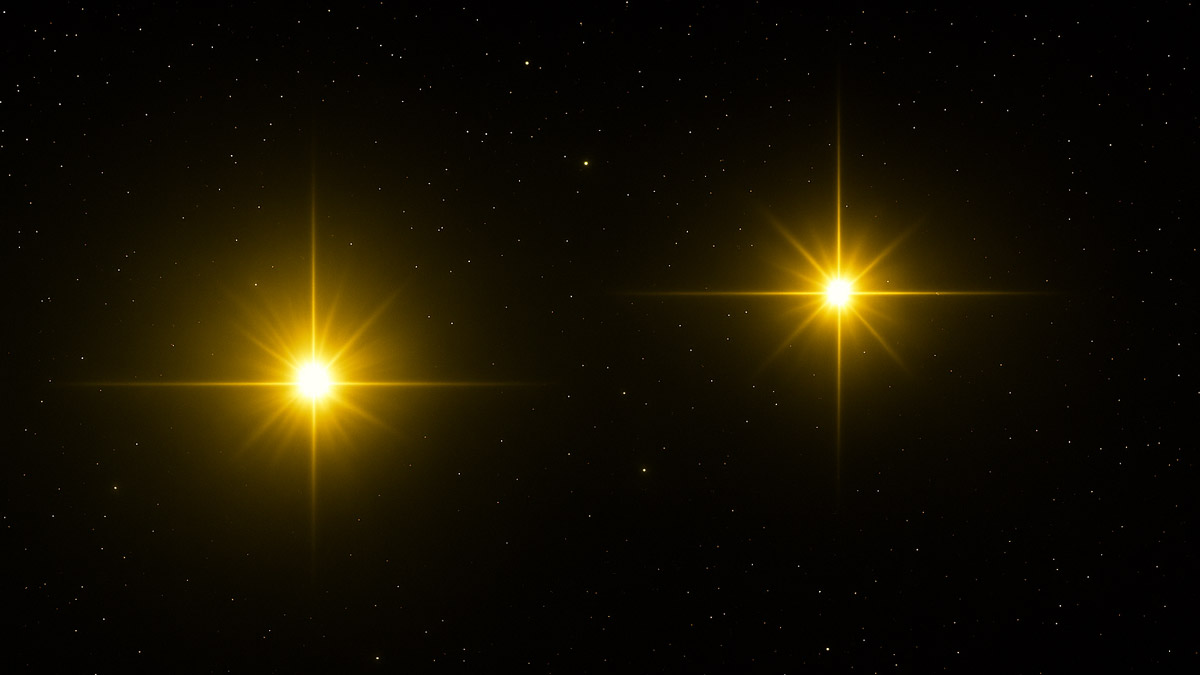
Nestled in the northern constellation of Canes Venatici, Latin for “the Hunting Dogs,” the double star HD 120164 features an attractive orange giant paired with a dimmer yellow-white star. The binary is also known as SAO 63739 and HR 5186.
2 Canum Venaticorum: A Cherry Red Giant Double in Canes Venatici
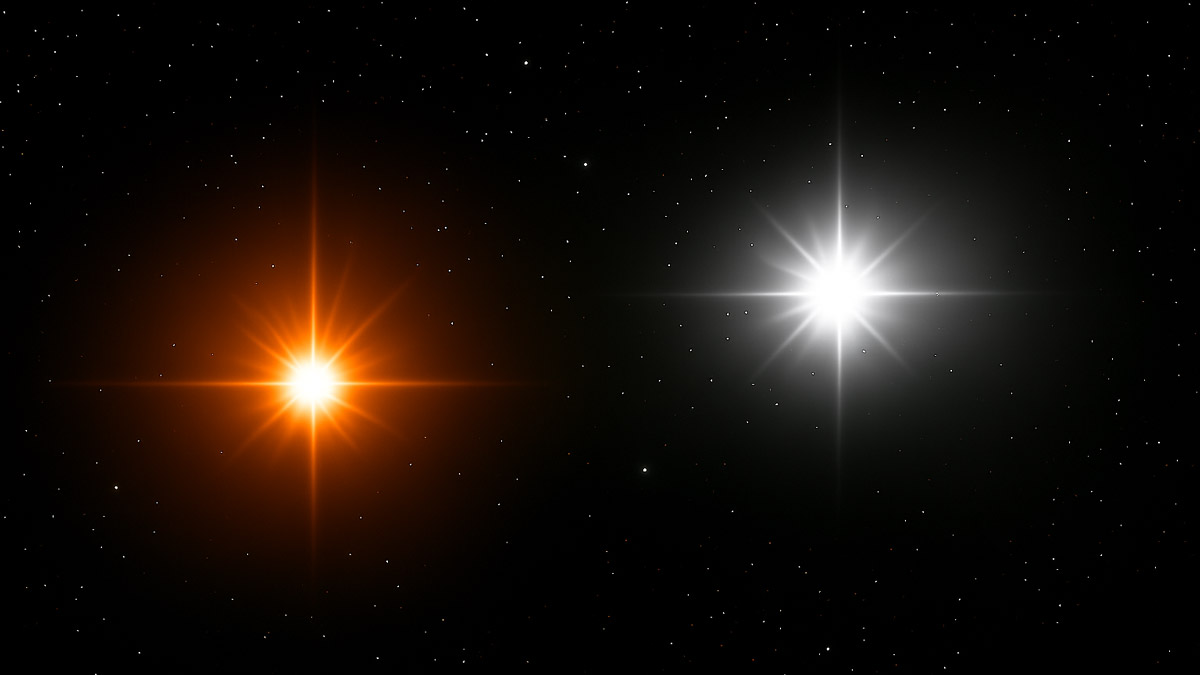
Nestled in the northern constellation of Canes Venatici, Latin for “the Hunting Dogs,” the double star 2 Canum Venaticorum (also known as Struve 1622) offers a captivating sight for those who love double stars. Observers can catch this pair in the northern sky in the spring and early summer months near the more famous constellation Ursa Major. The double star is also known as SAO 44097, 2 CVn, STF 1622, HIP 59827, HD 106690, HR 4666.
NGC 3115: The Spindle Galaxy with a Supermassive Black Hole

Within the constellation Sextans, the Spindle Galaxy, or NGC 3115, is observed edge-on from Earth, displaying a lens-like appearance. Discovered by William Herschel in 1787, it is a lenticular galaxy with a central bulge housing a supermassive black hole. Despite its massive size, the black hole shows subdued behavior, emitting faint radiation. Observations in March 2024 in Seattle revealed its distinct appearance, in line with previous descriptions.
Messier 97 (NGC 3587): An Owl Looks Down from Ursa Major

Welcome to the Owl Nebula, also known as Messier 97. This planetary nebula is located in the constellation Ursa Major and can be seen in the night sky every spring. When viewed with small telescopes under clear, dark conditions, it appears as a small circular smudge. However, telescopes with a diameter of over 8 inches can reveal more of the nebula’s unique owl-like features. Also known as M97, NGC 3587, ARO 25.
Theta Cancri: A Gem in the Crab
Theta Cancri is a pretty double star in the spring constellation of Cancer. The primary star shines a pretty red-orange color. The star is also known as 31 CNC, SAO 97881, HD 72094, HIP 41822, HR 3357
Epsilon Hydrae: A Tight Celestial Pair in the Serpent
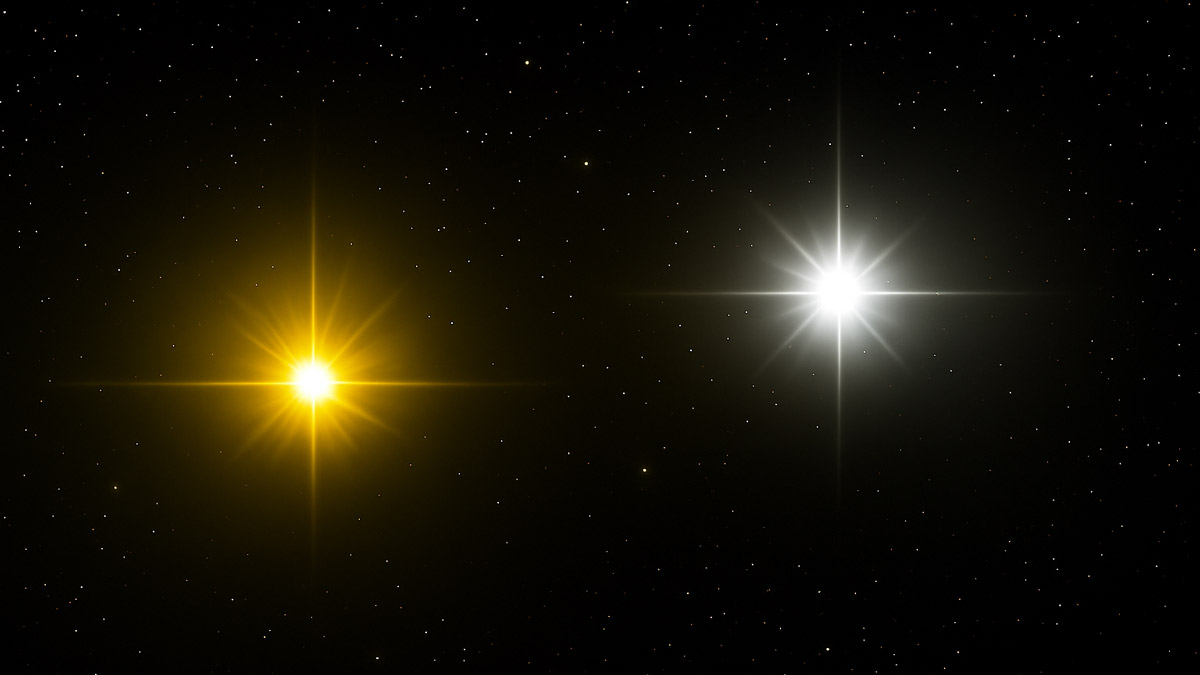
Epsilon Hydrae is a notable binary star system in the constellation Hydra, discovered by Wilhelm Struve in 1825. The primary star orbits a close companion every 15 years, with a further distant companion observed through telescopes. Best viewed in spring, Epsilon Hydrae presents an engaging target for amateur astronomers. Also known as: SAO 117112, Eps Hya, 11 Hydrae, ε Hya, HD 74874, HIP 43109, HR 3482
 The Garden Astronomer