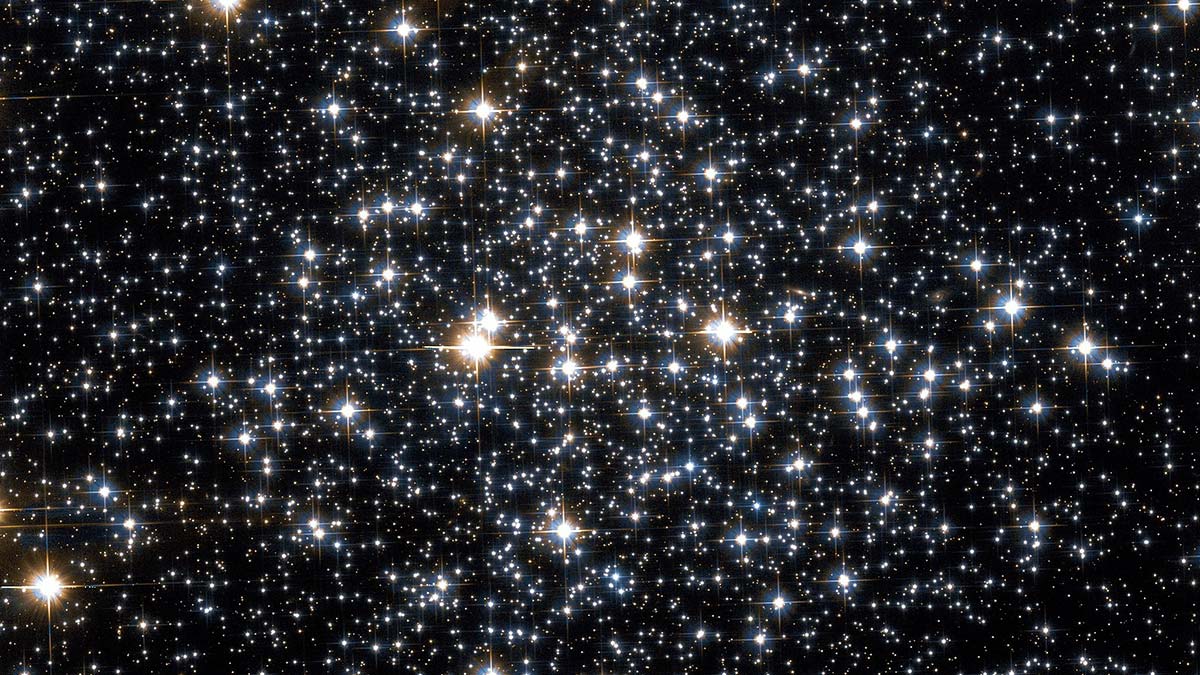
Globular clusters like Messier 71 (M71) make for great targets. With a pair of binoculars away from bright city lights, an observer can see M71 as a fuzzy patch. Move up to the telescope (say 4 inches in diameter and larger), and you can start to make out some individual stars. For a long time,ContinueContinue reading “Messier 71 (NGC 6838): A Globular Cluster Close to Home”
Tag Archives: Spring
Iota Boötes (Asellus Secundus): A Wide Yellow and Lilac Double Star

The double star Iota Boötis shines down from the northern constellation of Boötes. The two stars are separated by approximately 39 arc seconds of space, making the pair visible to those with smaller telescopes—and maybe even binoculars.
Struve 1904: A Nice Double Star in Virgo
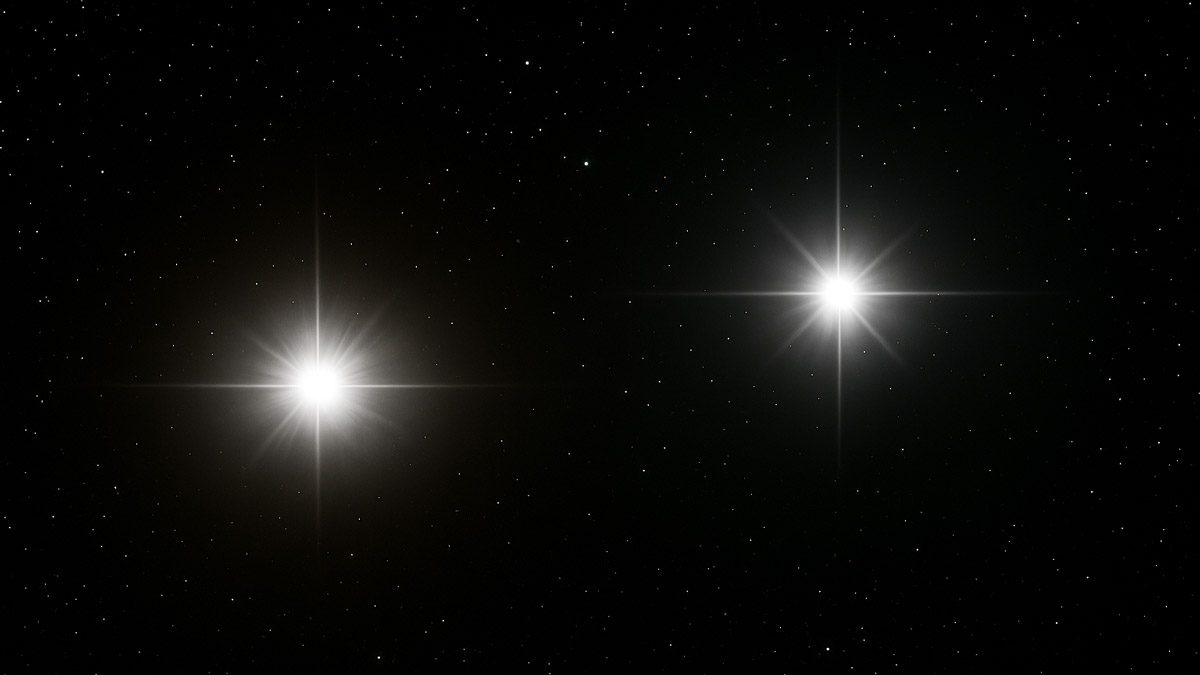
The author explores the galaxies in the Virgo constellation, focusing on the double star STF 1904, discovered by Friedrich Struve in 1823. Comprising a subgiant primary and a main-sequence secondary star, they are 247 light years from Earth. Observations made in Seattle reveal their distinct separation and brightness.
Also known as: SAO 120822, HD 133408, HR 5610, HIP 73716, STF 1904
The Sun: Our Powerhouse
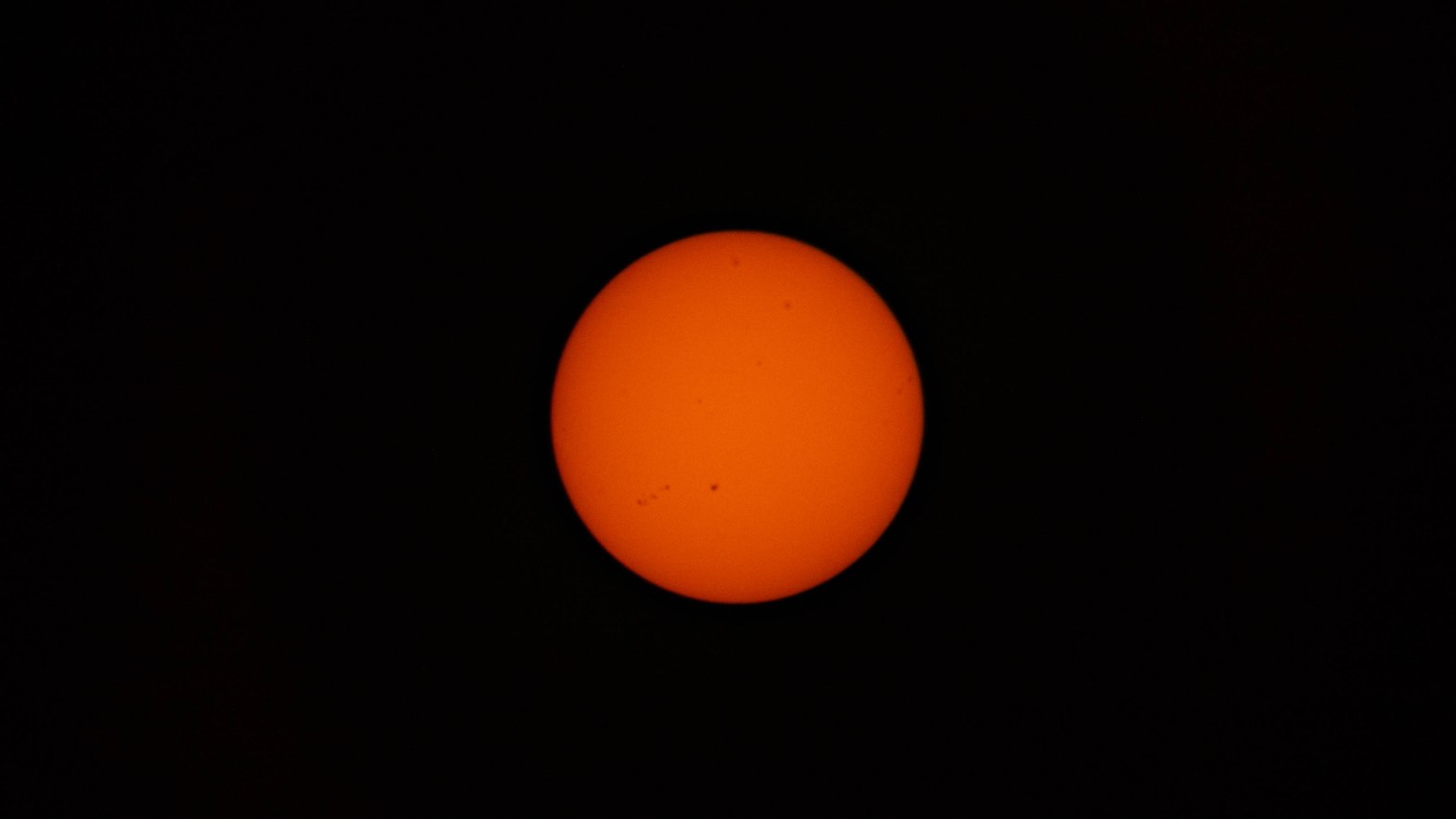
Our Sun, situated at the center of our solar system, serves as the gravitational anchor around which Earth and other celestial bodies revolve. Right now it is experiencing great solar activity.
Messier 101: The Pinwheel Galaxy and Brilliant Supernova SN 2023ixf

On May 19, 2023, a bright supernova appeared in one of the Pinwheel’s spiral arms. A week after, I captured it with my DSLR camera.
VY Ursae Majoris: A Beautiful Carbon Star in Ursa Major

VY Ursae Majoris (VY UMa) is a red hypergiant and popular carbon star located in the constellation Ursa Major. Best viewed in the springtime.
54 Virginis: A Close Pair of Stars Near the Celestial Equator
54 Virginis is a double star in the spring constellation of Virgo. The stars are fairly close together but can be split with a telescope.This double is also known as LM Vie, SAO 157799, or HIP 64520.
Struve 1659: The Stargate Cluster (Asterism) in Corvus

Learn about the star cluster Struve 1659 also known as the Stargate Cluster. The object is an asterism in the southern constellation of Corvus best viewed from the Northern Hemisphere in the spring.
 The Garden Astronomer