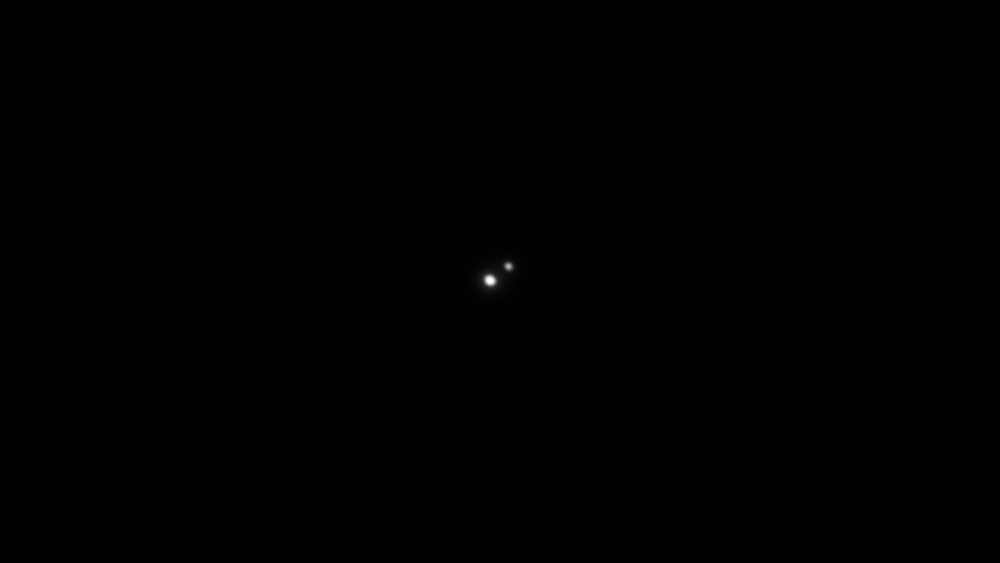
Algieba is an exceptional double star, which would easily be placed in a list of TOP 10 double stars visible to backyard astronomers.
Tag Archives: Spring
Messier 49 (NGC 4472): The Brightest Galaxy of the Virgo Cluster

Messier 49 (M49 and NGC 4472) happens to be the brightest galaxy in the Virgo Cluster. It’s also the brightest galaxies amateur astronomers can view from the backyard. Learn more of this large elliptical galaxy viewable as a hazy patch of light from the suburbs.
Izar (Epsilon Boötis): A Bit of Science Fiction and Loveliness

The binary star named Izar, also known as Epsilon Boötis, is located in the constellation Boötes and is best viewed in late spring. It takes a decent telescope and clear skies to split this double, but the effort pays off!
Messier 85 (NGC 4382): An Intriguing Haze in a Cluster of Galaxies
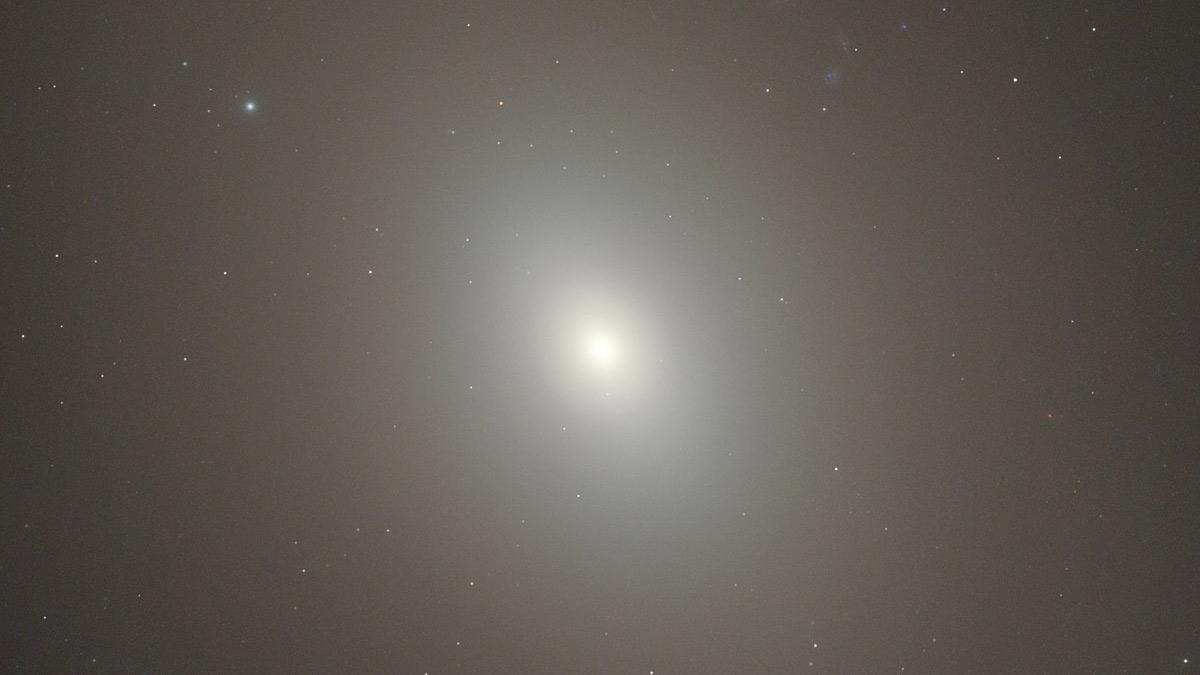
Messier 85 happens to be one of the brightest galaxies among the Como-Virgo cluster and is best viewed in May. So if you are a backyard astronomer fighting light pollution, be sure to give this object a try.
Messier 84 (NGC 4374): A Cotton Ball in a Field of Many

Messier 84 (M84), also designated as NGC 4374, lies in the springtime sky amongst the plethora of viewable galaxies in Virgo. Using a small scope, one can also find it among the array of galaxies in the Virgo Cluster and the stretch of galaxies in Markarian’s Chain. It looks a faint smudge in small to mid-sized scopes from the backyard.
54 Leonis: An Attractive Double with an Aquamarine Star

54 Leonis is a double star with an exceptionally pretty secondary star, which is aquamarine in color. Some observers describe it as icy blue. Either way, it’s an awesome double to see in Leo.
Zeta Coronae Borealis: A Double Once Referred to as Smalt Blue
In August 1831, astronomer Admiral Smyth described the color of this double star as “smalt blue” — an intriguing description for pale blue stars. Regardless of various accounts of their color, the pair make for a pretty pair of late spring in Corona Borealis.
Messier 53 (NGC 5024): An Old, Bold Globular Cluster on the Outskirts of the Milky Way

Messier 53 is a globular cluster on the outskirts of our galaxy at nearly 60,000 light years above us. M53 is also unique as it has a more blue straggler stars than other globulars.
 The Garden Astronomer