
31 Cygni (Omicron Cygni) is a triple star system in Cygnus with large orange giants and blue companions, ideal for telescope observers in fall.
Tag Archives: Summer
Messier 16 (NGC 6611): The Eagle Nebula

As summertime begins in the northern hemisphere, Messier 16 (also known as the Eagle Nebula or Star Queen Nebula) comes on the scene. The popular Eagle Nebula s a diffuse emission nebula located in the constellation Serpens.
41 Draconis: Creamy-Looking Double Star in Draco

40 and 41 Draconis form a double star system in the constellation Draco. Since they have fairly bright magnitudes and good separation, most observers with small telescopes should be able to split this pair. I suggest first-time observers first study their pale-yellow color. Some observers have noted they are a cream color. Then, slew yourContinueContinue reading “41 Draconis: Creamy-Looking Double Star in Draco”
16 Cygni: A Double Dose of Yellow Stars in Cygnus
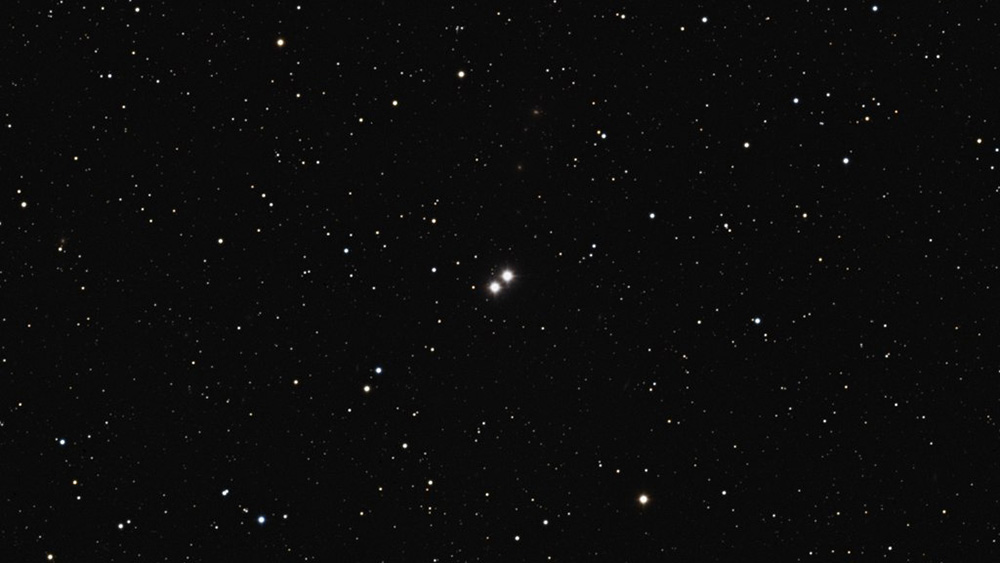
16 Cygni is a double star system in the constellation Cygnus. It’s best viewed in summer through early autumn. By the way, Cygnus is also known as the Northern Cross. 16 Cygni is the right-hand star in the cross. With a small telescope, you’ll be able to see this nice pair of sun-like stars. Known as SAO 31898.
Messier 39 (NGC 7092): A Larger Cluster of Straggling Stars in Cygnus

This collection of around 30 stars is only 800-1000 light years away, closer to us than many star clusters. Due to its close proximity, it’s larger and spread across a region larger than the moon.
Gamma Delphini: A Pretty Double Star in Delphinus
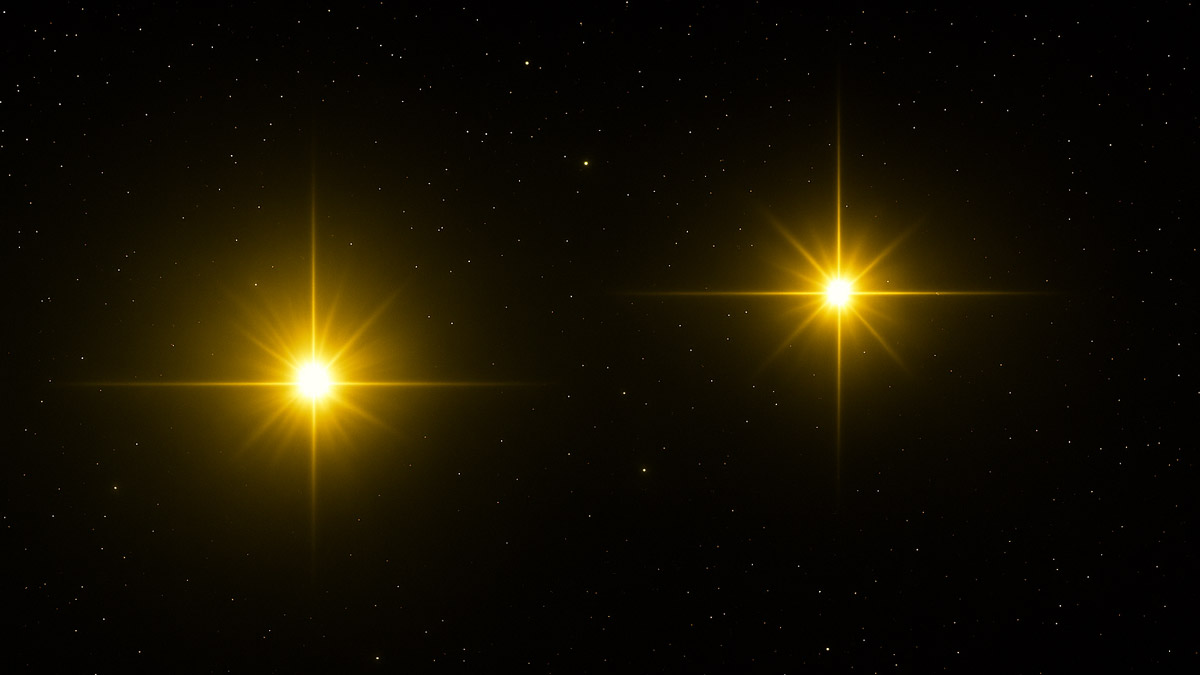
Gamma Delphini is a double star system in the constellation Delphinus. It’s best viewed in summer and early autumn. While not as famous or startling as the double star Albireo, Gamma Delphini is a worthy binary not to be missed, as the double stars Gamma-1 and Gamma-2 make a colorful pair. In my case, IContinueContinue reading “Gamma Delphini: A Pretty Double Star in Delphinus”
Epsilon Lyrae: Four Stars for the Price of Two — A Double Double
Epsilon Lyrae is a double binary system in the constellation Lyra. It’s best viewed in summer through early autumn. While some doubles are notable because of contrasting color, Epsilon Lyrae holds a surprise for first-time observers. On first look through binoculars or small scopes, you’ll see a pair of stars. Take a closer look, andContinueContinue reading “Epsilon Lyrae: Four Stars for the Price of Two — A Double Double”
Messier 56 (NGC 6779): A Globular Cluster Screaming Toward Us
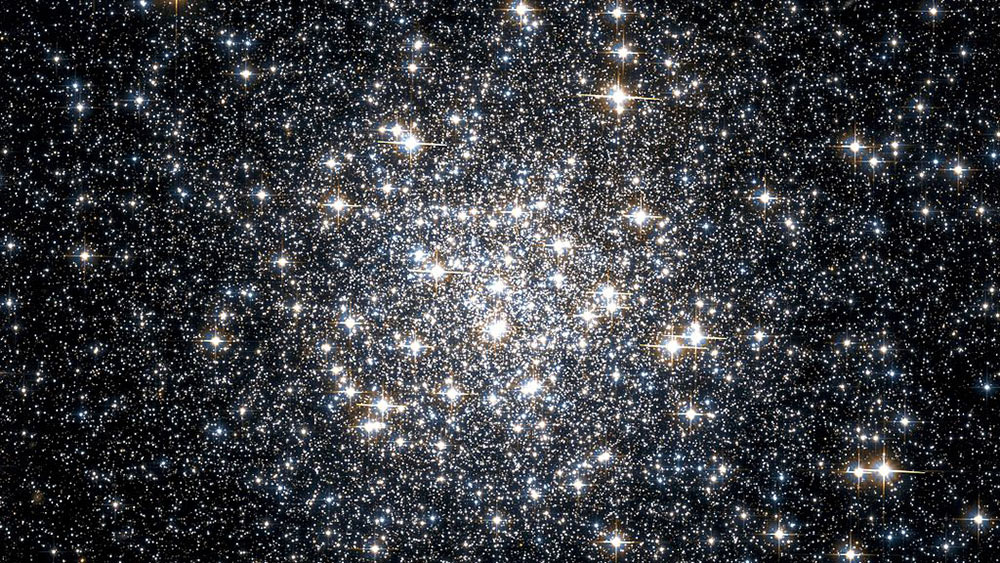
This grouping of stars is around 84 light-year in diameter. What’s more, it’s screaming toward the earth at around 345,000 miles per hour!
 The Garden Astronomer