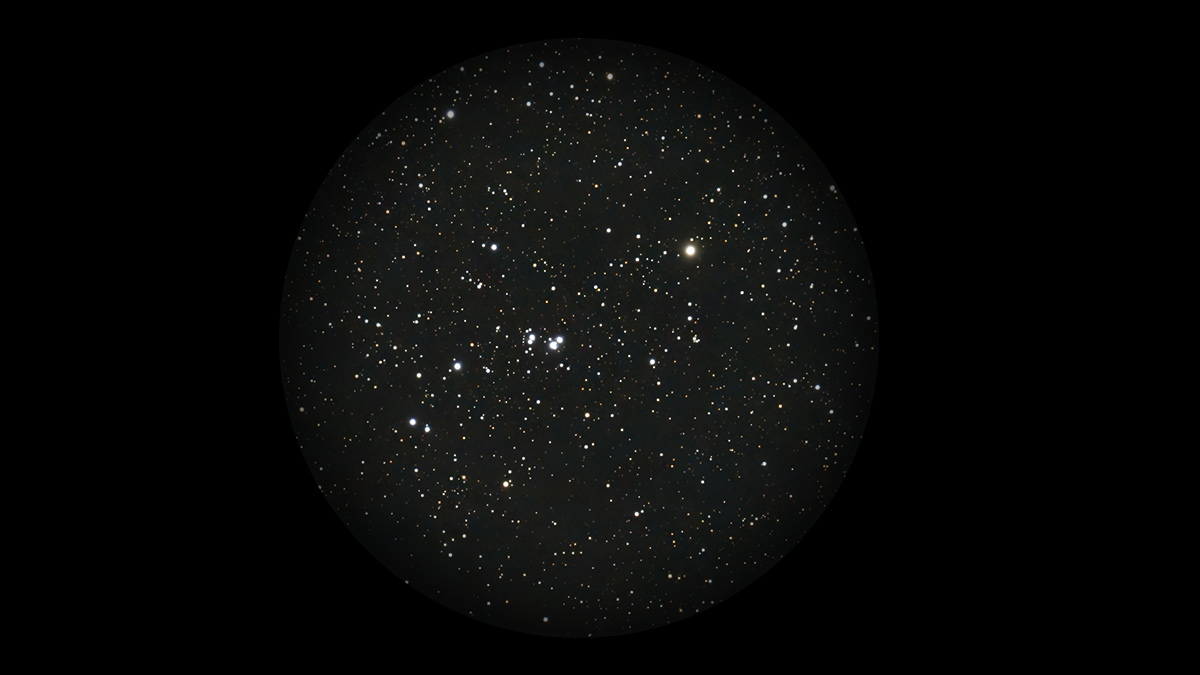
Explore the open cluster NGC 6871 in Cygnus with my observing notes, sketch, and Seestar photo. I also highlight the fascinating Wolf–Rayet star WR 133.
Tag Archives: Summer
Marsic (Kappa Herculis): A Garnet and Topaz Double Star
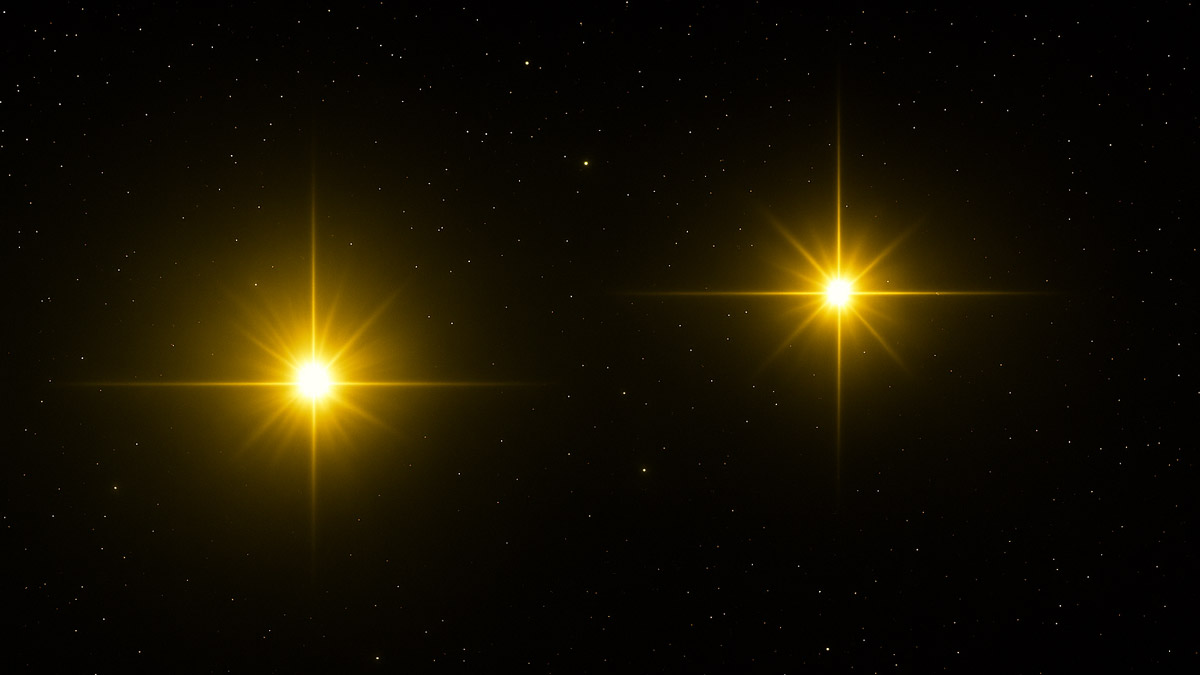
Learn about Marsic (Kappa Herculis) and see how it looks through an 8-inch SCT scope when viewed from a suburban location. Marsic is an optical double star in the constellation Hercules and best viewed in summer.
Altair: A Bright, Fast-Spinning Beacon in the Summer Sky
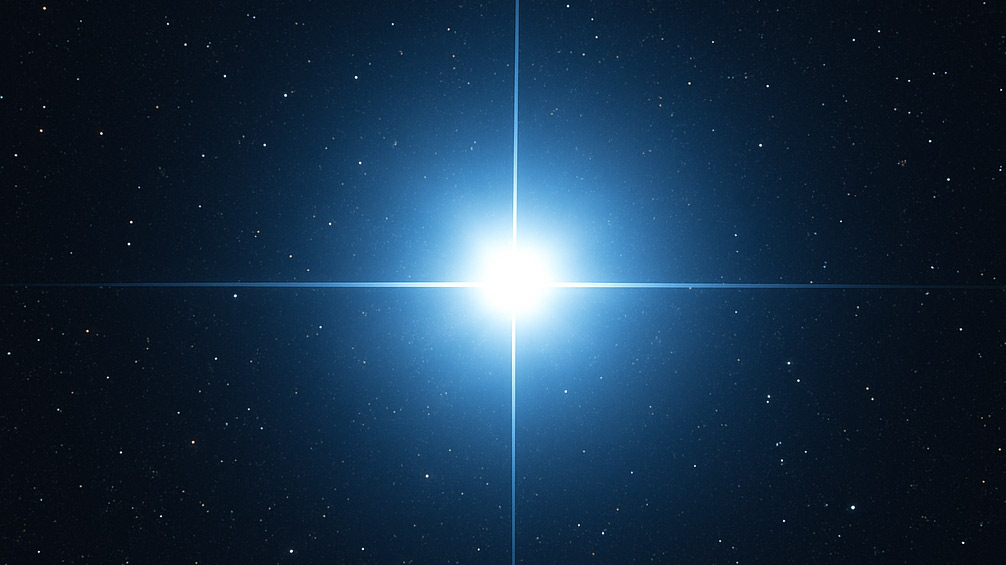
Discover Altair, one of the brightest stars in the Summer Triangle. This blog explores its rapid spin and includes a personal telescope sketch for stargazing enthusiasts.
Antares: Across the Skylines
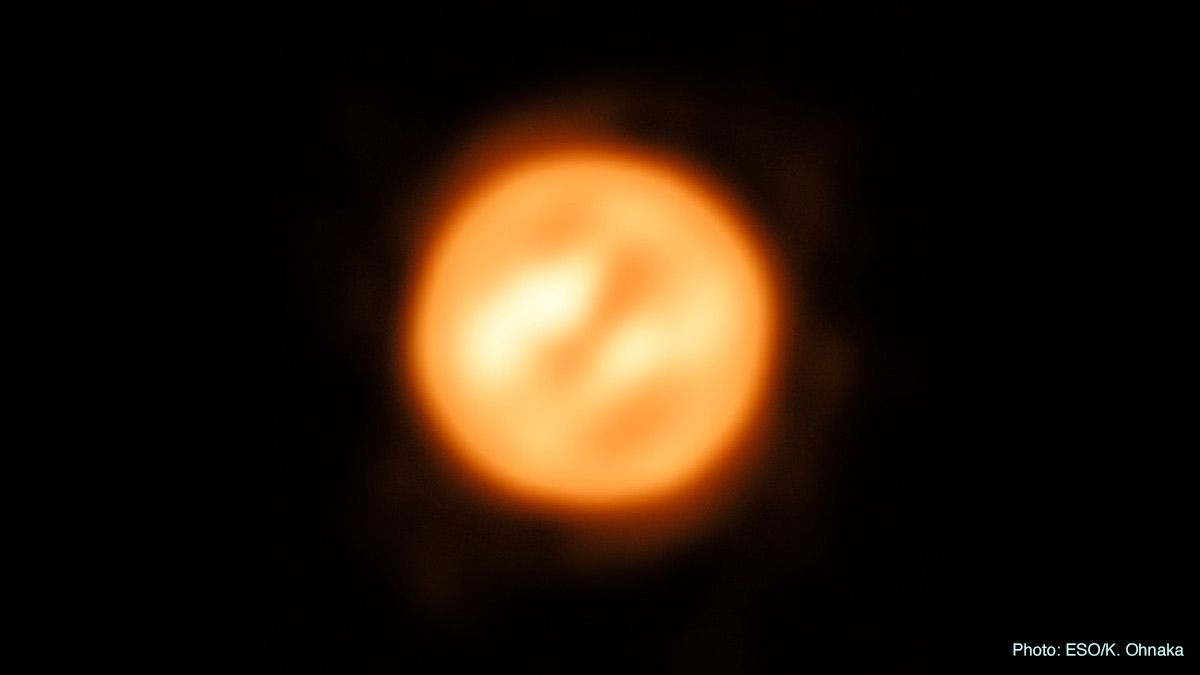
Follow a lifetime of stargazing from Denver to the Gulf Coast, as the red fire of Antares bridges decades of memory, solitude, and celestial wonder.
Nu Boötis: The Pretty Optical Double Star in Boötes
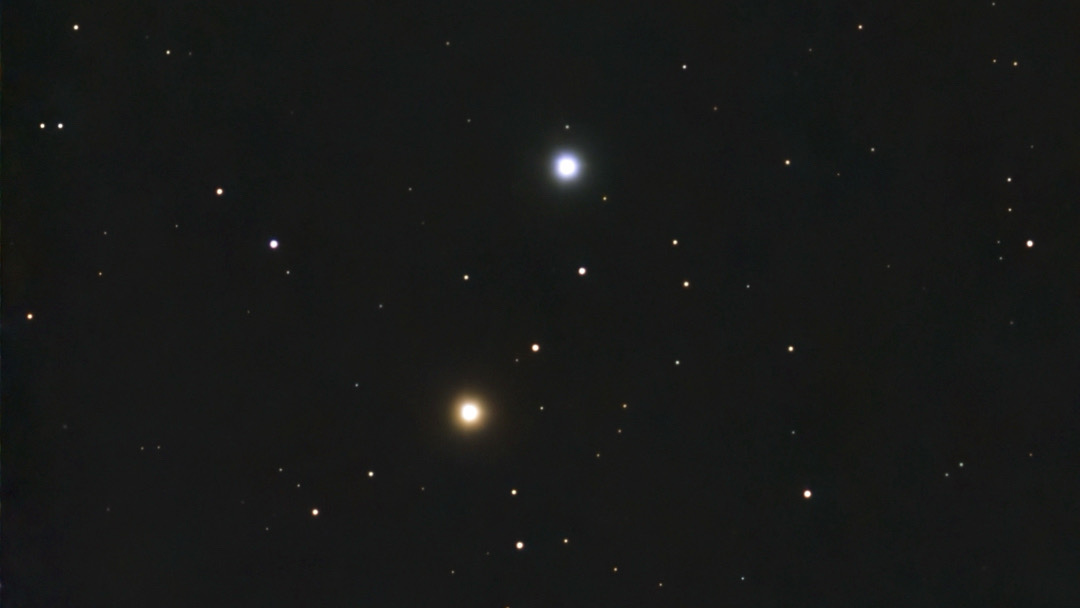
Nu Boötis, also known as Nu-1 and Nu-2 Boötis, is a striking optical double star in the constellation Boötes. This colorful star pair, visible in binoculars and small telescopes, delights stargazers with its contrasting magnitudes and beauty in spring and summer skies.
57 Aquilae: A Light Topaz Blue Double
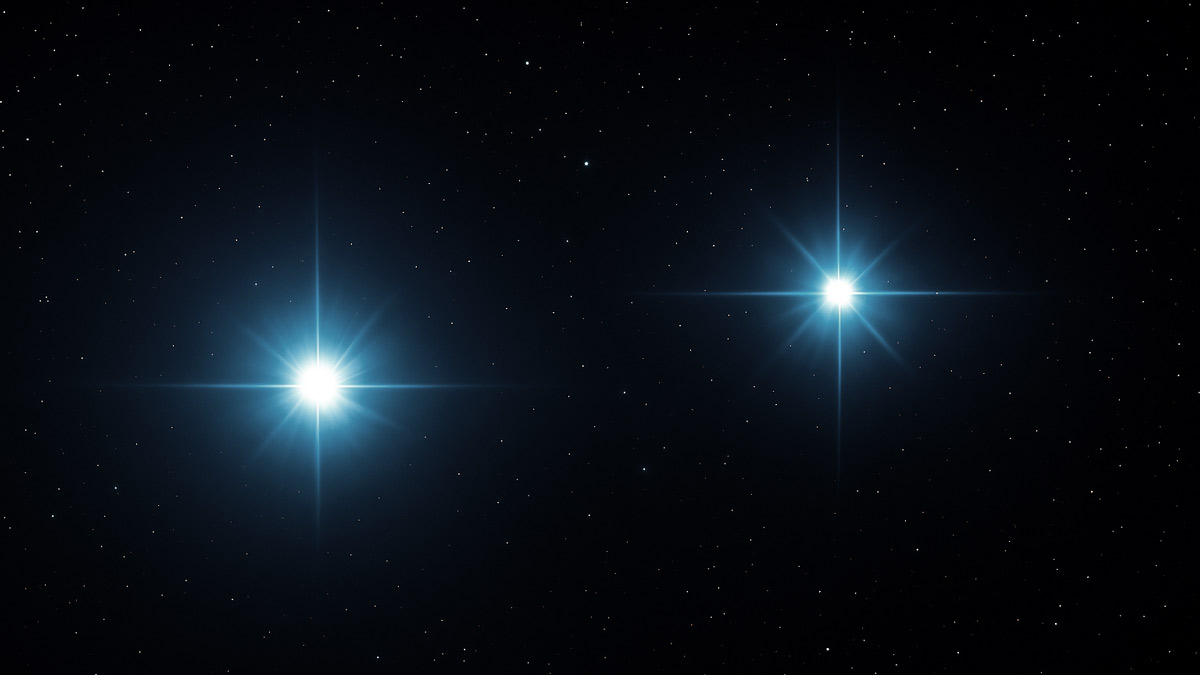
Tucked away in the Eagle’s wing, 57 Aquilae shines as a quiet pair of stellar companions. I spent some time at the eyepiece with this beautiful double star—here’s what I saw and why it left an impression.
Messier 80 (NGC 6093): A Stellar Beehive in Scorpius
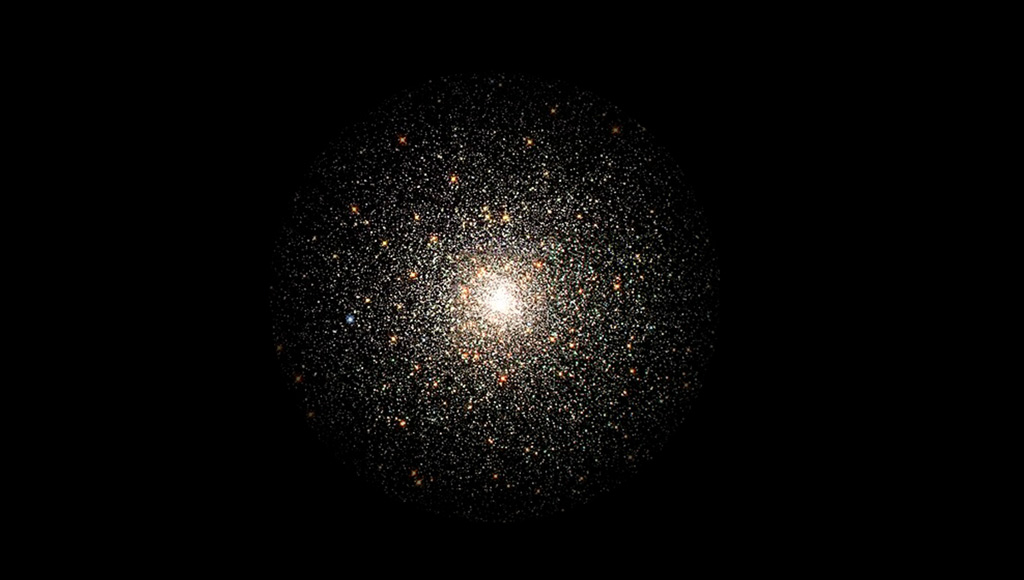
Discover the beauty of Messier 80, a dense globular cluster near the Milky Way’s center, perfect for stargazers and amateur astronomers. Learn and see how M80 is viewed through a visual and electronic telescope such as Seestar S50.
Zeta Ophiuchi: The Runaway Star with a Turbulent Past
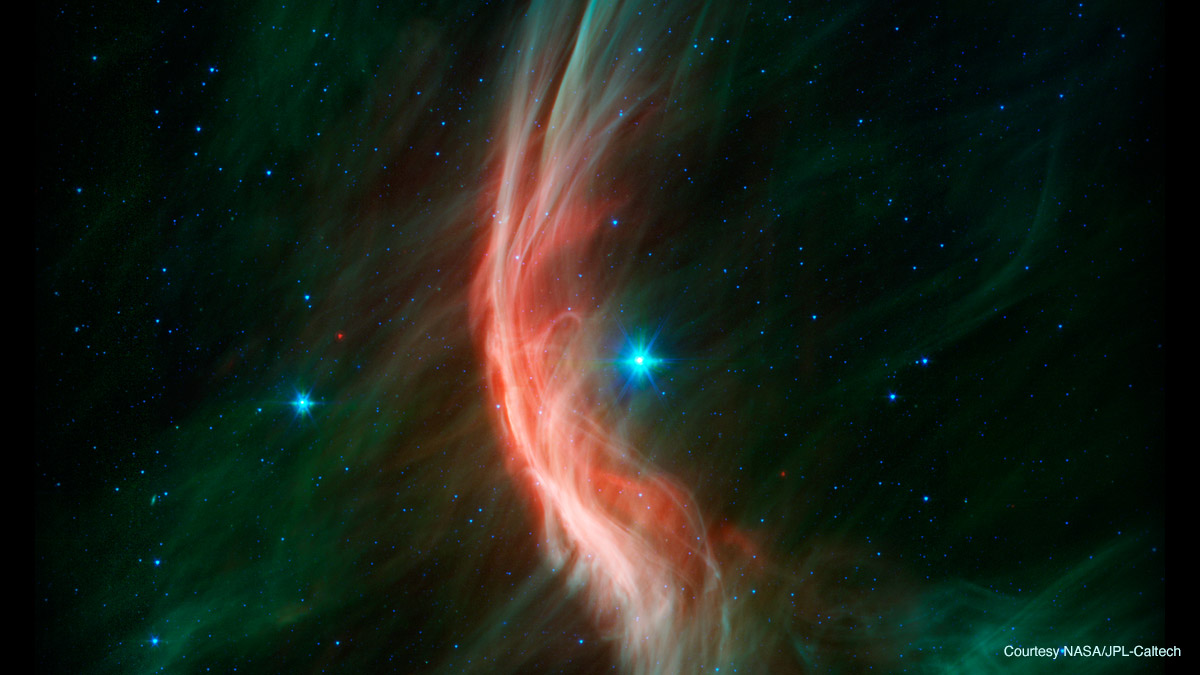
Zeta Ophiuchi, a brilliant blue giant star in the constellation Ophiuchus, is known as the “runaway star” due to its high-speed movement through space. This motion, caused by a past supernova explosion of its companion star, creates a captivating bow shock. Despite its luminosity, interstellar dust obscures its brilliance from casual observers.
 The Garden Astronomer