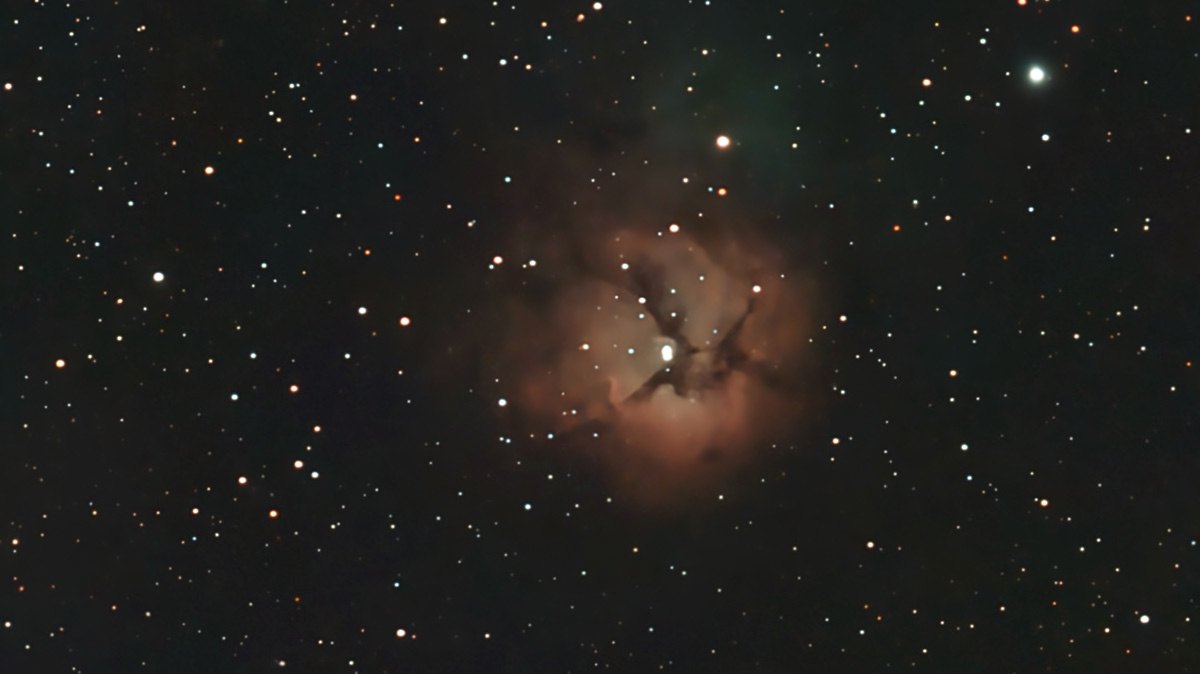
The Trifid Nebula, located in Sagittarius, is best viewed during summer months from June to August. Discovered by Charles Messier in 1764, it serves as a stellar nursery, approximately 5,200 light-years away. Modern telescopes have uncovered hidden stars and complex structures, making it a remarkable subject for backyard astronomers.
Tag Archives: Summer
IC 4756: Graff’s Cluster in Serpens

Explore IC 4756, a bright open cluster in Serpens visible in summer skies. A beautiful binocular target amid rich star fields and nearby clusters.
Messier 21 (NGC 6531): A Compact Open Cluster in Sagittarius
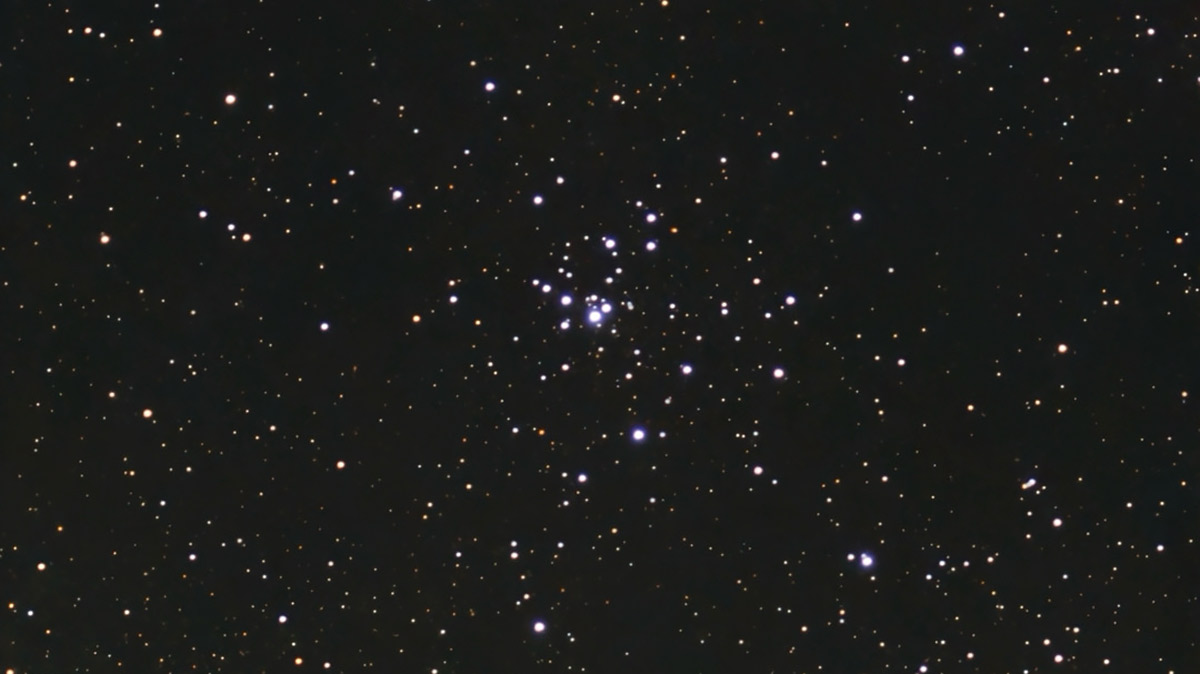
Messier 21, discovered by Charles Messier in 1764, is a compact open star cluster in Sagittarius. At approximately 3,900 light-years away, it contains 57 stars and offers a unique beauty, especially when viewed with binoculars or a telescope. It resides near the Trifid Nebula, making it a notable observation destination.
Messier 7 (NGC 6475): Ptolemy’s Ancient Cluster Still Shines Bright

Messier 7, or Ptolemy’s Cluster, is a prominent star cluster located in the Scorpius constellation, first recorded by Claudius Ptolemy in 130 AD. This open cluster, visible to the naked eye, contains 80 stars and spans 25 light years. It symbolizes the lasting human fascination with astronomy and the cosmos.
Learn more about the cluster, including a personal observation from Wayne McGraw and photo using a Seestar S50 under suburban skies in Florida.
Messier 25 (IC 4725): A Scattered Jewel in Sagittarius
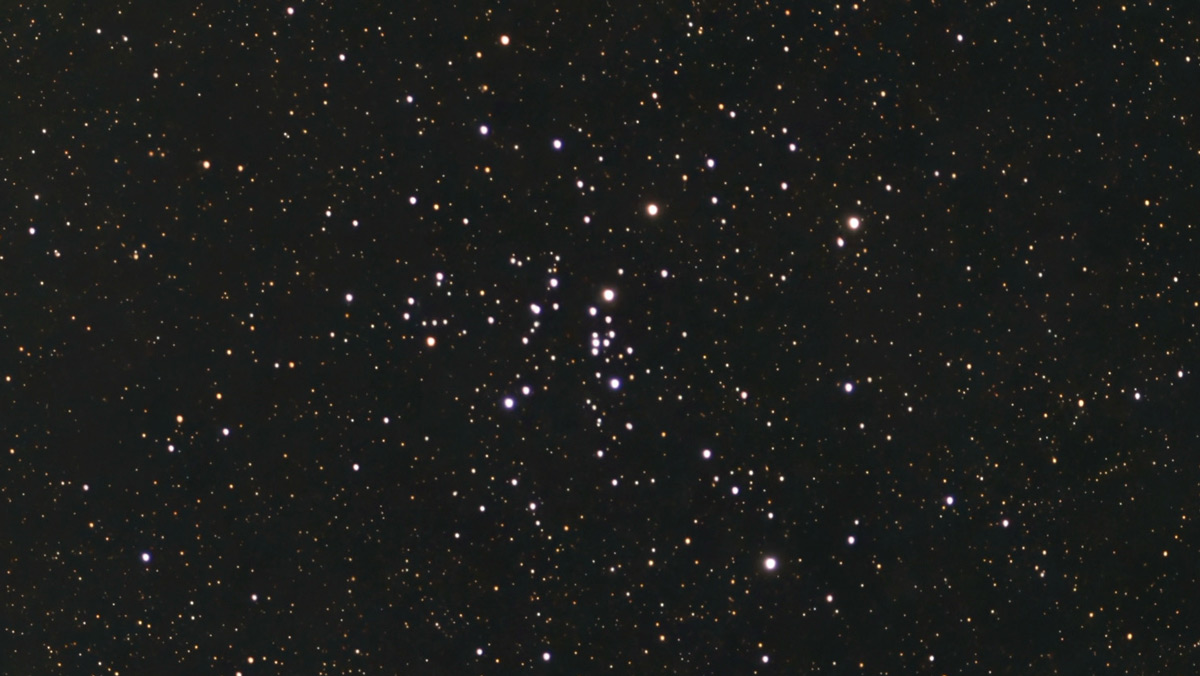
In the 18th century, Charles Messier cataloged celestial objects while searching for comets, including the beautiful open cluster Messier 25 (M25) in Sagittarius. Approximately 2,000 light-years away, it contains around 600 stars with no nebulosity. M25 is best viewed through binoculars or low-power telescopes during summer nights, offering a delightful starry tapestry. Also known as M25, IC 4725, Melotte 202
Xi Serpentis (Nehushtan): A Triple Star in Serpens
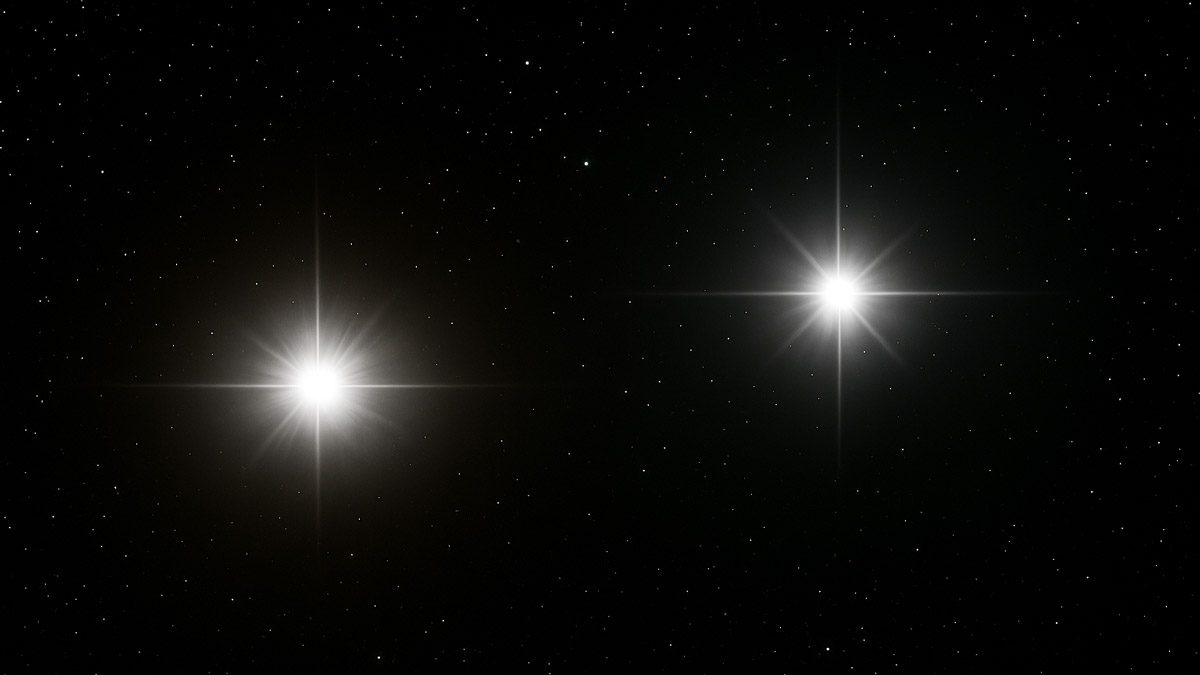
Nehushtan, or Xi Serpentis, is a triple star system in the Serpens constellation, 105 light-years away. It will approach within 27 light-years in about 700,000 years. Named after a biblical idol, it showcases the intertwining of astronomy and faith. Observations highlight its brightness and challenging visibility of companions. Also known as 55 Ser, Xi Ser, SAO 160700, HD 159876, HIP 86263, HR 6561, GC 23881
Beta Serpentis: Binary Star and Traveler in the Ursa Major Group
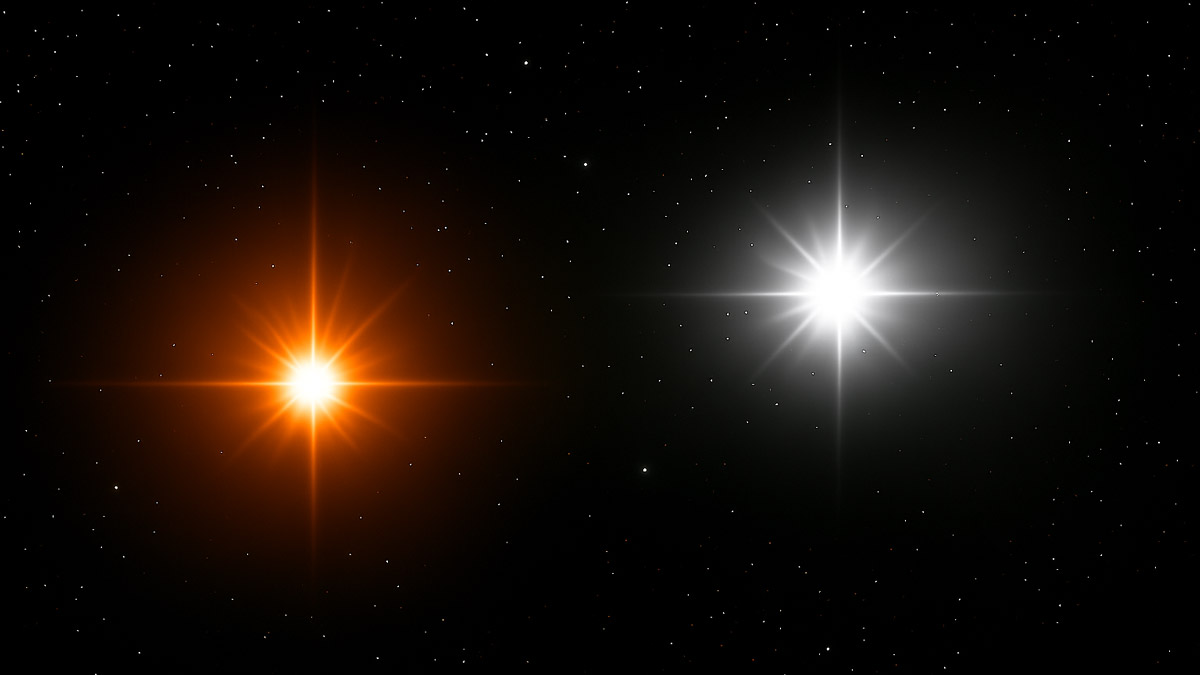
Beta Serpentis is a binary star in the summer constellation Serpens. Of note, the pair also belong to the Ursa Major Moving Group.
95 Herculis: A Summertime Binary Star of Ruby and Emerald
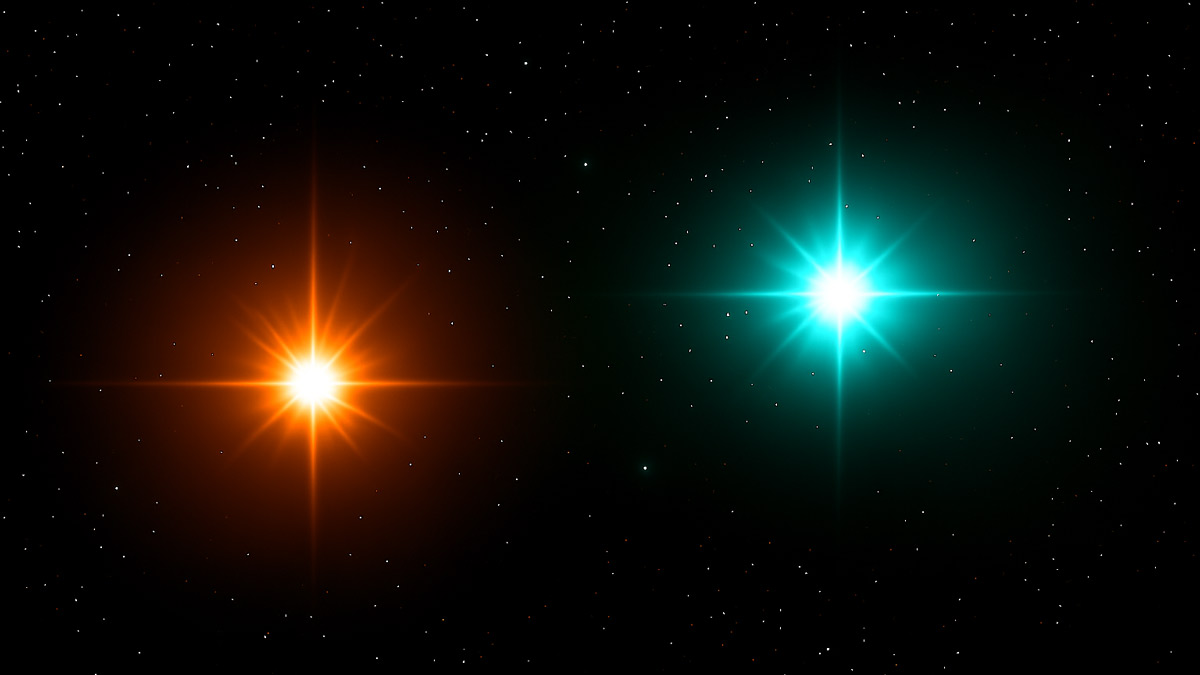
95 Herculis is a colorful binary star, looking like ruby and emerald gems placed together on black velvet. The binary lies in the constellation Hercules and is enjoyed on summer nights. Also known as 95 Her, SAO 85648, STF 2264, HD 164669.
 The Garden Astronomer