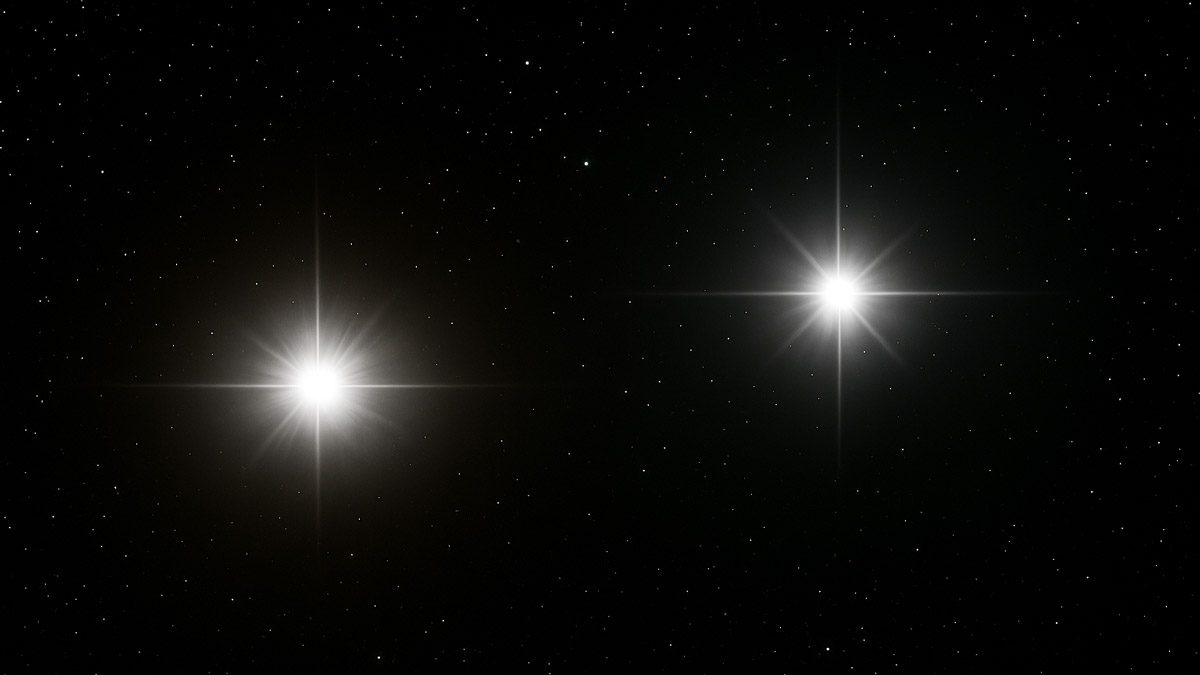
The constellation Ophiuchus features the binary star 61 Ophiuchi, a bright pair visible through small telescopes. Discovered by Herschel in 1781, it is cataloged as STF 2202. The stars, classified as hot and white, exhibit an angular separation of 20.7 arcseconds, making them accessible and visually appealing to amateur astronomers. Also known as 61 Oph, Struve 2202, STF 2202, SAO 122690, HD 161270, HR 6609, HIP 86831
Tag Archives: Summer
Messier 22 (NGC 6656): A Cosmic Heavyweight Just Off the Teapot

Messier 22 (M22) is a bright and nearby globular cluster in Sagittarius, notable for its unique features such as a planetary nebula and two black holes. Discovered by Abraham Ihle in 1665 and later cataloged by Charles Messier in 1764, M22 provides insights into the early Milky Way and is ideal for observation. Also known as NGC 6656.
Messier 17 (NGC 6618): The Enchanting Swan Nebula
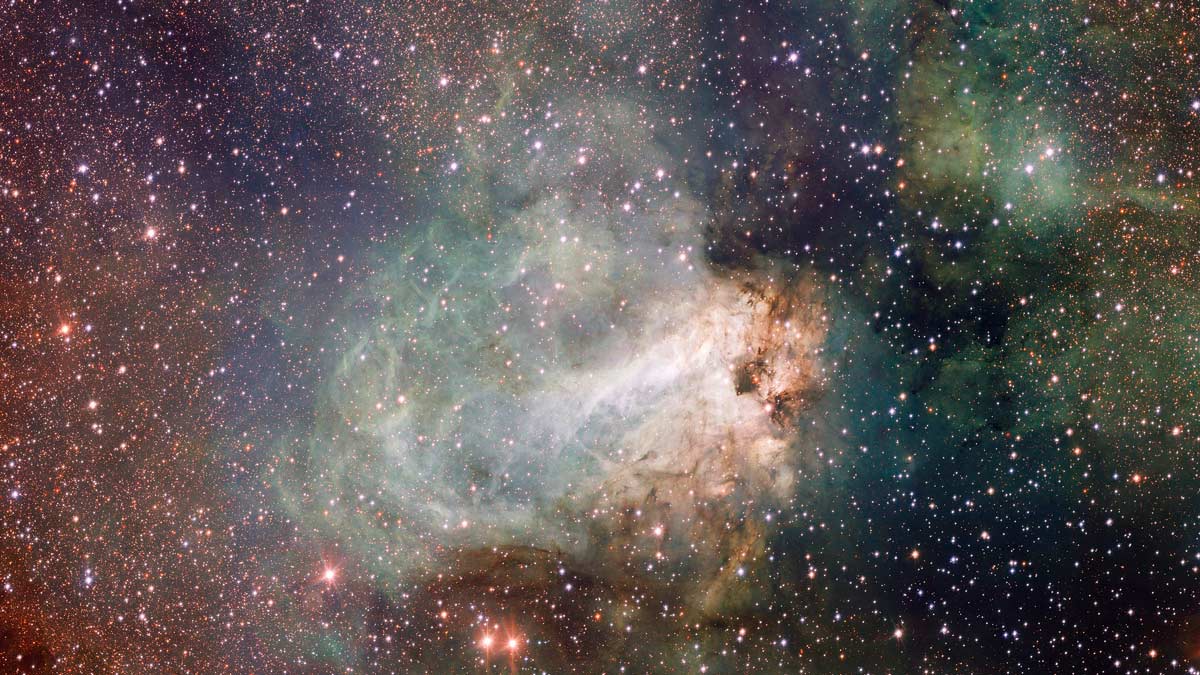
In the vast expanse of our Milky Way galaxy, amidst a sea of stars, lies an ethereal celestial beauty known as Messier 17 (M17), or more commonly, the Swan Nebula. Named after its graceful swan-like appearance, this stellar nursery lies in the summer southern constellation of Sagittarius.
Struve 2007: Exploring the Colorful Double in Serpens
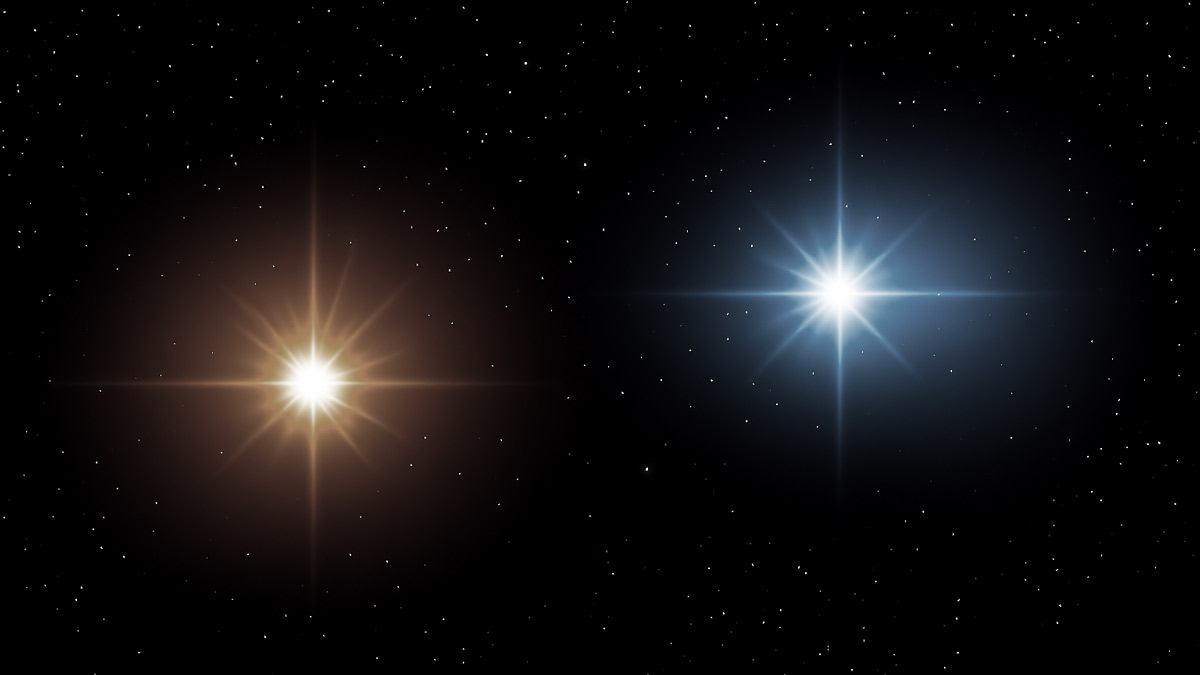
Struve 2007 (STF 2007) is a double star in Serpens Caput, first documented in 1823. The closer AB pair features a yellowish-white primary and a blue secondary, while an AC component forms a wider triple. It’s visually appealing and accessible for telescopic observation, particularly noted for its striking colors and separation. Also known as SAO 101922, HD 144563, HIP 78873, STF 2007.
Struve 1931: Exploring the White Binary Star in Serpens
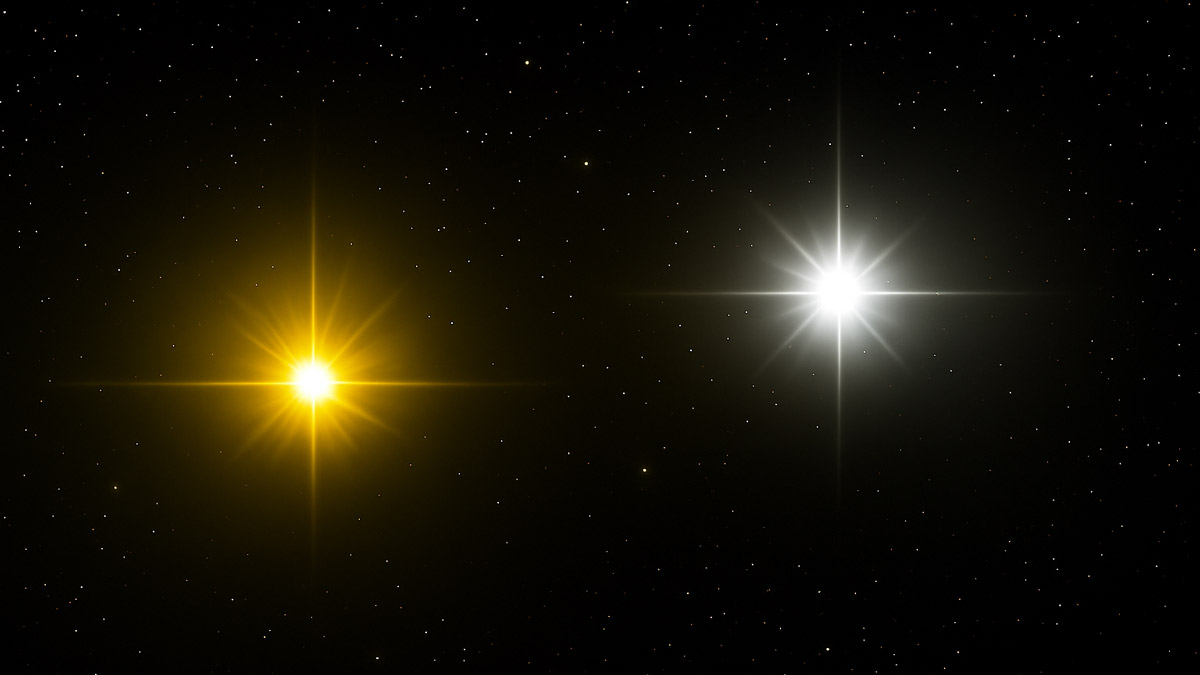
Struve 1931, situated in the Serpens constellation, is a binary star system ideal for mid-northern observations during spring and summer. With magnitudes of 7.2 and 8.0, it’s visible through small telescopes. The primary is an F7V star, while the secondary is a G3V star, displaying a striking color contrast.
Graffias (Beta Scorpii): A White and Baby Blue Pair in Scorpius
Learn about the pretty double star Graffias (Beta Scorpii) in the constellation Scorpius viewed on summer nights and popular with astronomers. The star also known as Acrab is viewed with the naked eye and a moderate telescope resolves a double star of blue and white. The star is also designated by the following names: 8 Sco, Elacrab, HD 144217, HIP 78820, HR 5984, Bet1 Sco, Grafias, SAO 159682
NGC 2451: A Stinging Scorpion Down South in Puppis
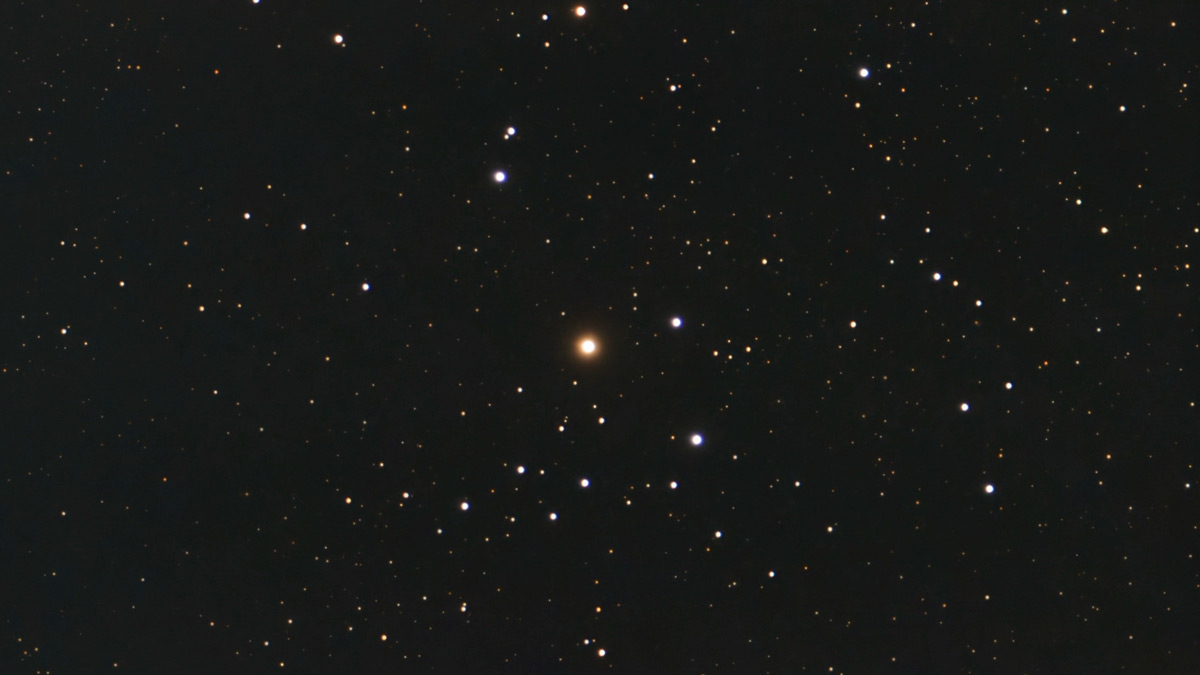
NGC 2451, a star cluster in the Puppis constellation, shines brightly during late autumn and winter. With around 40 stars, including the prominent C Puppis, it’s visible with binoculars. The cluster is an optical illusion of two separate groups. First noted by Hodierna in the 17th century, NGC 2451 offers a captivating viewing experience.
The Helix Nebula: The “Eye of God” Looks Back at You
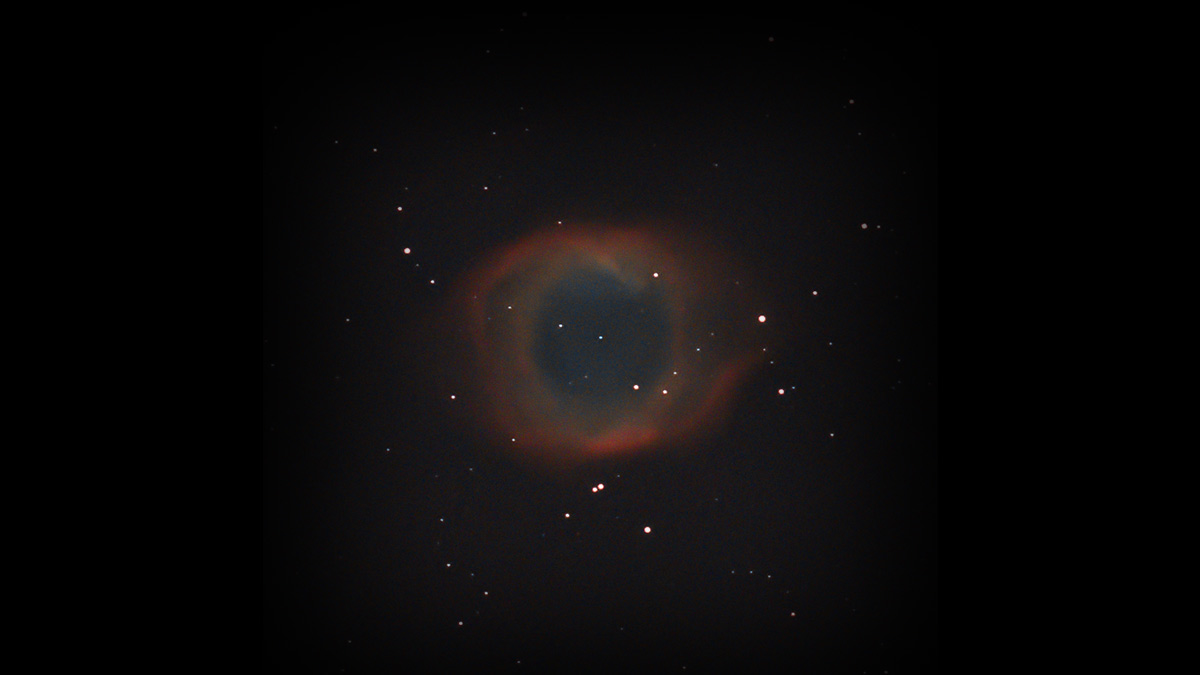
In late summer and autumn, the constellation Aquarius, known as the Water Bearer, is prominent in the southern skies of the Northern Hemisphere. Among its features is the Helix Nebula, one of the closest planetary nebulae to Earth. It’s also known as NGC 7293, Caldwell 63, Arp 336.
 The Garden Astronomer