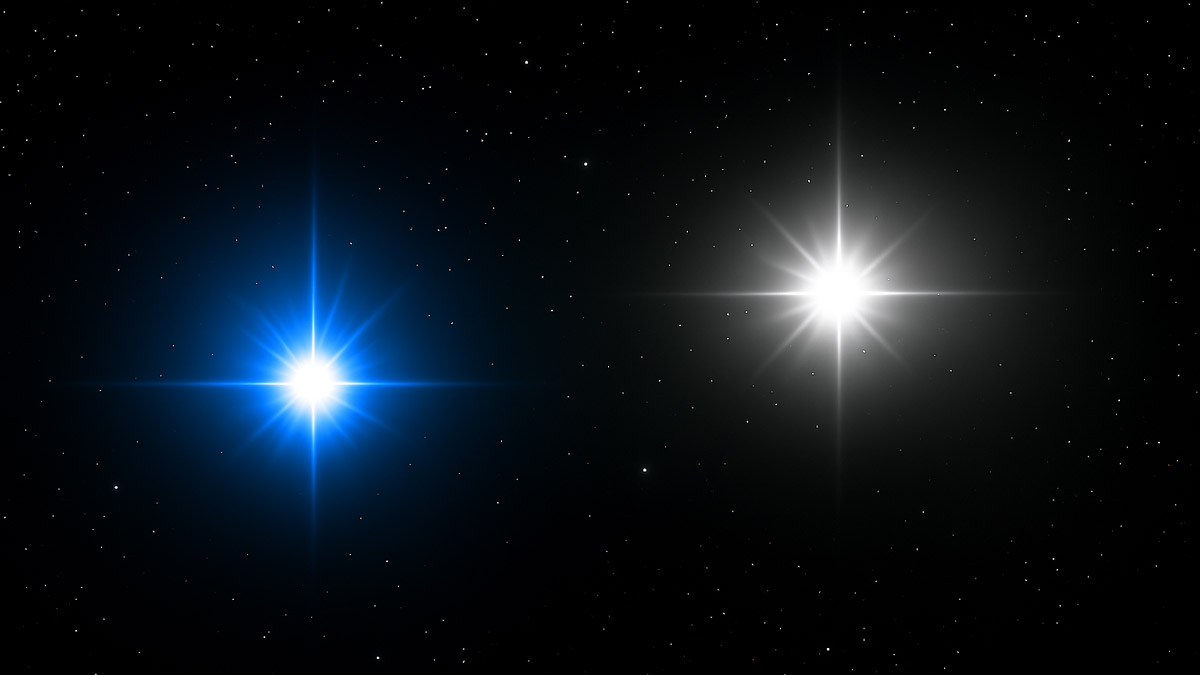
The constellation Cygnus, the swan, has its fair share of double stars, including the magnificent Albireo. The multiple star 59 Cygni joins this family of stars and is viewable during summer and autumn. The primary is a vibrant blue-white color. The binary is also known as 59 Cyg, STF 2743, V832 Cyg, HR 8047, SAO 50335, HD 200120.
Tag Archives: Summer
Struve 2446: A Quaint Yellow and White Binary in Aquila
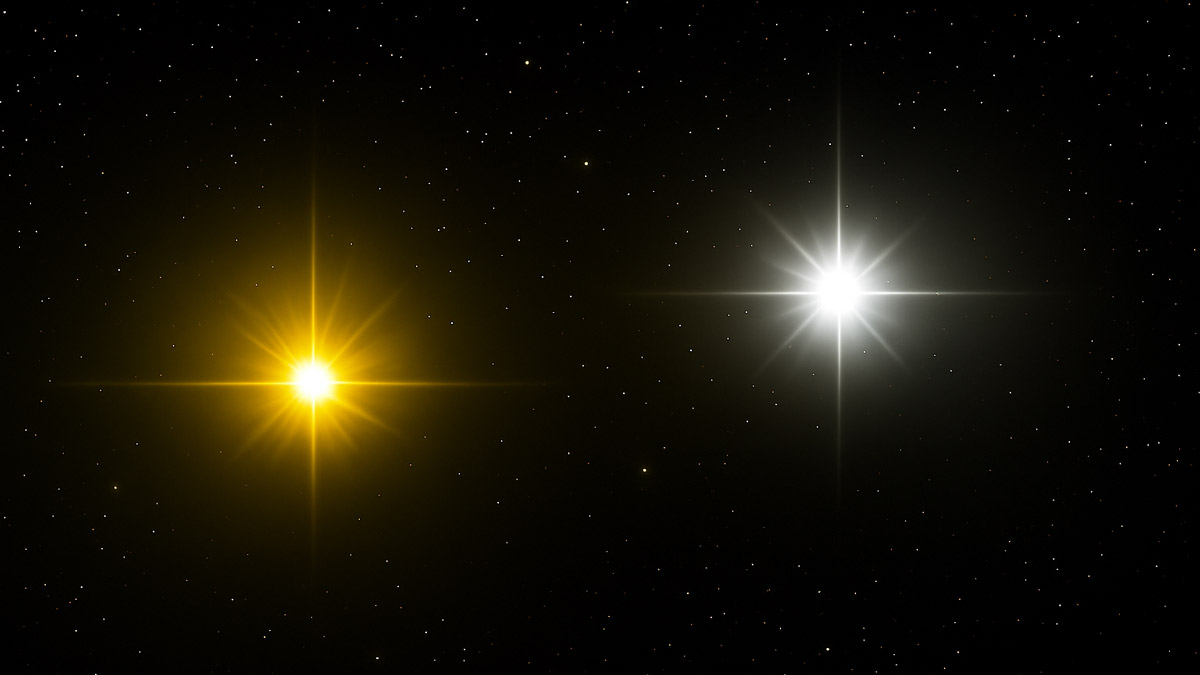
Backyard astronomers can spot the binary star Struve 2446 in the constellation Aquila during late summer and early autumn nights. Cataloged by Friedrich von Struve in 1825, the pair is visible under dark conditions. Struve 2446 A appears pale yellow while Struve 2446 B is fainter, offering a rewarding telescope experience. Also known as STF 2446, Σ2446, HD 177749, SAO 124257
Struve 2443: A Fine White Binary in Aquila
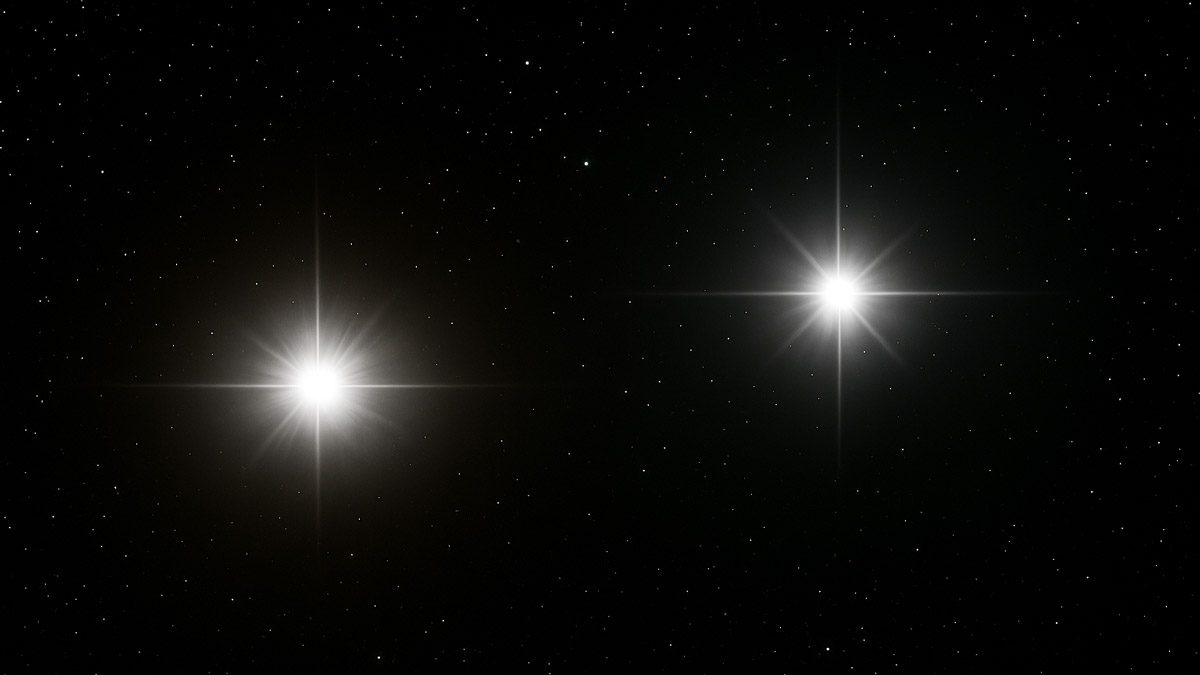
Backyard astronomers can spot the binary star Struve 2446 in the constellation Aquila during late summer and early autumn nights. Cataloged by Friedrich von Struve in 1825, the pair is visible under dark conditions. Struve 2446 A appears pale yellow while Struve 2446 B is fainter, offering a rewarding telescope experience. The pair are also cataloged as SAO 104432, HIP 93635, HD 177434, STF 2443, Struve 2443.
56 Herculis (Struve 2110): A Contrasting Pair of Orange and Teal
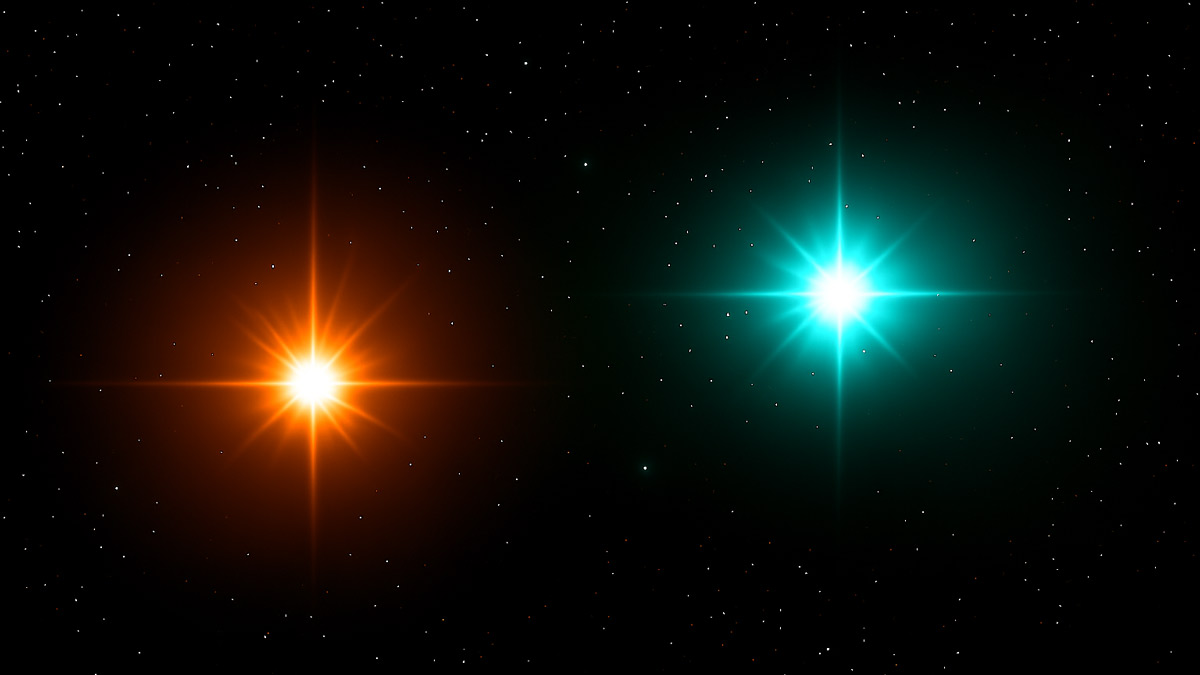
Color-contrasting double stars are stunning celestial jewels, and 56 Herculis is one of them featuring the beautiful orange and teal contrasting colors. The binary belongs to the spring and summer constellation of Hercules. Learn more and see how the pair appears in the suburban telescope. Also known as STF 2110, SAO 84692, HD 152863, HR 6292, 56 Her, and HIP 82780.
NGC 6819: The Foxhead Cluster
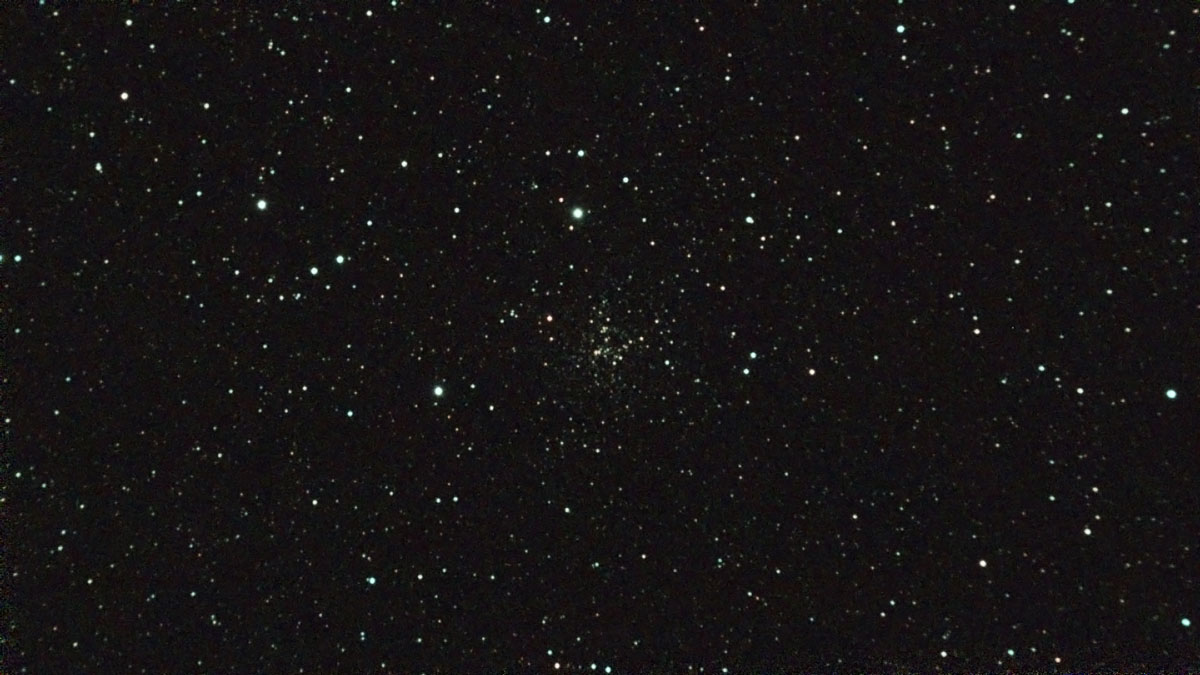
The constellation Cygnus is rich with countless celestial objects. Among these is the open star cluster NGC 6819, a great assembly of stars also known as the Foxhead Cluster. Backyard astronomers can enjoy visiting the fox head on summer and autumn nights, much like the pioneering astronomer Caroline Herschel, who first observed it on May 12, 1784.
52 Cygni: A Tight Double Star
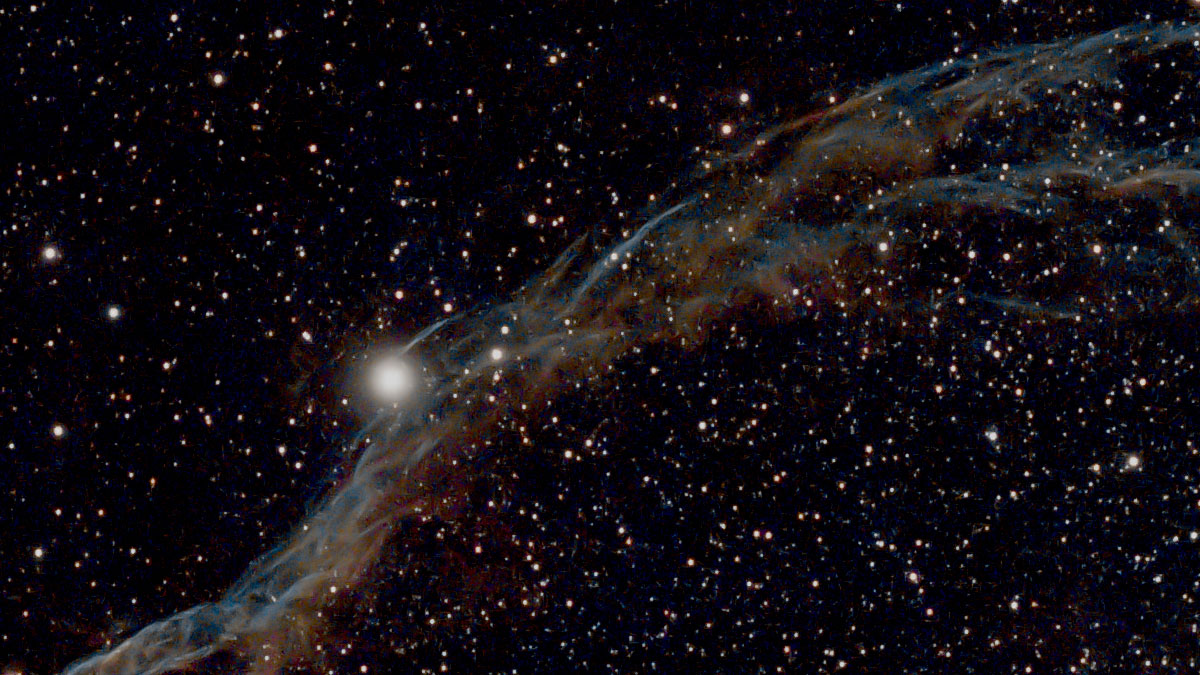
While no one can deny the beauty of the Western Veil Nebula, 52 Cygni (Struve 2726) also provides a visual treat to backyard observers who like double stars. 52 Cygni also known as STF 2726, SAO 70467, HD 197912, HR 7942, 52 Cyg, HIP 102453.
Messier 108 (NGC 3556): Catching a Wave on Ursa Major’s Surfboard Galaxy

Messier 108, also known as NGC 3556, is a galaxy located in the constellation Ursa Major. Also known as the Surfboard Galaxy, it appears as a thin dim streak in the eyepiece of small and moderate telescopes under suburban skies.
Struve 2470 and 2474: Lyra’s Other Entrancing Double Double

During summertime and autumn, Struve 2470 and 2474 make for an entrancing sight in the night sky. These two double-star systems are located close to each other and appear parallel due to their orientation. These four stars can appear in the eyepiece together, making for a beautiful harmony in the cosmos. Also known as SAO 67870 and SAO 67875.
 The Garden Astronomer