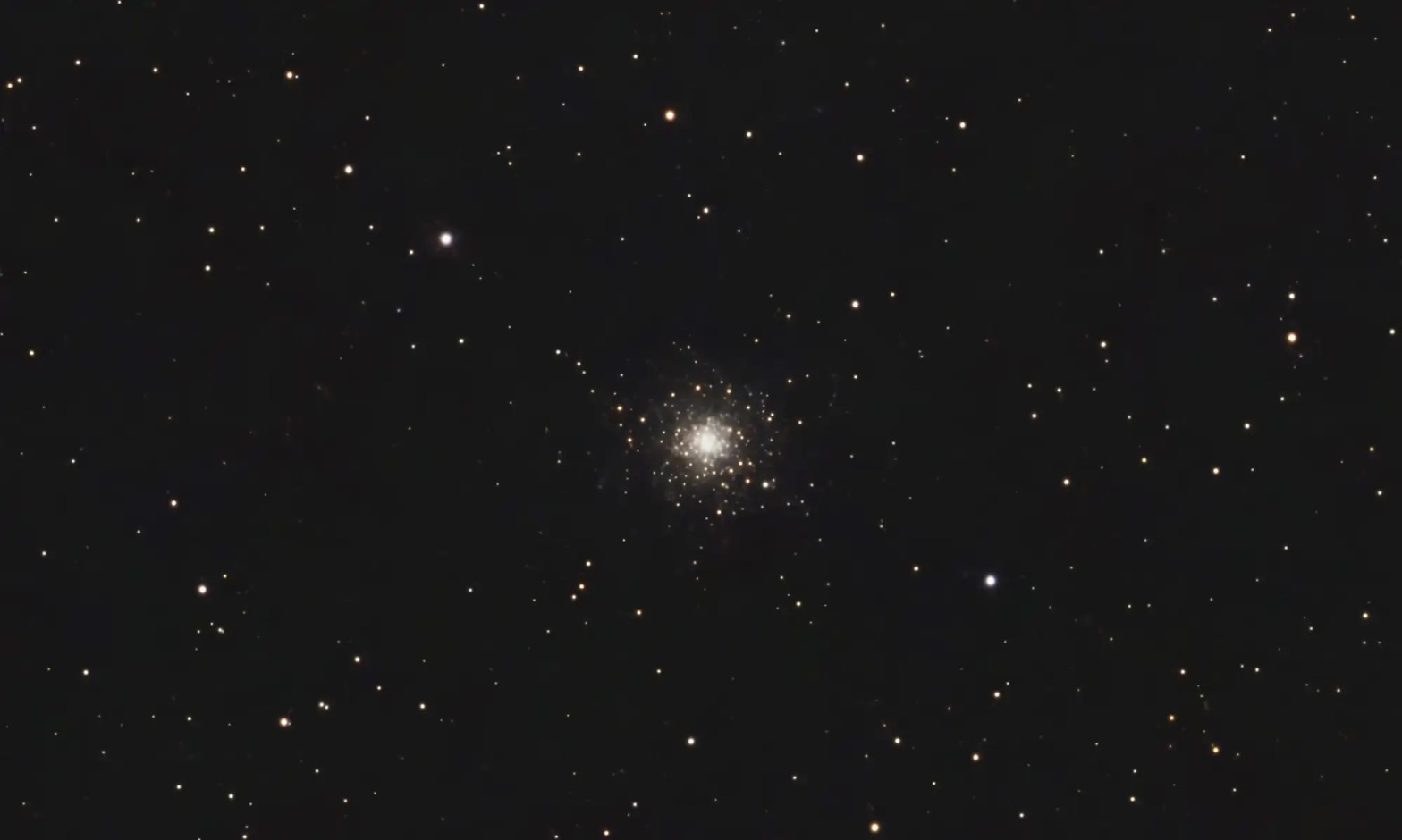
Messier 79 is a winter globular cluster in Lepus that may have originated outside the Milky Way entirely — a true rogue hiding below Orion’s feet.
Tag Archives: Winter
Pi Puppis Cluster (Collinder 135): A Bright, Loose Cluster in Puppis
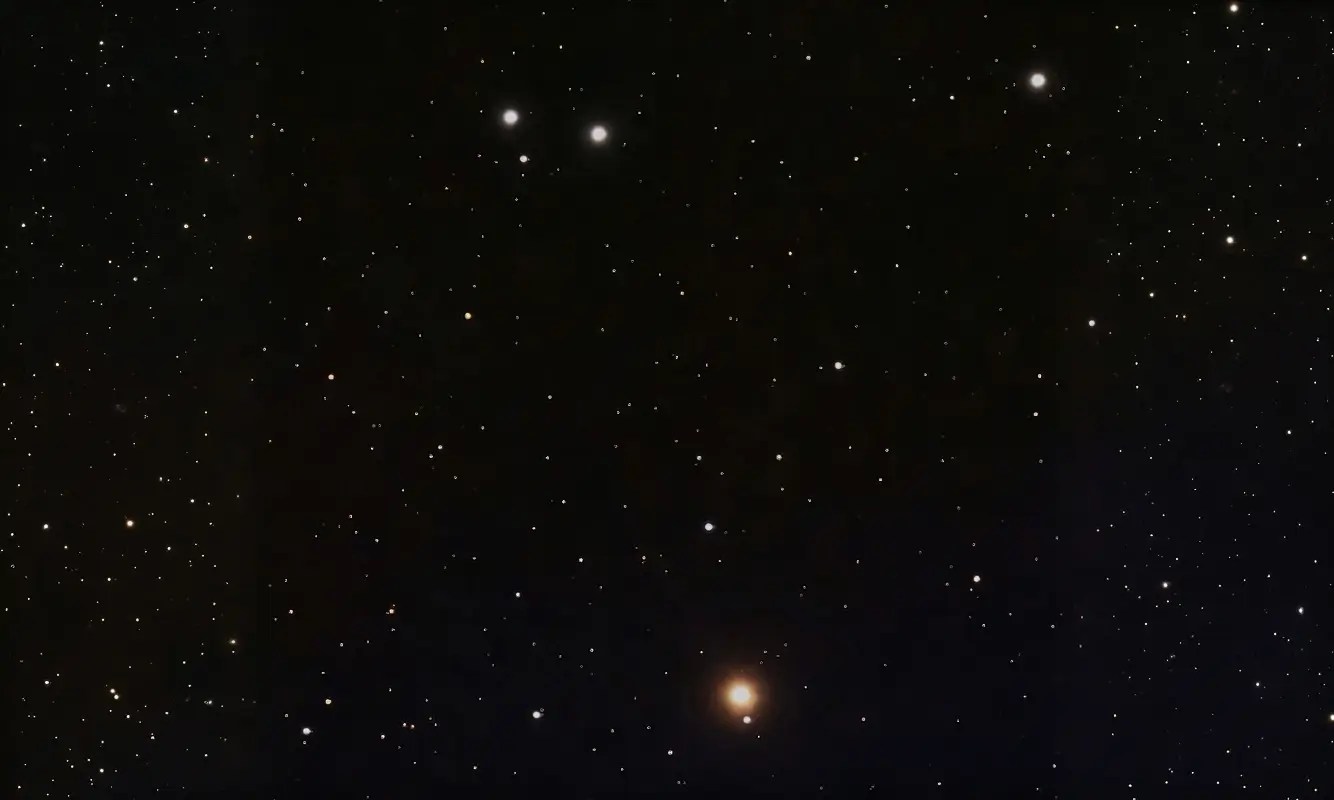
Explore the Pi Puppis Cluster (Collinder 135), a bright, loose star group in Puppis, with tips for finding it and a personal binocular observing story.
Monkey Head Nebula (NGC 2174): Orion’s Hidden Face
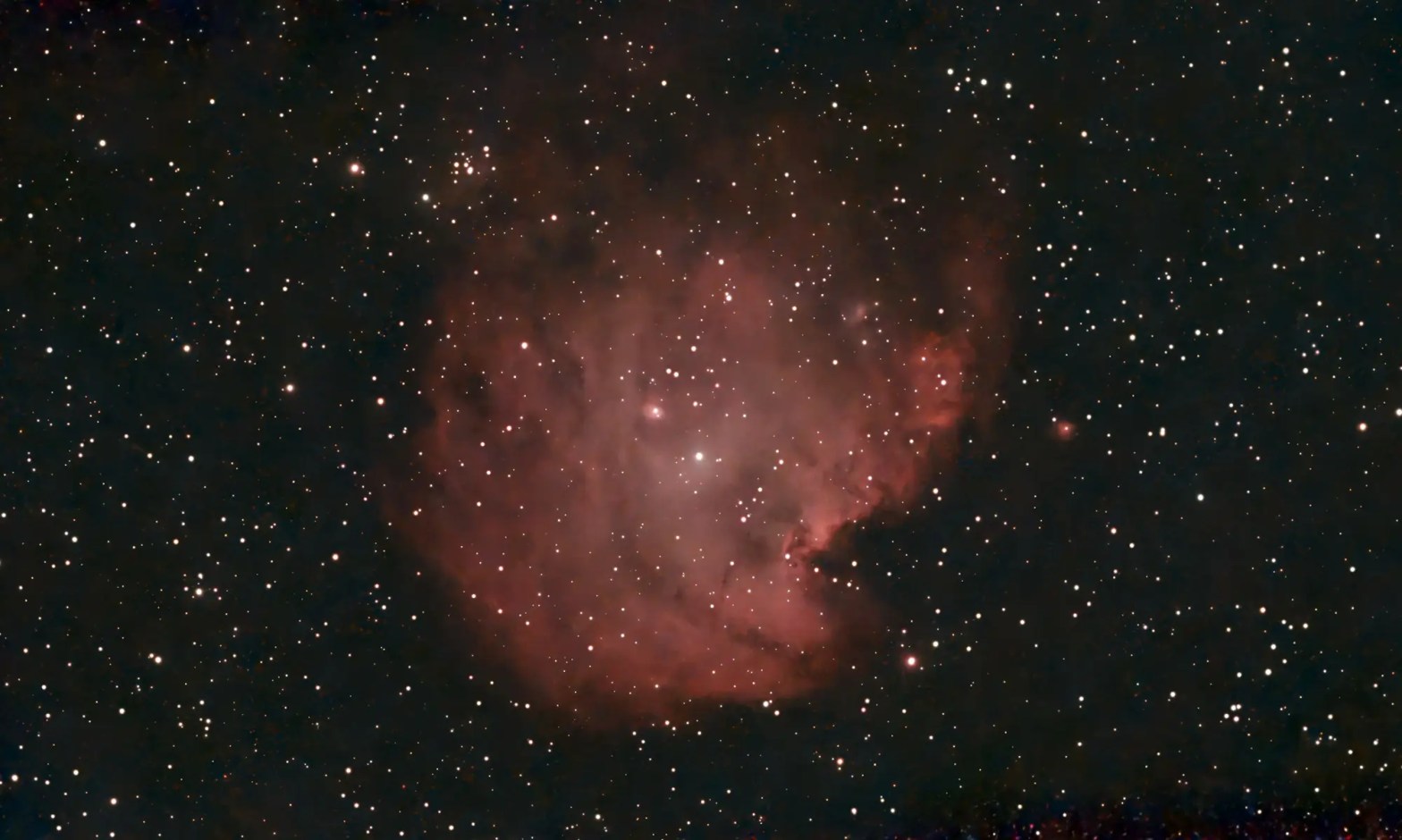
Explore the Monkey Head Nebula (NGC 2174) in Orion—its glowing red gas, newborn stars, discovery history, and tips for observing this hidden winter deep-sky object.
The Great Comet of 1744: Six Tails at Dawn
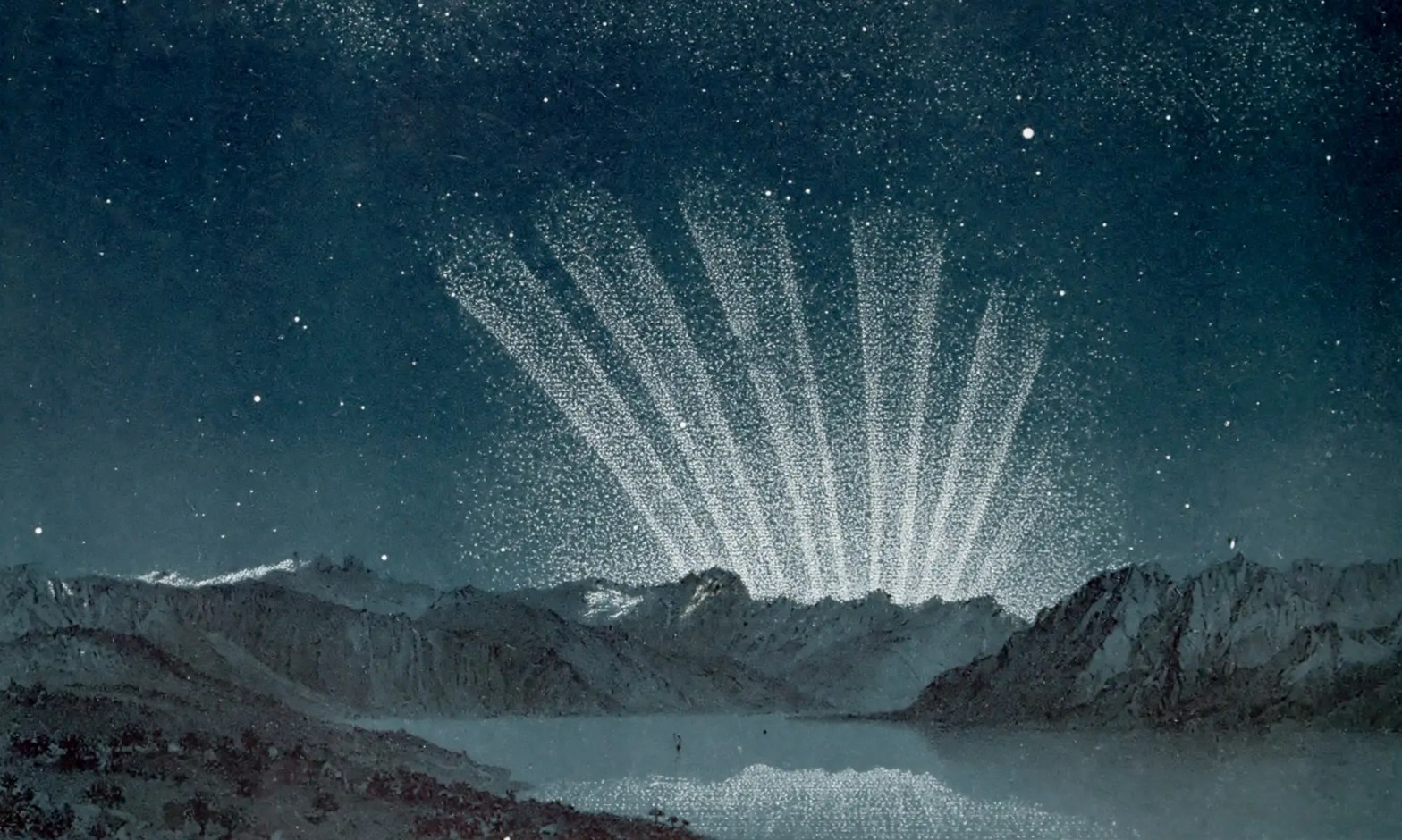
Uncover the mystery of the Great Comet of 1744. From its six-tailed fan to inspiring a young Charles Messier, relive the dawn that changed astronomy.
Upsilon Puppis: A Wide Optical Double Star in Puppis

Learn how to find Upsilon Puppis, a great optical double star. Perfect for binoculars, this pair in the constellation Puppis is a winter sky must-see.
NGC 2362: The Radiant Tau Canis Majoris Cluster
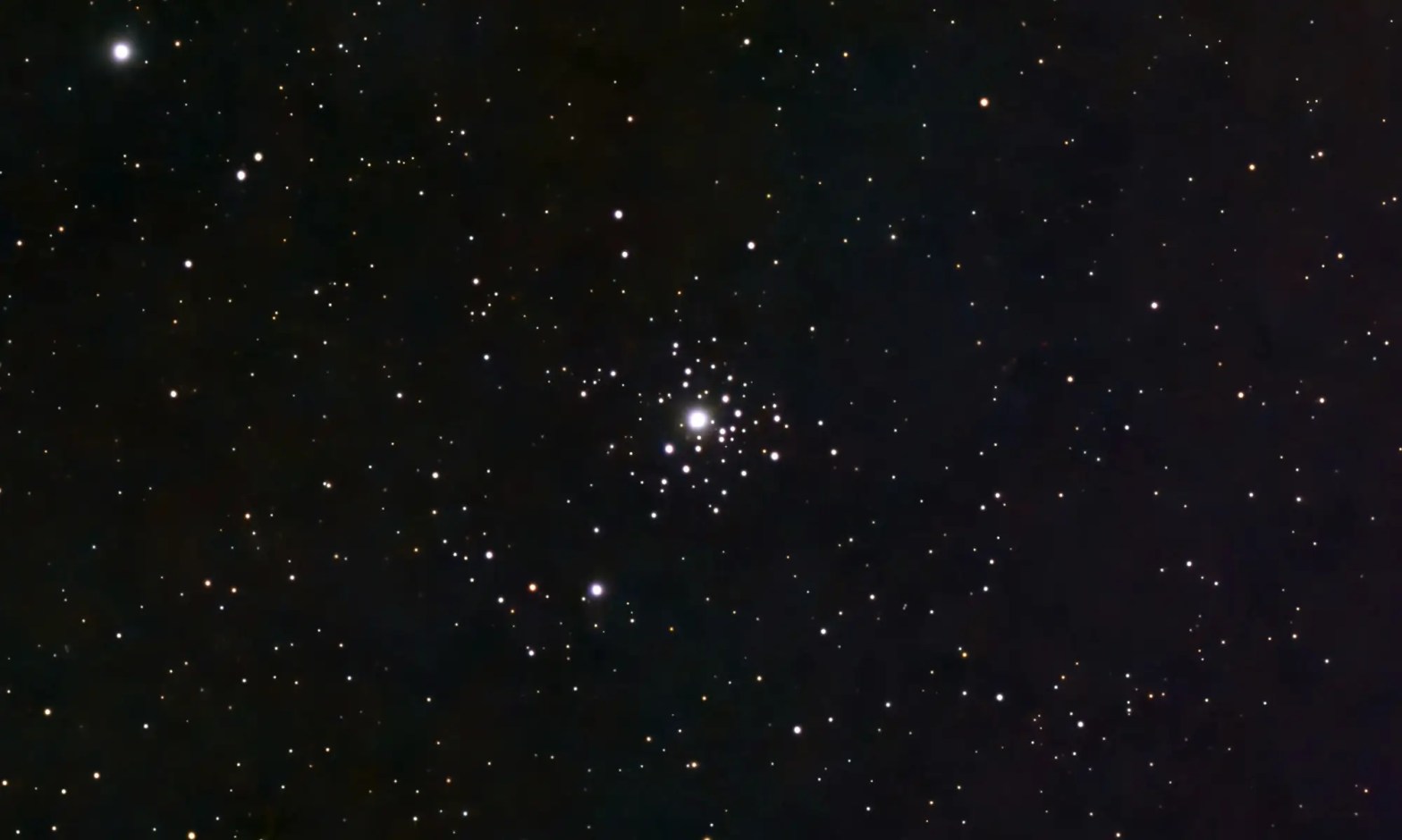
Explore NGC 2362 and Tau Canis Majoris, the “Mexican Jumping Star”—a young, dazzling open cluster gem of winter skies for backyard astronomers.
Silent Fireballs, Thunderous Awe: The 1913 Meteor Procession
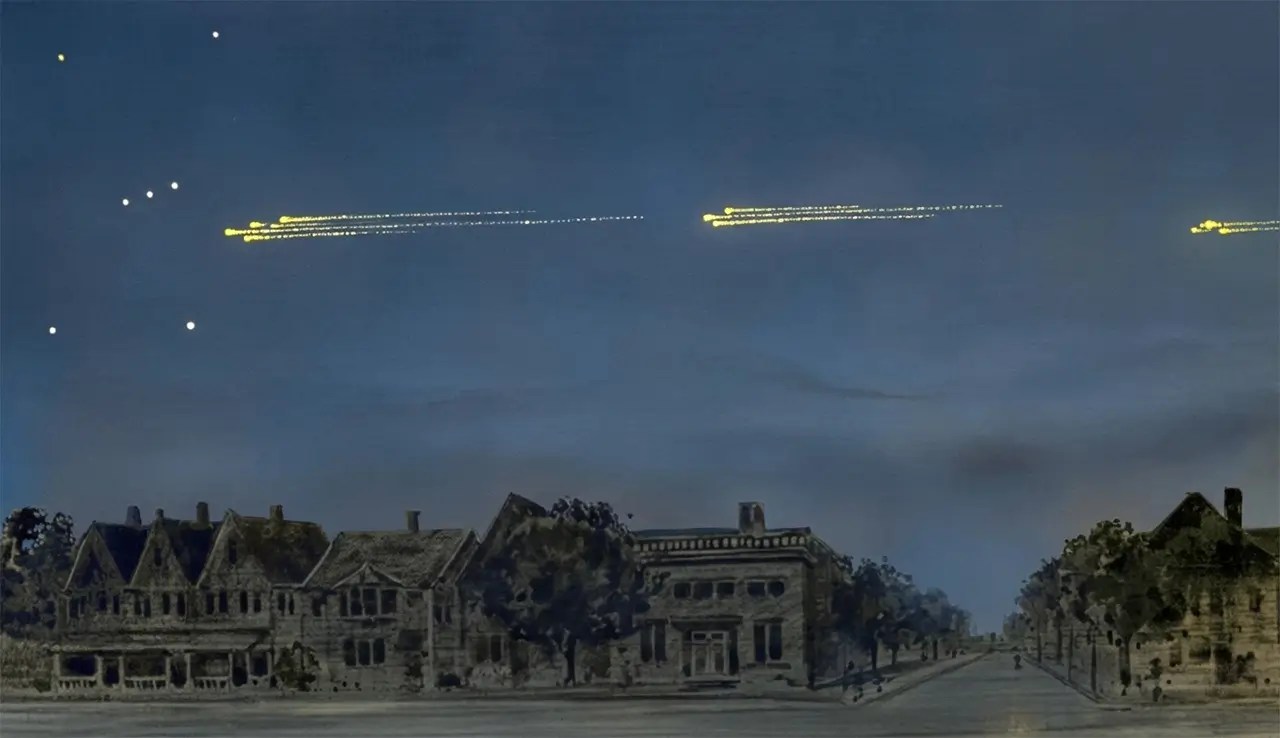
Eyewitness accounts of the rare 1913 Great Meteor Procession, a slow-moving fireball display across Canada, Bermuda, and the South Atlantic.
Messier 93: The Wedge-Shaped Open Cluster in Puppis
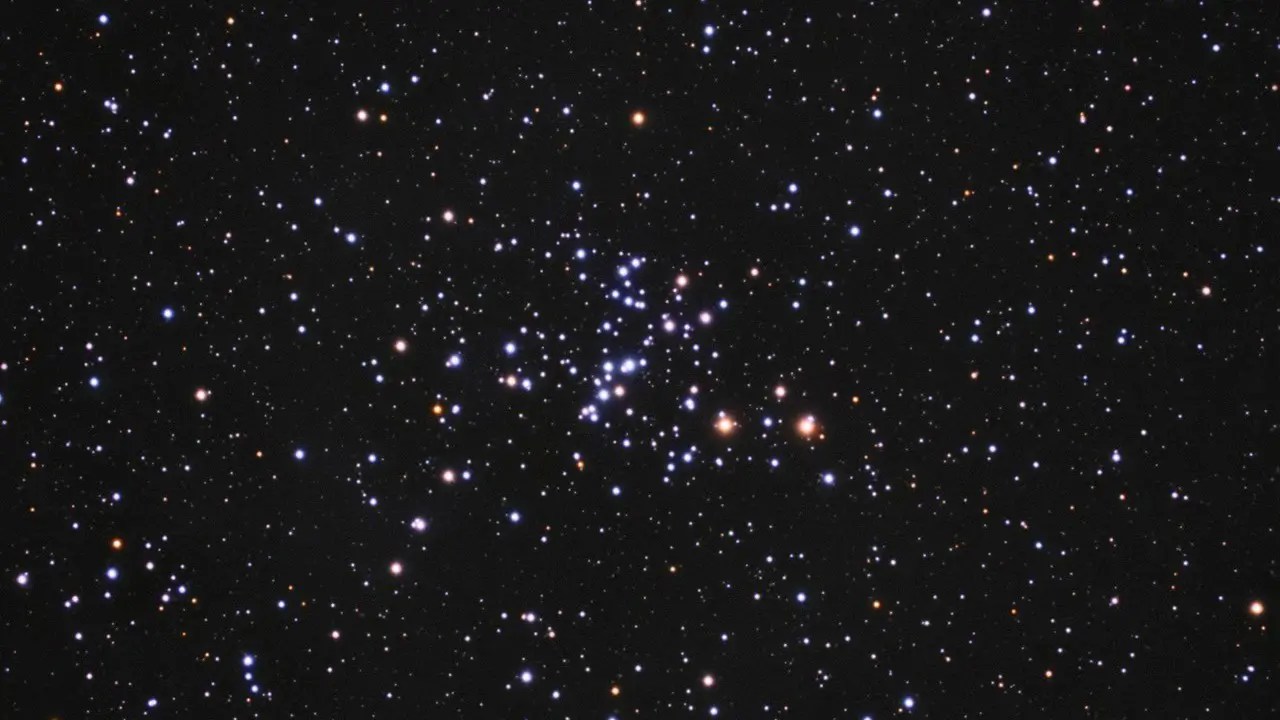
Learn about Messier 93, a wedge-shaped open star cluster in Puppis—its history and how to observe it with binoculars or a telescope.
 The Garden Astronomer