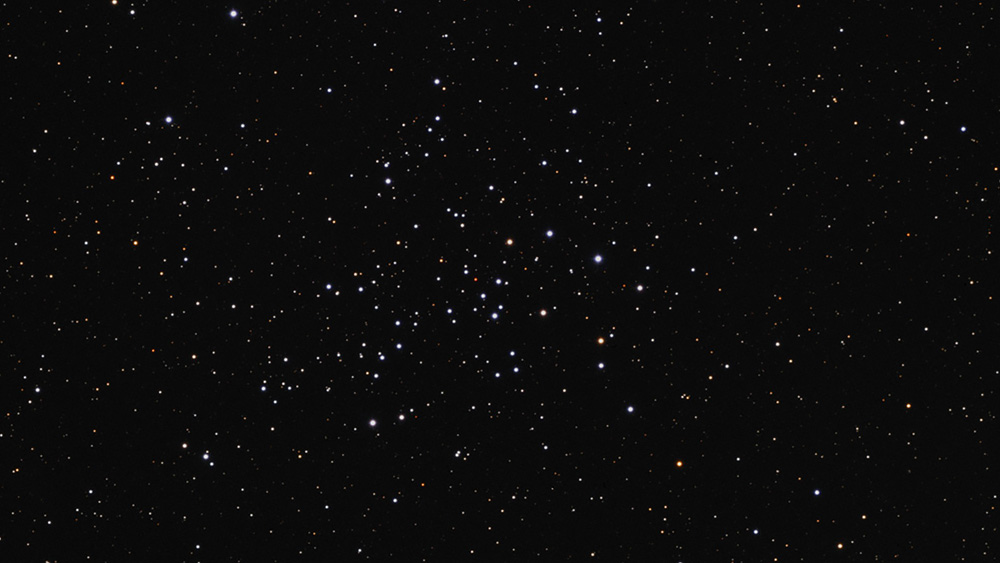
NGC 1529 is an open star cluster in the constellation Perseus. It’s best viewed in the winter. Approximately 150 star makes up the constellation My Observations Date: March 11, 2021Time: 8:00 p.m.Location: Seattle, WashingtonScope: Meade 8″ ACFEyepiece: 20mmTemp: 53FSeeing: AverageTransparency: Average This cluster does have several bright stars; I count 15 prominent stars. On first glance, the stars look like theyContinueContinue reading “NGC 1528: A Star Cluster with a Water Fountain”
Tag Archives: Winter
NGC 1545: A Colorful Triangle Cluster in Perseus
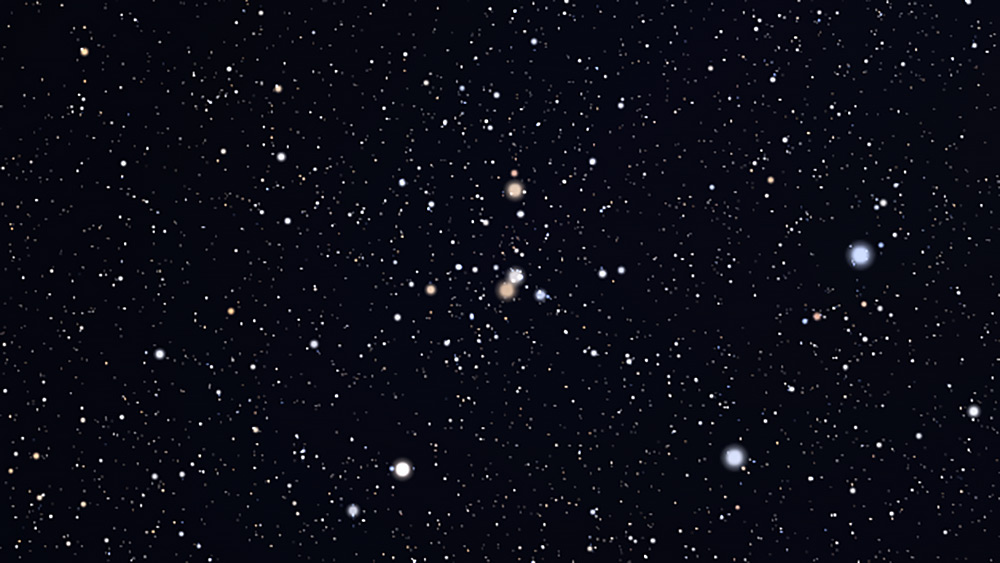
NGC 1545 is an open star cluster in the constellation Perseus. It’s best viewed in the winter at a magnitude of 6.19.
NGC 2360: Caroline’s Beautiful Cluster of Stars
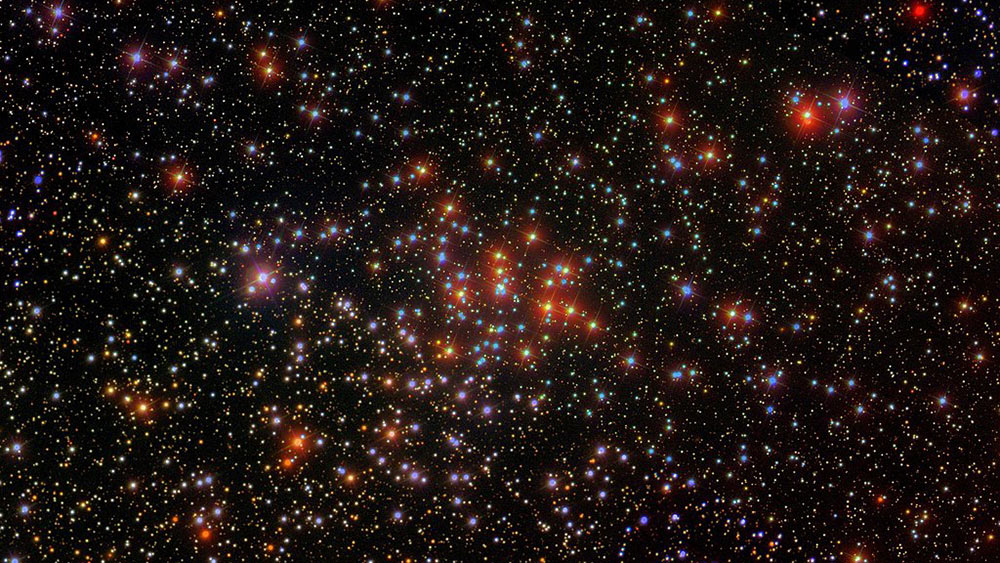
Caroline Hershel, sister of the famous astronomer William Hershel who discovered Uranus, discovered this cluster more than 200 years ago on a winter’s night. Seeing this makes me reflect on the passing of time.
Delta Geminorum (Wasat): A Star With a Unique History
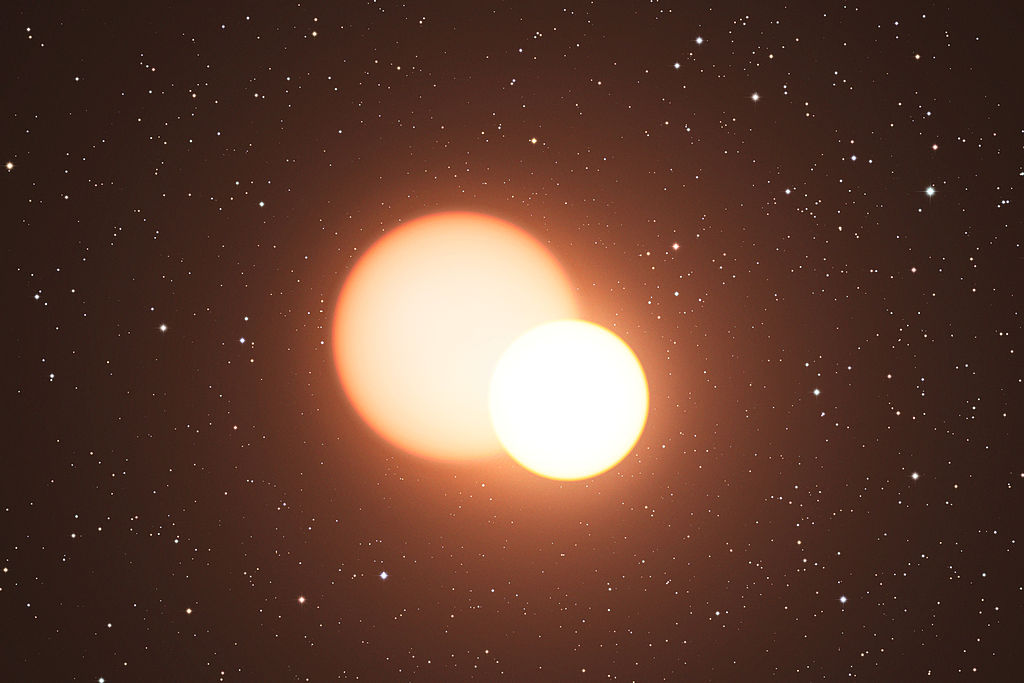
Wasat is the primary star in a triple star system in the constellation Gemini. It’s best viewed in the winter. At magnitude +3.5, Wasat is not difficult to find under suburban skies. As you look at Wasat, you’re looking at a historical area of the night sky. In February 1930, Kansas farmboy-turned-astronomer Clyde Tombaugh discoveredContinueContinue reading “Delta Geminorum (Wasat): A Star With a Unique History”
Struve 747: A Pair of Light Blue Topaz Stars

With many competing targets in the Orion neighborhood, it may be easy to overlook notable double stars such as Rigel and Struve 747 (also known by HR 1887). Struve 747 is a 4th magnitude double star in Orion and a worthy target on any winter night. When observing the pair, you’ll notice they are prettyContinueContinue reading “Struve 747: A Pair of Light Blue Topaz Stars”
Messier 42 (NGC 1976): A Cosmic Fire and Stellar Nursery in Orion
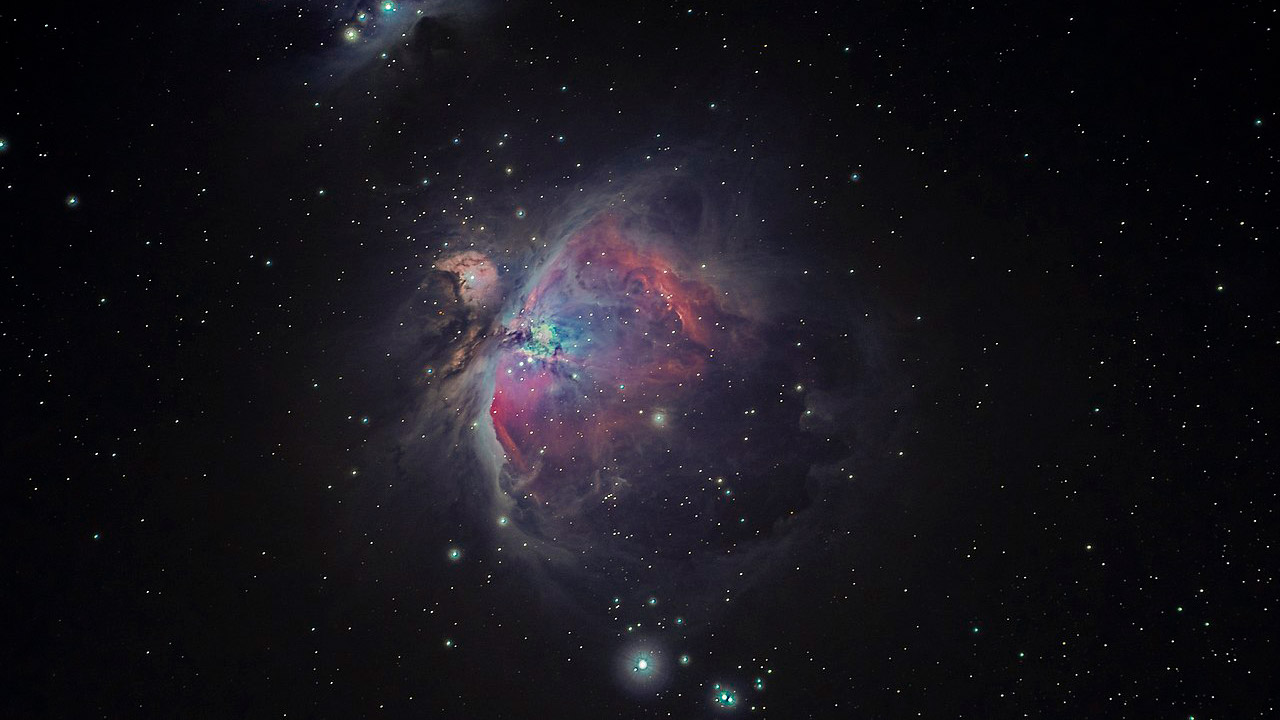
Messier 42, known as the Great Orion Nebula, is in the constellation Orion. It’s best viewed in the winter. The Great Orion Nebula never fails to impress winter stargazers. I don’t care if I’m looking at M42 with a small pair of binoculars or larger scope, I find it difficult to break my gaze atContinueContinue reading “Messier 42 (NGC 1976): A Cosmic Fire and Stellar Nursery in Orion”
NGC 2392: An Enchanting Planetary Nebula in Gemini
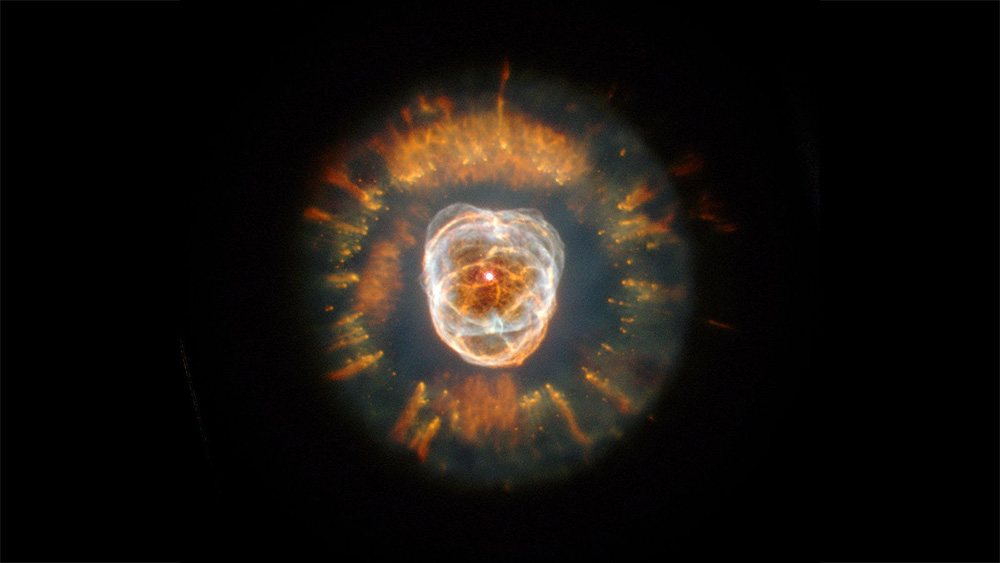
This nebula is notable for looking like a person with a hood on. In reality, a dying star ejected its outer layers of gas to create the fuzzy cloud I see in my telescope.
Rigel: Shine On, You Crazy Diamond

Rigel is one of the most popular stars in the sky as it marks the foot of thee constellation Orion. It is a blue-white supergiant star, and when you look at it closer, you’ll find a small companion star floating in Rigel’s glow.
 The Garden Astronomer