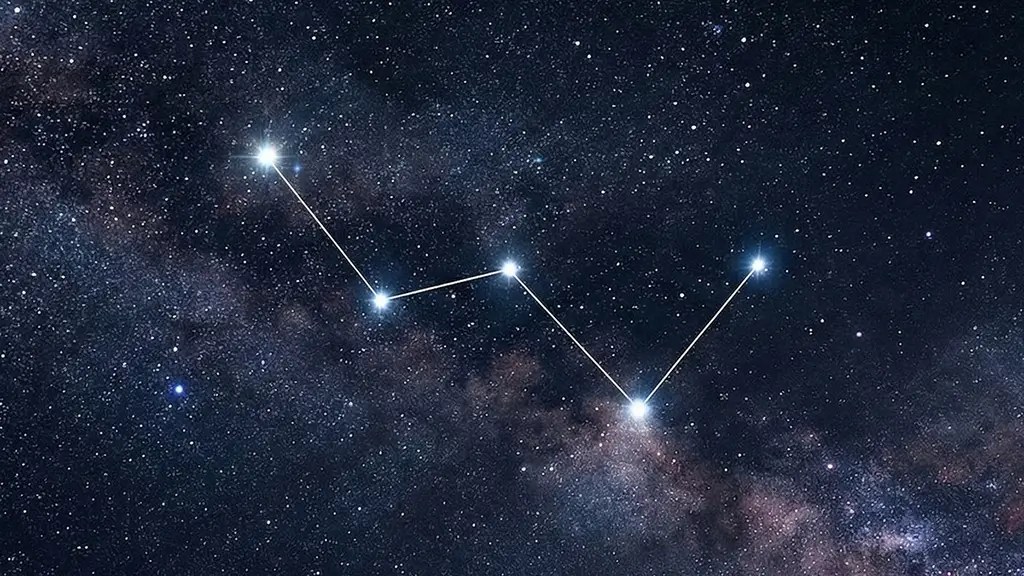
Explore Gamma Cassiopeiae (Navi) and the Ghost Nebula IC 63, its history, stellar energy, and connection to astronaut Gus Grissom.
Tag Archives: Winter
Messier 1 (NGC 1952): A Champagne Supernova in the Sky
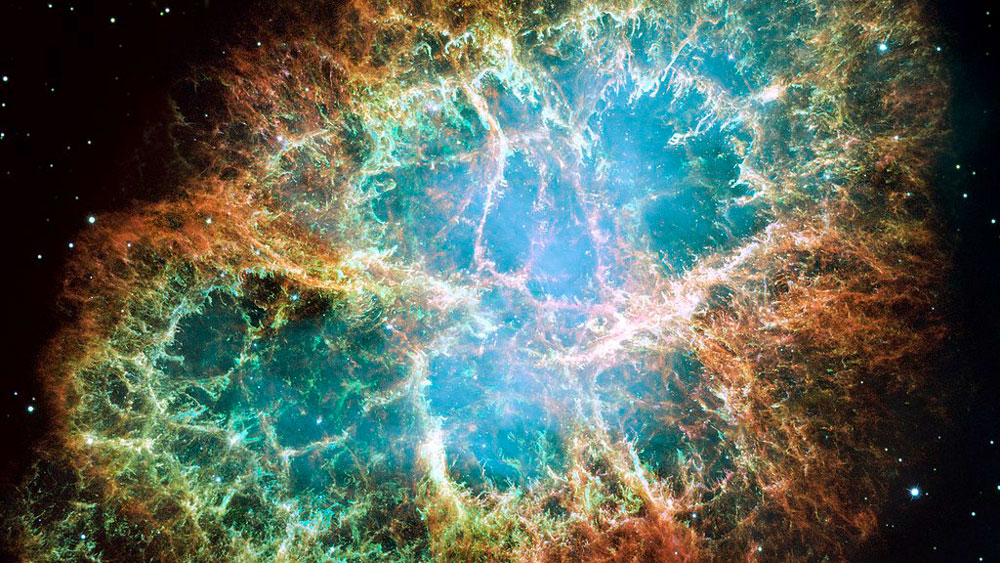
Explore Messier 1 (Crab Nebula), a supernova remnant in Taurus, with detailed sketches, photos, and tips for observing this winter deep-sky gem.
Struve 730: Double Star in Taurus
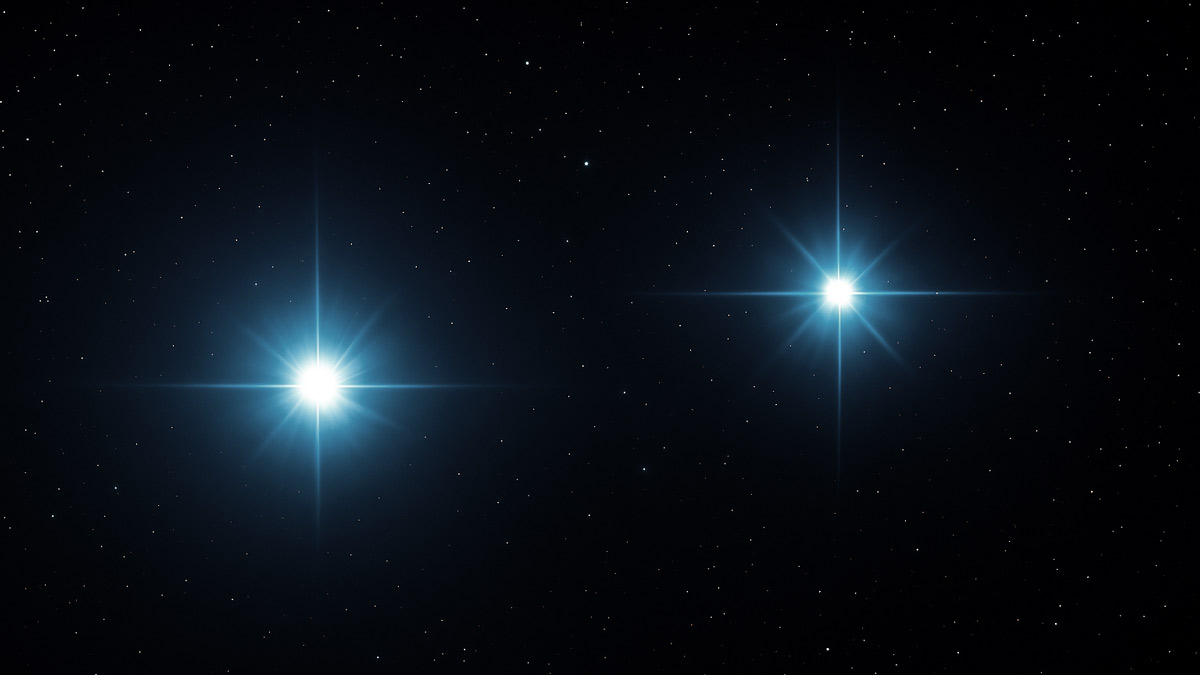
Get a close look at STF 730, a nearly equal double star perfect for winter observing. This article includes my own telescope sketch and notes on the subtle color contrast between the faintly blue primary and white secondary. Ideal for double star enthusiasts building their observing lists.
Struve 3116: A Tight Double Star in Canis Major
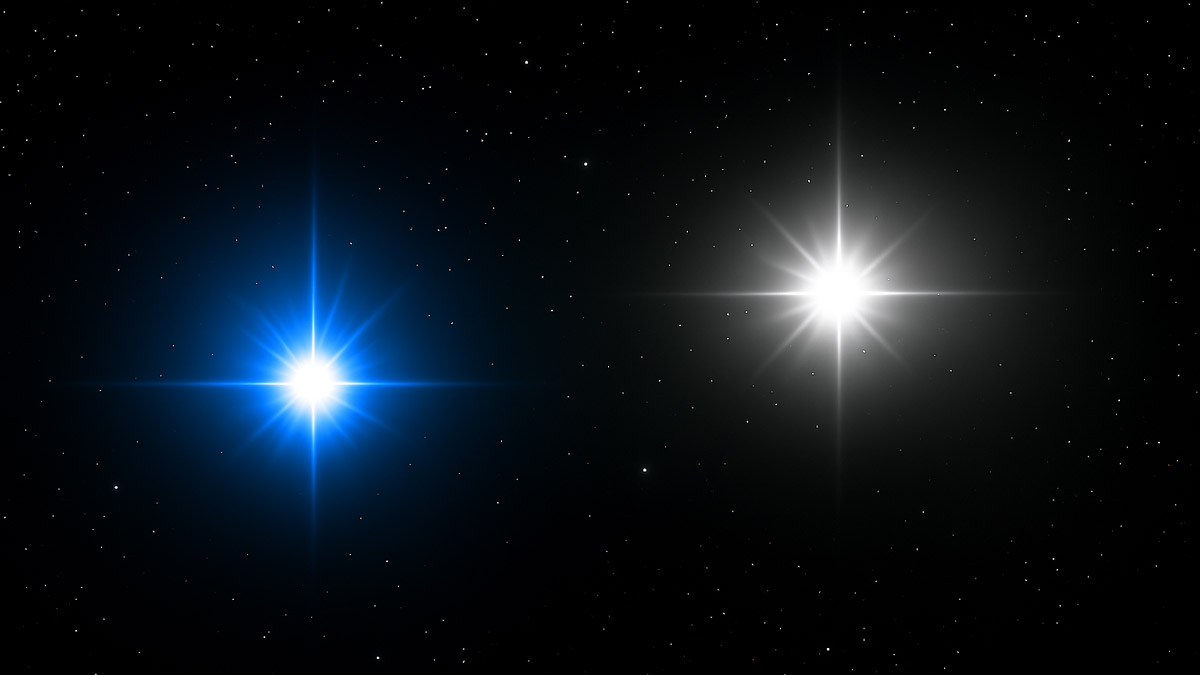
Learn about the tight double star Struve 3116—its close 3.9″ separation, blue-white components, and observing tips. This article also includes my personal sketch so you can see how the pair appears through the eyepiece. Known as SAO 151401, HD 44458.
Gomeisa: The Shining Blue Jewel of Canis Minor
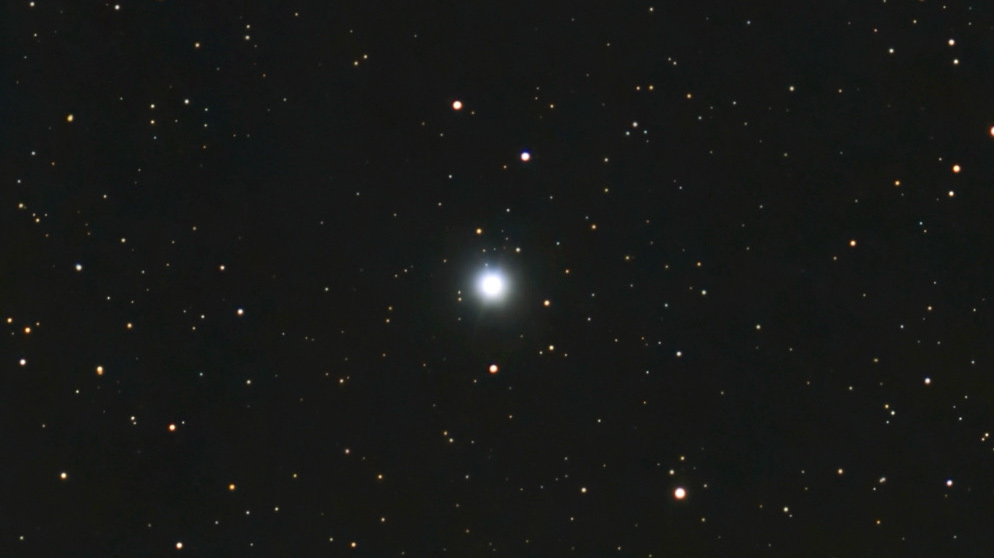
Gomeisa, or Beta Canis Minoris, is a striking blue-white B-type star located 170 light-years from Earth in Canis Minor. With a surface temperature over 11,000 Kelvin and a brightness of magnitude 2.9, it stands out near Procyon. Its rapid rotation and classification as a variable star add to its intrigue for astronomers.
HD 39881 (S 503): A Wide Double Star in Orion
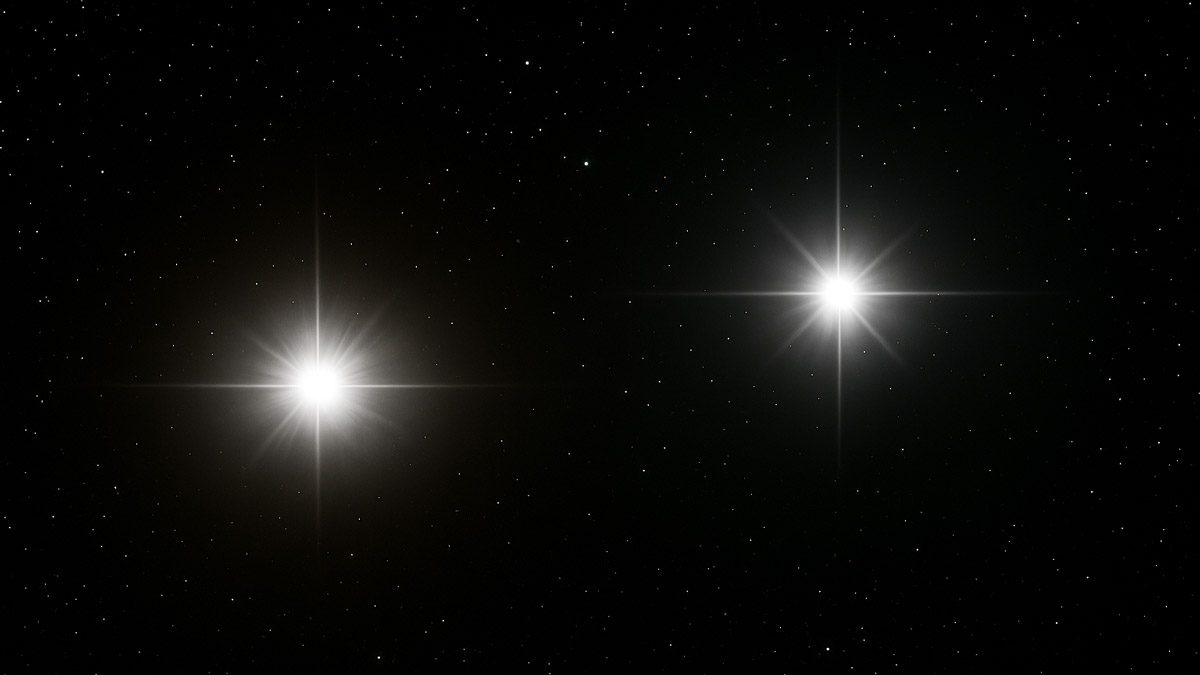
Orion is a prominent winter constellation known for its bright stars, including Betelgeuse and the Orion Nebula, as well as double stars like S 503. This system, consisting of components A and B, offers viewing opportunities with binoculars and telescopes. Recent observations highlighted their visibility despite fading dawn light. Also known as SAO 95004, HD 39881, HR 2067, HIP 28066, BD+13 1036, GC 7469, 0728-03142-1
Iota Cassiopeiae: An Unforgettable Triple
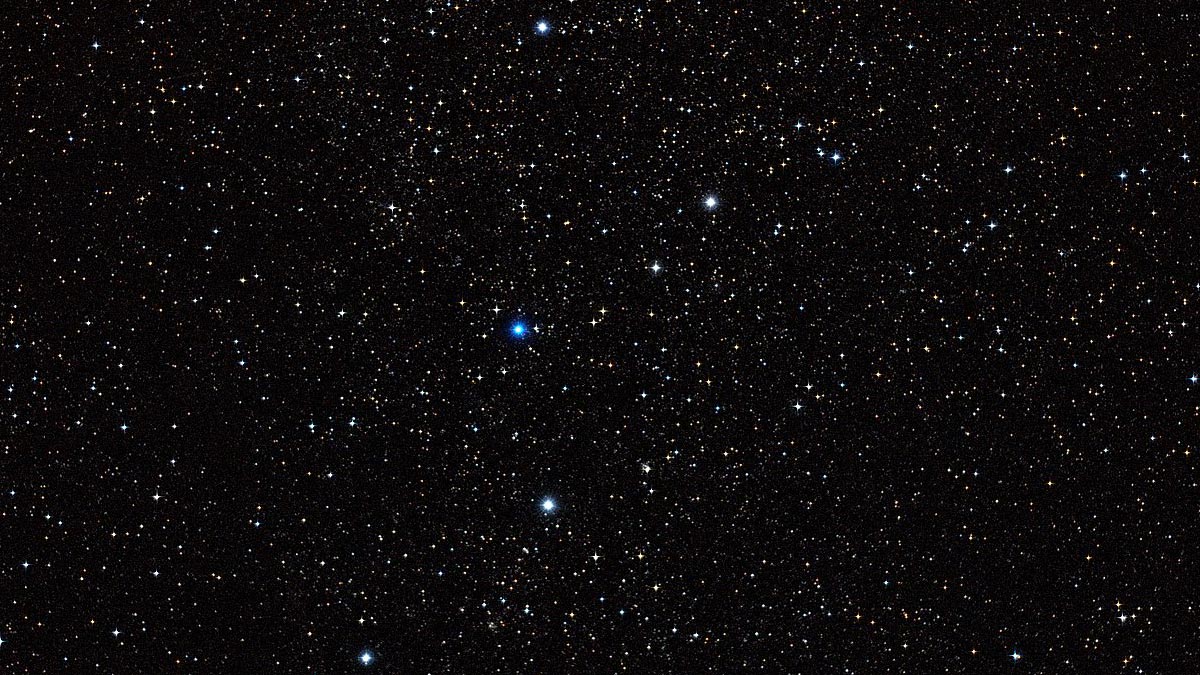
Discover Iota Cassiopeiae, a triple star system hidden in Cassiopeia’s “W.” Through a telescope, it reveals a stunning trio of diamond-like stars.
The Horsehead Nebula (IC 434): A Shadow in the Stars
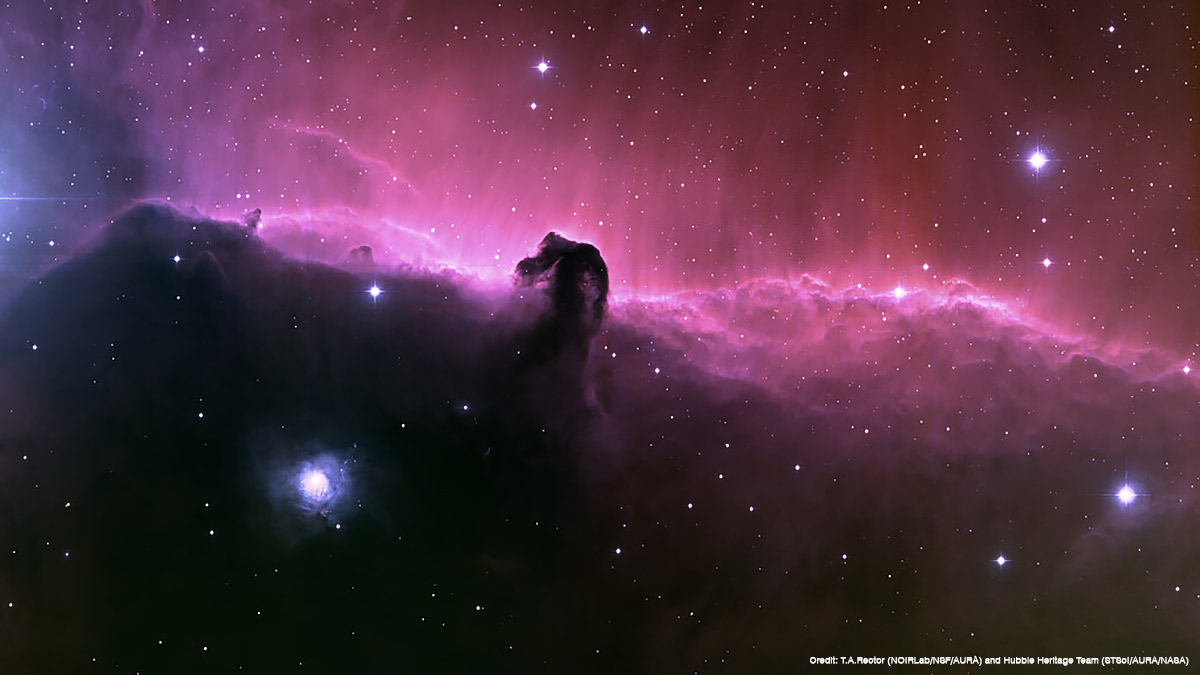
The Horsehead Nebula, located in Orion, is recognized for its iconic silhouette but is faint and challenging to observe. First discovered in 1888 by Williamina Fleming, it is a stellar nursery contributing to star formation. Ideal viewing occurs between December and March, away from city lights using larger telescopes.
 The Garden Astronomer