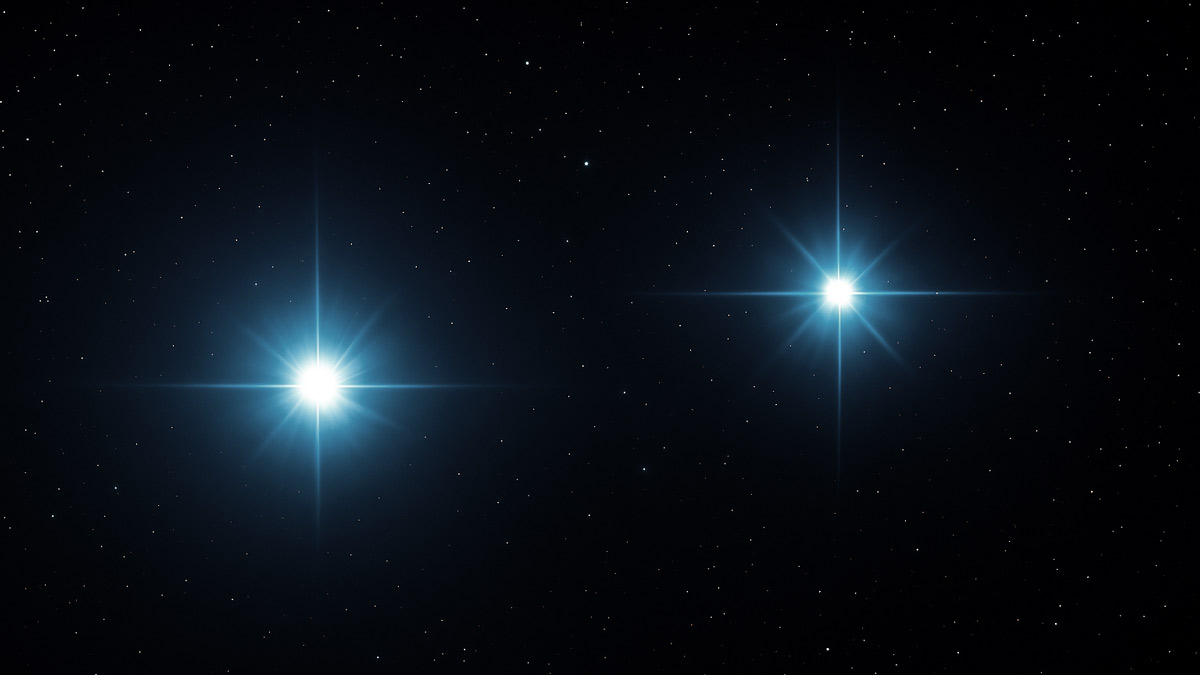
Learn about the double star in Orion called Struve 700 and V1804 Orionis. The pretty set of blue-white stars shine around 7.8 magnitude and are a tight pair in telescope. My sketch shows what the binary looks like through a backyard telescope. They are a great pair to seek out when observing through Orion, the hunter, on winter days.
Tag Archives: Winter
Epsilon Arietis: A Rewarding, Tight Binary in Aries
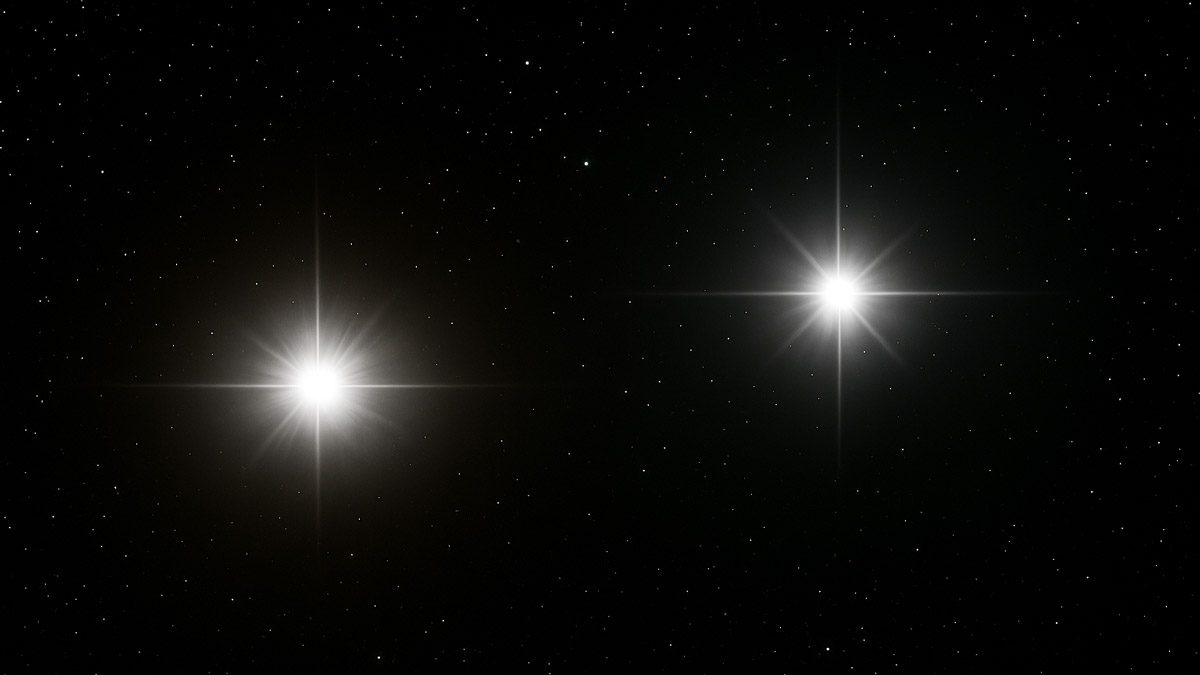
Learn about Epsilon Arietis, a close binary white pair of stars in the constellation Aries, best viewed on autumn and winter nights. The two stars only lie 1.3 arcseconds apart, so a telescope will be needed to see both stars also known as Struve 333, STF 333, Eps Ari, SAO 75673, HD 18519, HR 887, HIP 13914, 48 Ari.
NGC 1758: A Hidden Gem in Taurus’ Starry Landscape

NGC 1758 is a lesser-known open star cluster in the constellation Taurus. Discovered by William Herschel in 1785, it is approximately 700 million years old. Though not visible to the naked eye, it provides valuable insights into stellar evolution. Its proximity to NGC 1750 poses observational challenges.
NGC 2419: The Intergalactic Wanderer in Lynx
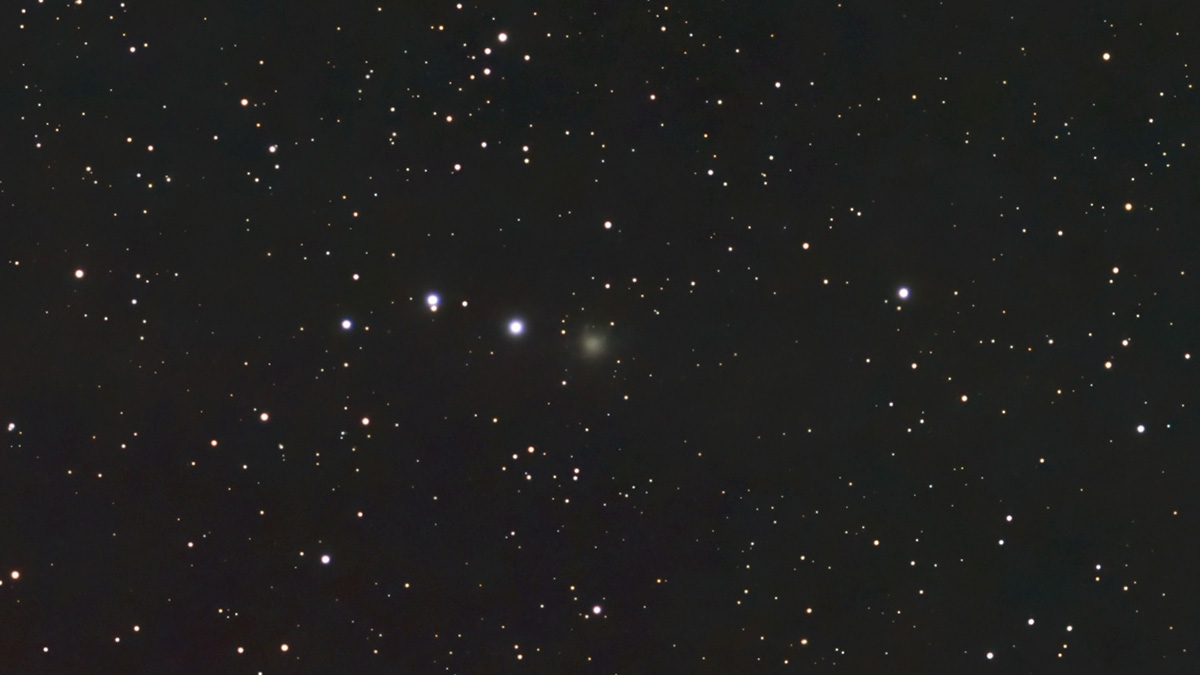
NGC 2419, known as The Intergalactic Wanderer, captivates with its extraordinary isolation, sitting 300,000 light-years from the Milky Way yet still bound to it. This magnificent cluster, containing hundreds of thousands of stars, may even be remnants of a lost dwarf galaxy, a testament to the universe’s boundless beauty and mystery.
Blood Moon: March 2025 Lunar Eclipse
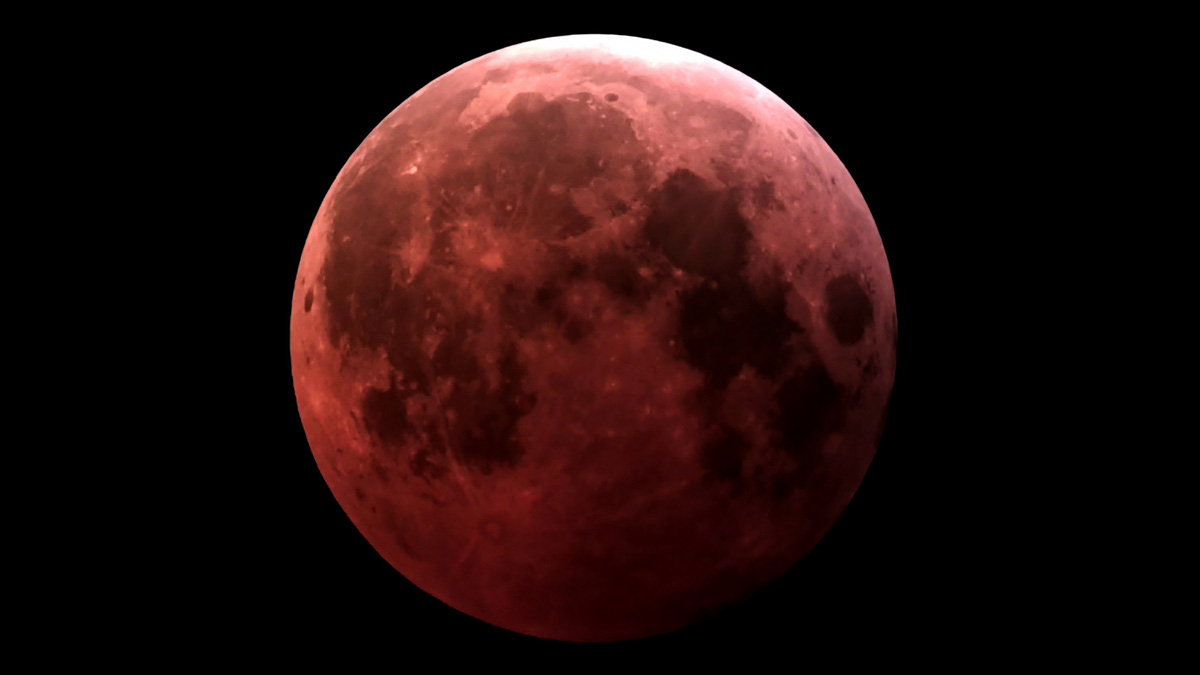
This post covers my observation of Lunar Eclipse in March 2025. In the deep stillness of this early morning, the last sliver of white on the moon turns a copper red, marking the first time in many years that I’ve watched a total lunar eclipse. Photos included.
Messier 33 (NGC 598): The Triangulum Galaxy—A Pinwheel in the Sky

Discover the breathtaking beauty of Messier 33, the Triangulum Galaxy! As one of the closest galactic neighbors to the Milky Way, Messier 33 known as the Triangulum Galaxy dazzles with its stunning spiral structure. See what it looks like in a telescope and when photographed with a Seestar S50. Also known as M33, Pinwheel Galaxy, NGCs 588, 592, 595, and NGC 603
145 Canis Majoris: Winter’s Beautiful Version of Albireo
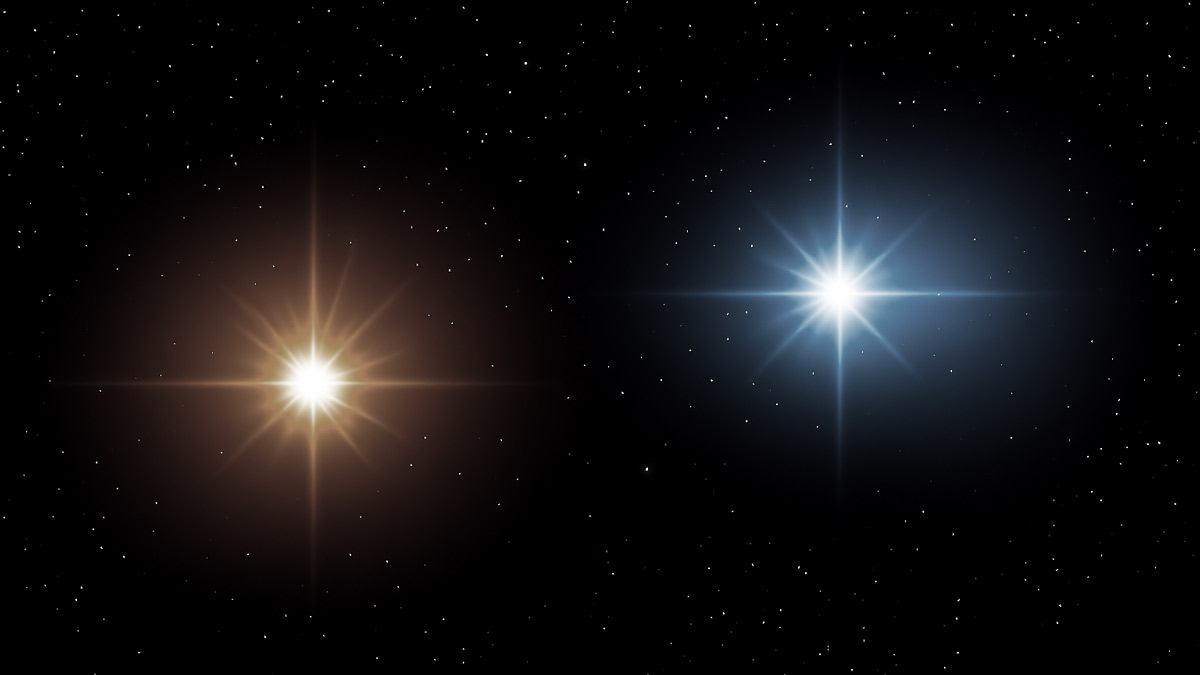
The comparison of winter’s 145 Canis Majoris and summer’s Albireo highlights their contrasting beauty, with 145 CMa’s warm orange-yellow primary and aqua secondary creating a stunning double star spectacle. Easily visible at a separation of 26.4 arcseconds, it remains a winter favorite for amateur astronomers seeking captivating celestial experiences. The double star is also known as 145 CMa, SAO 173349, HR 2764, HD 56577, HIP 35210.
17 Canis Majoris: Herschel’s Colorful “Treble” in Canis Major

17 Canis Majoris is a dim star located in the southern constellation of Canis Major, with a visible magnitude of +5.8 under dark sky conditions. Seeing 17 Canis Majoris up close unveils two nearby orange-colored stars of, creating an attractive triangle system. The system is also known as H V 65, 17 CMa, SAO 172569, HD 51055, HR 2588.
 The Garden Astronomer