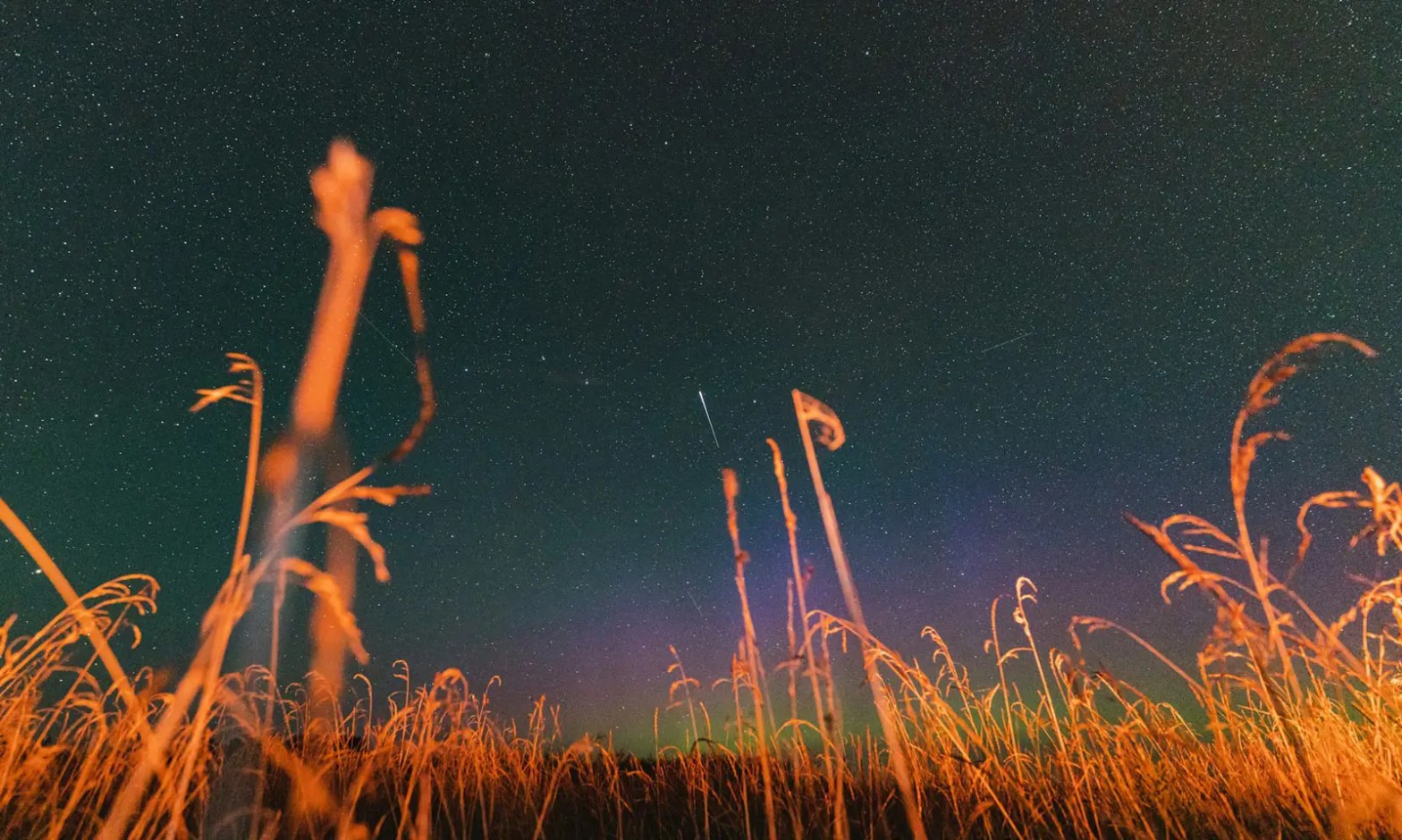
August 11, 2025
“We have seen stars that shoot and fly and that do not lose their light and even some that are bigger than the moon.” — Pliny the Elder, Natural History
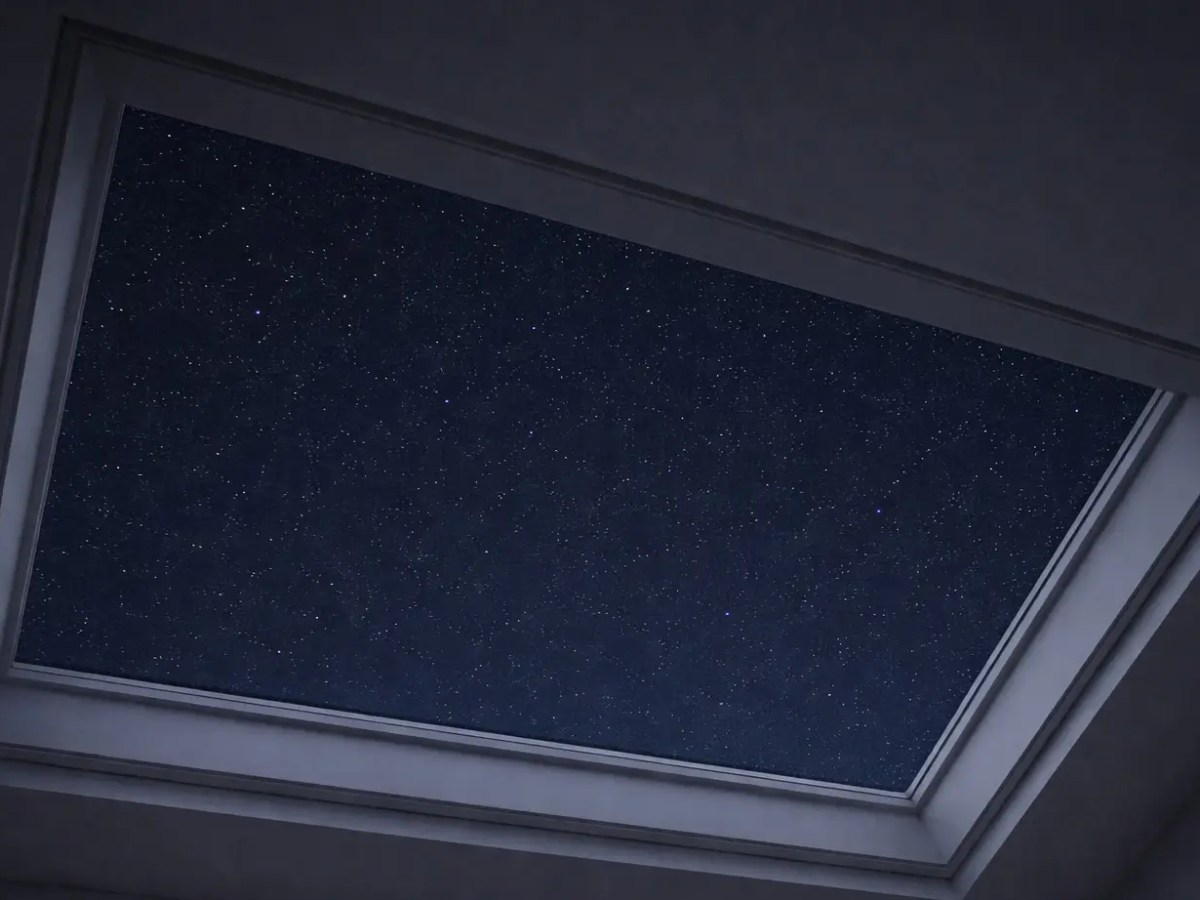
Forty-some years ago, in the quiet suburbs of Denver, the city’s glow had not yet swallowed the night. Overhead, the sky arched like the vaulted ceiling of a large cathedral. Constellations gleamed like painted panels, and the stars shimmered as though heaven itself had bent low to brush against the earth.
Every August night on Everett Street, that cathedral became our gathering place for the Perseid Meteor Shower. The evenings began with still air, steeped in the scent of sun-warmed grass. Along the horizon, the last embers of twilight lingered, while far-off streetlamps turned the neighbors’ houses into soft-edged silhouettes.
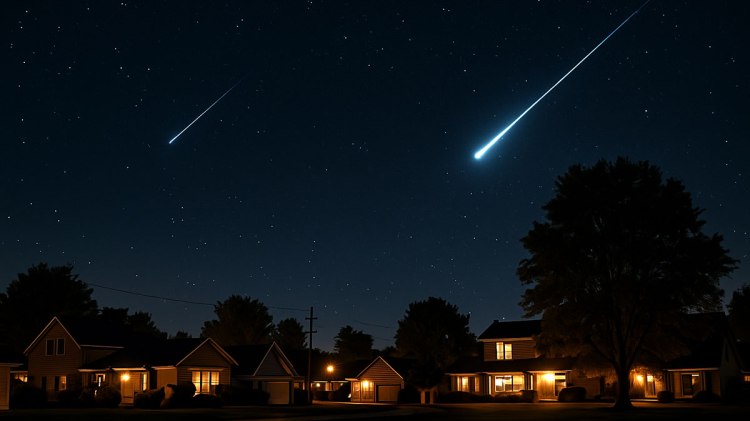
We sprawled on blankets, tracing the familiar constellations, waiting for the first meteor and for the universe to keep its ancient promise.
“My mom made me bring sandwiches,” Dan announced, unpacking his backpack. “PB&J, anyone?”
“This late at night?” Les laughed. “Your mom thinks we’re going on a picnic.”
“Hey, meteor watching makes me hungry,” Dan protested, already unwrapping one for himself.
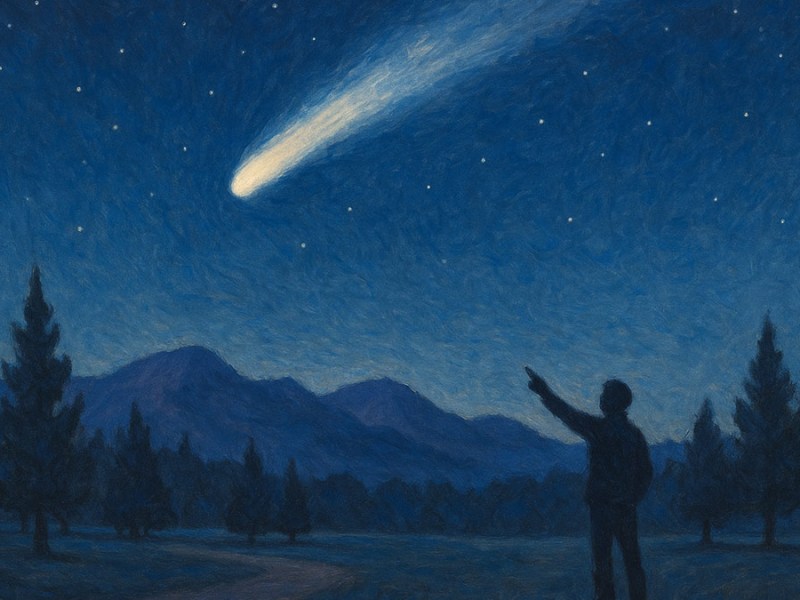
“There!” Les’s voice broke the hush, pointing to a silver streak burning its way across the heavens.
“I missed it!” Dan groaned, crumbs of his sandwich on his shirt. “Where? Where?”
“Too late, it’s gone,” Ryan laughed. “You were too busy eating.”
“Don’t worry,” I said with a grin. “The Perseids never leave you hanging.”
And they didn’t. Another streak blazed across the sky, drawing a chorus of oohs and ahhs.
“Did you see that one?” Jack shouted. “It was huge!”
Soon, the night was alive with motion. Here, a sudden flash; there, a dart of light, like a quick, bright brushstroke on a vast indigo canvas. We started keeping count, calling out numbers like spectators at a baseball game.
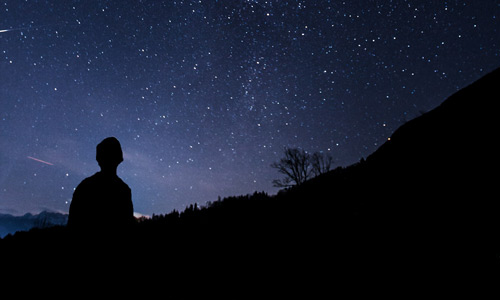
“That’s five!”
“Six! No, wait, did anyone else see that dim one by Cassiopeia?”
“I think we’re up to seven,” Les announced with authority, having appointed himself official scorekeeper.
The Perseids always turned those evenings into something more than just stargazing; they were moments when time seemed to slow, when laughter and quiet awe mingled, and when the heavens themselves seemed determined to keep us awake just a little longer.
Midnight Arrives, and the Universe Opens Up
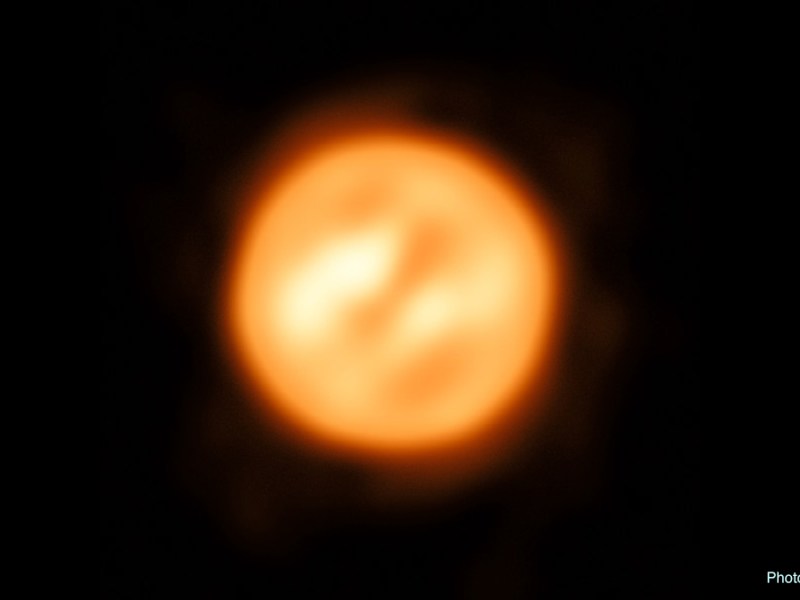
Past midnight, the sky deepened from charcoal to true black, and the stars emerged from their shy half-light into full brilliance, each one now a pinprick of ancient fire. Vega sparkled like a diamond with blue and white, and Antares shone fiery orange down south. Cygnus the Swan flew through the Milky Way, while Queen Cassiopeia looked down from on high.

The air continued to grow sharp, and the grass began to exhale its green secrets into the cooling dark.
We pulled our jackets a little tighter, and Les grabbed his binoculars to trek through Cassiopeia, following the “W” of stars, pulling away from his deeper study of the cosmos every minute or so to catch another falling star.
“Hey, check this out,” Les said, lowering the binoculars. “You can see the Milky Way splitting Cassiopeia right in half.”
“Let me see,” Ryan reached for the binoculars. “Whoa. It’s like…lighted dust.”
“That’s exactly what it is,” I said. “We’re looking at the edge of our own galaxy.”
“Sometimes I forget we’re actually IN space,” Jack said quietly. “Like, right now, we’re on a rock flying through the universe.”
Discovering Andromeda
Around two in the morning, the night drew its breath and drowsiness fell upon us. Not the summons of sleep, but the sweet stupor of being in the presence of something too vast for thought. I set my little refractor telescope on its tripod, the tube catching starlight.
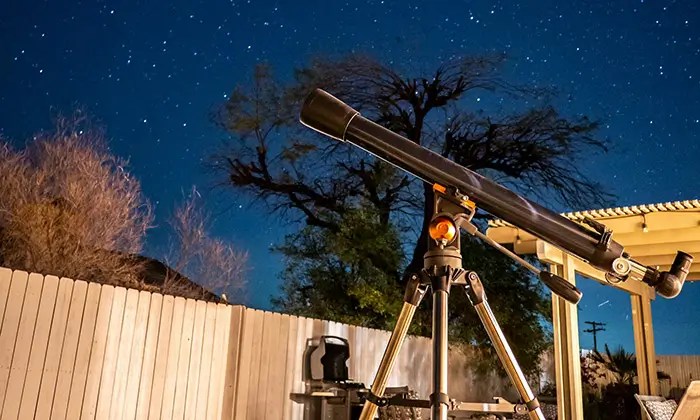
“What are we hunting for now?” Les asked, his voice hushed in the way that two o’clock in the morning demanded.
“I’m going to go for the Andromeda Galaxy,” I whispered back, adjusting the finder scope.
“A whole galaxy?” Ryan perked up. “Can we really see that?”
“If we can find it. It’s supposed to look like a fuzzy star.”
We took turns passing around the plastic star chart because I couldn’t find the galaxy. Les took over, moving the telescope through the starfield, slowly back and forth.
“Okay, so if that bright star there is Alpheratz…” Les muttered, consulting the chart. “Then we go over a bit…”
“Is that it?” I asked, squinting at a particular spot.
“No, that’s just a regular star. Keep looking.”
We continued this back and forth, navigating our way—star to star—as though each were a stone across a dark river.
“Wait, wait,” Les said suddenly, his voice tight with concentration. “I think I’m seeing that star there on the chart, so the galaxy should show up just below here.” He moved the telescope a fraction of an inch.
“Anything?” Dan asked impatiently.
“Hold on… let me adjust the focus…”
A long pause. Then: “There it is!”
Les’s excited whisper cut through the night, and all side conversations hushed. Everyone’s eyes turned toward him.
“Let me see! Let me see!” Ryan demanded. “What’s it look like?”
“What is it again?” Dan asked, moving closer to the telescope.
“Okay, you’ll see a smudge of light,” Les explained to the group, stepping back from the eyepiece. “It’s really faint, so don’t expect much.”
Ryan put his eye up to the eyepiece. After a moment, “I think I see it. That’s… that’s actually pretty cool. It’s like a little cloud.”
“A cloud made of a trillion stars,” I added dramatically.
“My turn! My turn!” Dan pushed forward. “I want to see a trillion stars!”
“Hold on, let me look first,” I said, tapping Ryan’s shoulder and gently pushing my way in.
There in the eyepiece was a faint, trembling smudge, delicate as breath on glass. A trillion suns adrift in that spiral, each perhaps with its own harvest of worlds, turning in patient splendor toward our own galaxy in a meeting so far beyond our years it seemed outside of time itself.
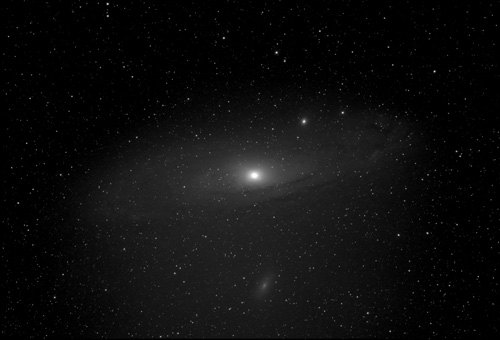
“Jack, come look at this,” I called softly.
“I can’t see anything,” Jack complained at first, squinting into the eyepiece.
“Don’t look at it directly,” I coached, remembering what I’d read in astronomy magazines. “Look slightly to the side. Let your peripheral vision catch it.”
After a moment, his breath caught: “Oh… oh wow. Is that really a galaxy? Like, a whole galaxy?”
“Two and a half million light-years away,” I said, unable to keep the wonder out of my voice.
“What does that mean exactly?” Dan asked.
“It means the light hitting your eye right now left that galaxy all those years ago,” I explained. “We’re literally looking back in time.”
“That’s insane,” Ryan whispered. “So if there are aliens there with telescopes, they’d be seeing Earth from millions of years ago?”
“With dinosaurs and everything,” Les added.
“Do you think they’re out there?” Jack asked quietly. “Looking back at us?”
The question hung in the air like the meteors we’d been watching. None of us had an answer, but somehow that made it even more magical.
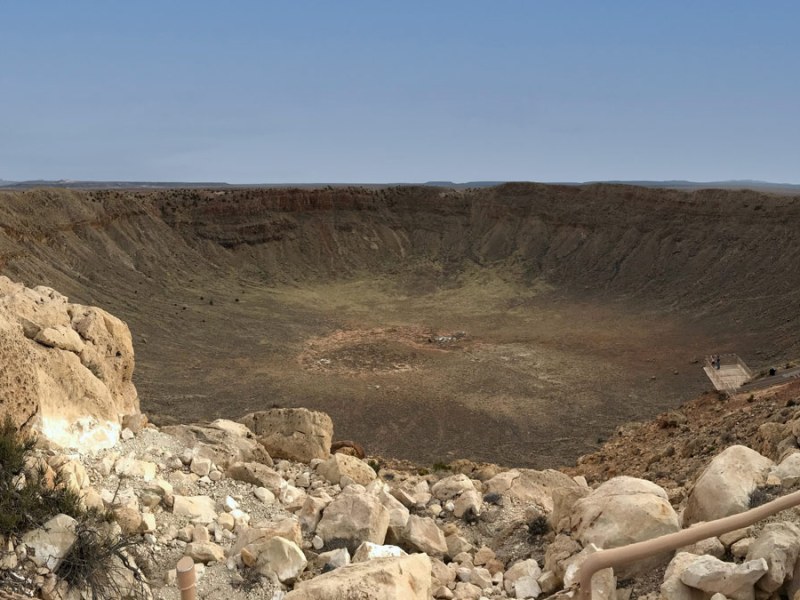
Those quiet interludes between shooting stars, when we took turns at the eyepiece and tried to wrap our minds around such distances, connected us to something even grander than the Perseids. The meteors were cosmic dust burning up in our atmosphere. They were spectacular but local, Earth’s own private fireworks show.
But Andromeda was deep time and deep space made visible, a reminder that our small planet orbited just one star among hundreds of billions, in just one galaxy among countless others. It was humbling and exhilarating in equal measure, and it bound us together in shared wonder at the sheer improbable magnificence of existing at all.
Orion’s Bittersweet Arrival
In those final hours before dawn, when the Perseids had spent their fury and our voices had grown tired, a familiar figure began his slow climb above the eastern horizon. Orion the Hunter, with his distinctive belt of three stars and the crimson jewel of Betelgeuse burning at his shoulder, emerged like an old friend returning from a long journey.
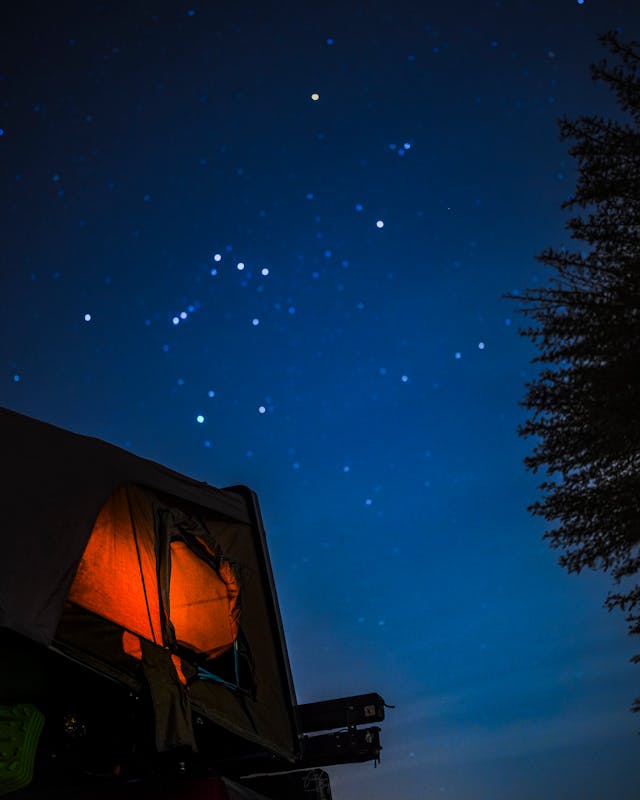
“Look who’s showing up to the party,” Les said, pointing east.
“Orion?” Dan yawned. “Isn’t he a winter constellation?”
“He is, but he rises earlier every night as summer goes on,” I explained. “His appearance means autumn’s coming.”
“Don’t say that,” Ryan groaned. “I don’t want to think about school starting.”
There was something bittersweet about Orion’s arrival in those pre-dawn moments. His appearance in the August sky was autumn’s first whisper, a reminder that time never stops. While we lay there in the nights of summer, Orion carried with him the promise of crisp October mornings and aspen leaves transformed into gold.
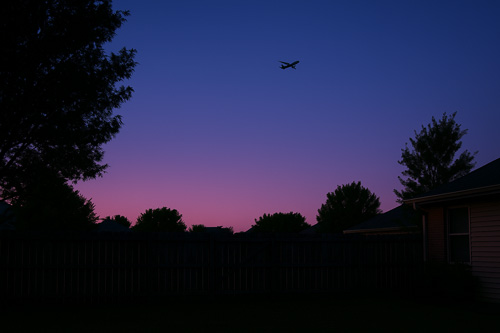
I traced his outline with my finger against the dusky purple sky and felt time’s passage as a physical thing. Every few minutes, a plane from nearby Stapelton climbed, turning west toward the mountains, ushering in a new day upon us.
The Night Ends and Seasons Change
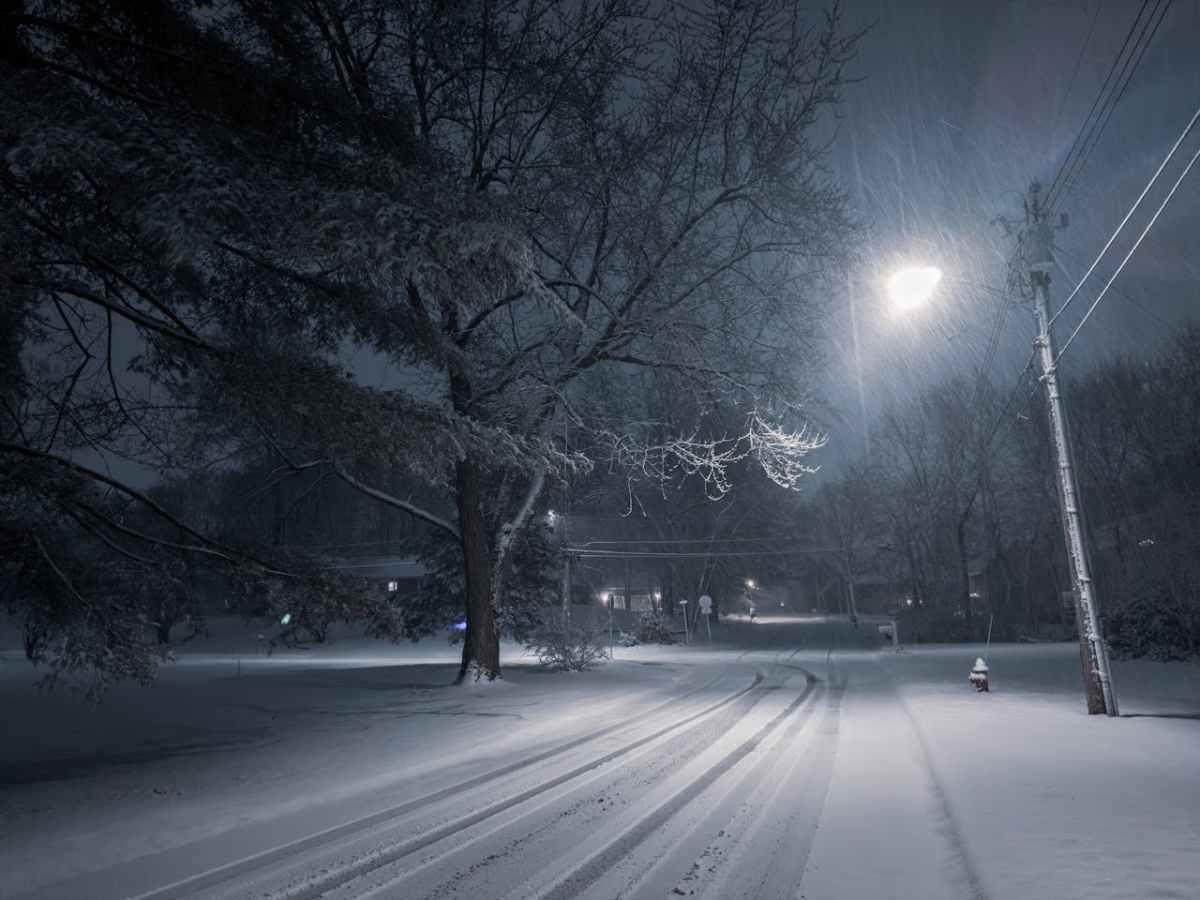
All too soon, this very spot where we watched meteors would be buried under Colorado snow. The cathedral ceiling of summer sky would become winter’s stark dome with brilliant stars that would cut through the thin Rocky Mountain air. But Orion would still be there, standing sentinel through the long nights, his ancient story written in light across the darkness. Orion reminded us that some things endure even as everything else transforms around them.

“We should probably start heading in,” Jack said reluctantly as the eastern sky began to pale.
“Five more minutes,” Dan pleaded. “Just five more.”
“You said that an hour ago,” Ryan laughed.
But we all understood the reluctance. These nights felt precious, even then. The long night would give way to homework and schedules and the relentless march of growing up.
Even in those younger years, I understood something profound about time and seasons. Orion’s appearance wasn’t just marking the end of the meteor show; it was marking the end of another year of childhood, another chapter of innocence. I couldn’t freeze those perfect August nights, couldn’t hold onto the wonder of lying under a sky full of falling stars with my friends beside me.
Now, decades later, I try to steal away the time, making the pilgrimage to watch the Perseids each August. My hair has more silver than the meteors now, and instead of lying on scratchy grass, I have a comfortable reclining chair. The backyard is in a different state, a different life.

Just Waiting for the Next Falling Star
But the stars don’t just fill the sky. They hold our stories. They archive our moments of wonder, our friendships forged under open skies, our growing awareness of our place in the vast dance of the universe. Everett Street has changed—other families live in those homes now—but nothing has dimmed the memories made there. When I watch the Perseids now, I realize that those childhood evenings weren’t lost to time at all. They’re preserved in the same cosmic light that continues to fall each August, connecting my younger self to who I am today, and to every person who has ever looked up in wonder at the night sky.
The Perseids return each August like clockwork, faithful as old friends. And each year, they carry with them the promise that some things endure, that wonder is renewable, and that the best moments of our lives are never really gone—they’re just waiting for us in the light of the next falling star.
About the Perseids
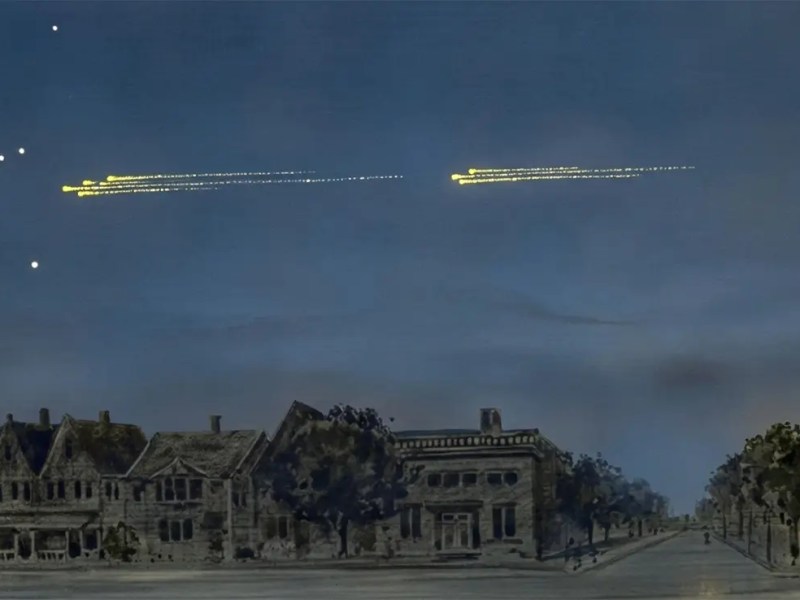
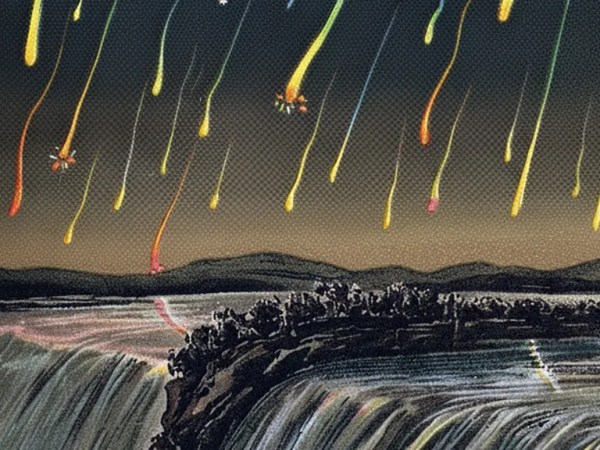
Public Domain | Source
A Little History
The Perseid Meteor Shower is one of the most ancient and beloved sky events, with written records stretching back nearly two thousand years. Chinese astronomers first noted these “falling stars” in 36 AD, describing nights when the heavens seemed to be raining light. In medieval Europe, the shower became linked to the Tears of St. Lawrence. According to tradition, St. Lawrence was martyred on August 10 in the year 258 AD, and the meteors that appeared around that date were seen as fiery tears streaming down from heaven.
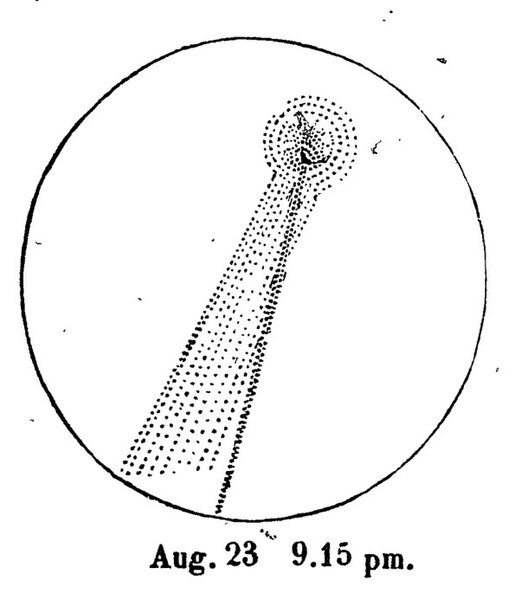
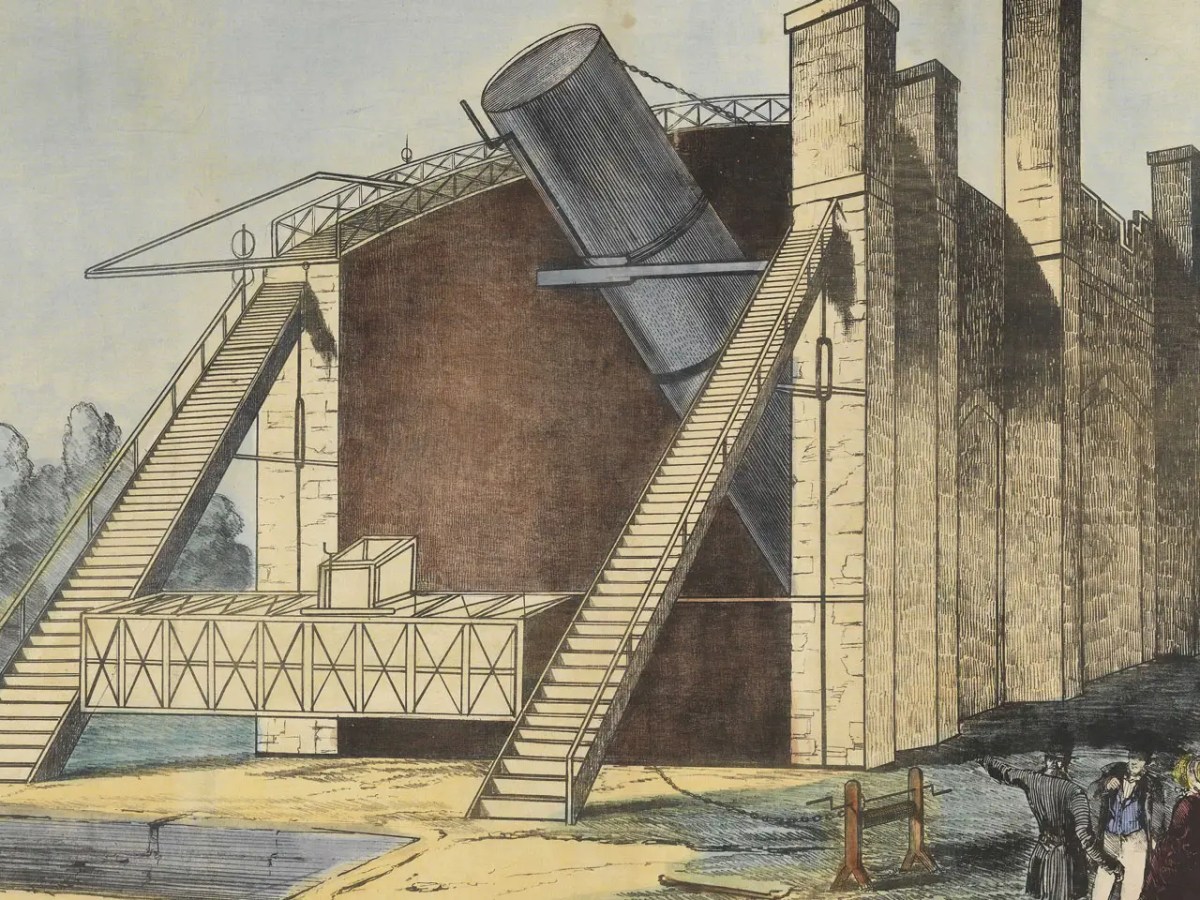
It wasn’t until the 19th century that the Perseids’ true nature became clear. Astronomers discovered that the meteors came from debris shed by Comet Swift–Tuttle, a large comet that orbits the Sun every 133 years. Each August, Earth plows through the dust trail left behind, and tiny particles, some no bigger than grains of sand, burn up in the atmosphere, producing brilliant streaks of light.
When and Where to See the Perseids
The Perseids appear each year from about July 17 to August 24, peaking in activity between August 11 and 13. During those nights, you might see fifty to a hundred meteors an hour under ideal conditions. The best time to watch is after midnight, when your part of the Earth is turned toward the oncoming meteoroid stream. They seem to radiate from the constellation Perseus, which rises in the northeast during August, but the meteors can flash anywhere in the sky.
For the best experience, find a location far from city lights, like rural fields, national parks, or recognized dark-sky sites, which are perfect. Arrive early enough for your eyes to adjust to the dark, which can take twenty to thirty minutes. No telescope or binoculars are needed; the wide sweep of the naked eye is the ideal way to enjoy them.
Why the Perseids Are So Loved
The Perseids have earned their reputation as the “king” of meteor showers. They offer a generous number of bright meteors, frequent fireballs, and a dependable schedule. Warm summer nights make it easy to linger under the stars, adding to their appeal. For many, watching the Perseids is not just an astronomical event but a seasonal ritual, a moment to pause, look up, and be reminded of the vast and beautiful universe above us.
 The Garden Astronomer
I love how you frame August skies as an altar for wonder. This year, the Perseid meteor shower peaks on the night of August 12 to early August 13, offering a fleeting communion with cosmic dust and flame—even as the luminous Sturgeon Moon washes out the fainter trails. The brightest meteors will still pierce through that glow, especially during the pre-dawn hours, when the sky softens and every glimpse becomes ritual. Thank you for calling us into that silent vigil under starlight and flame.
LikeLike
Thank you for your kind comments. I truly appreciate your taking the time out of your day with your encouraging words. You said it well: It is a time of silent vigil. My hope is others will come to appreciate these moments and gifts from the heavens that are so easily missed or forgotten in the busyness of life.
Again, thank you, and clear skies in all you do.
Wayne
LikeLike
I didn’t want this story to end… it put so many wonderful pictures in my head of a bunch of friends exploring our solar system together. And your pictures (both that you have taken, and the illustrations) were just excellent – you have such a gift for photography and writing – really top notch! Thank you so much for sharing… and I really hope you publish this in a book – along with all your other great posts!!
LikeLike