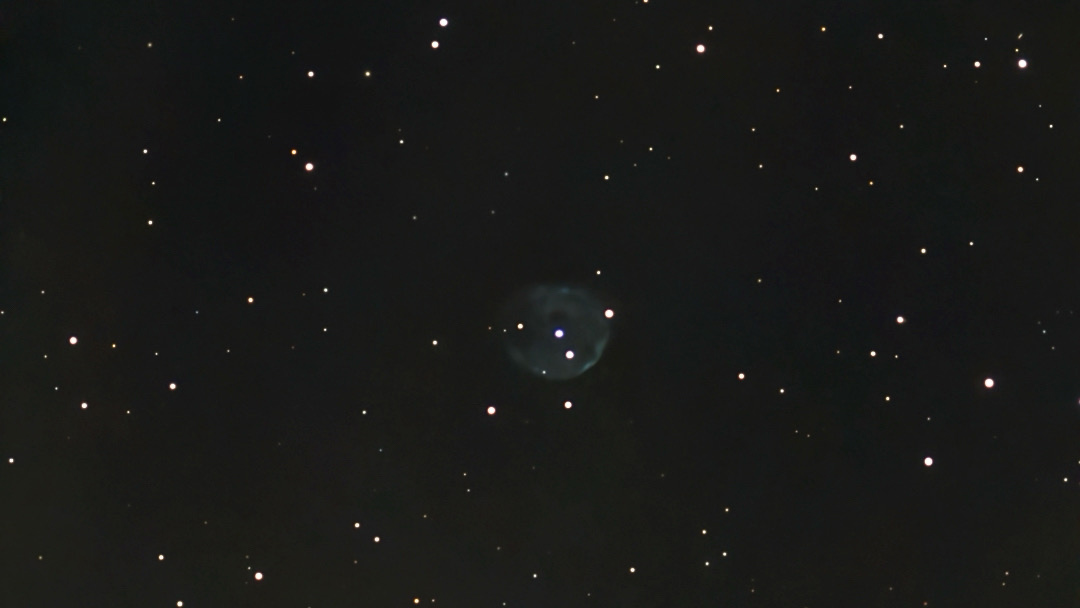
The Skull Nebula, known as NGC 246 or Caldwell 56, resides in the constellation Cetus. Discovered by William Herschel in 1785, the planetary resembles a human skull due to gas distribution. It features a white dwarf and two companion stars. Though challenging to observe, it captivates astronomers, symbolizing change and the cosmos’ enduring nature.
Author Archives: Wayne McGraw
Gomeisa: The Shining Blue Jewel of Canis Minor
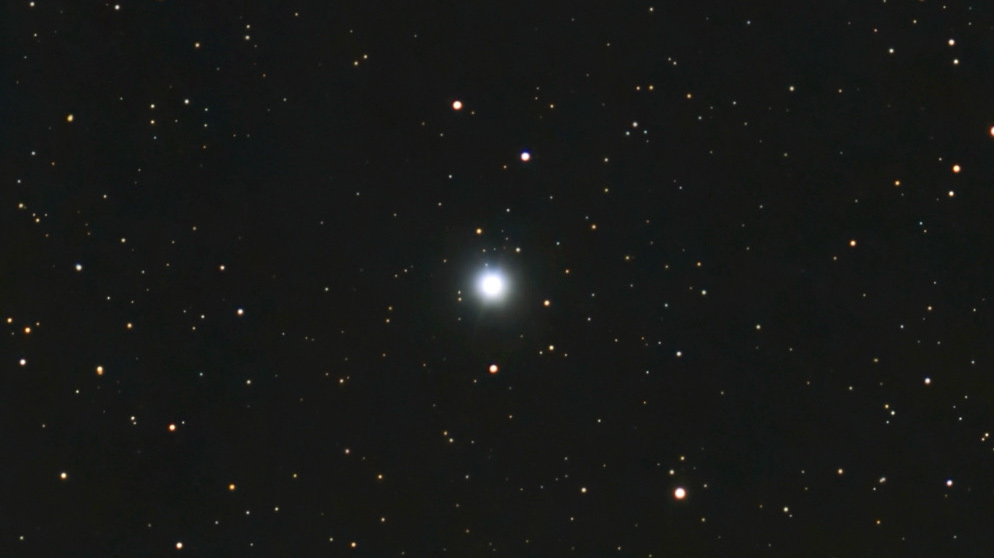
Gomeisa, or Beta Canis Minoris, is a striking blue-white B-type star located 170 light-years from Earth in Canis Minor. With a surface temperature over 11,000 Kelvin and a brightness of magnitude 2.9, it stands out near Procyon. Its rapid rotation and classification as a variable star add to its intrigue for astronomers.
HD 39881 (S 503): A Wide Double Star in Orion
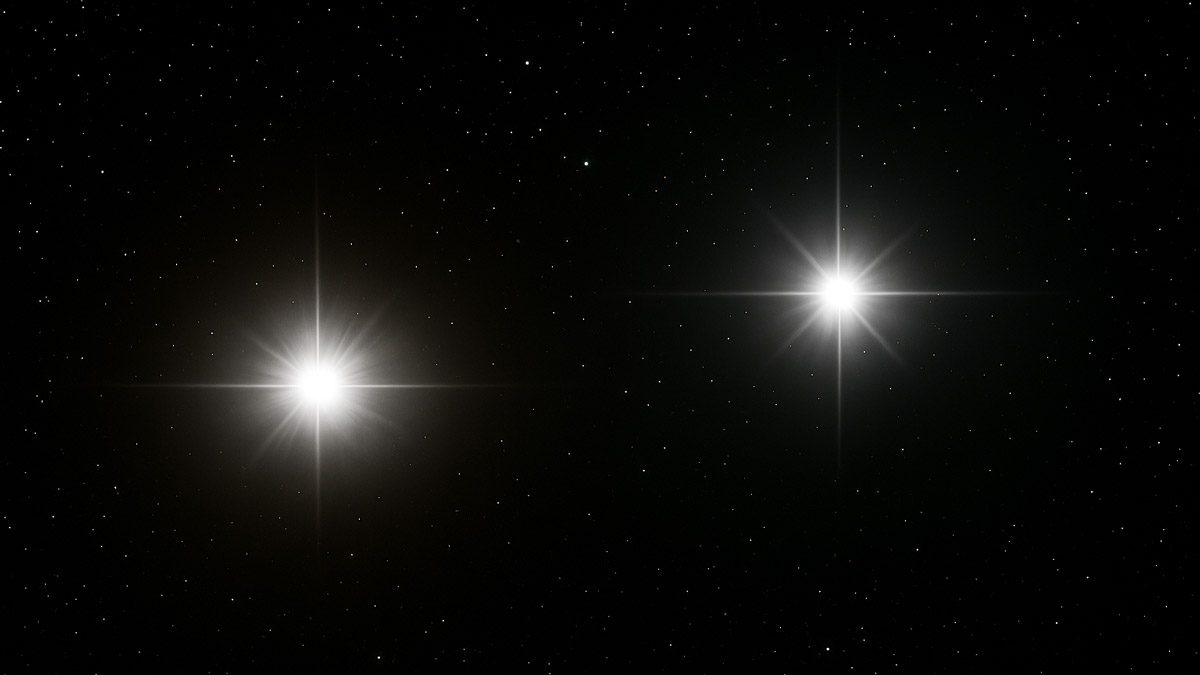
Orion is a prominent winter constellation known for its bright stars, including Betelgeuse and the Orion Nebula, as well as double stars like S 503. This system, consisting of components A and B, offers viewing opportunities with binoculars and telescopes. Recent observations highlighted their visibility despite fading dawn light. Also known as SAO 95004, HD 39881, HR 2067, HIP 28066, BD+13 1036, GC 7469, 0728-03142-1
Zeta Ophiuchi: The Runaway Star with a Turbulent Past
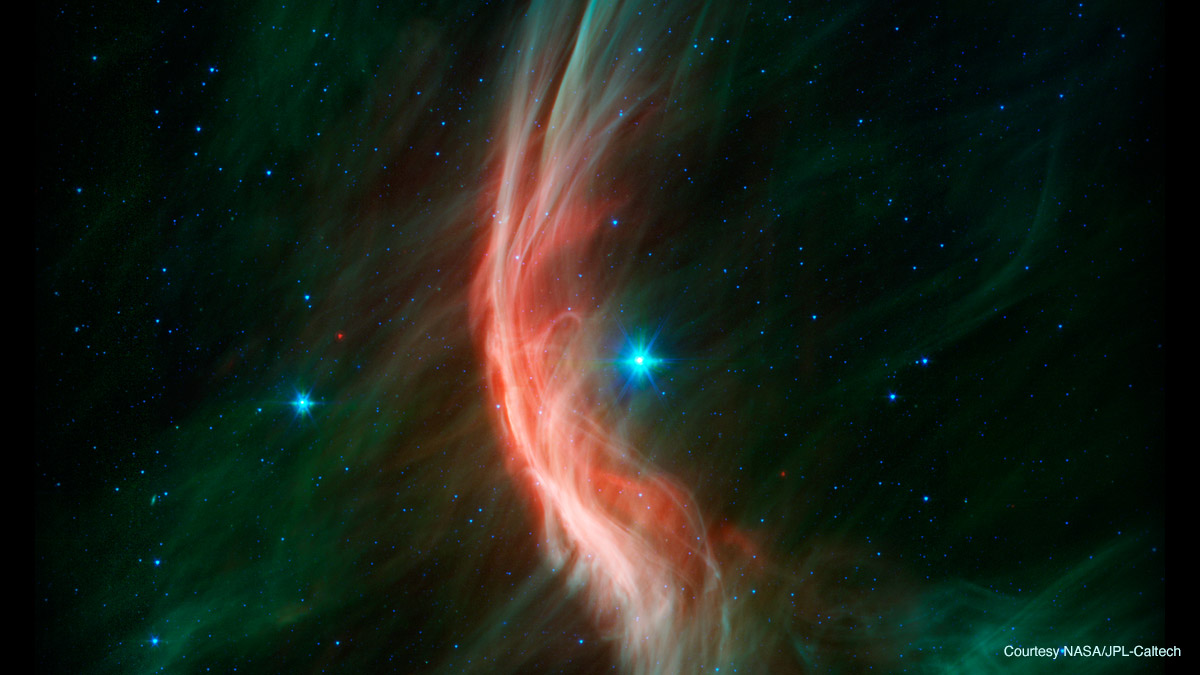
Zeta Ophiuchi, a brilliant blue giant star in the constellation Ophiuchus, is known as the “runaway star” due to its high-speed movement through space. This motion, caused by a past supernova explosion of its companion star, creates a captivating bow shock. Despite its luminosity, interstellar dust obscures its brilliance from casual observers.
From Park Bench to Stardust: Spotting Comet Hale‑Bopp in 1997
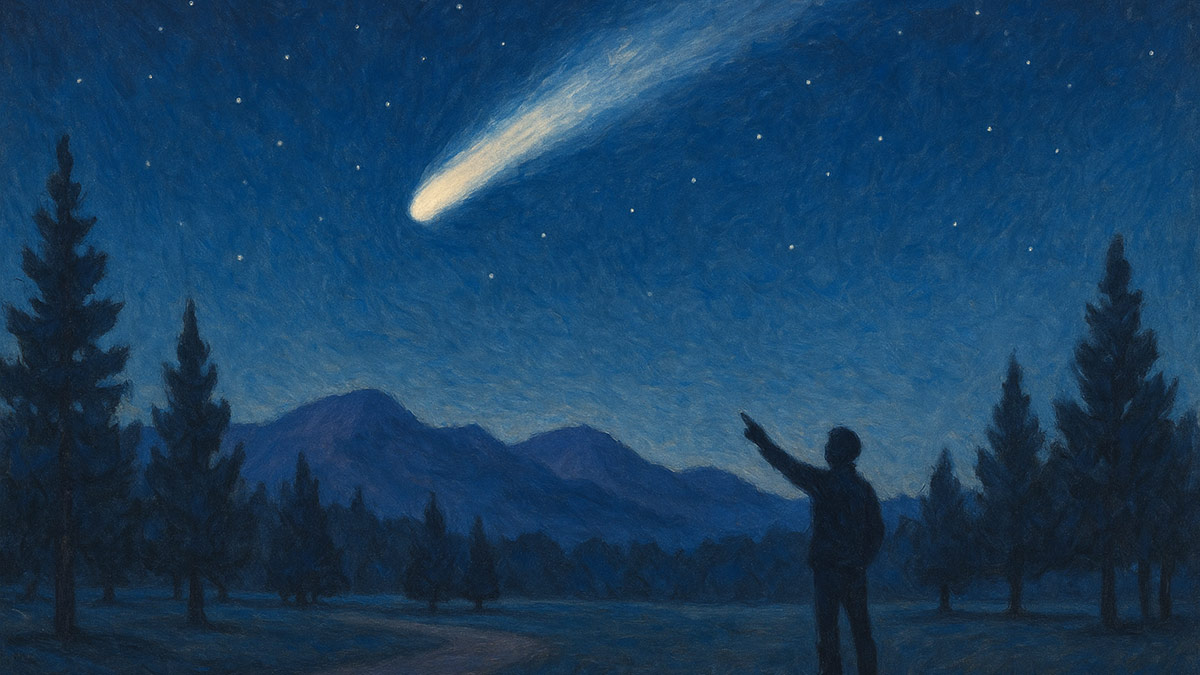
Relive the magic of Comet Hale-Bopp. A personal reflection on a lifetime of observing, from a 1997 park bench to a lifelong journey through the stars.
Eta Boötis (Muphrid): The Double Star Neighbor Beside Arcturus
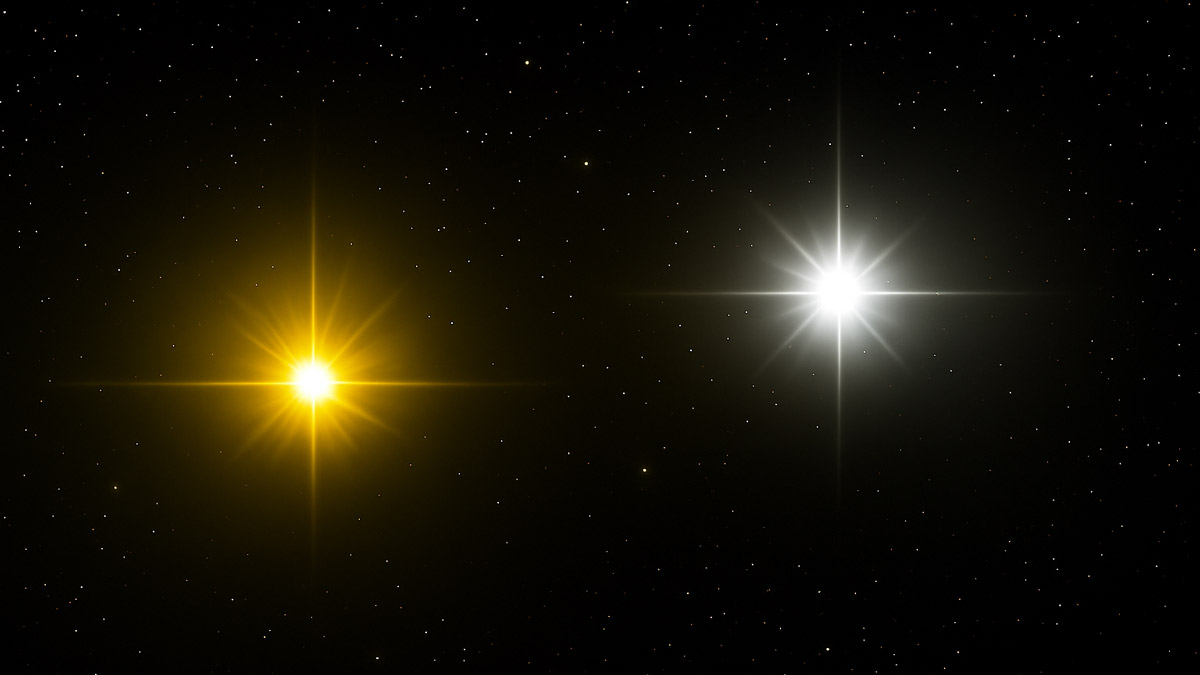
Eta Boötis, known as Muphrid, is a subgiant star roughly 37 light-years from Earth, overshadowed by the brighter Arcturus. Muphrid shines with a magnitude of 2.7 and is accompanied by a fainter companion star. Observations reveal challenges in identifying its companions, highlighting its unique charm in the spring sky. η Boötis, HR 5235, HD 121370, HIP 67848, SAO 100766, BD+18°2759, SHJ 169
Messier 20 (NGC 6514): The Trifid Nebula in Sagittarius
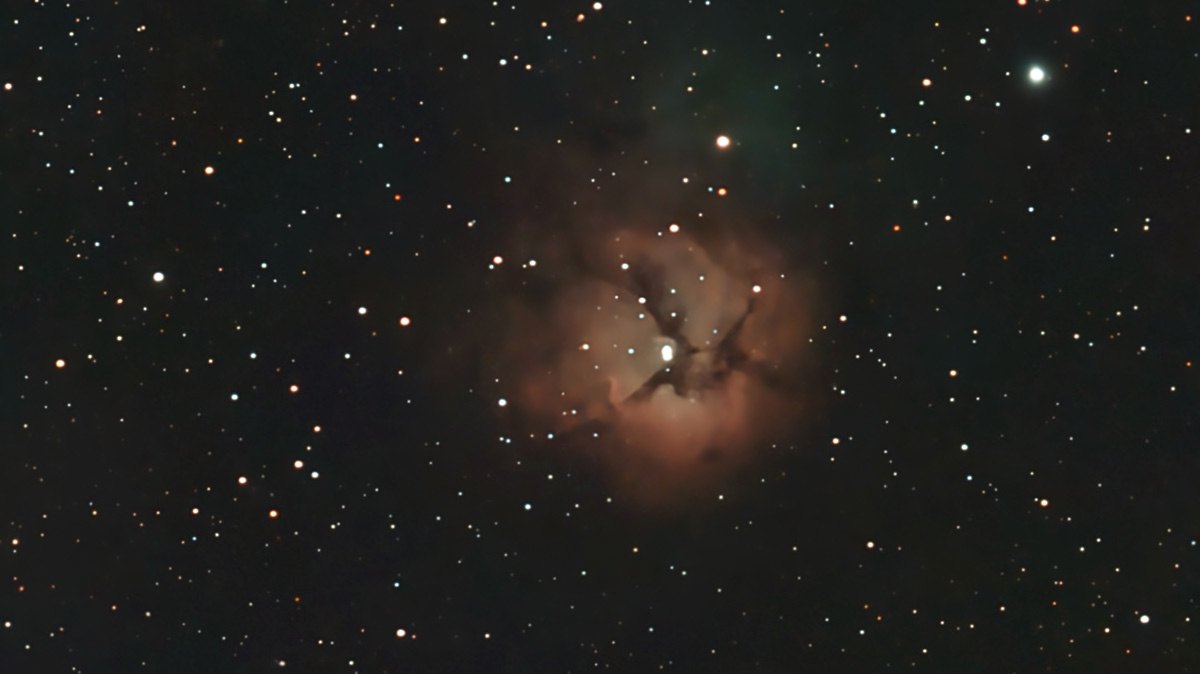
The Trifid Nebula, located in Sagittarius, is best viewed during summer months from June to August. Discovered by Charles Messier in 1764, it serves as a stellar nursery, approximately 5,200 light-years away. Modern telescopes have uncovered hidden stars and complex structures, making it a remarkable subject for backyard astronomers.
NGC 457: The Owl Cluster in Cassiopeia

An owl hides out in Cassiopeia, so on autumn and winter nights, turn your scope toward the constellation and look for cluster and its two bright stars that make up the eyes.
 The Garden Astronomer