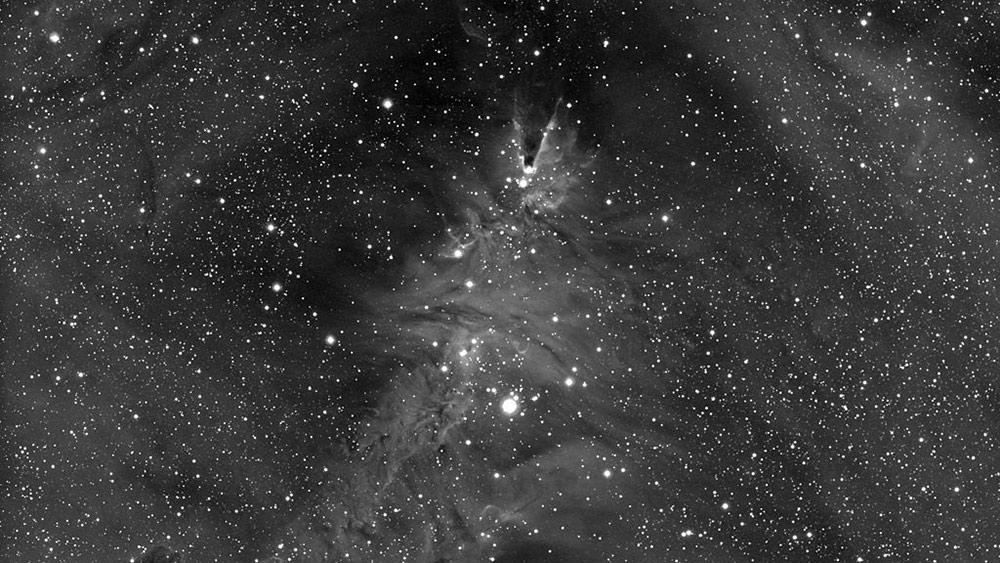
Don’t miss this large and attractive star cluster and nebula on cold winter nights.
Category Archives: Star Clusters
NGC 1513: Open Cluster in Perseus
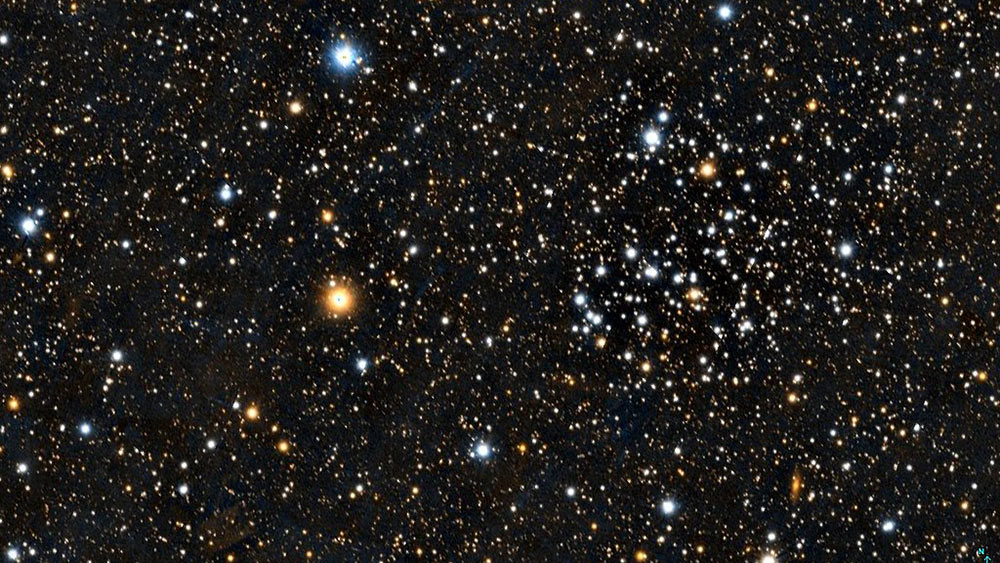
NGC 1513 is an open star cluster in the constellation Perseus. It’s best viewed in the winter. This is a scattered dim cluster that lies near the brighter and more prominent objects: NGC 1545 and NGC 1528. According to the book Sky Vistas by Craig Crossen, NGC 1513 is faint in part due to aContinueContinue reading “NGC 1513: Open Cluster in Perseus”
NGC 1528: A Star Cluster with a Water Fountain
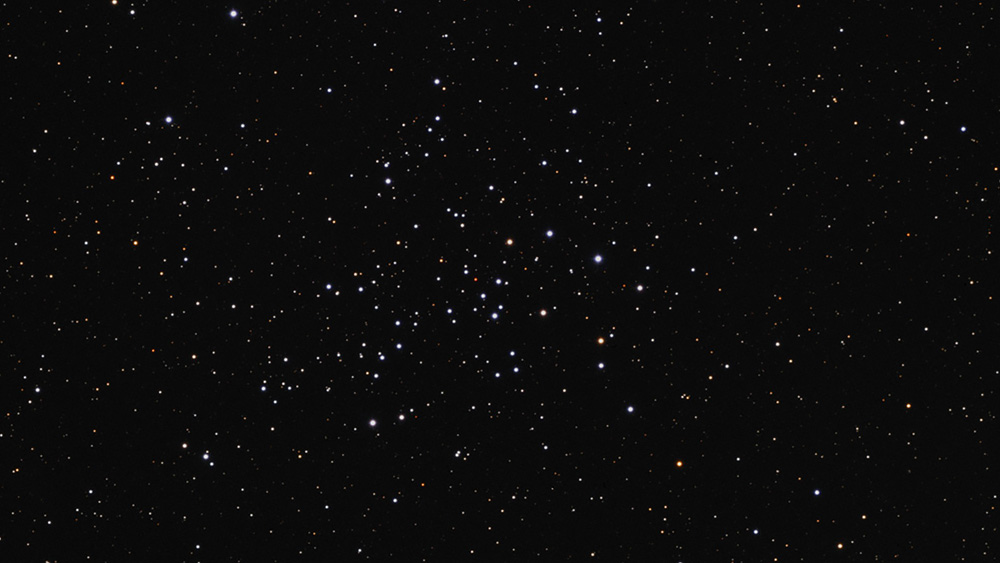
NGC 1529 is an open star cluster in the constellation Perseus. It’s best viewed in the winter. Approximately 150 star makes up the constellation My Observations Date: March 11, 2021Time: 8:00 p.m.Location: Seattle, WashingtonScope: Meade 8″ ACFEyepiece: 20mmTemp: 53FSeeing: AverageTransparency: Average This cluster does have several bright stars; I count 15 prominent stars. On first glance, the stars look like theyContinueContinue reading “NGC 1528: A Star Cluster with a Water Fountain”
NGC 1545: A Colorful Triangle Cluster in Perseus
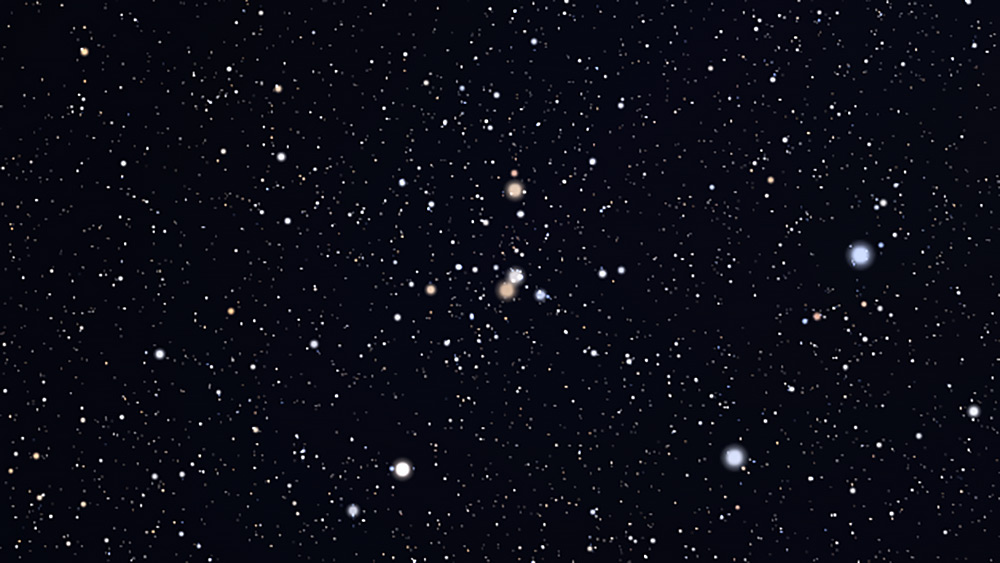
NGC 1545 is an open star cluster in the constellation Perseus. It’s best viewed in the winter at a magnitude of 6.19.
NGC 2360: Caroline’s Beautiful Cluster of Stars
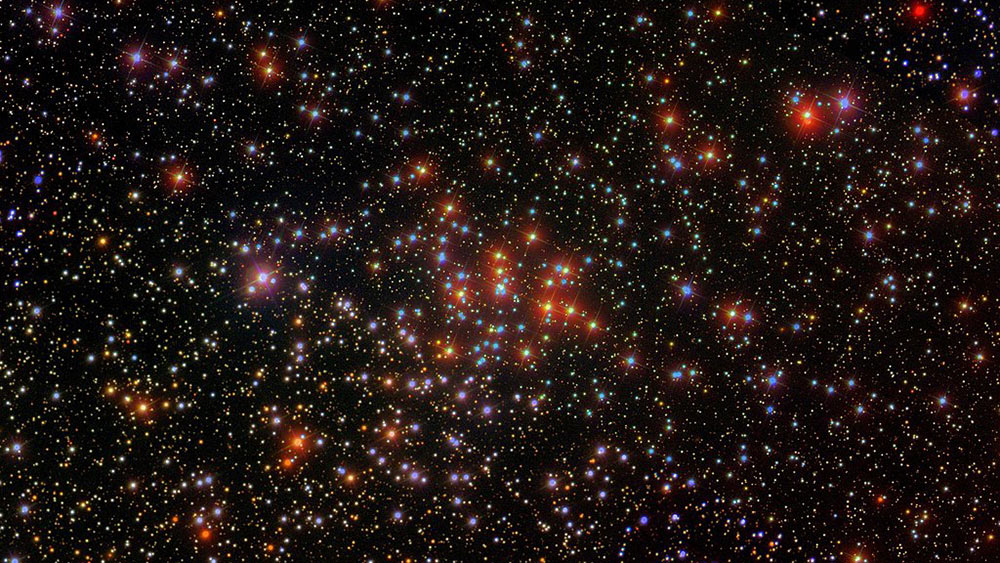
Caroline Hershel, sister of the famous astronomer William Hershel who discovered Uranus, discovered this cluster more than 200 years ago on a winter’s night. Seeing this makes me reflect on the passing of time.
Messier 48 (NGC 2548): A Star Cluster the Size of Two Moons
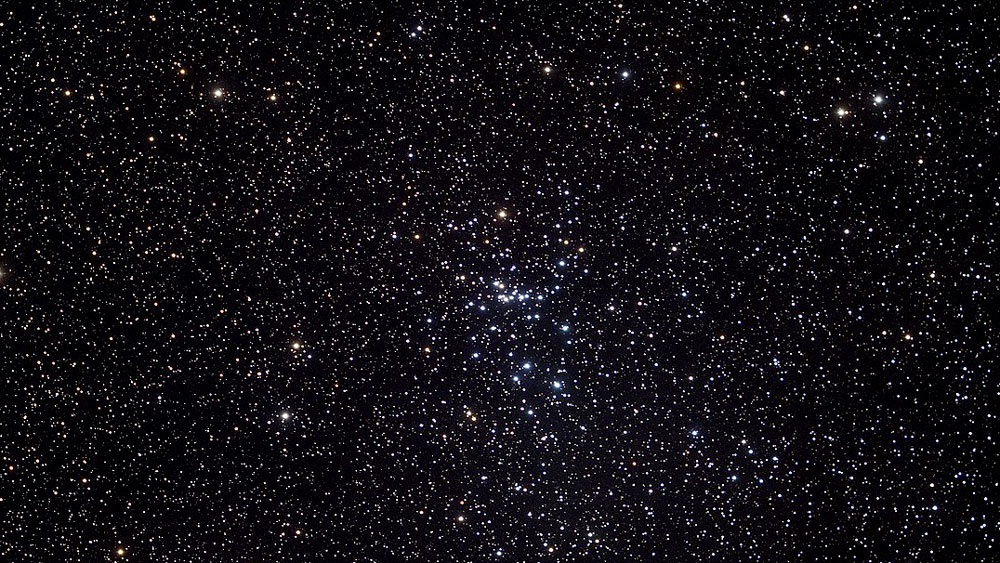
Messier 48 is an open star cluster in the constellation of Hydra. M48 has an interesting history as Messier recorded an incorrect location for the cluster, and many give credit to Caroline Herschel for its discovery.
Hyades: The Closest Star Cluster to Earth and Face of Taurus

Hyades is an open star cluster in the constellation of Taurus. It’s best viewed in winter through early spring. Observers should be able to see Hyades from most locations with the unaided eye. At only 150 light years from earth, Hyades is the closest star cluster to earth. My Observations December 28, 2020 | 7:53ContinueContinue reading “Hyades: The Closest Star Cluster to Earth and Face of Taurus”
NGC 7686: A Trapezoid-Looking Cluster in Andromeda
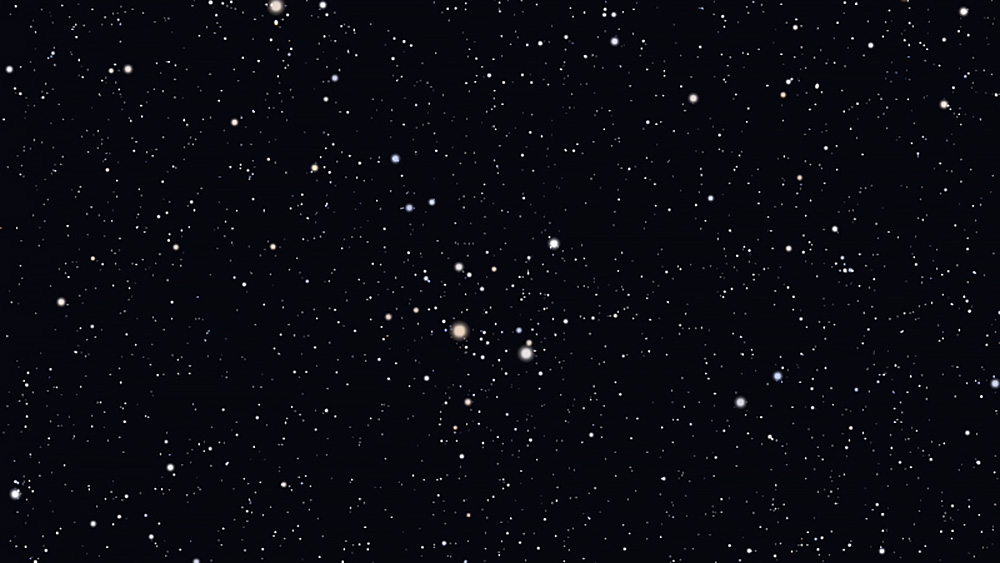
The NGC 7686 is an open star cluster in the constellation Andromeda with a buttery yellow star making its mark. It was discovered on December 3, 1787.
 The Garden Astronomer